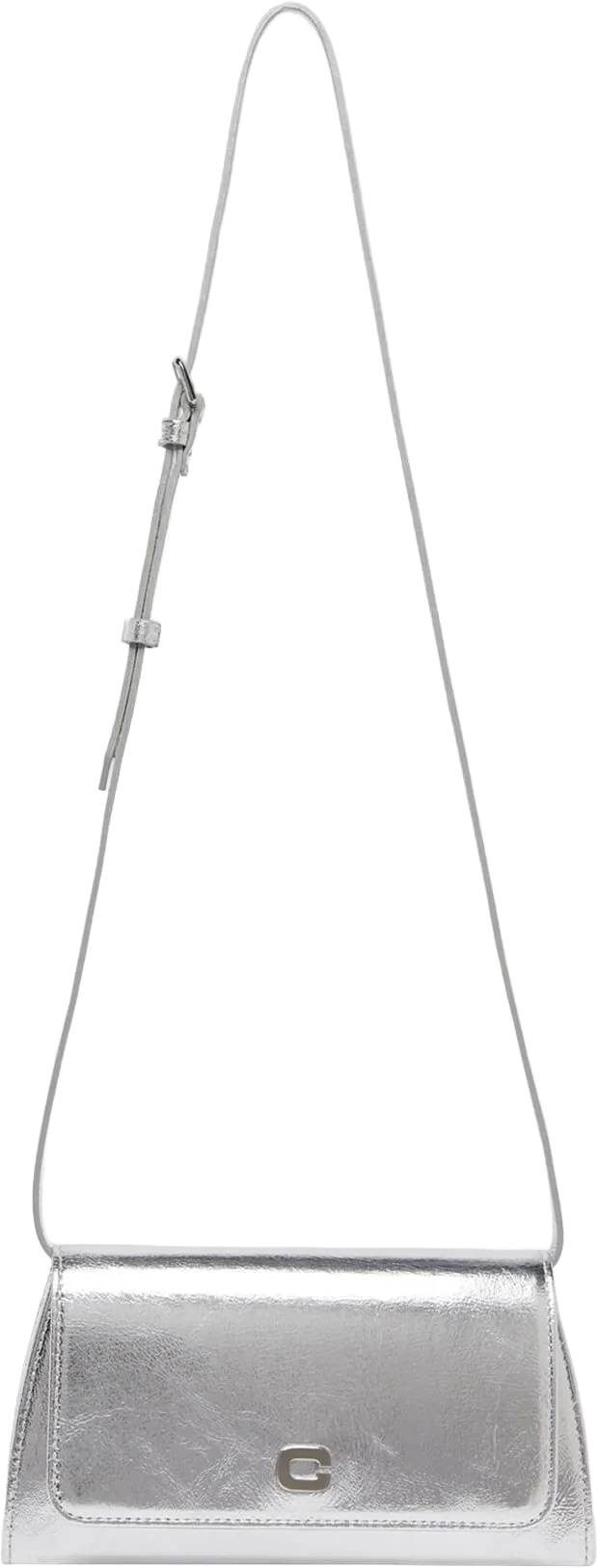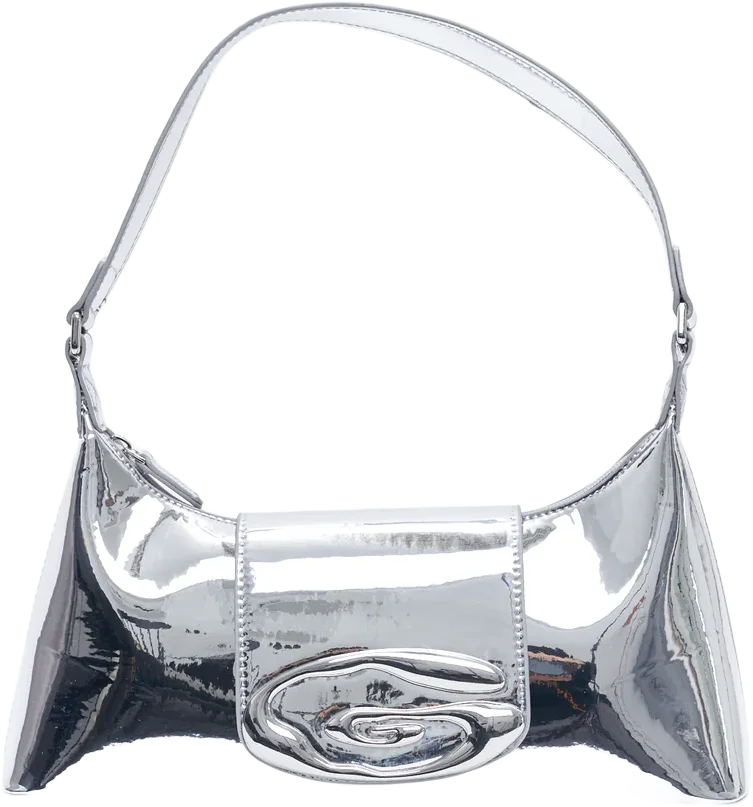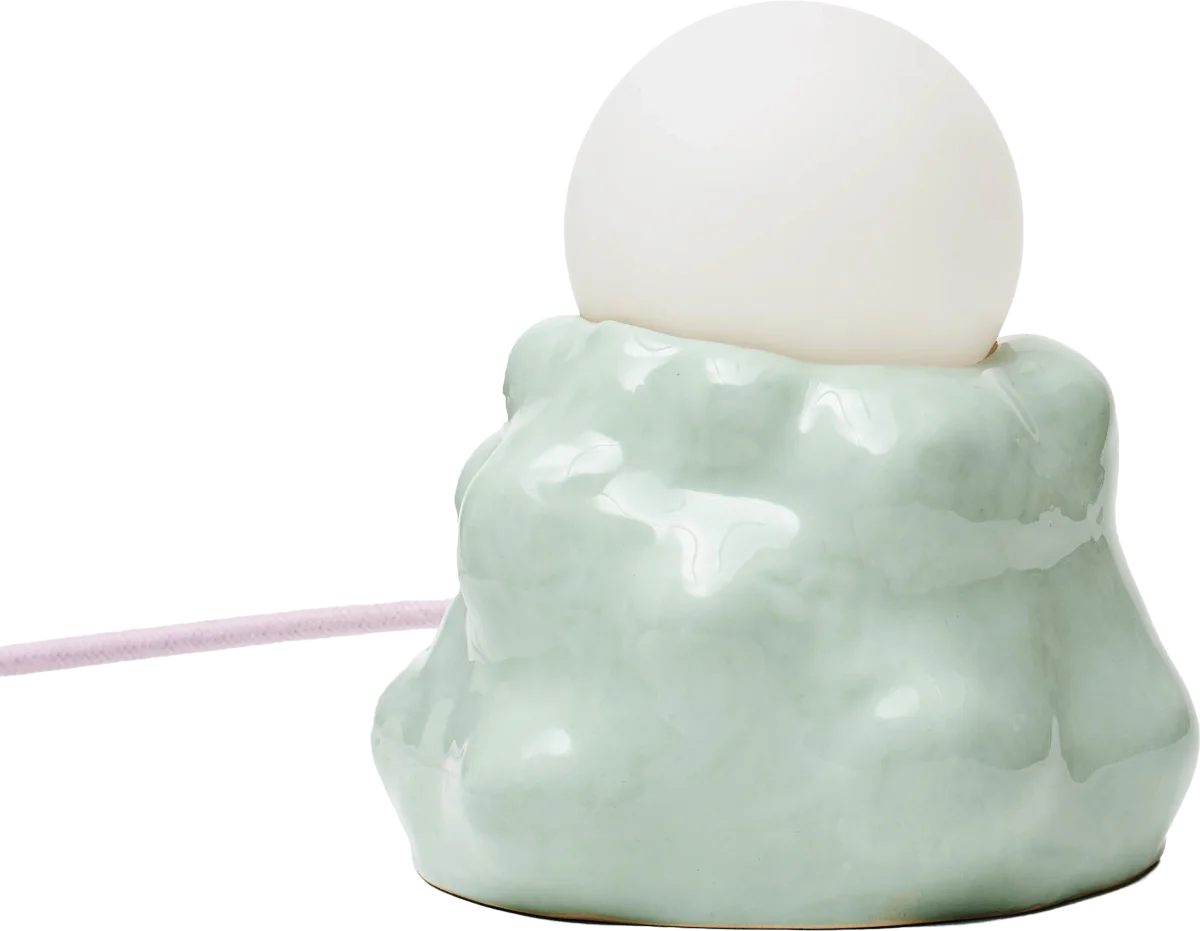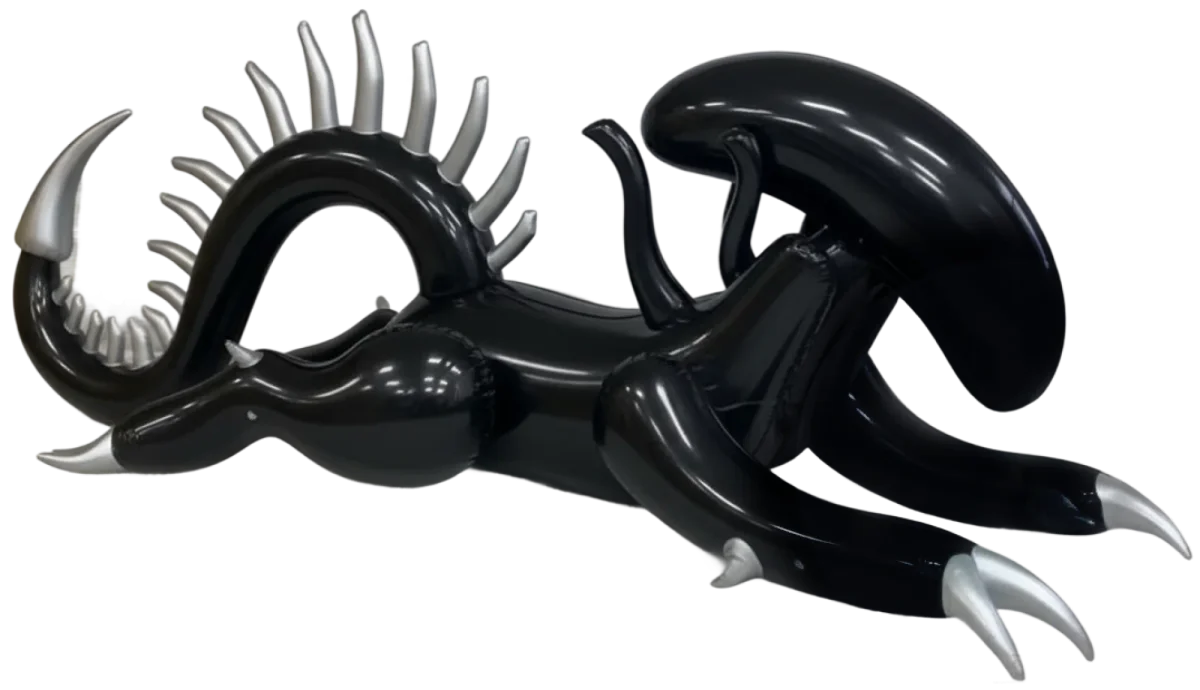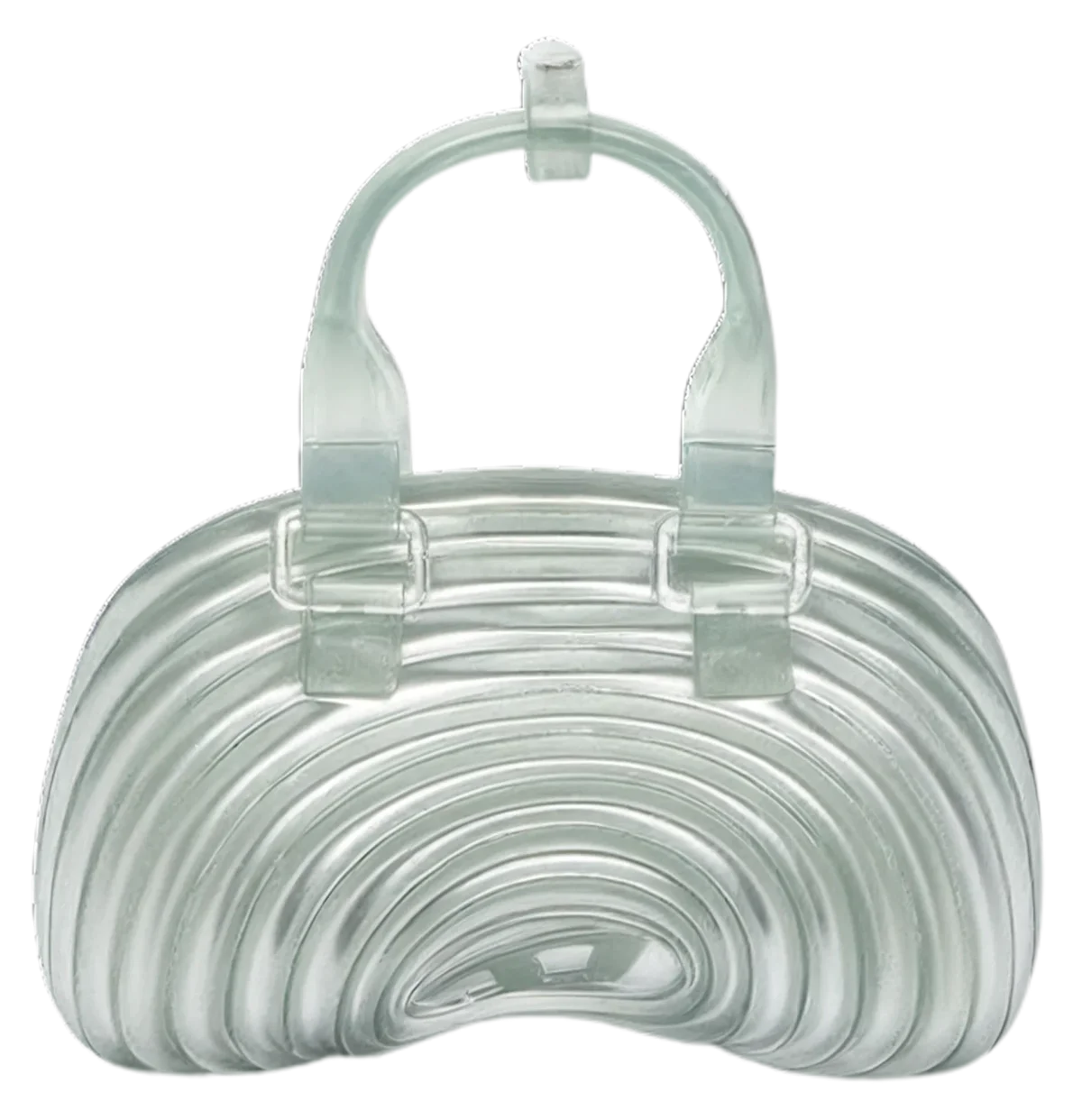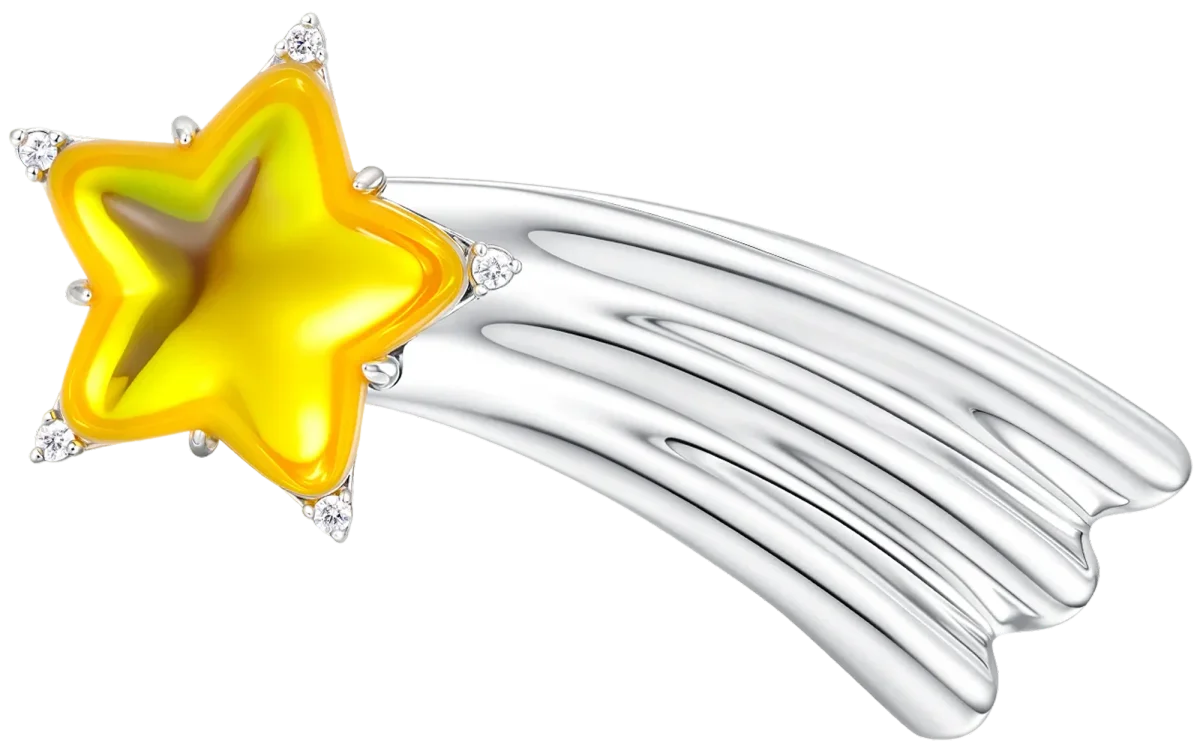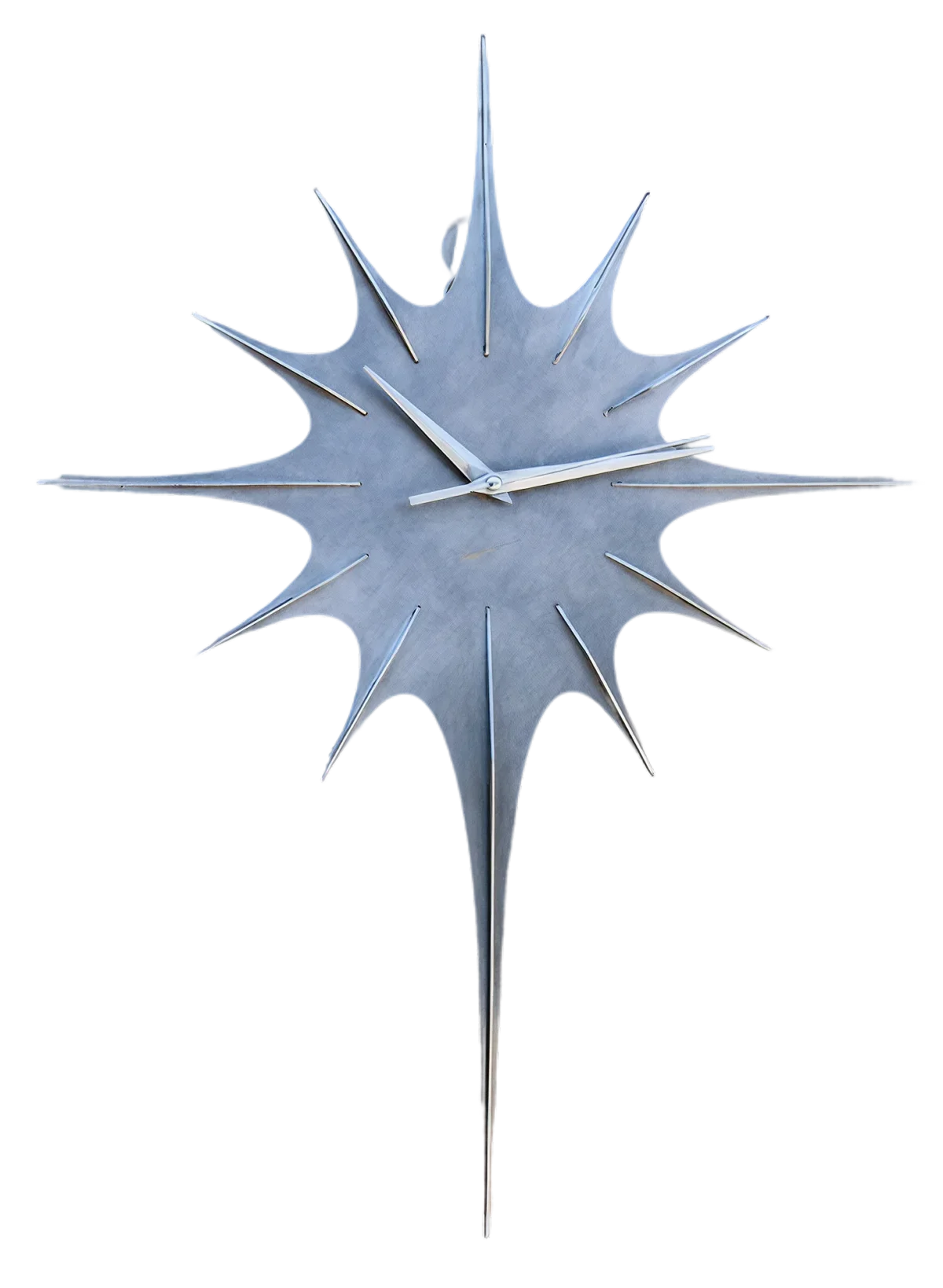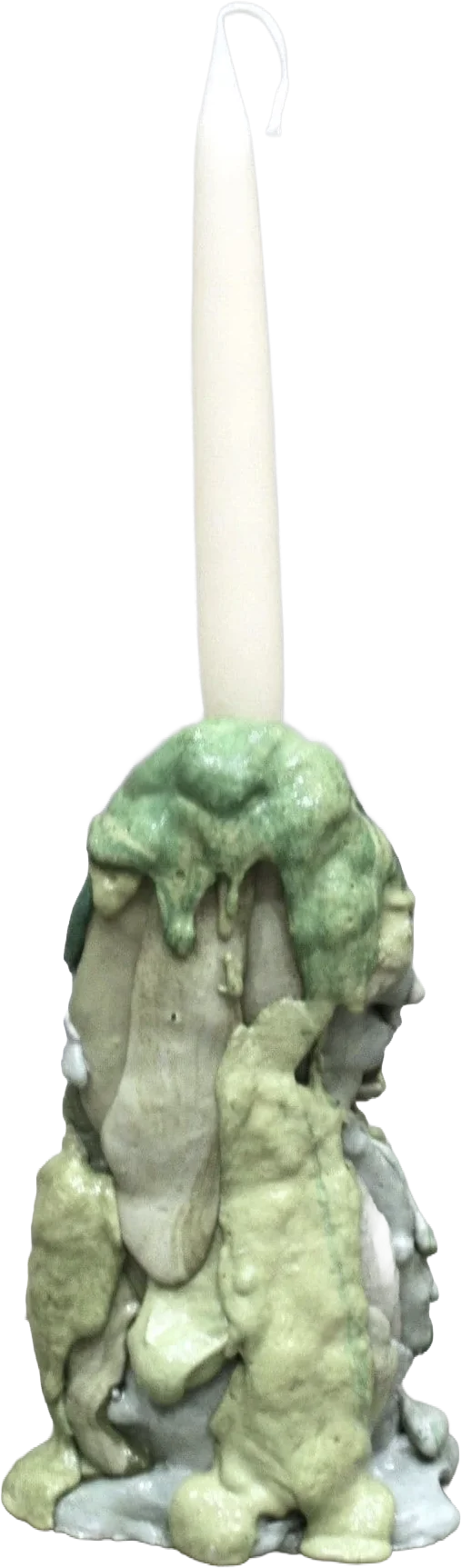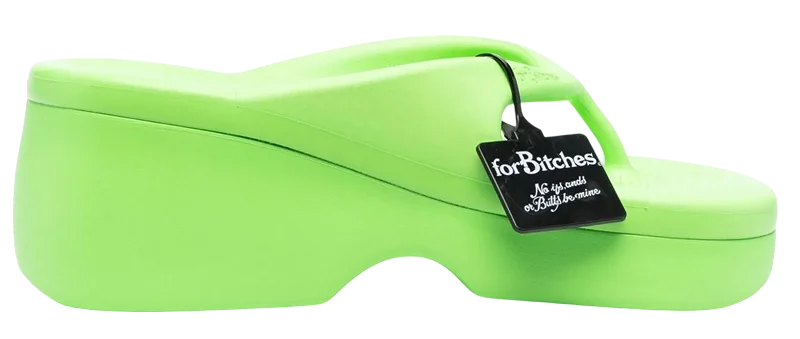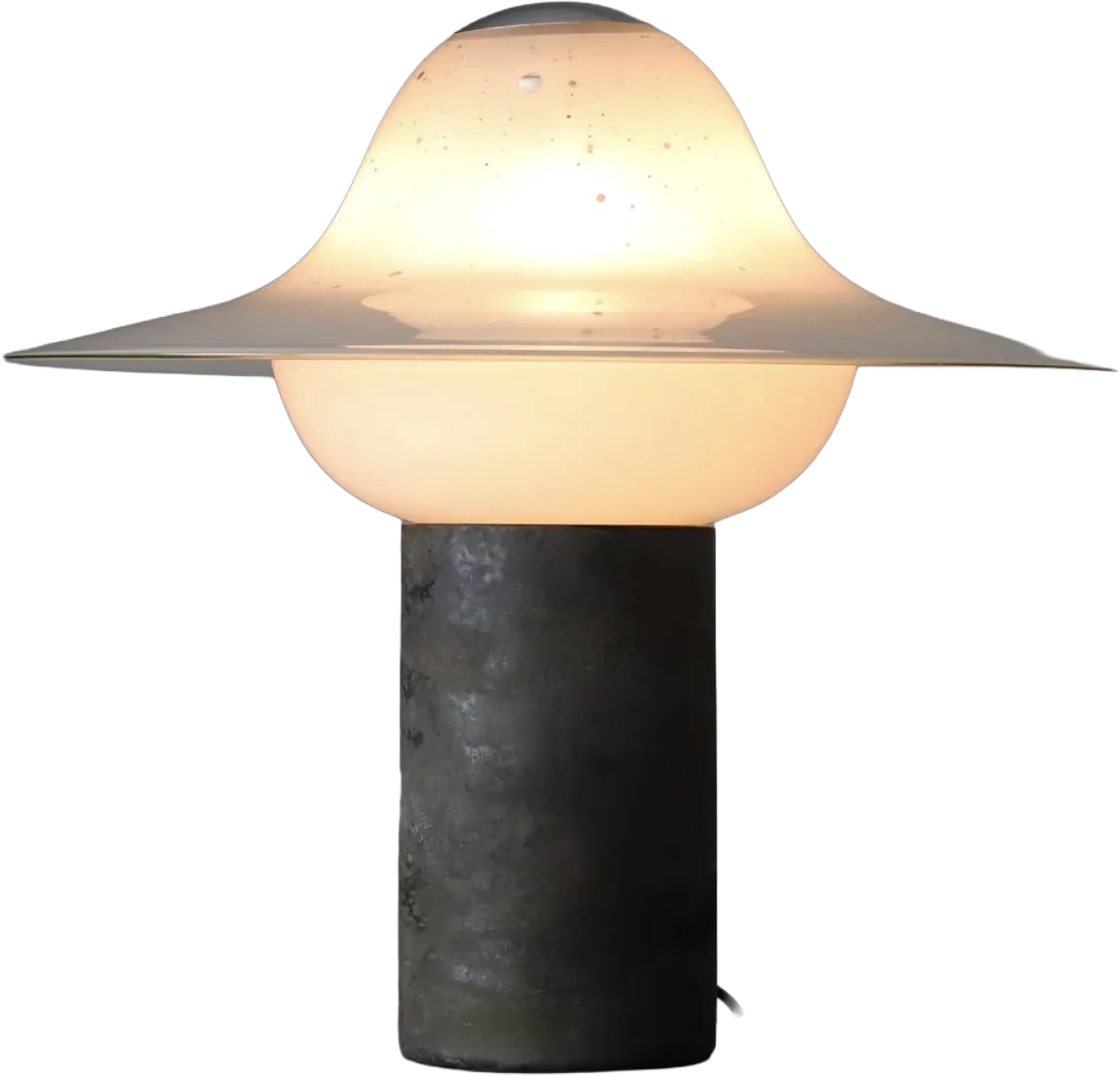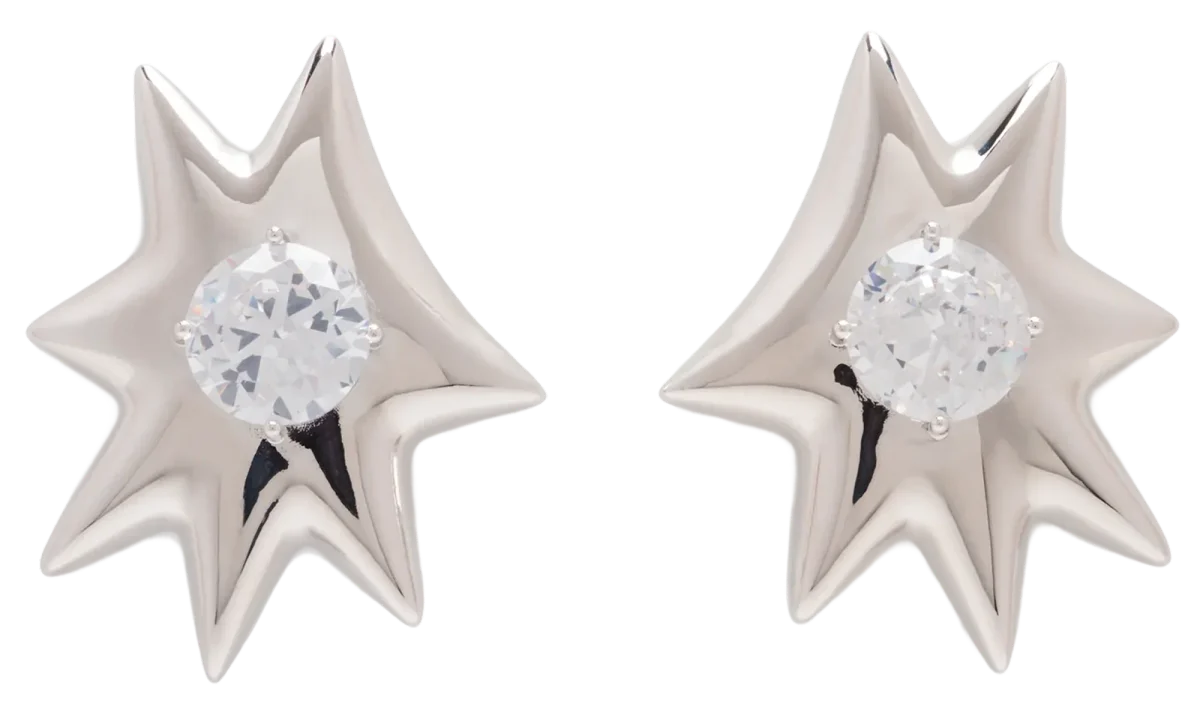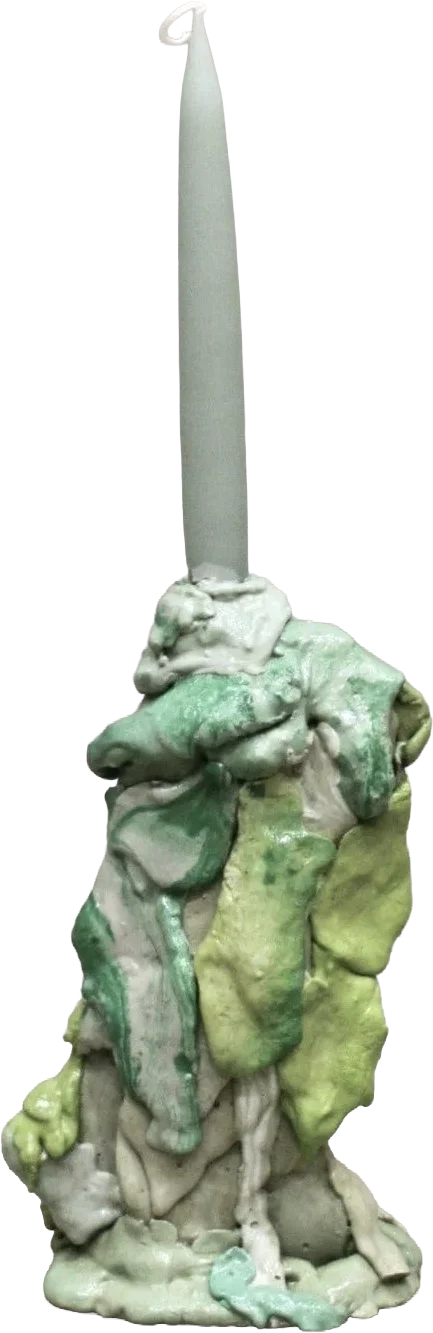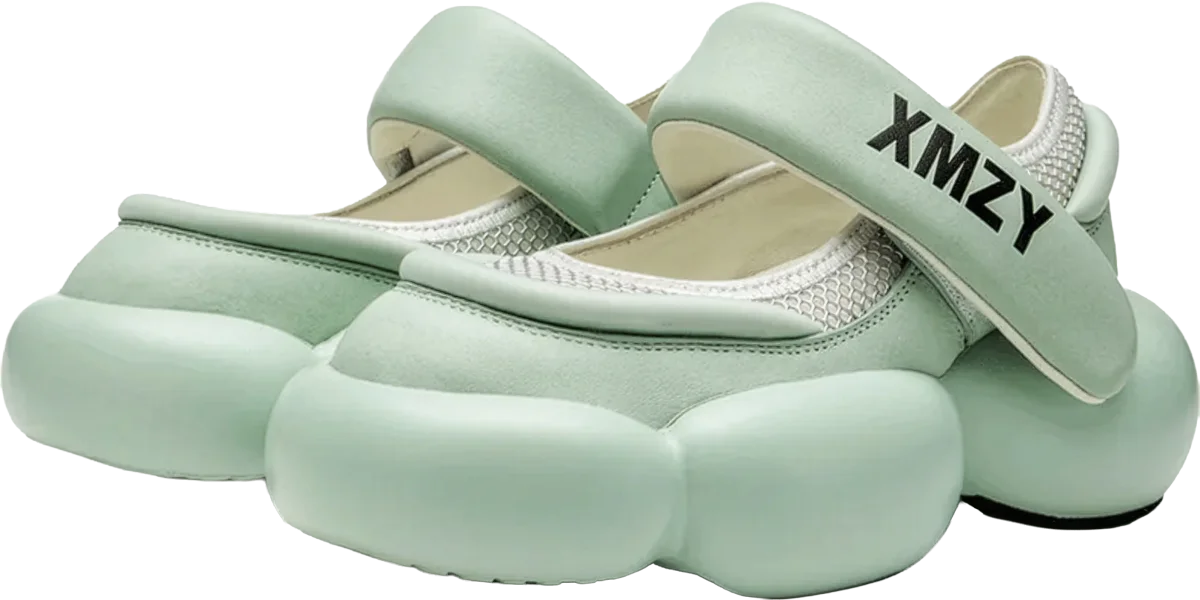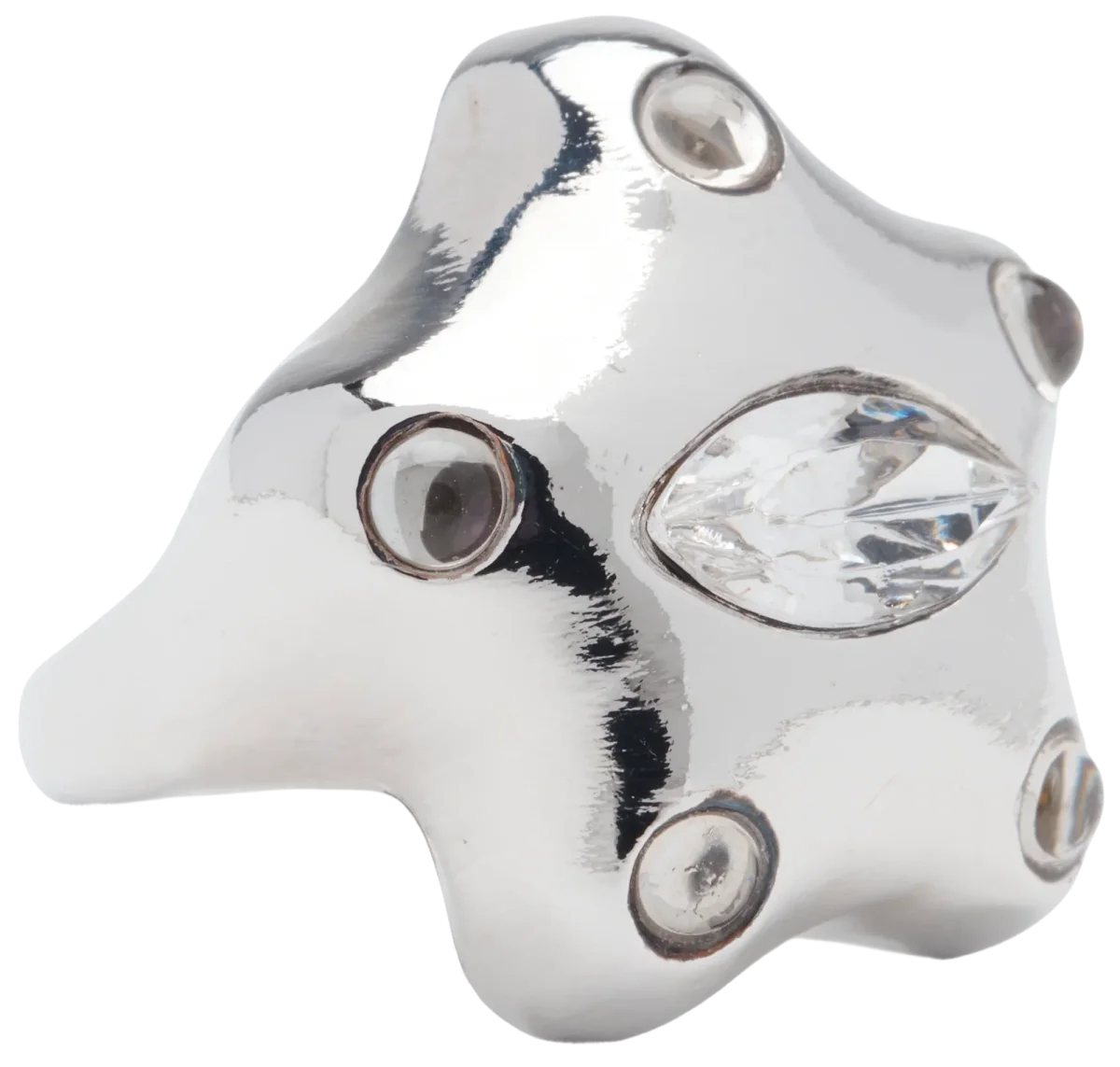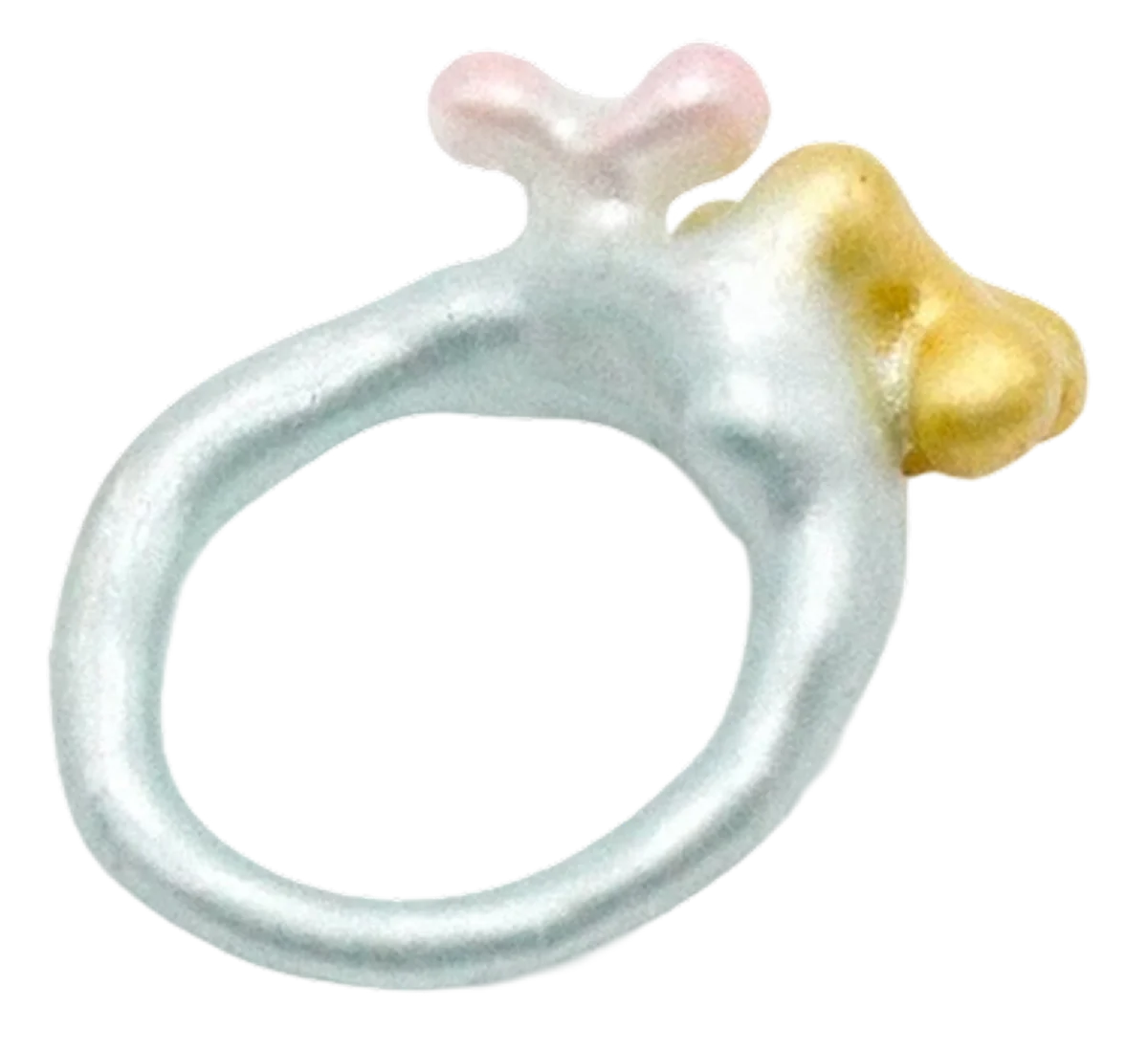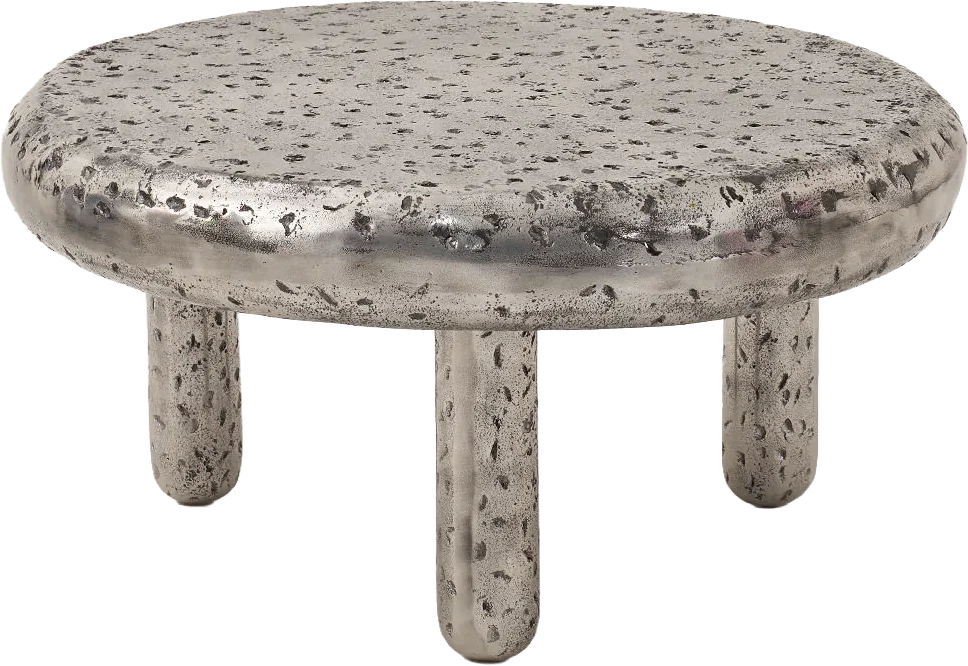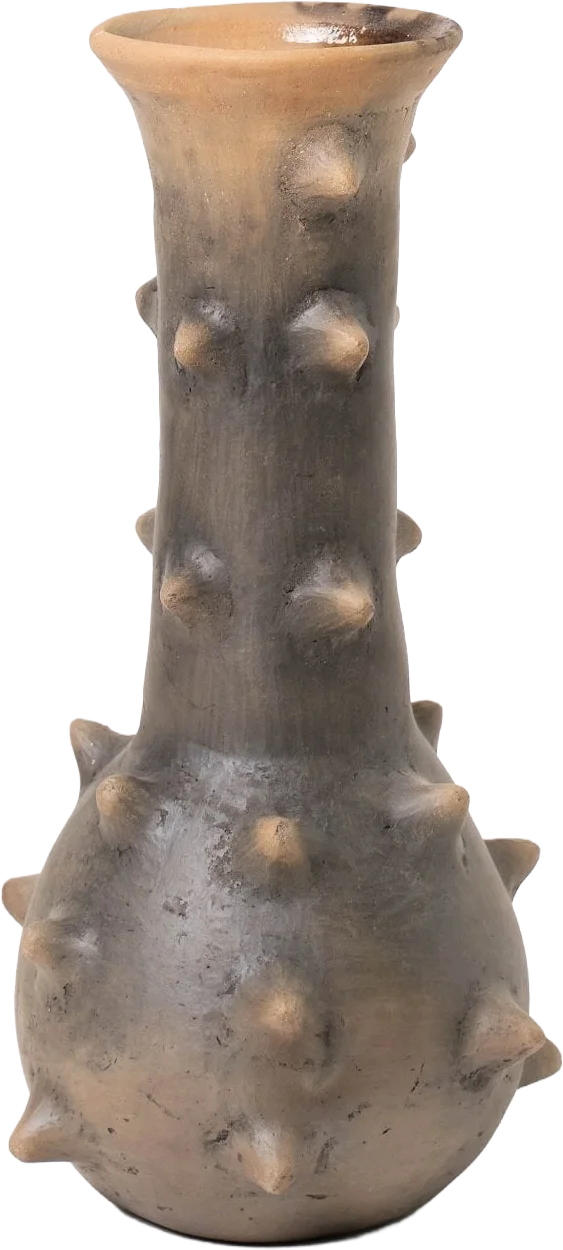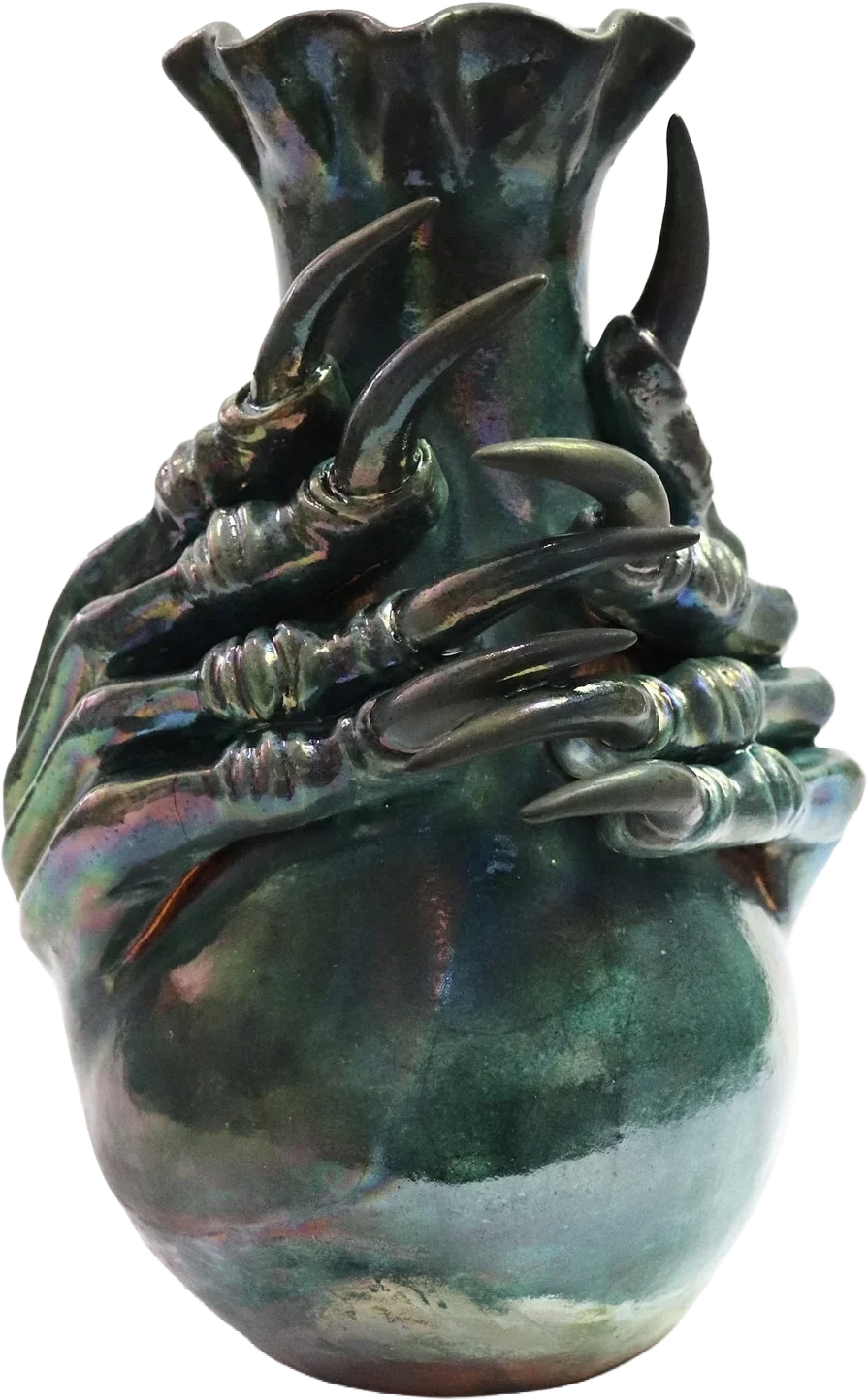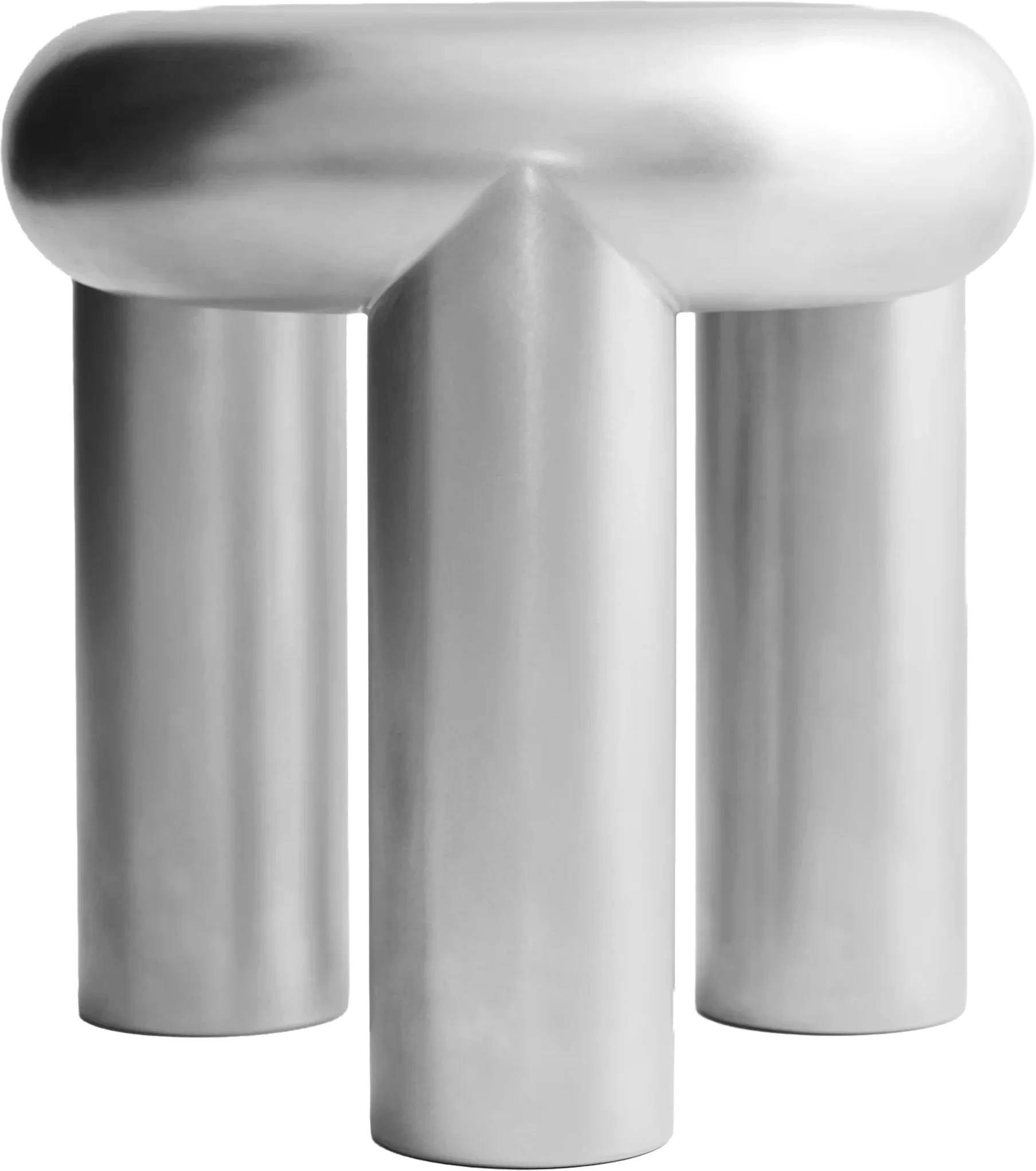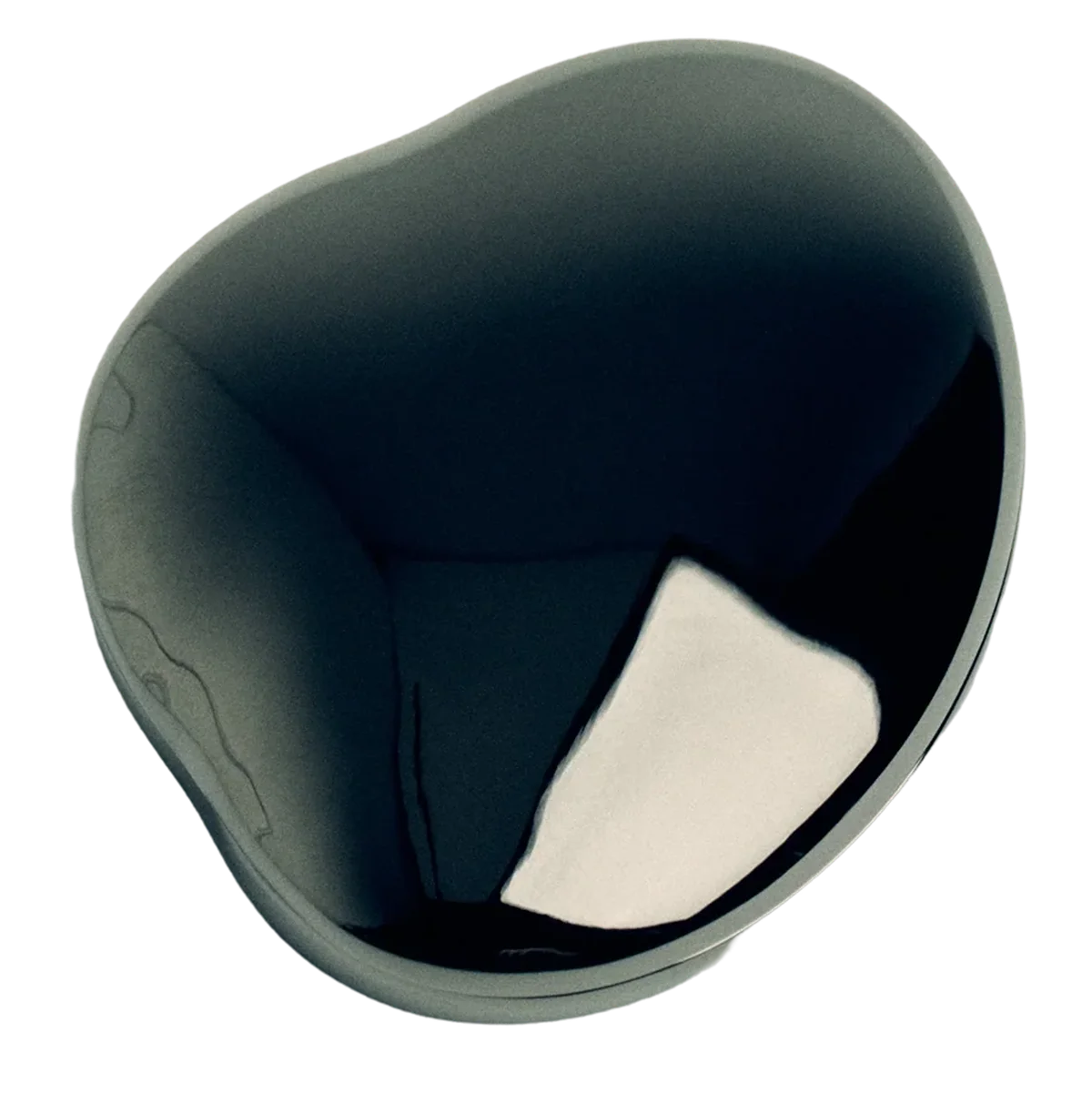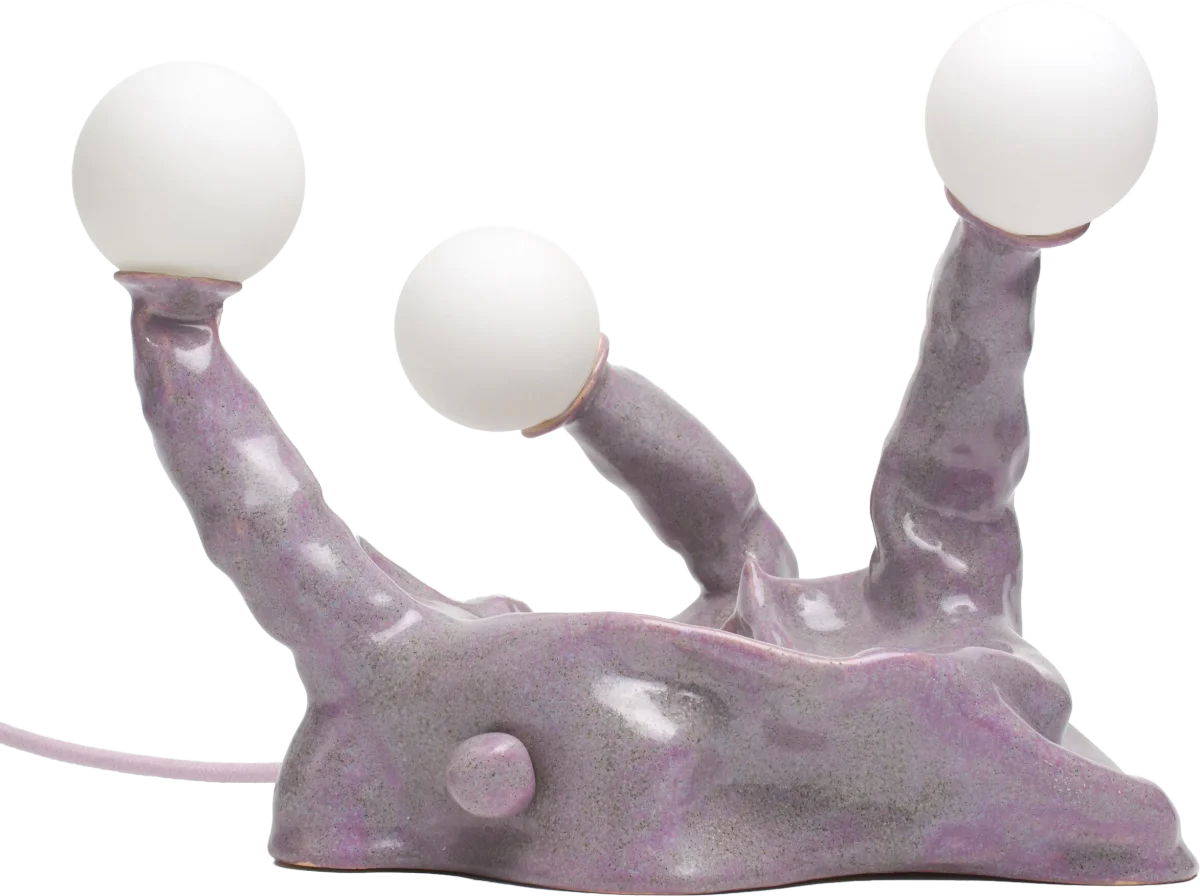
Proceeding from the quietly radical assumption that human proportion, earthly texture, and conventional color theory are entirely optional, objects emerge whose beauty feels borrowed from civilizations that never bothered with gravity.
29 items curated
The aliencore aesthetic gathers its visual material from the speculative imagination, mixing the chromed surfaces of late-twentieth century science fiction with the soft biomorphic curves of Verner Panton's plastic chairs and the molten metallics of contemporary 3D-printed jewelry. Its emergence among design-literate audiences in the mid-2020s coincided with a renewed cultural fascination with extraterrestrial possibility, fueled equally by the Congressional UAP hearings and a new generation of speculative fiction that approaches the alien encounter with curiosity rather than dread.
What distinguishes aliencore from the parallel currents of cybercore or futurism is its commitment to the organic strangeness of imagined non-human life, evident in objects that suggest gestation and growth rather than circuitry. Designers working within this aesthetic tend to favor iridescent finishes, holographic textiles, fluid silicone forms and the kind of mirror-polished aluminum that recalls the unidentified craft of conspiracy literature, often paired with deep cosmic blues, oxblood reds and the pearlescent palette of soap bubbles caught in oil. The result is an interior or a wardrobe that proposes a quiet otherworldliness, treating the everyday object as if it had arrived from somewhere just beyond the edge of the visible spectrum.
Aliencore organizes itself around visual cues borrowed from the iconography of extraterrestrial life and unidentified flying objects, with an emphasis on biomorphic curves, iridescent surfaces and the metallic palette of chromed and brushed aluminum. The aesthetic favors objects that appear to defy conventional manufacturing, such as 3D-printed jewelry, silicone vessels and pearlescent textiles, and treats the strangeness of unfamiliar form as a generative principle rather than an unsettling one.
Cybercore takes its references from networked machines and the visual culture of early internet communities, building interiors around screens, cables, mesh and the cold geometry of consumer electronics, while aliencore looks instead toward biological strangeness and the imagined craft of distant civilizations. Where cybercore furnishes a room with monitor light and patch cables, aliencore reaches for fluid silicone, iridescent vinyl and objects whose origin remains deliberately ambiguous.
An aliencore interior tends to assemble holographic textiles, chromed sculptural lamps, biomorphic resin furniture, iridescent glassware and jewelry pieces cast in the kind of pearlescent metals that catch light unpredictably. Inflatable seating in metallic finishes, mirrored sphere lighting, silicone vases and pearlescent ceramics often complete the vocabulary, layered against walls in deep navy, oxblood or the soft lavender of nebula photography.
Aliencore traces its lineage to the chrome-and-plastic visual culture of late-twentieth century science fiction cinema, with particular debts to the costume design of films from the 1970s through the 1990s and the speculative furniture of the Space Age design movement. Its present revival has been carried by the renewed cultural interest in unidentified aerial phenomena that gathered momentum in the early 2020s, alongside a growing curiosity, among design-literate audiences, for visual languages that propose plausible imagined futures.
The gift ideas page helps you find a present by mood, style and budget. You choose their intensity, their vibe and your budget with three sliders, and the page returns objects from the newitem.earth archive, each one linking to the original shop.