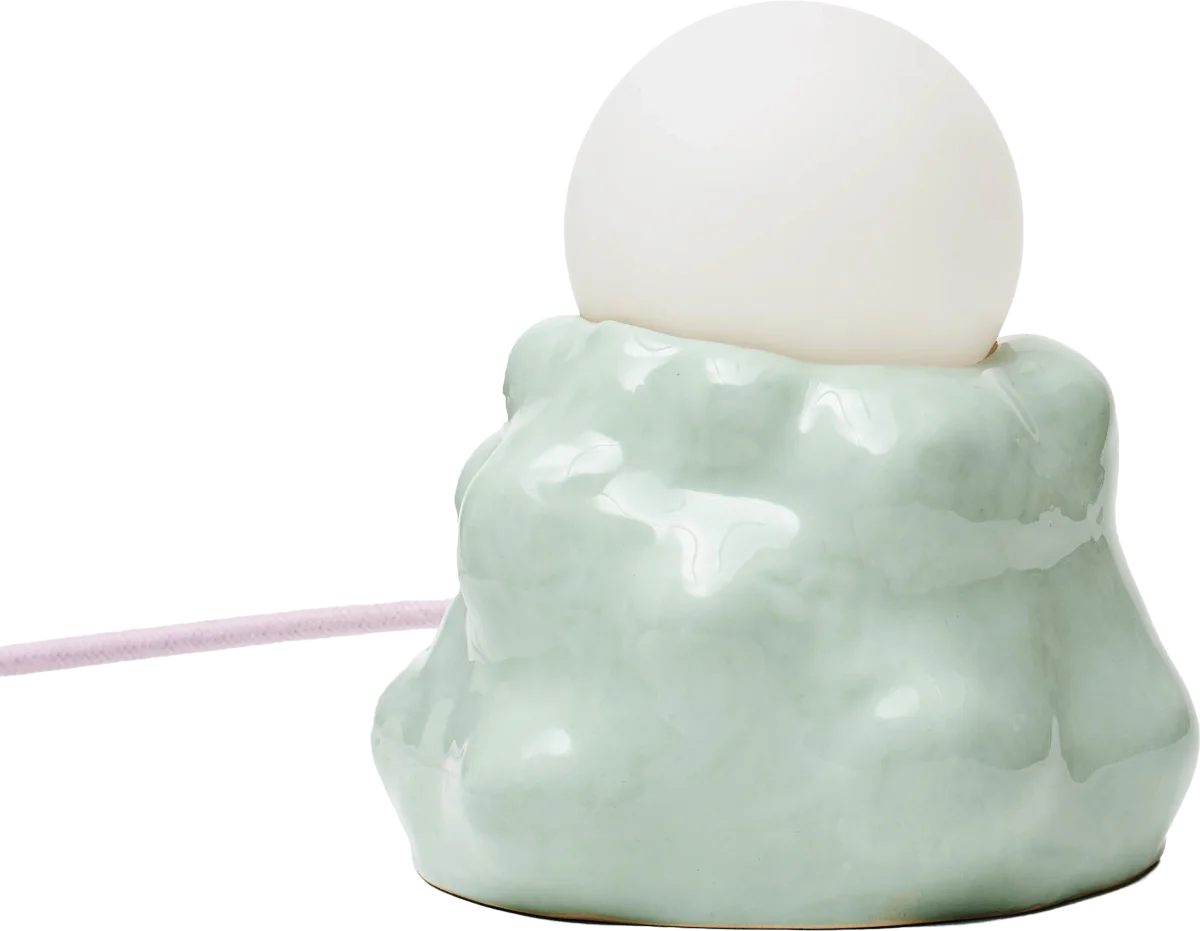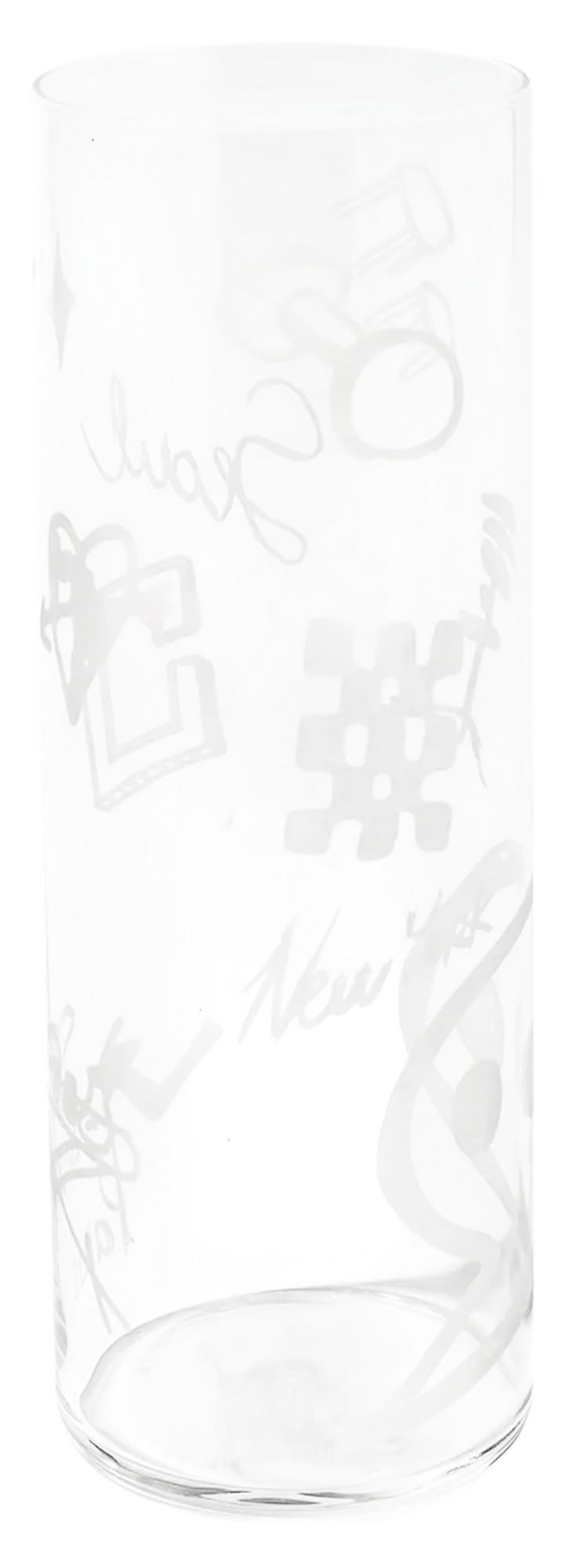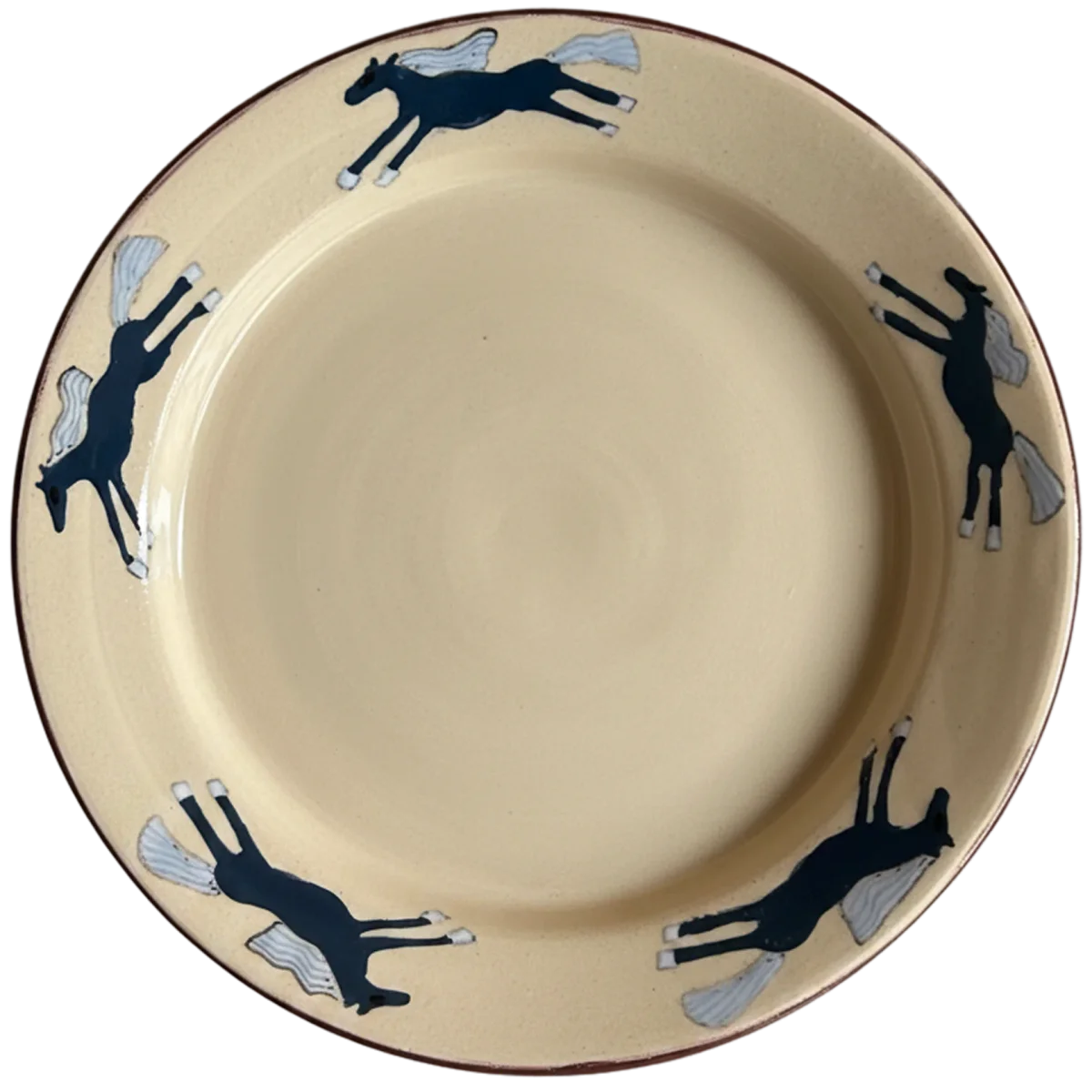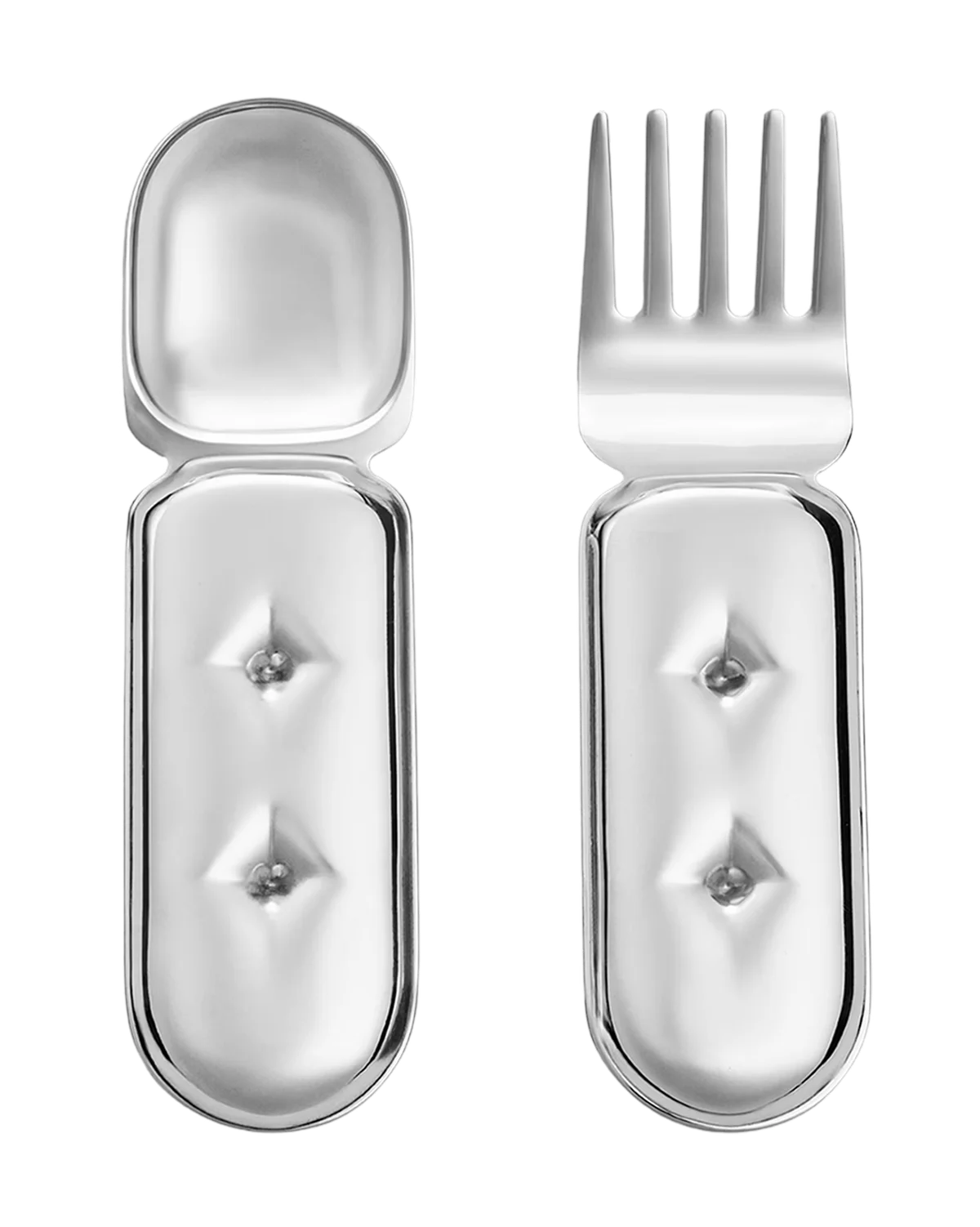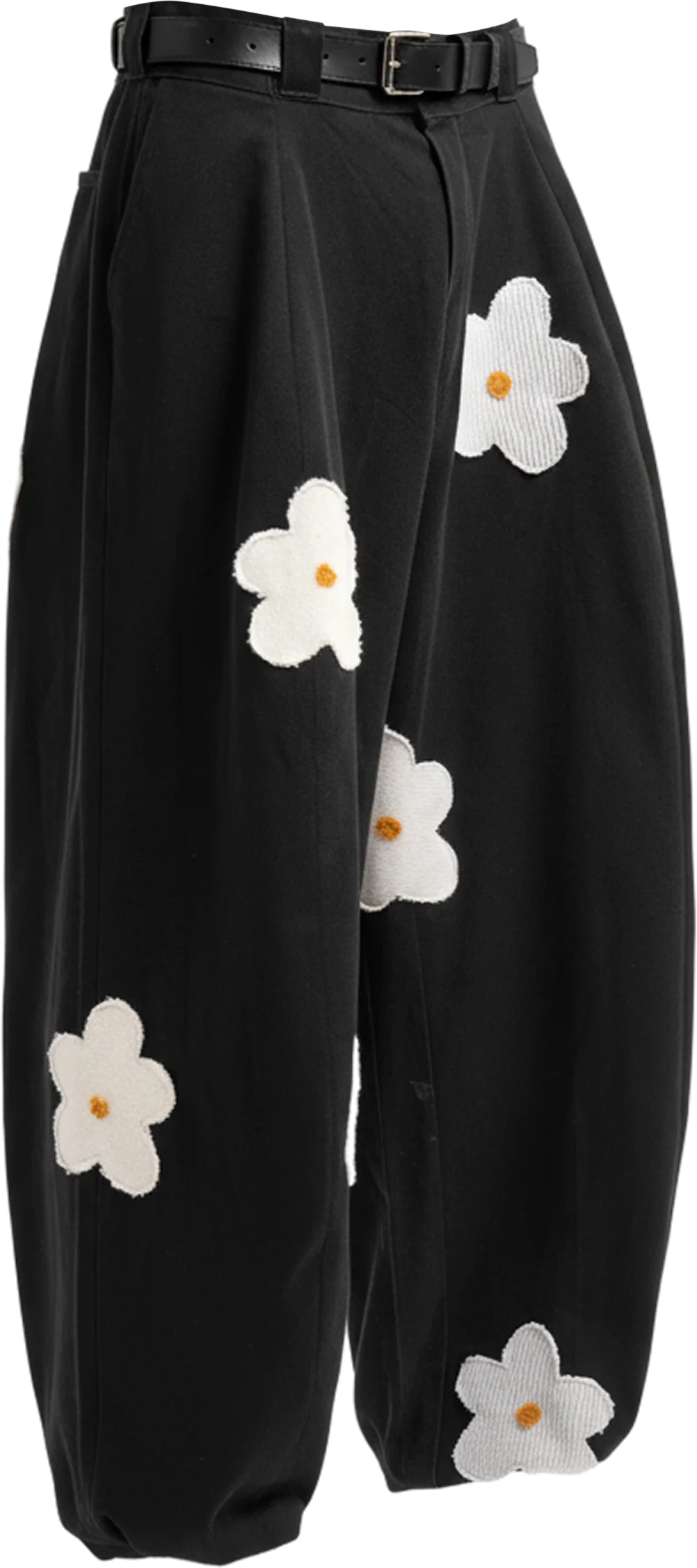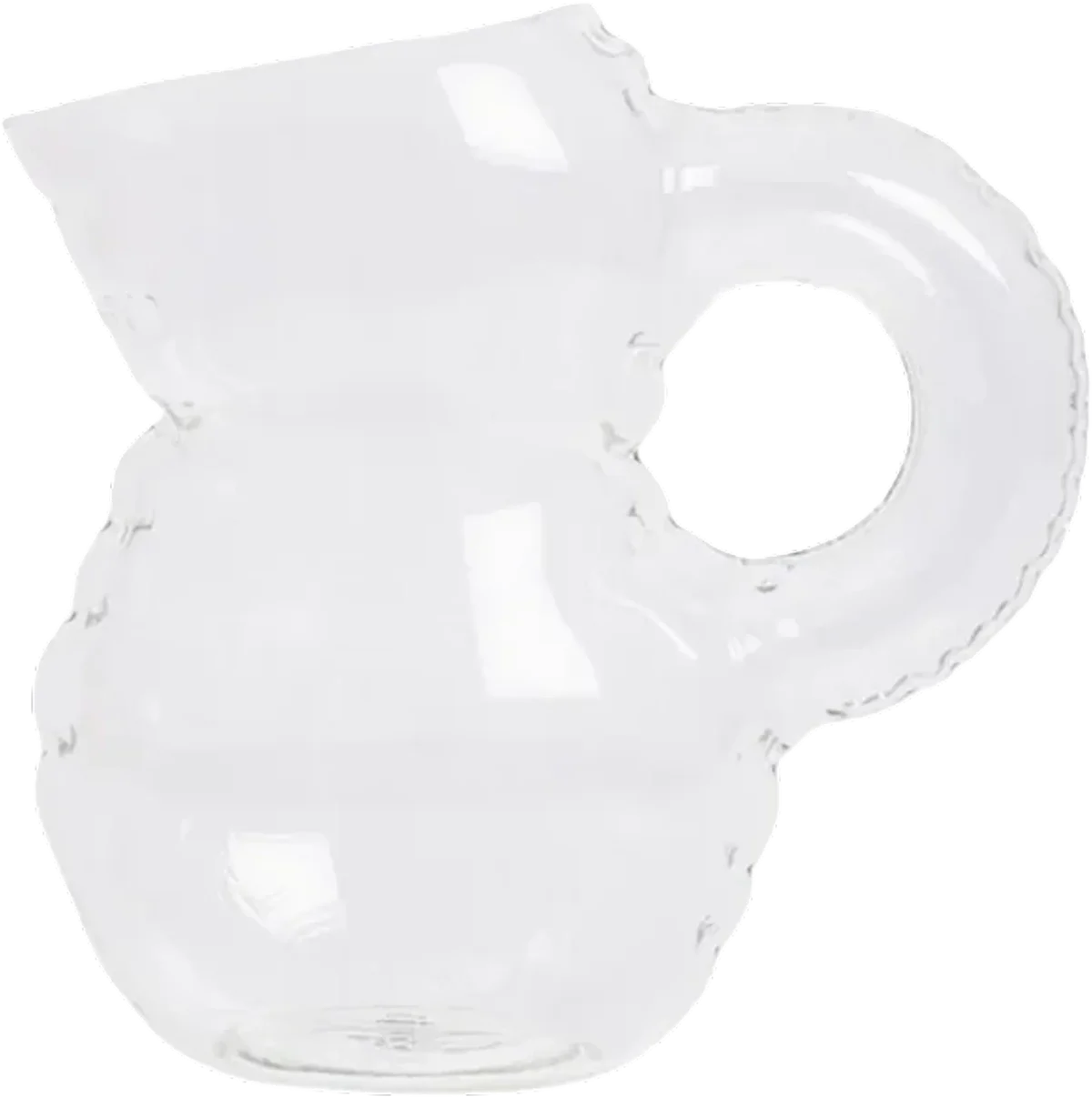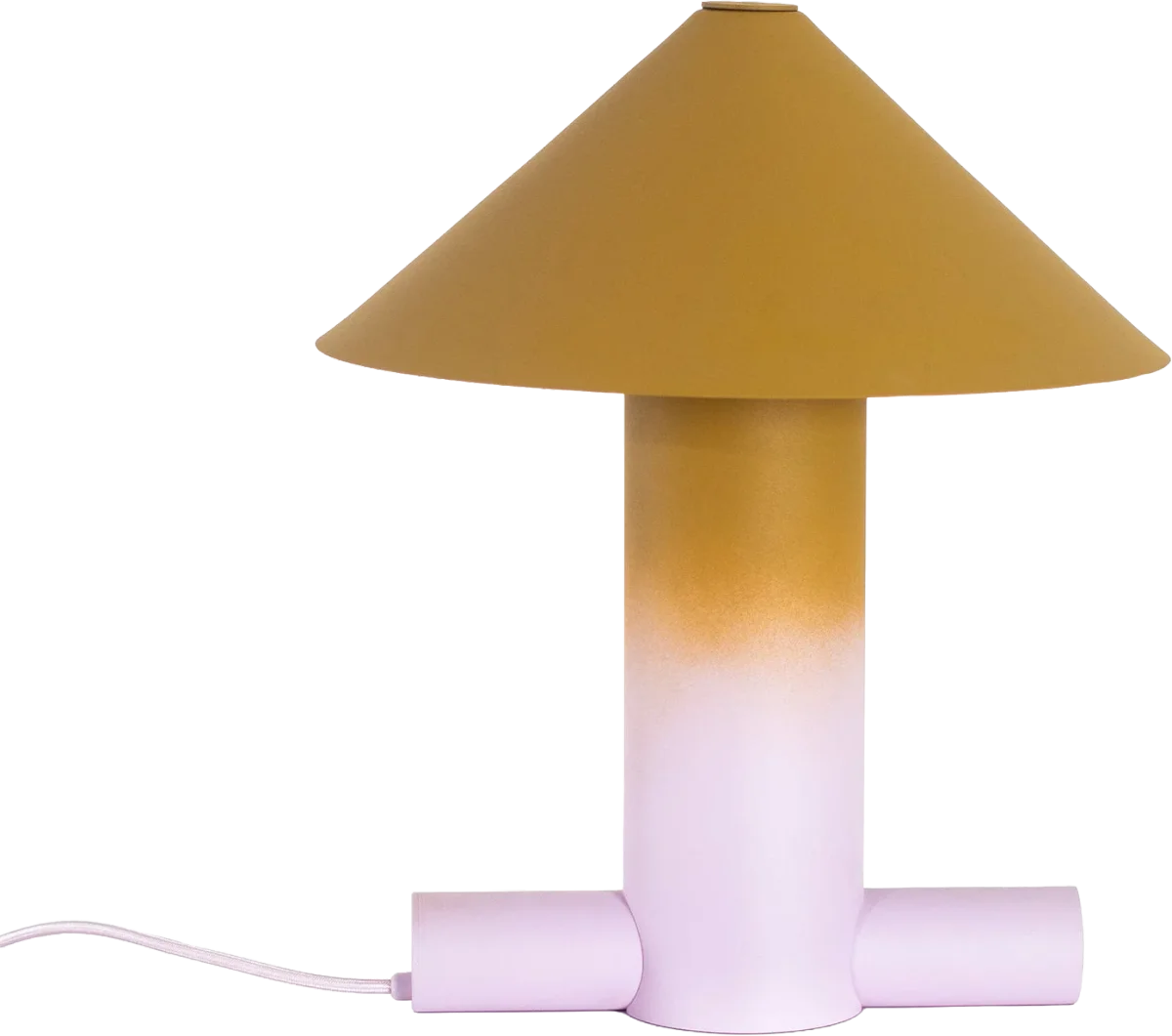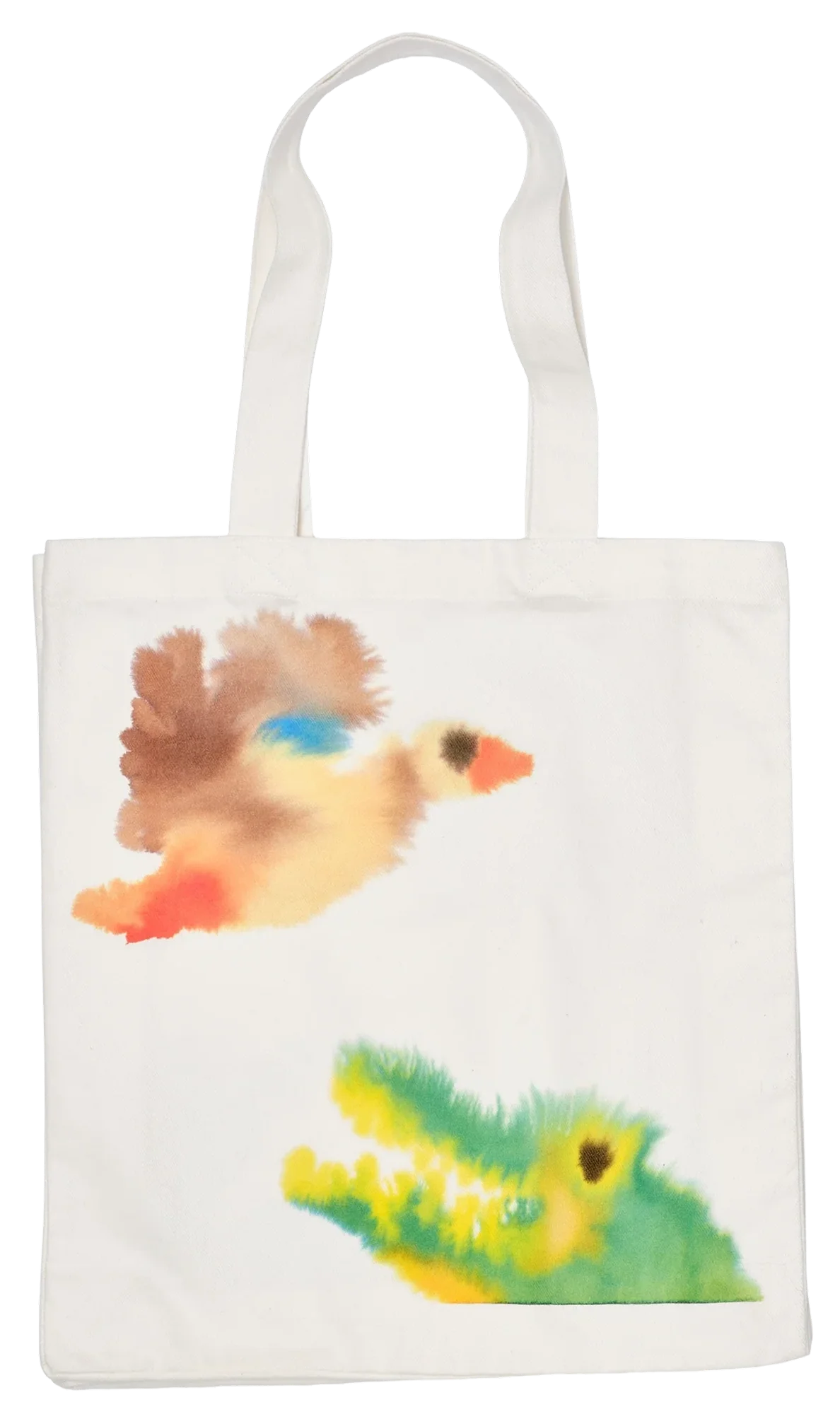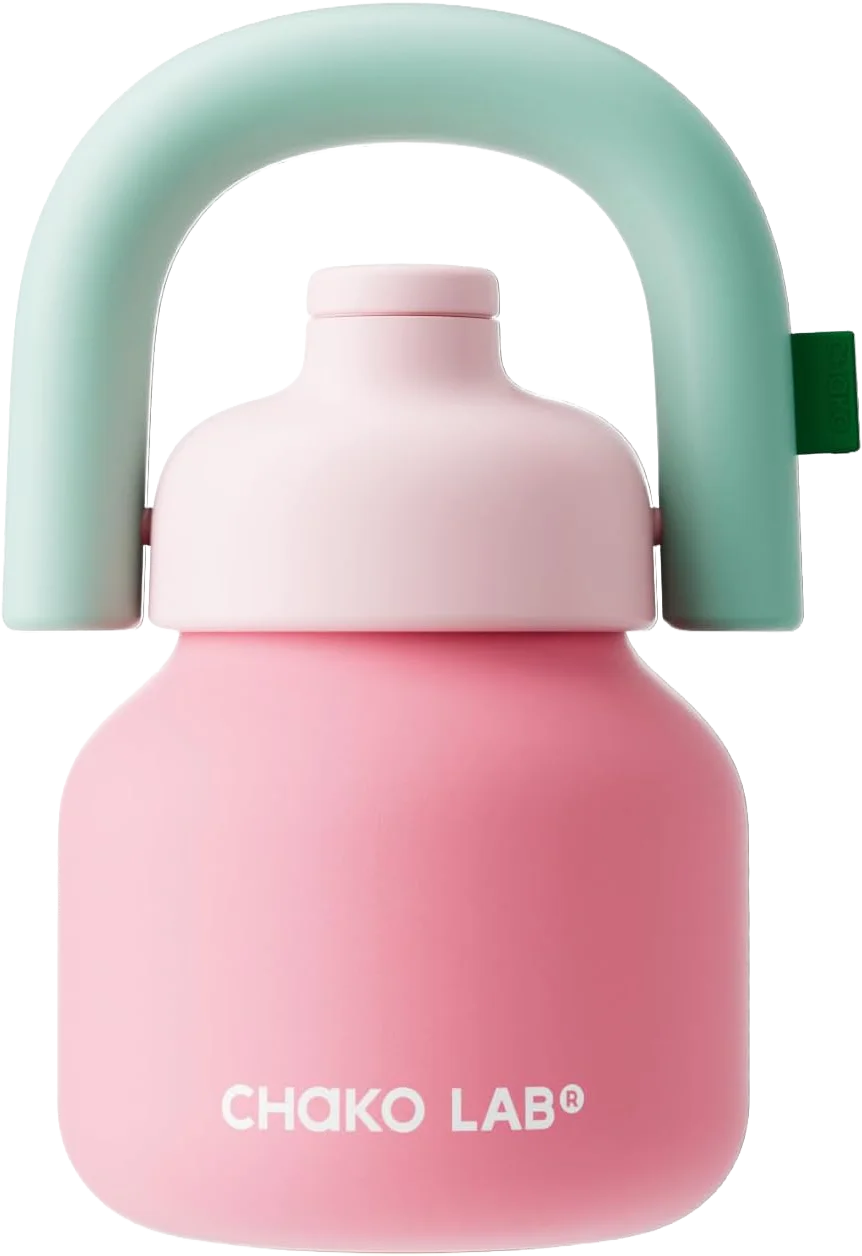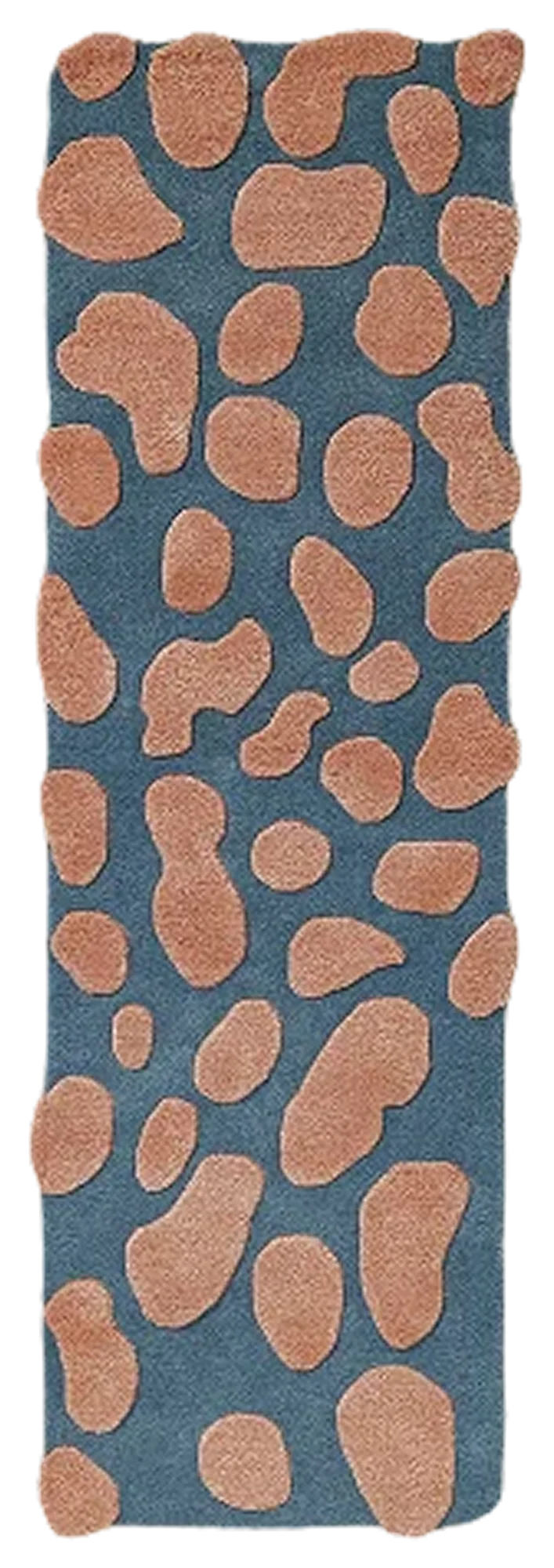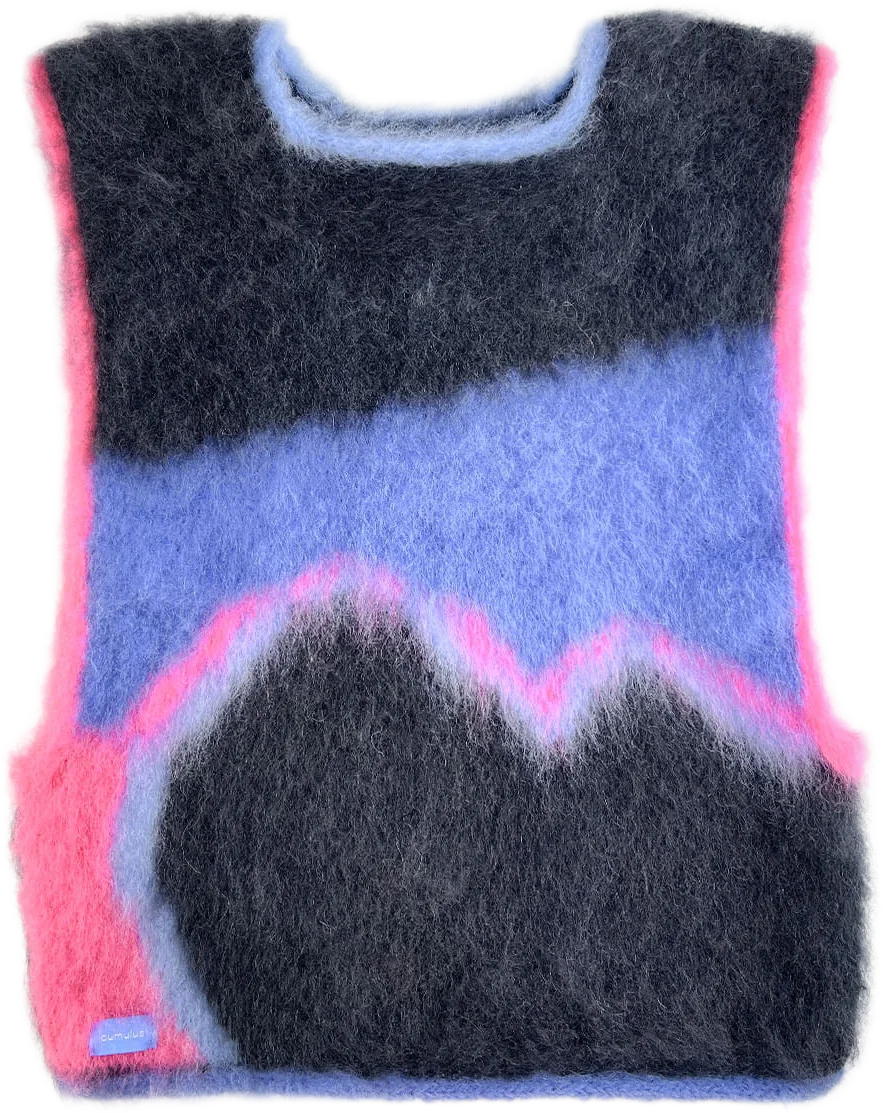
The material props of creative practice assembled into a livable environment: raw canvas stacked against walls, pigment-dusted worktables, and a studied disorder that communicates both genuine productivity and a deep familiarity with Pinterest.
43 items curated
The artcore aesthetic treats the home as an extension of the gallery, organizing interiors around the idea that objects, framed canvases and sculptural pieces deserve the same considered placement as the works hung in a museum's contemporary wing. Its sensibility crystallized among design audiences during the mid-2020s, when the appetite for personalized collecting overtook the older convention of professional decoration, encouraging a generation of homeowners to treat their walls and shelves as curatorial statements rather than decorative afterthoughts.
What distinguishes artcore from the broader maximalist or eclectic movements is its commitment to dialogue between objects, the way a hand-thrown ceramic vessel might be placed in conversation with a small lithograph or a piece of studio glass to suggest an editorial logic rather than mere accumulation. Designers working within this aesthetic frequently reach for plinths in painted plaster, gallery picture lights, ceramics from independent studio potters, and the kind of neutral wall colors associated with white-cube exhibitions, allowing the objects themselves to provide the warmth and character. The contemporary appeal of artcore lies in its proposition that the interior can become a record of taste and attention, a quietly authored room rather than a styled one.
Artcore organizes itself around the visual logic of the contemporary gallery, treating individual objects as collectible pieces that deserve considered placement, framing and lighting. The aesthetic favors hand-made ceramics, original works on paper, studio glass and sculptural furniture, often arranged against neutral walls and minimalist surfaces that allow the objects to take precedence over the architecture itself.
Maximalism builds interiors through abundance, layering patterns, colors and objects to create rooms that pulse with simultaneous information and visual density. Artcore takes the opposite approach, valuing edited restraint and the dialogue between a small number of well-chosen pieces, treating empty space as a compositional element and allowing each ceramic, painting or sculpture to declare its presence individually rather than collectively.
An artcore interior tends to gather framed original prints, studio ceramics in vessel and sculptural form, hand-blown glassware, plaster busts, considered lighting from independent designers, and the kind of small bronze or stone objects sold through contemporary galleries. Larger pieces might include sculptural seating from emerging designers, modular shelving arranged with curatorial care, and plinths or wall niches dedicated to a single object rather than a grouping.
Artcore traces its sensibility to the long tradition of the collector's home, from the sixteenth-century Wunderkammer through the modernist apartments of the mid-twentieth century, particularly the documented interiors of figures such as Yves Saint Laurent or Karl Lagerfeld whose private rooms functioned as personal museums. Its contemporary form has been shaped by the democratization of the art market that took root in the 2010s, as platforms for independent artists made the practice of collecting accessible to a broader audience of design-literate homeowners.
The gift ideas page helps you find a present by mood, style and budget. You choose their intensity, their vibe and your budget with three sliders, and the page returns objects from the newitem.earth archive, each one linking to the original shop.