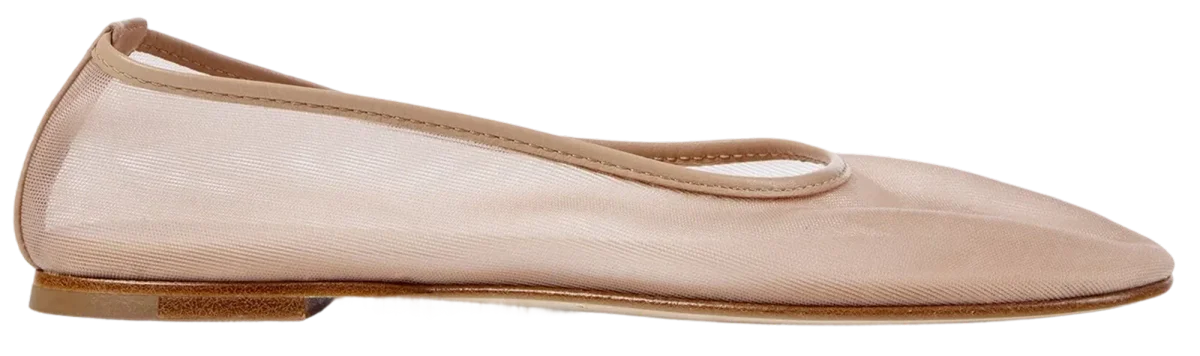
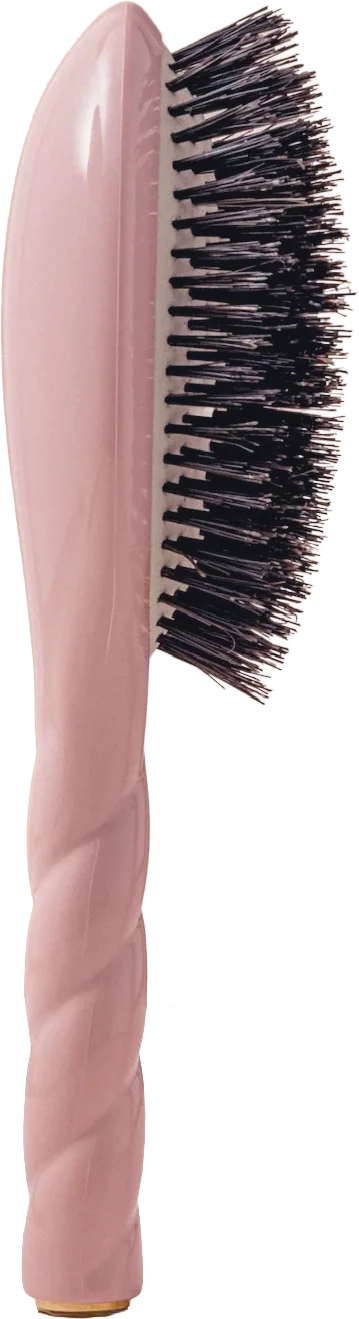
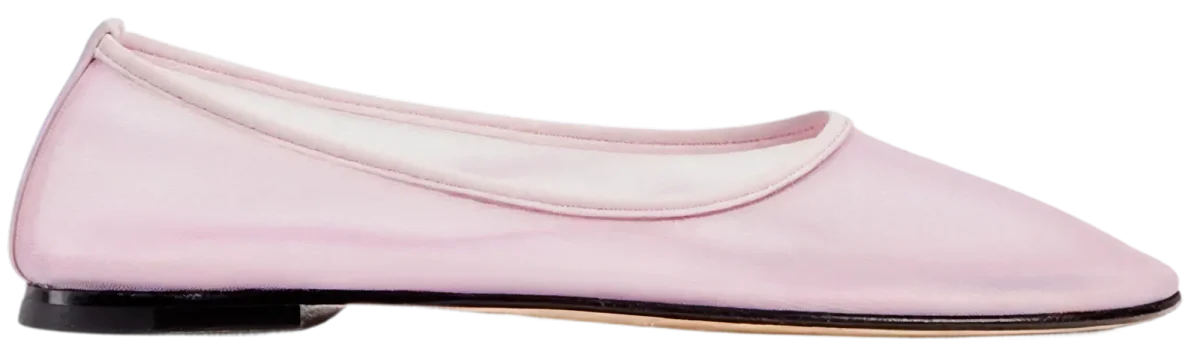
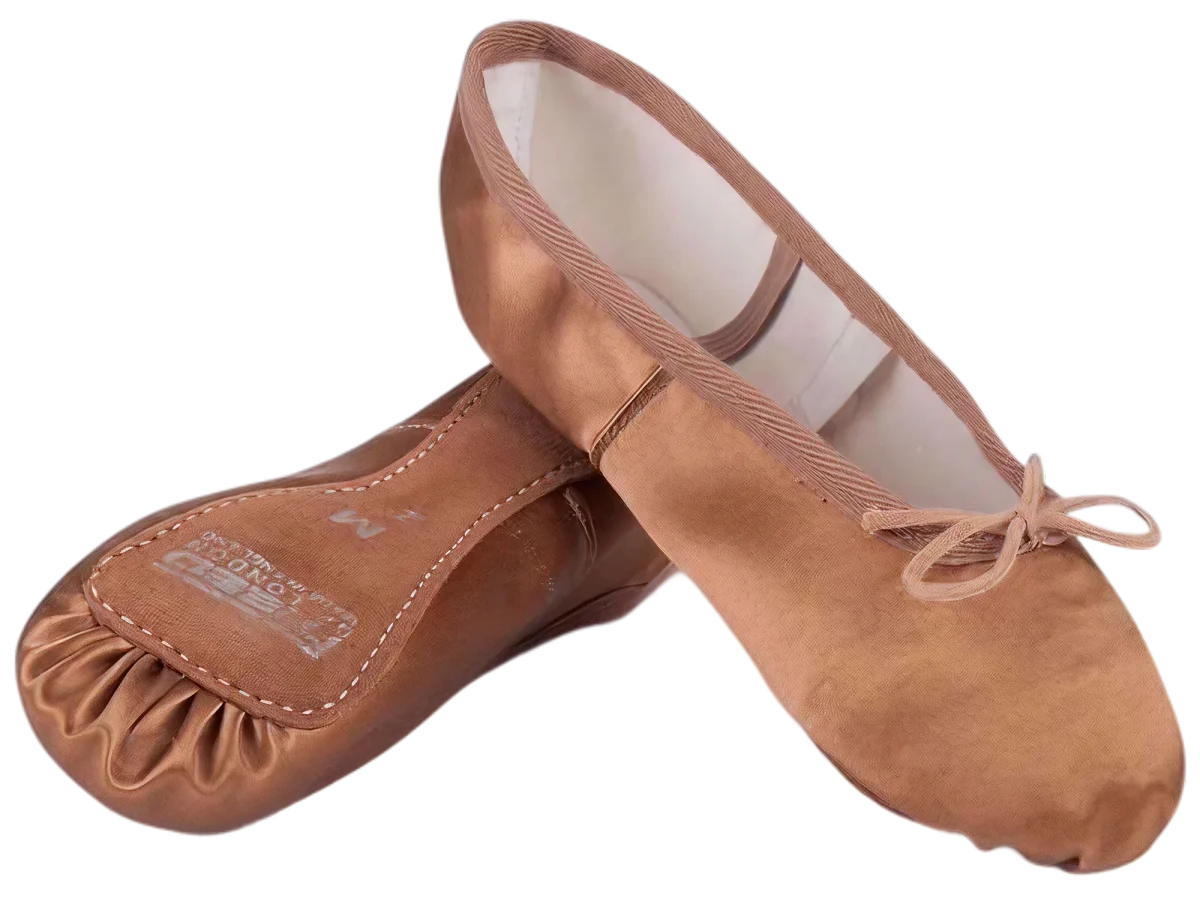
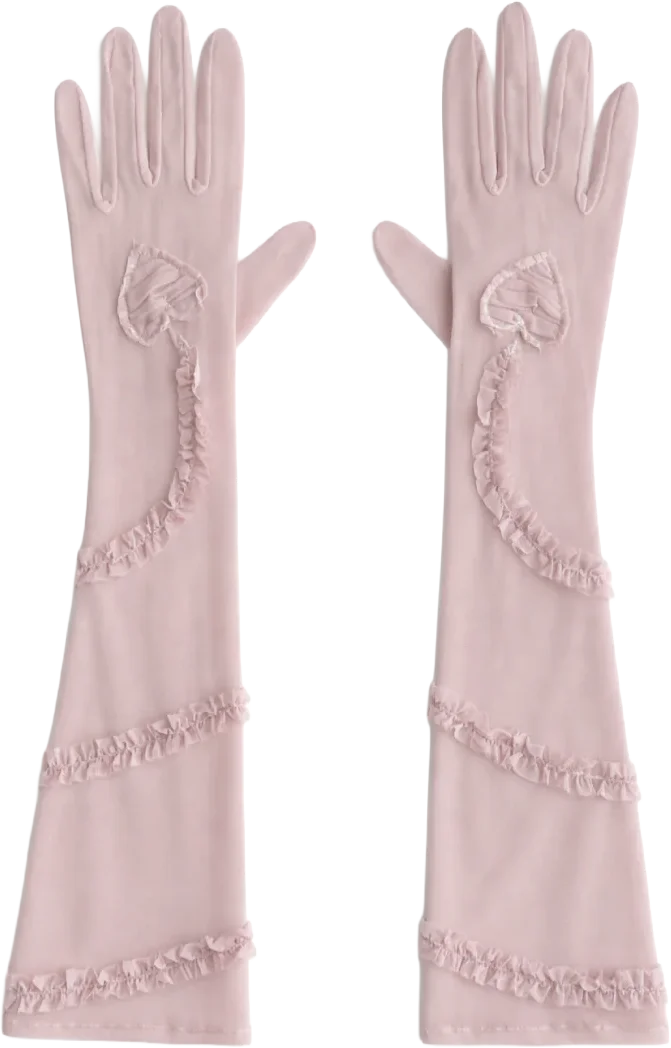
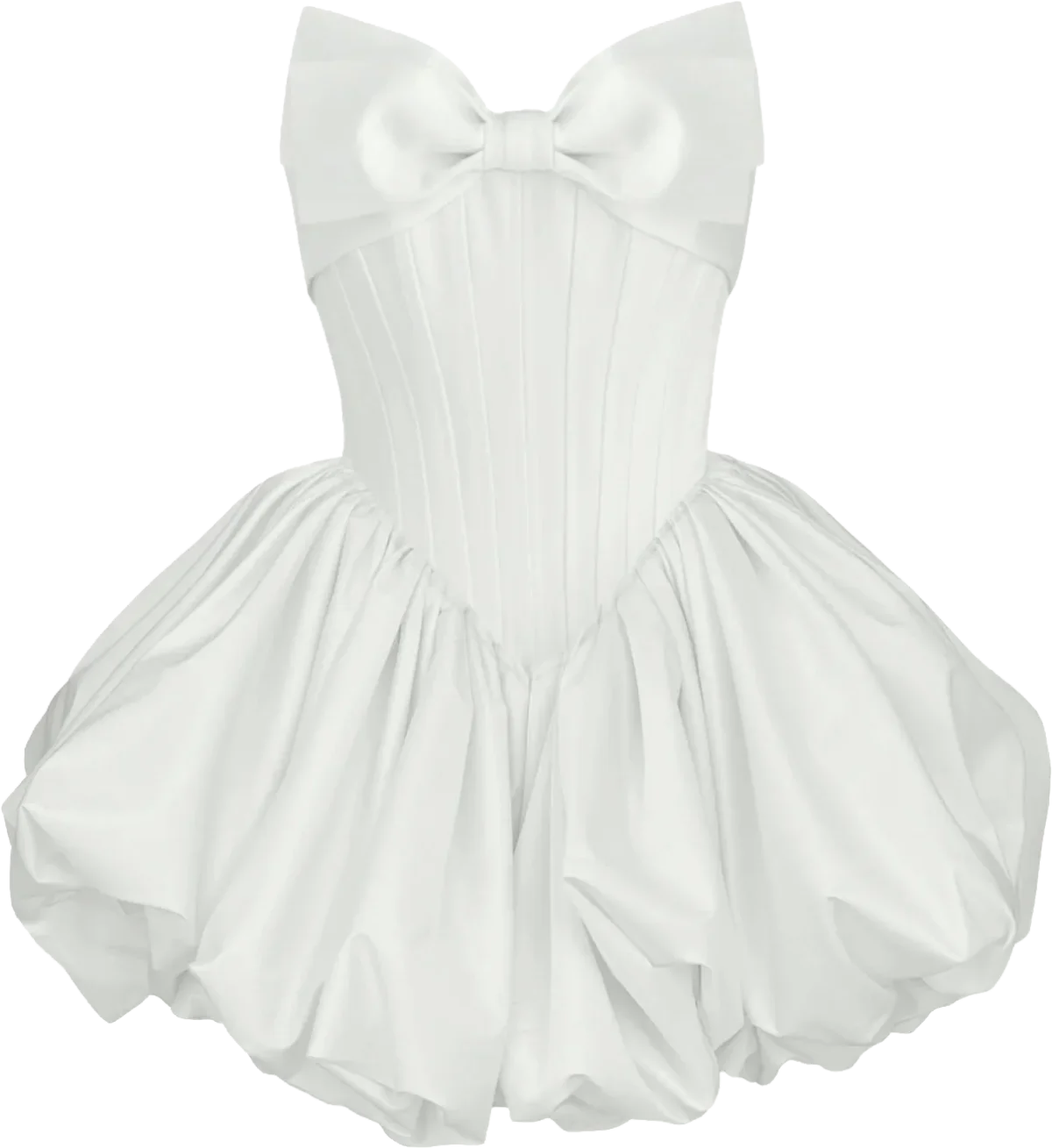
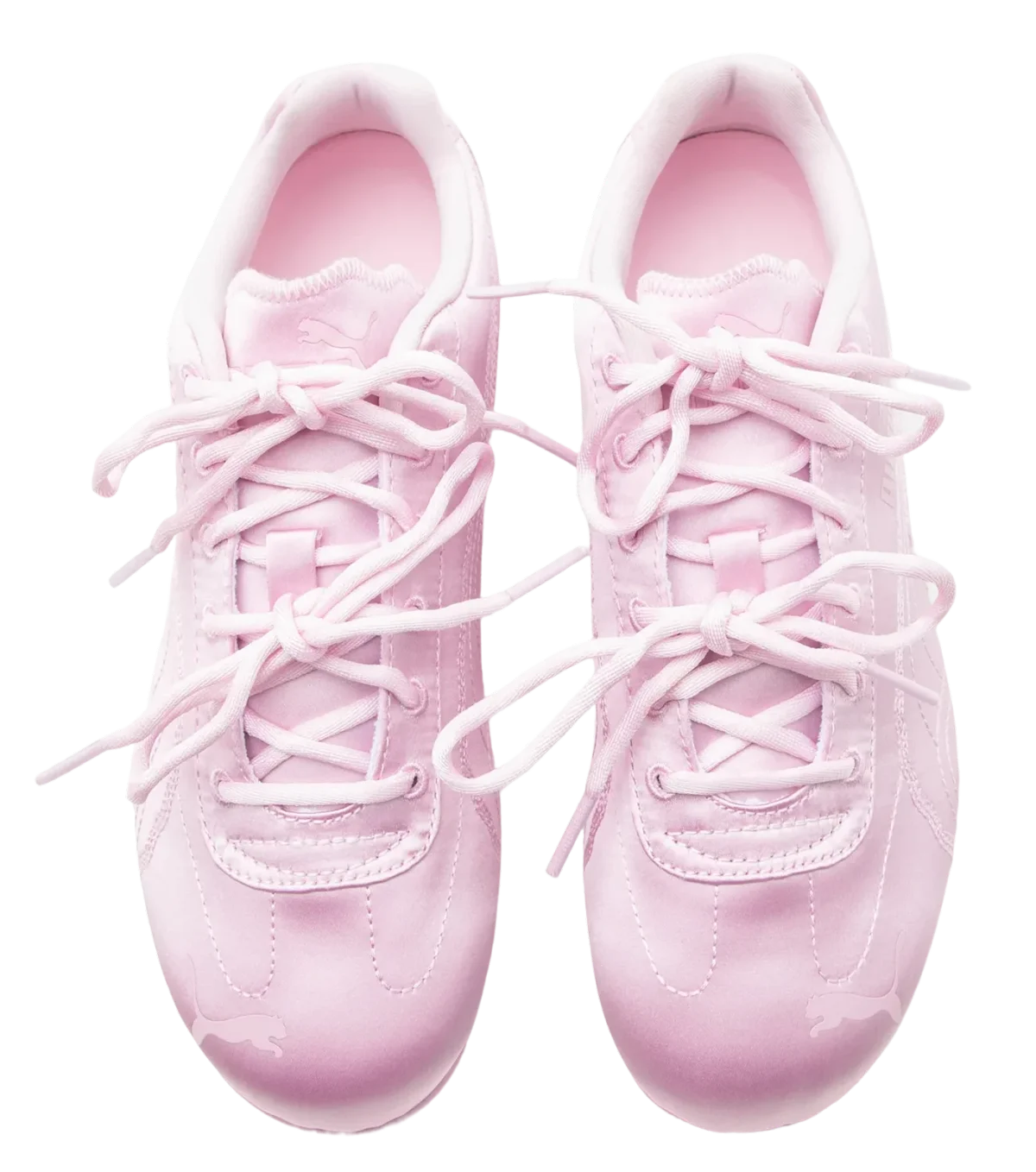
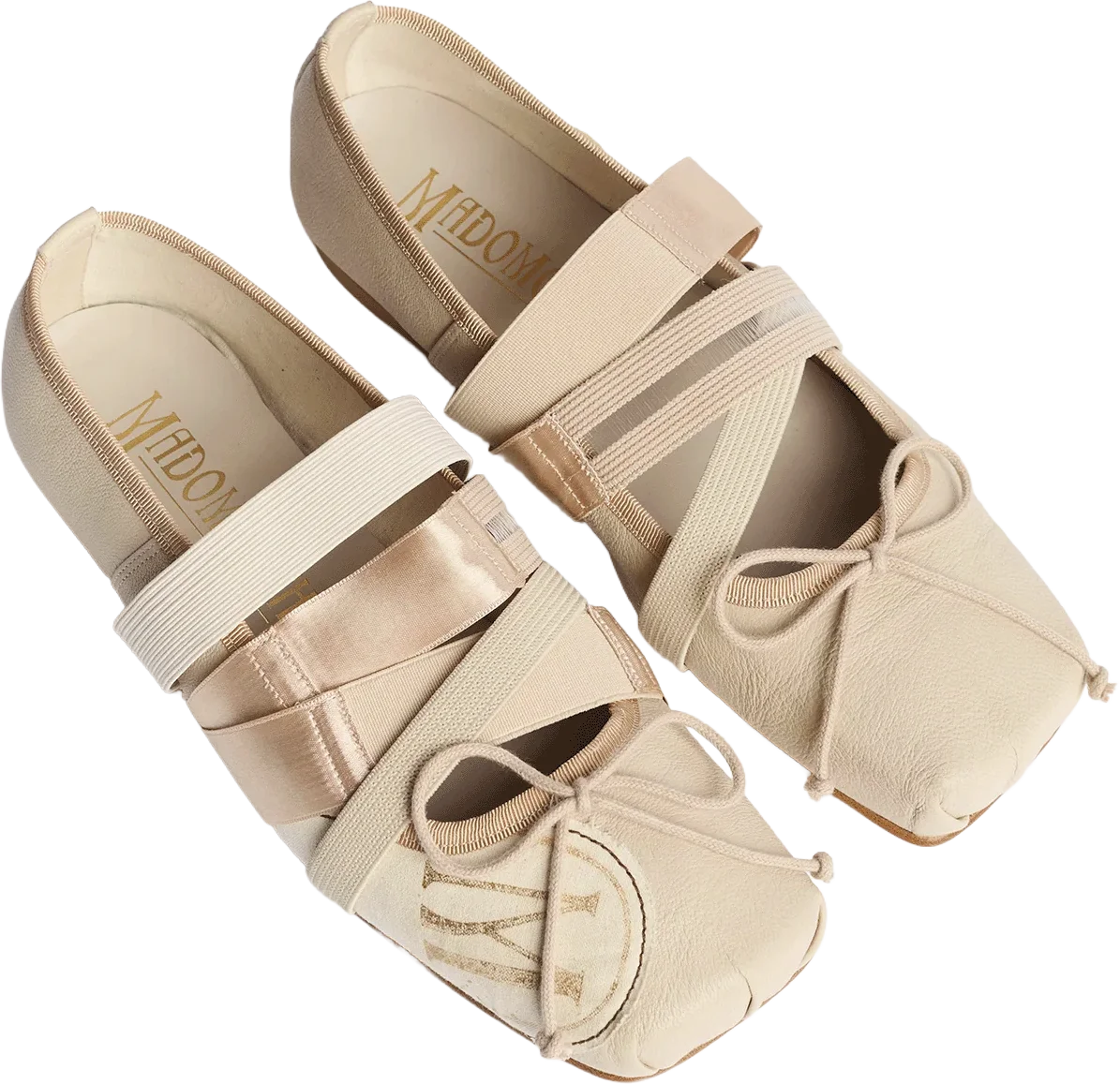
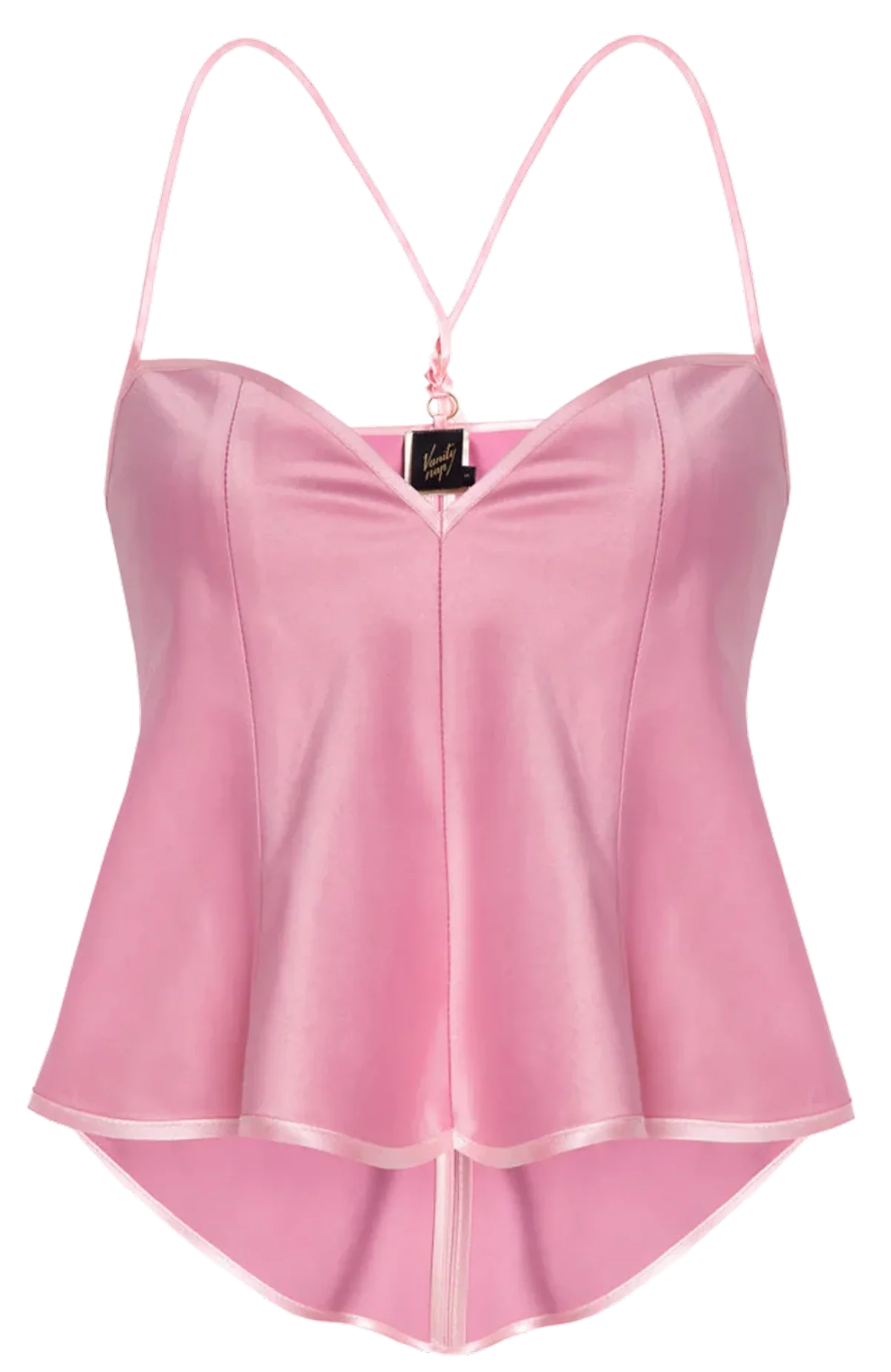
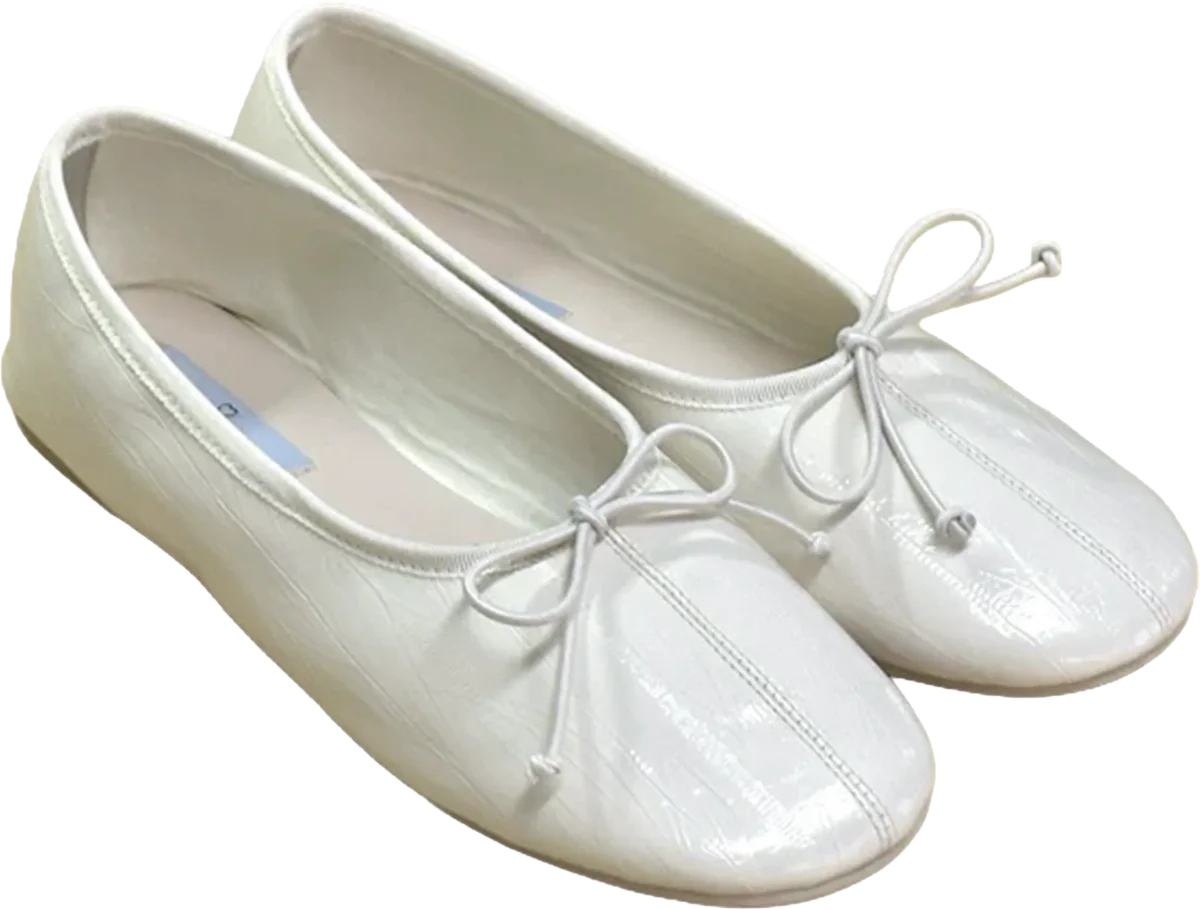
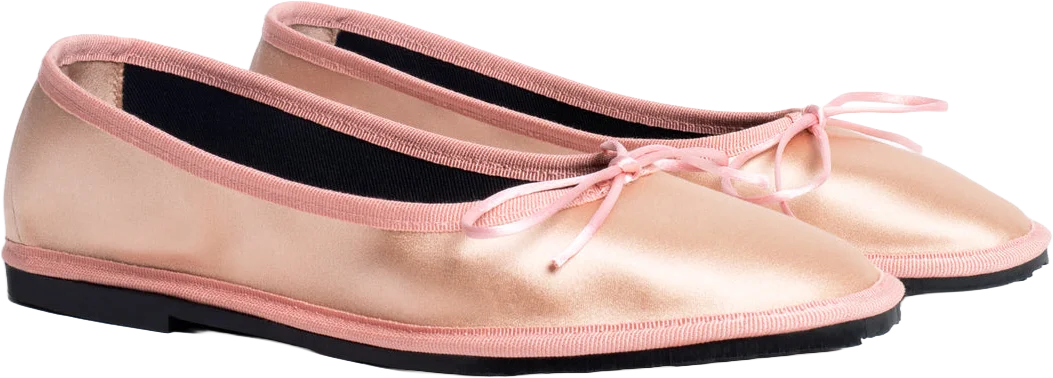
The balletcore aesthetic gathers the visual culture of classical dance into a comprehensive design vocabulary, drawing on the soft pinks of satin pointe shoes, the gauzy textures of tulle skirts, the worn leather of practice flats and the muted institutional palette of pre-revolutionary Russian ballet studios. Its rise during the early 2020s carried with it a reconsideration of the ballerina figure as a design archetype, treating the dancer's daily costume of wrapped sweaters, leg warmers and tied ribbons as a serious aesthetic statement rather than mere athletic uniform.
What distinguishes balletcore from the related currents of coquette or dollcore is its closer attention to the studio and the body in motion, the way an interior can suggest the dressing room of a working dancer rather than a romantic boudoir. Designers gravitating toward this aesthetic typically reach for blush pinks, cream and bone whites, faded peach, vintage practice mirrors, slipper chairs in pale satin, and the soft tactile range of wool wrap cardigans, silk ribbons and worn leather flats. The contemporary appeal of balletcore lies in its proposition that physical discipline and the labor of practice can themselves become decorative subjects, treating the marked floor of a studio as a kind of authored architecture.
what defines the balletcore aesthetic
Balletcore organizes itself around the visual culture of classical dance, with the soft pinks of pointe shoes, the gauzy textures of tulle, the worn leather of practice flats and the muted palette of professional studios as its primary vocabulary. The aesthetic prizes silk ribbons, wrap cardigans, leg warmers, tied bows and the warm tonal range of pale woods and faded satin associated with both the rehearsal room and the dressing table.
how does balletcore differ from coquette
Coquette draws from the broader vocabulary of romantic femininity, gathering bows, lace, pearls and the gilded surfaces of historical European boudoirs. Balletcore stays closer to the world of the working dancer, replacing the powder room with the dressing room and the lace-trimmed pillowcase with the wrapped wool cardigan and the worn satin slipper, treating the labor of practice as a central aesthetic subject.
which objects belong to a balletcore interior
A balletcore interior tends to gather satin pointe shoes displayed as decorative objects, vintage dance studio mirrors, framed photographs of ballerinas from the Russian Imperial era, slipper chairs upholstered in pale silk, wrap cardigans draped over wooden hangers, tied ribbon details and small vases of dried peonies. Decorative touches often include vintage tutu skirts hung as wall pieces, antique music stands, and small bronze sculptures of dancers in classical poses.
where does the balletcore aesthetic come from
Balletcore traces its visual sources to the documented studios and dressing rooms of professional dance companies of the late nineteenth and twentieth centuries, particularly the imagery of the Paris Opera Ballet and the Imperial Russian Ballet under Marius Petipa. Its contemporary aesthetic revival took shape on social platforms during the early 2020s, when audiences drawn to the romantic athleticism of dance began translating the visual vocabulary of the ballet studio into their wardrobes and homes.
Where can I find gift ideas?
The gift ideas page helps you find a present by mood, style and budget. You choose their intensity, their vibe and your budget with three sliders, and the page returns objects from the newitem.earth archive, each one linking to the original shop.