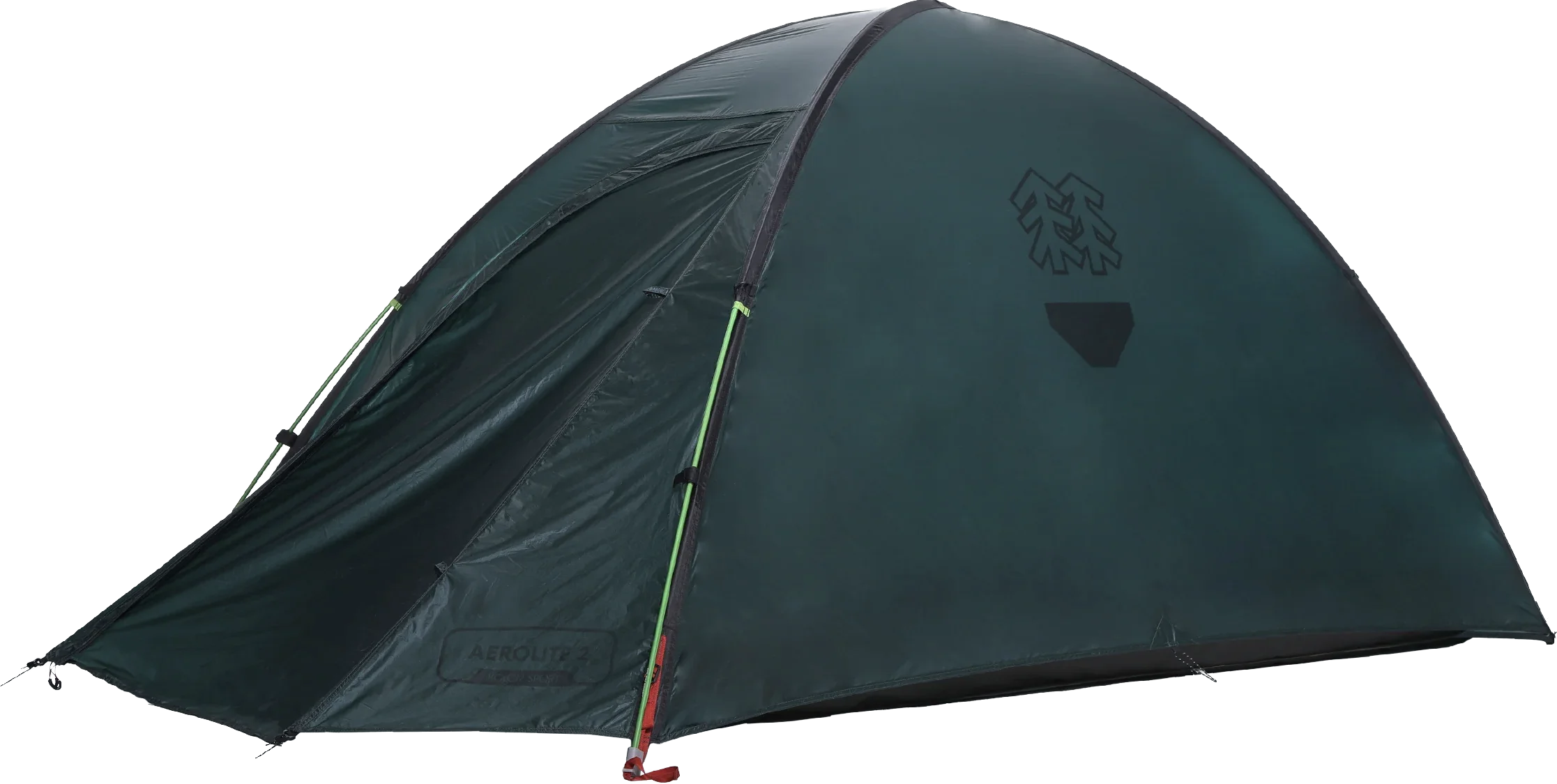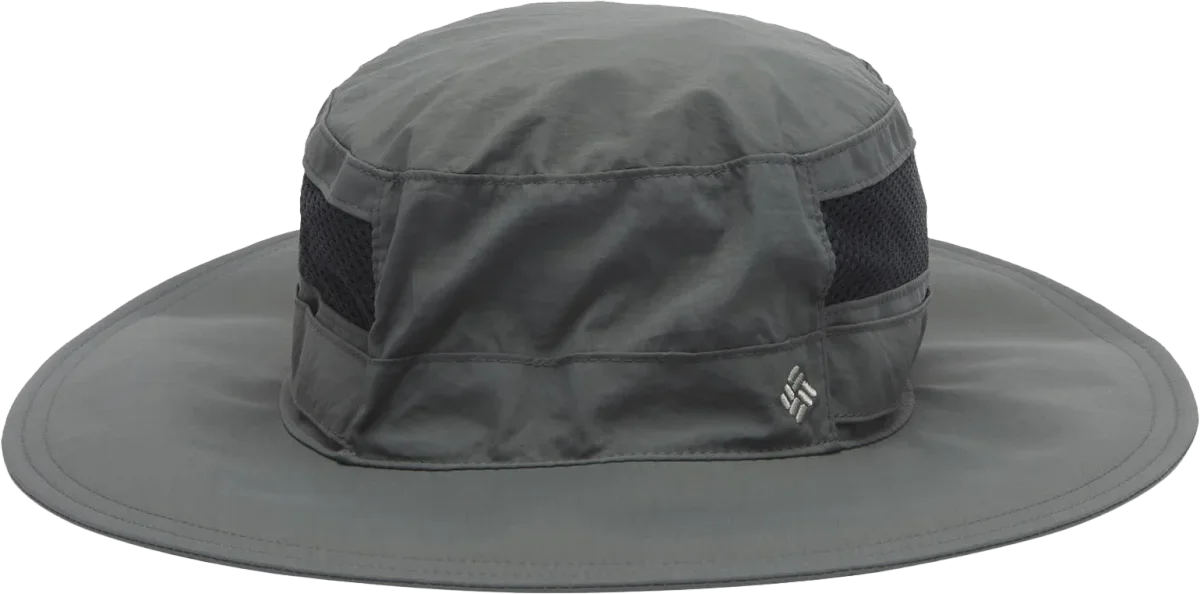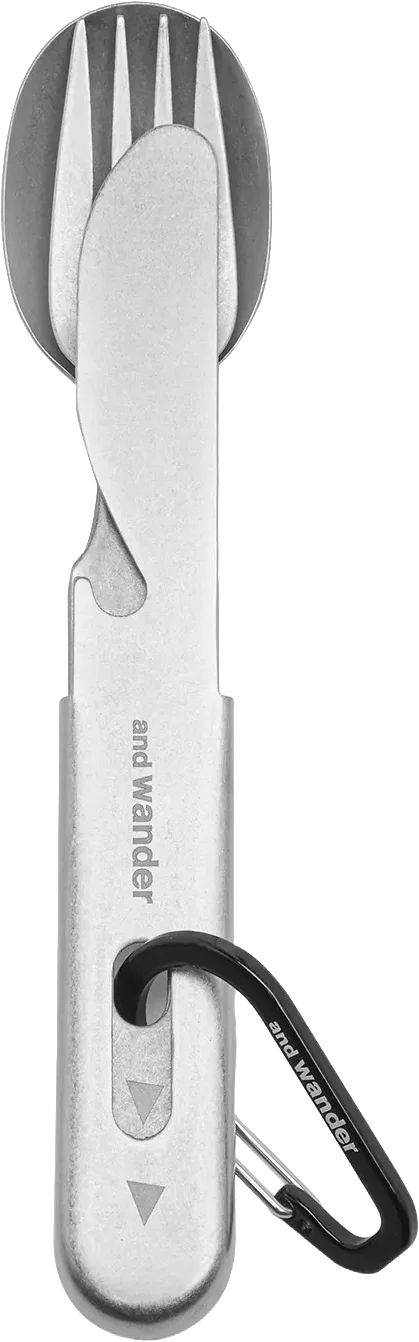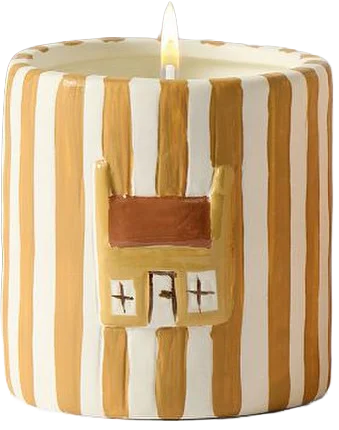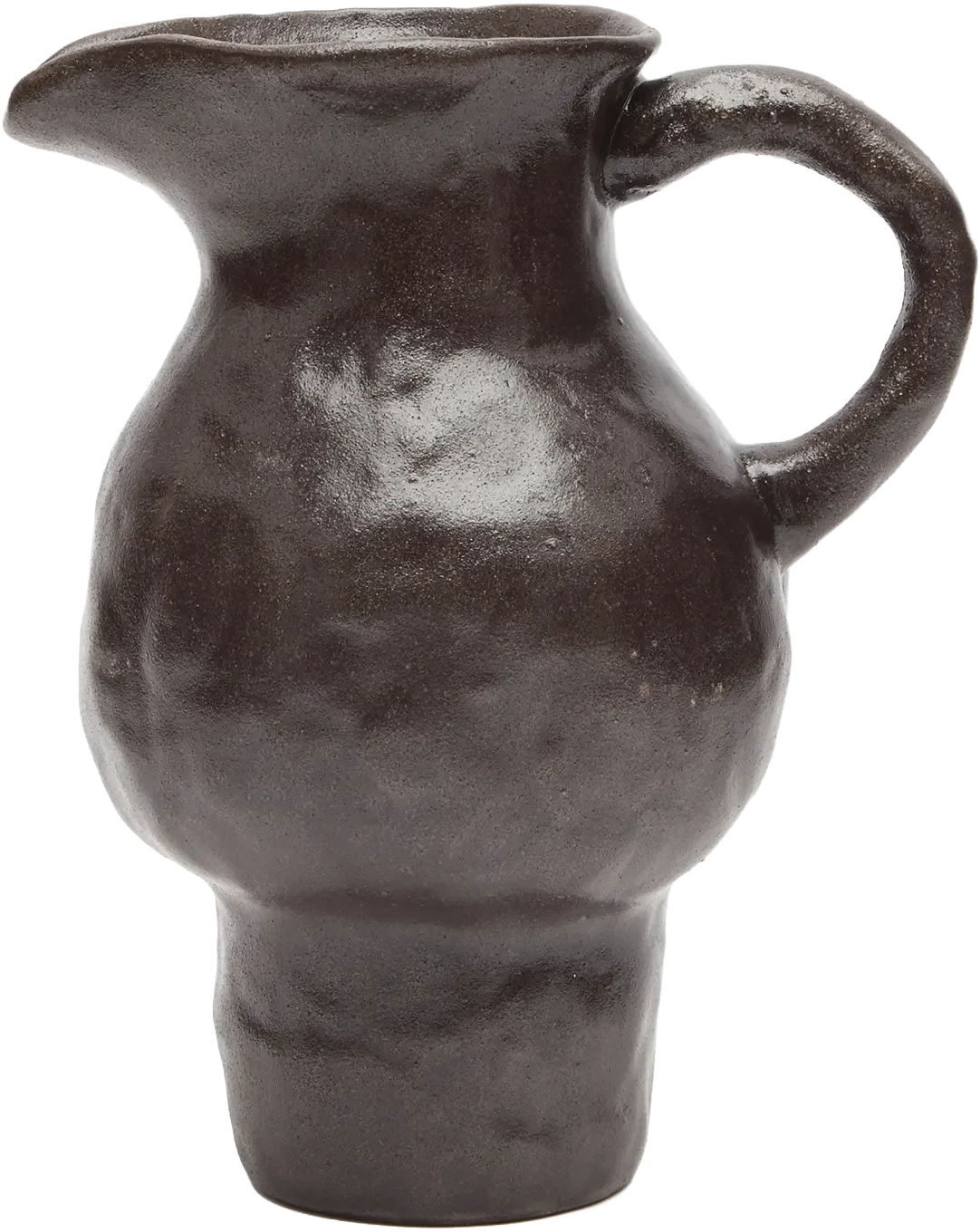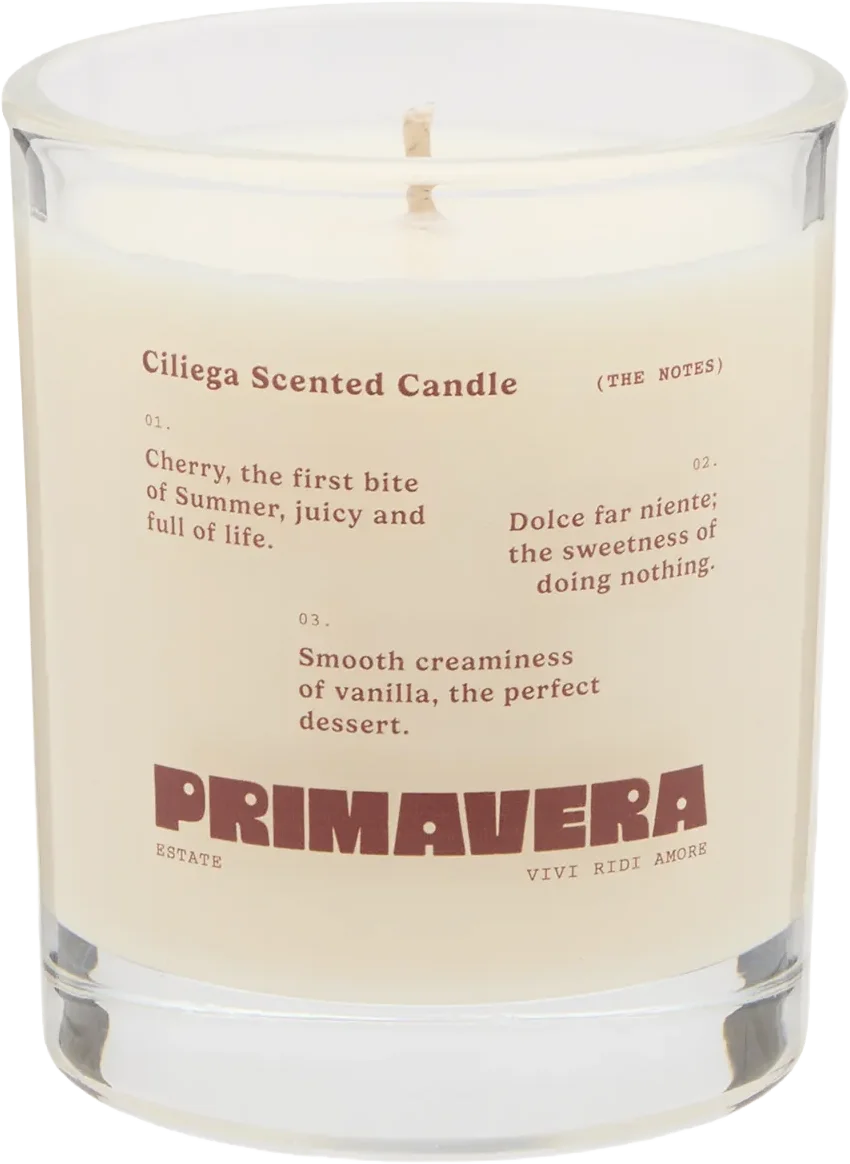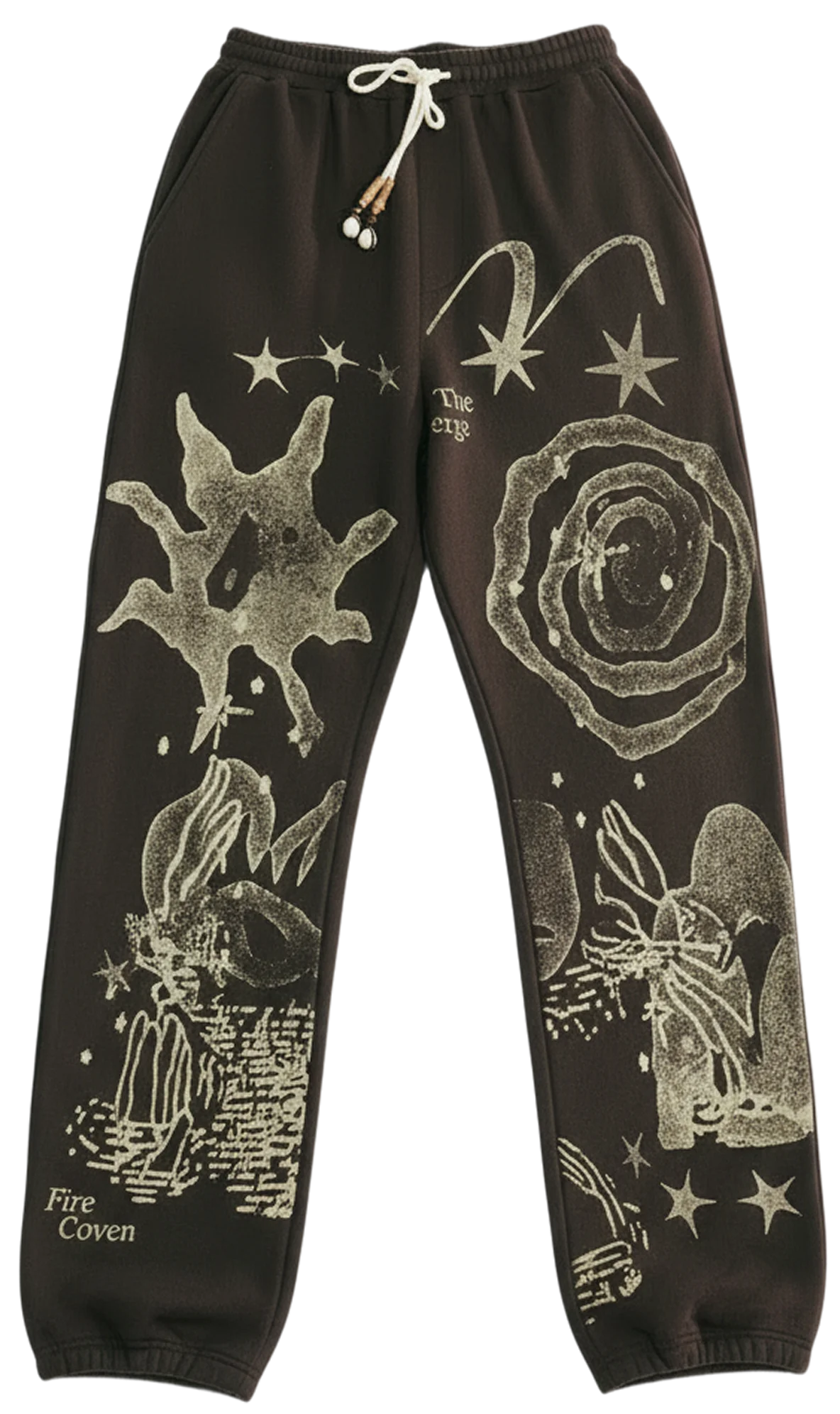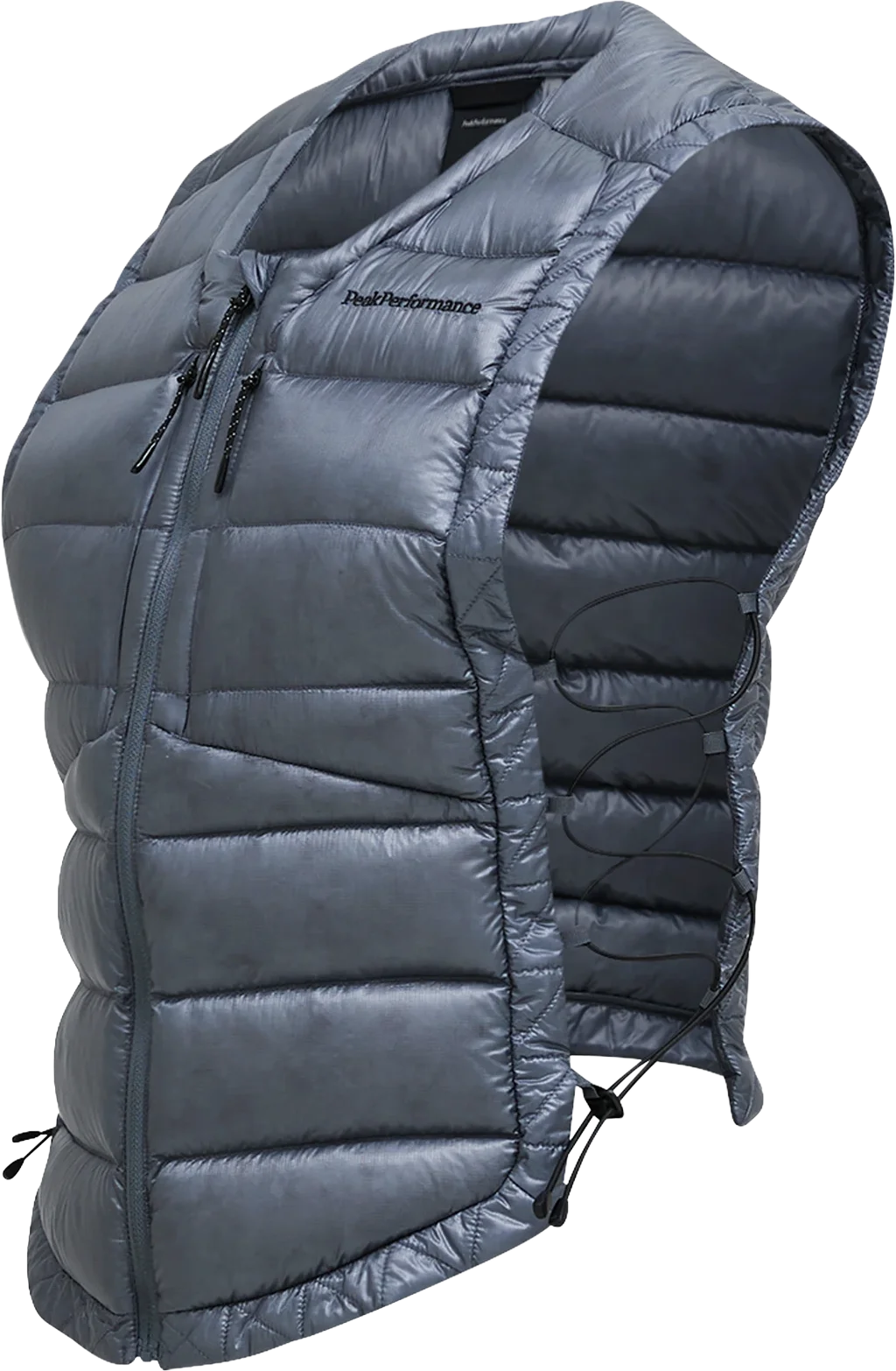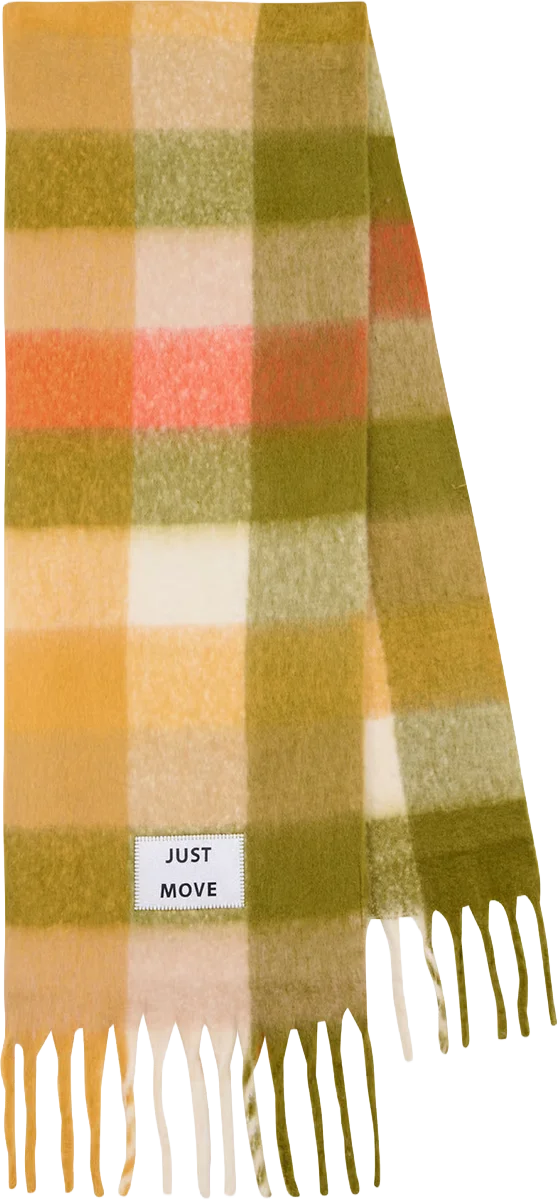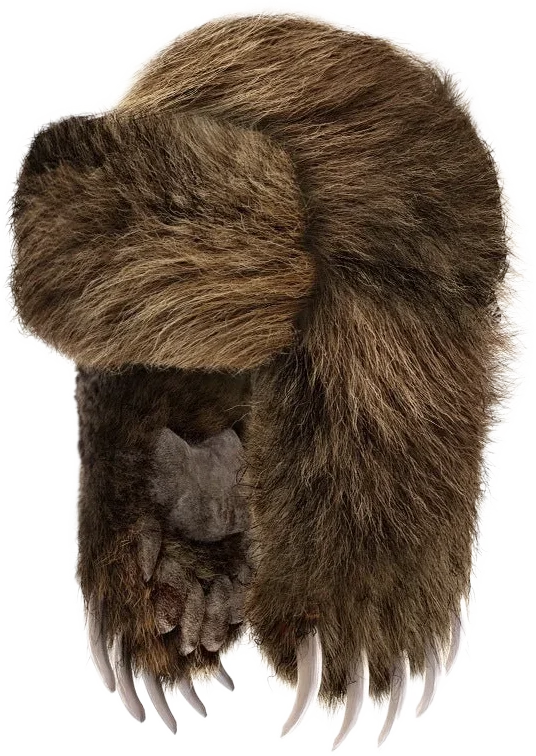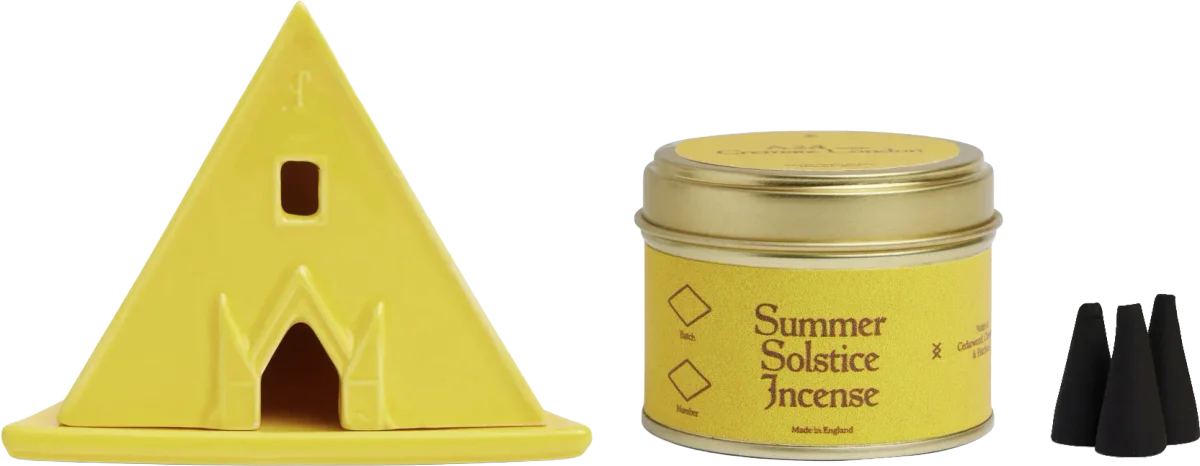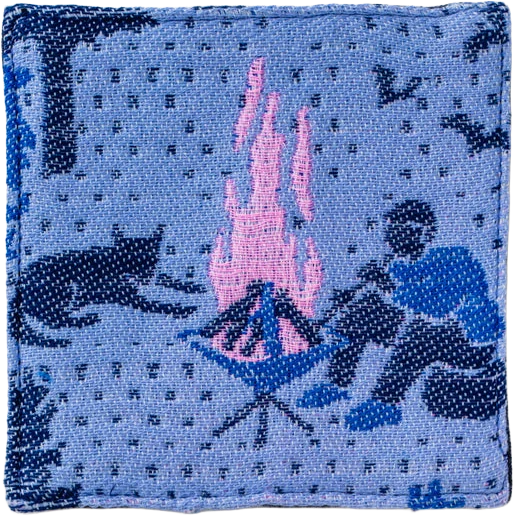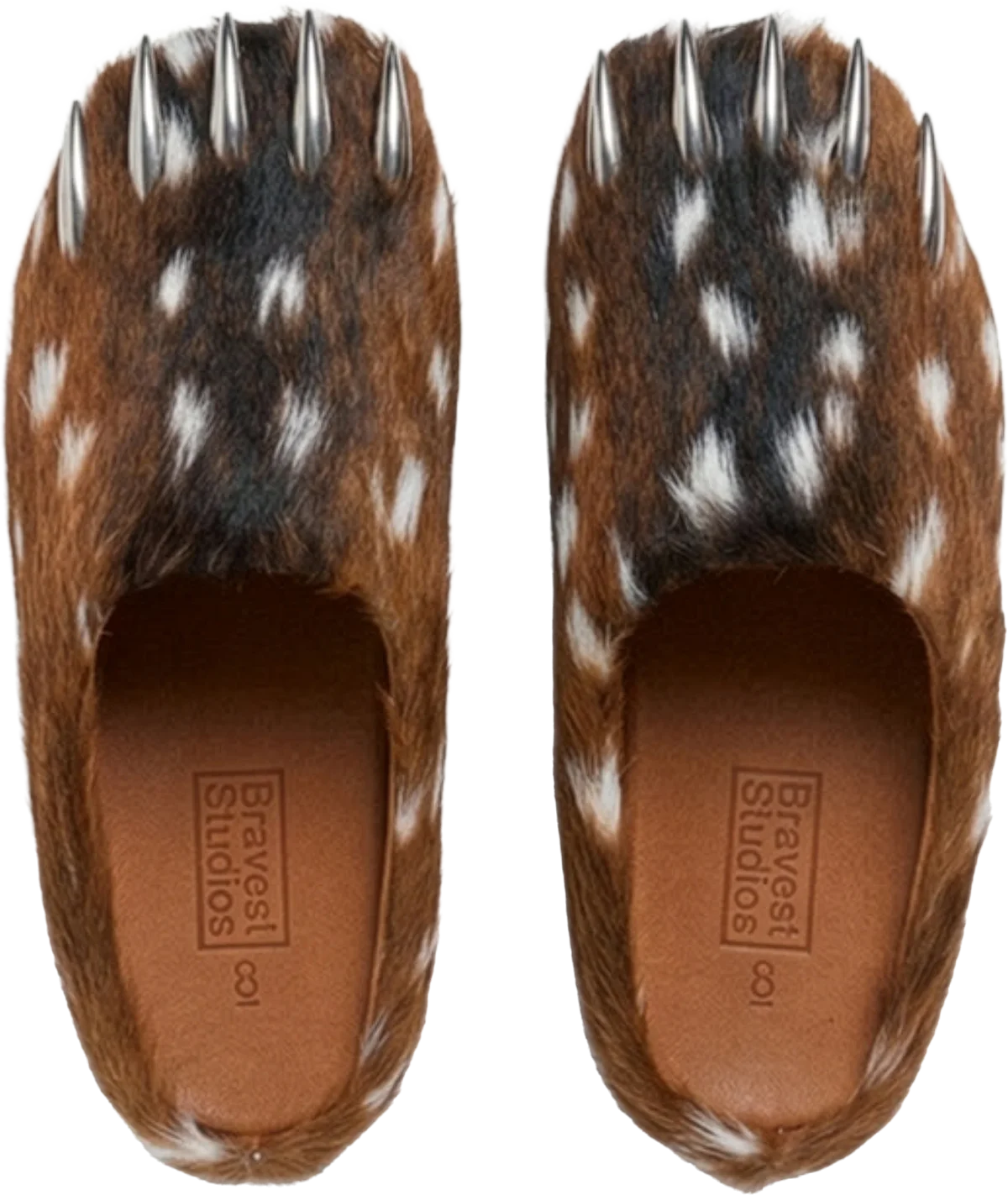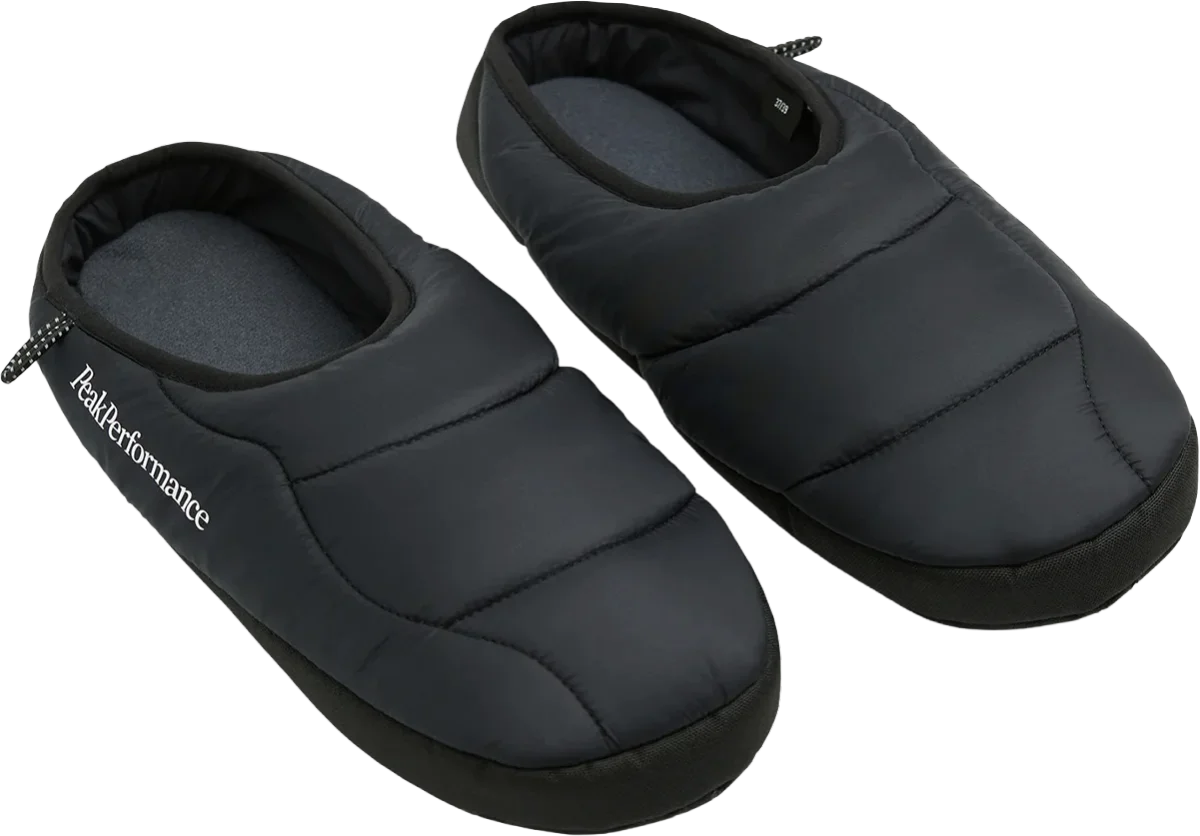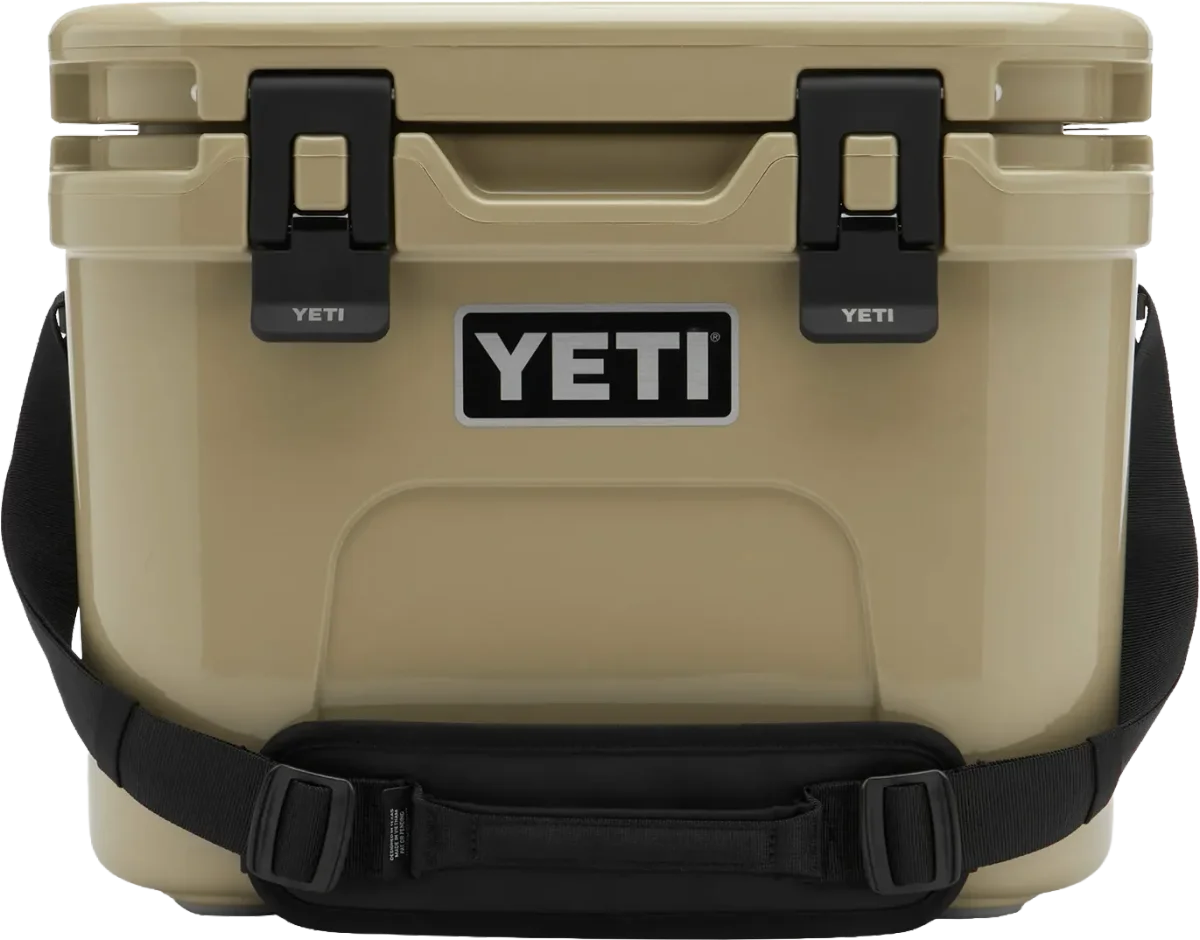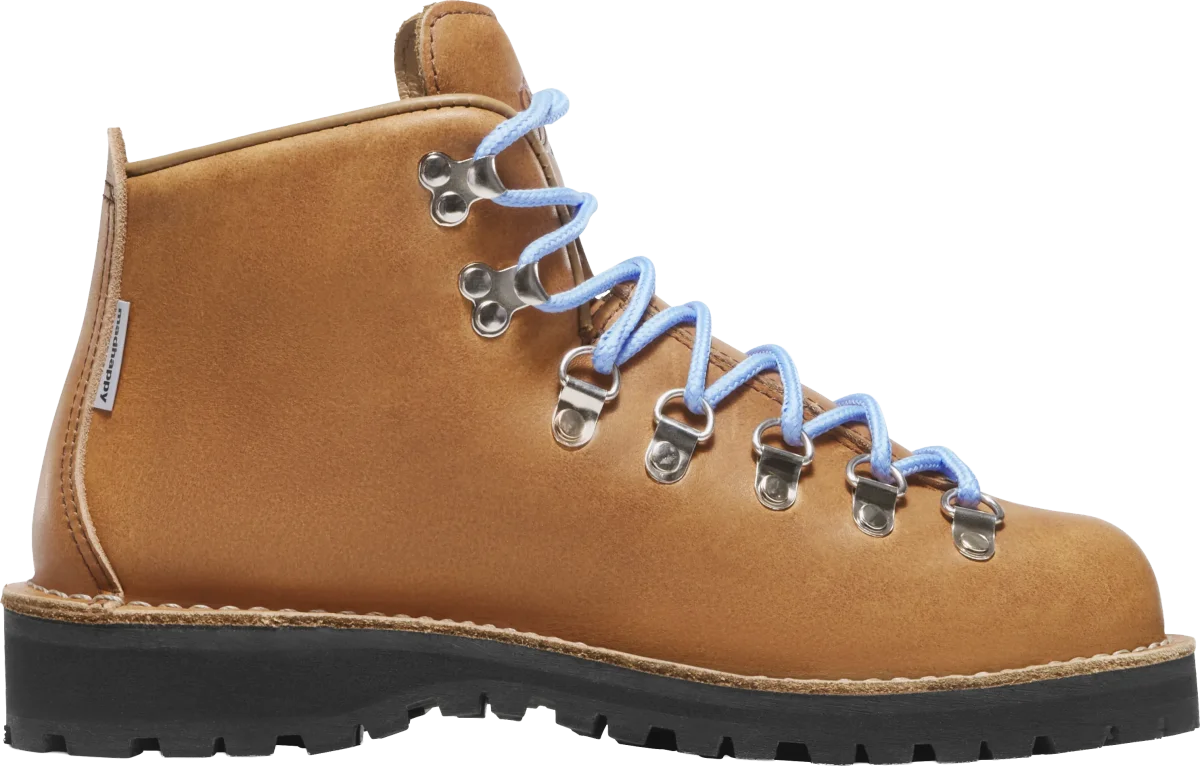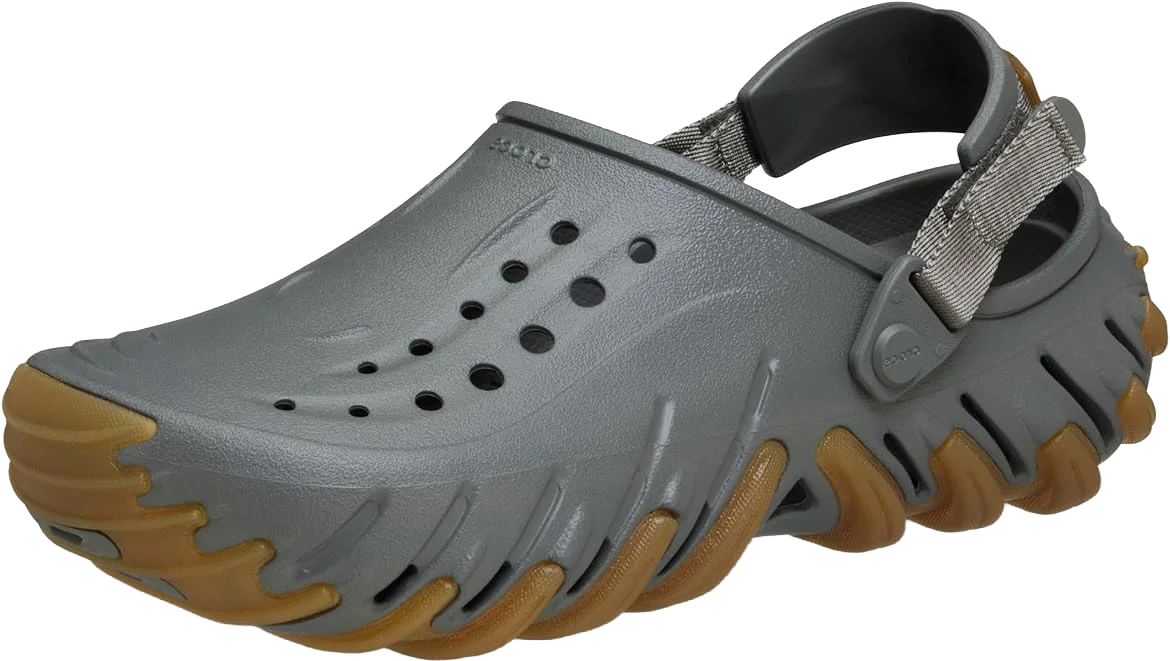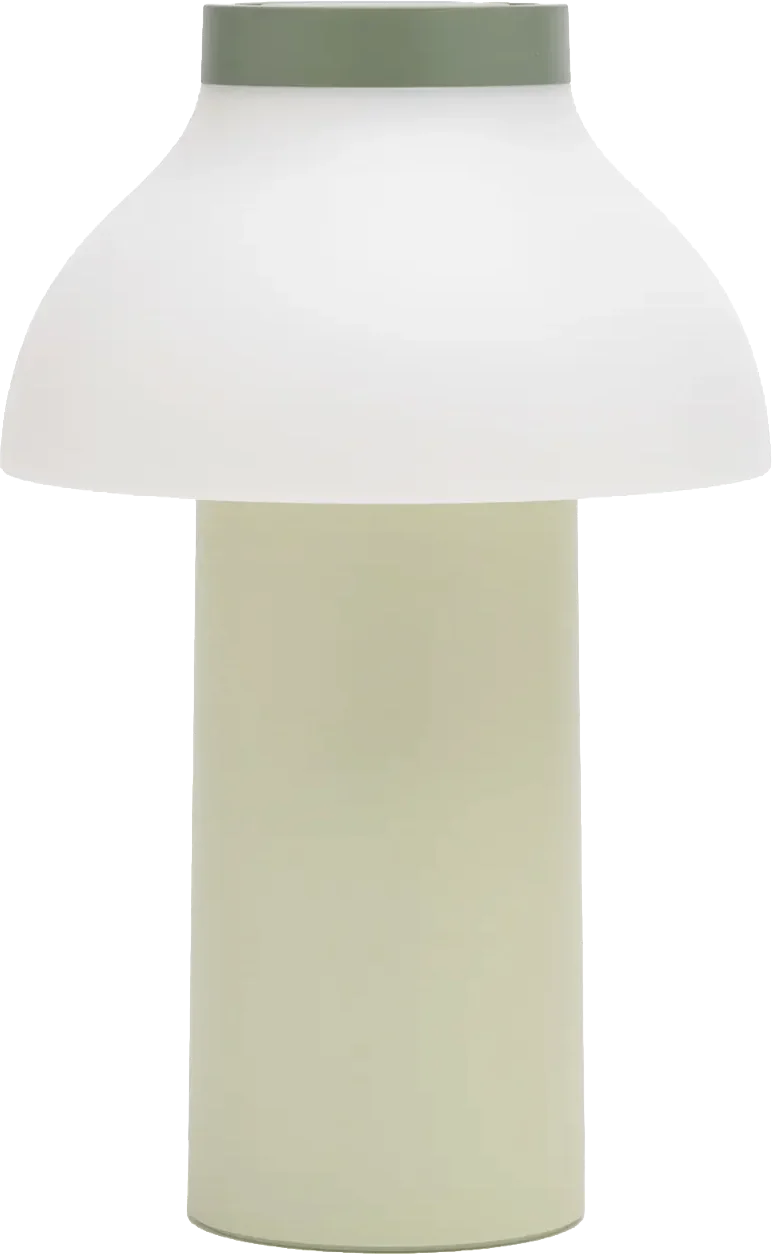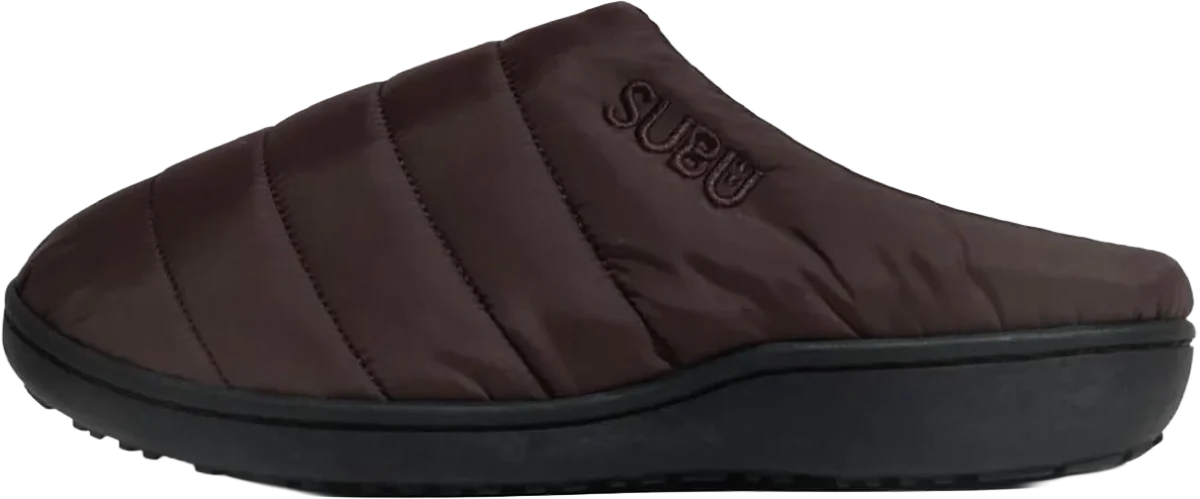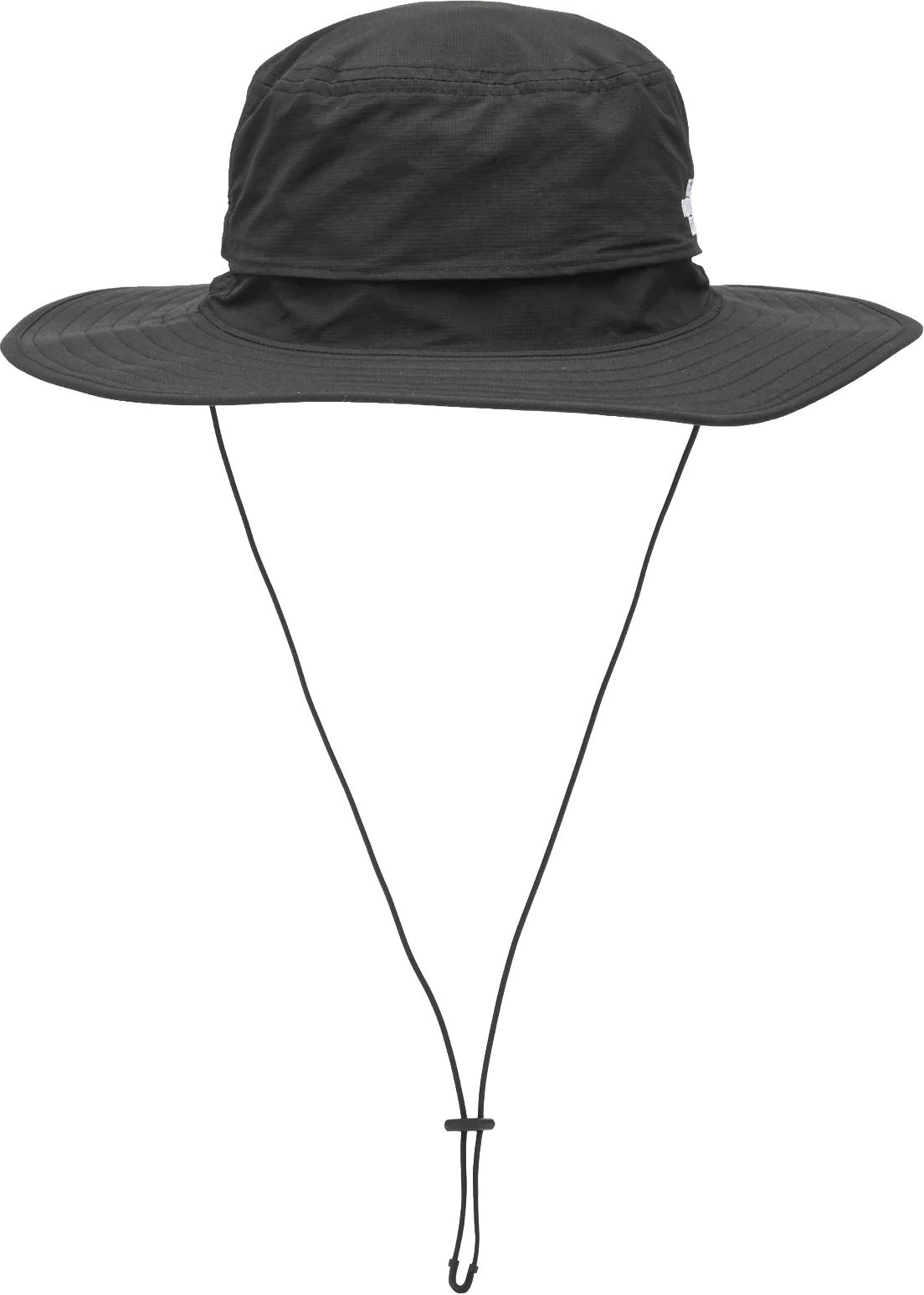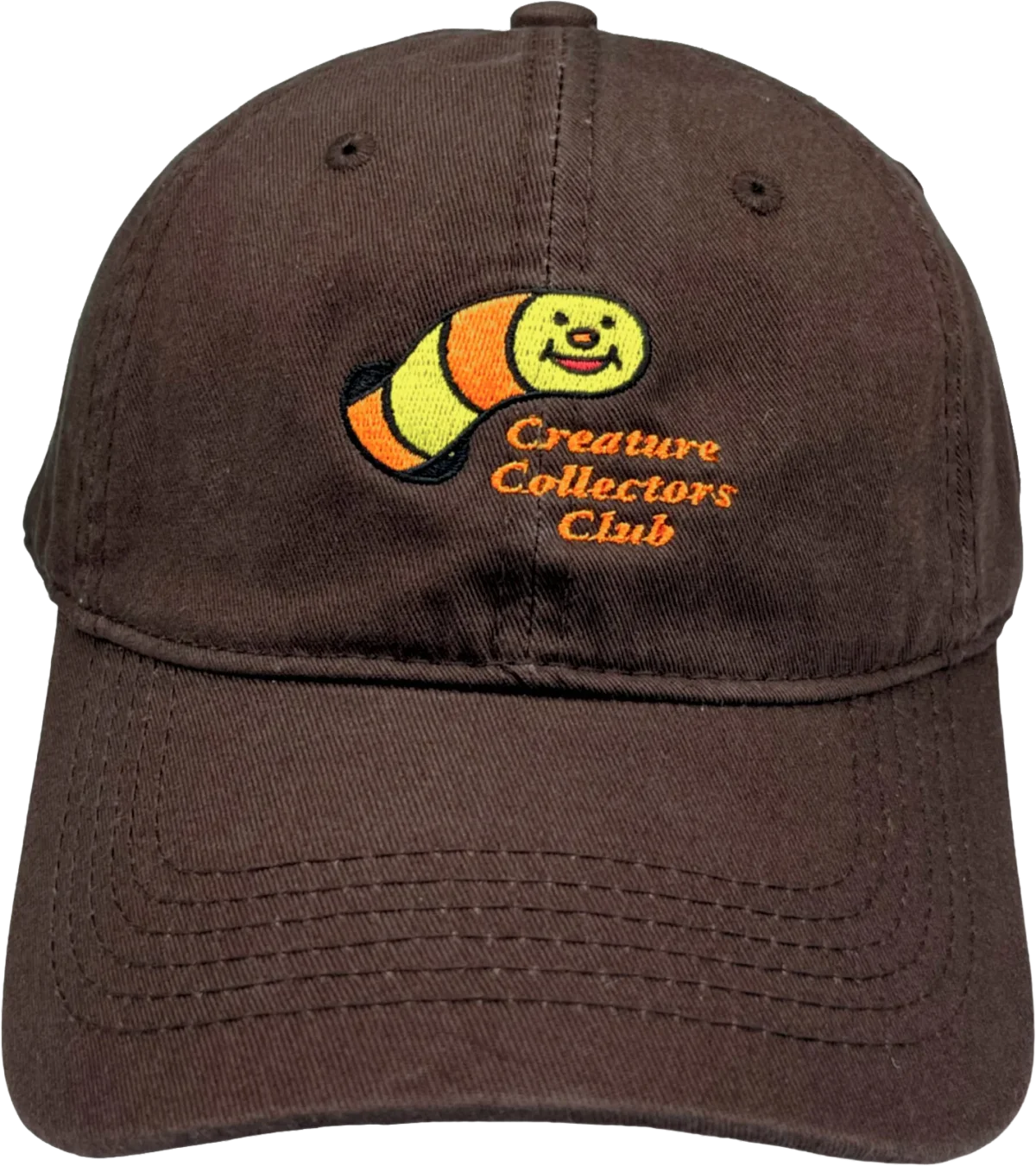
The American summer camp tradition channeled into an adult aesthetic of enamel badges, canvas packs, and hand-lettered typography, producing objects and spaces that smell metaphorically of pine needles and institutional optimism.
32 items curated
The campcore aesthetic distills the sensory archive of a childhood spent under canvas tents, pulling together the rugged simplicity of forest-service blankets, oxidized brass lanterns and enamelware mugs into a vocabulary that has become unexpectedly central to contemporary lifestyle design. Its visual grammar grew out of the mid-century summer camp tradition of New England and the Pacific Northwest, where the spare functionality of bunkhouses and lakefront cabins shaped a generation's relationship with restful objects and stripped-down interiors.
What makes campcore distinct from the broader cabincore movement is its anchoring in the temporary and the communal, with objects that suggest portability, gathering and the kind of pragmatic durability that suits an outpost rather than a permanent residence. Designers gravitating toward this aesthetic frequently reach for hudson bay stripes, waxed canvas, vintage Pendleton wool and the rust-orange palette of national park signage of the 1960s, building rooms that feel as much like a layover at base camp as a finished space. Its appeal in the present moment owes much to a growing wish, particularly among urban audiences, for interiors that carry the muscular informality of outdoor life into the everyday.
Campcore organizes itself around the visual codes of mid-twentieth century summer camps and outdoor outposts, combining utility-grade textiles such as waxed canvas, wool blankets and ripstop nylon with the warm woods and brass hardware of cabin construction. The aesthetic prizes objects that can be carried, stacked or hung from a peg, and its color palette tends to favor forest green, ochre, navy and the faded oranges of vintage tent fabric.
Cabincore tends to commit to a fixed and seasonal interior, often built around a fireplace, sheepskin rugs and the heavier silhouettes of permanent residence, while campcore stays closer to the spirit of arrival and departure. Where cabincore furnishes a great room for long winters, campcore lays out an interior that could be packed into trunks by Sunday evening, choosing folding stools, woven duffels and enamel cookware over the heavier furniture of a year-round retreat.
A campcore interior typically gathers vintage Pendleton blankets, brass and copper lanterns, enamelware in cream and red, canvas roll-up bags and the kind of folding wooden chairs once standard issue in scout halls. Cast-iron cookware, leather-trimmed canteens, wool plaid throws and souvenir pennants from national parks of the mid-century era often round out the vocabulary, layered against simple pine surfaces or unfinished plaster walls.
Campcore traces its visual ancestry to the organized summer camp movement that spread across the United States and Canada from the 1910s through the 1970s, drawing on the institutional design of the Adirondack lodges, the YMCA cabins and the national park visitor centers built during the era of the New Deal. Its contemporary resurgence has been carried along by the broader return to outdoor recreation that followed the early 2020s, particularly among design-literate audiences who began collecting vintage camp gear as wearable and displayable objects.
The gift ideas page helps you find a present by mood, style and budget. You choose their intensity, their vibe and your budget with three sliders, and the page returns objects from the newitem.earth archive, each one linking to the original shop.