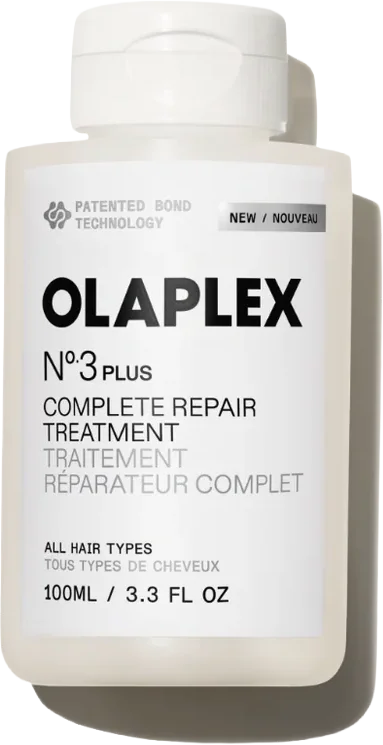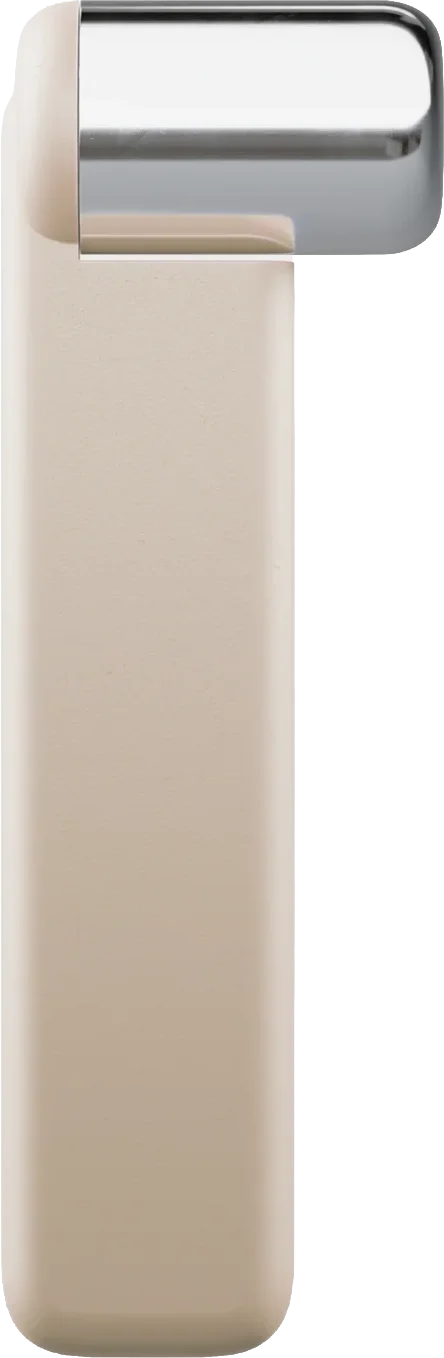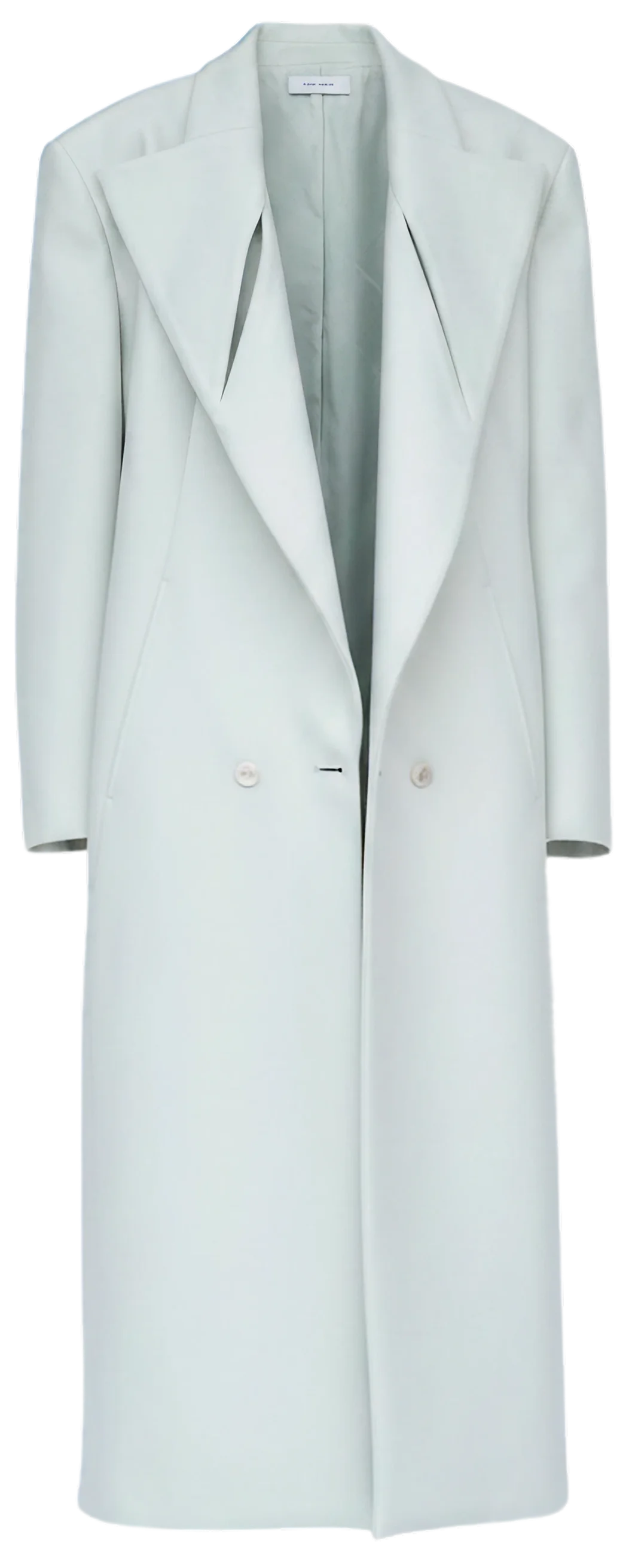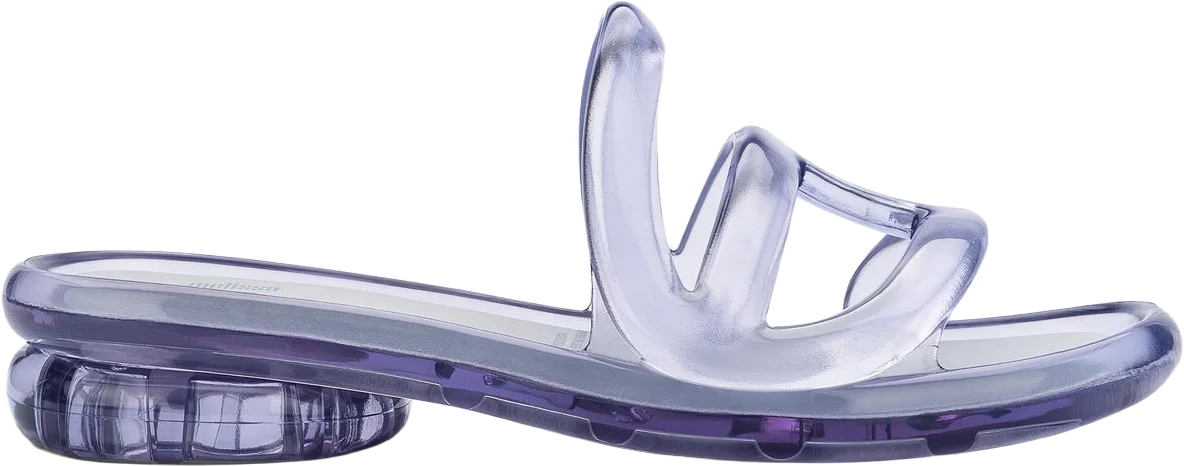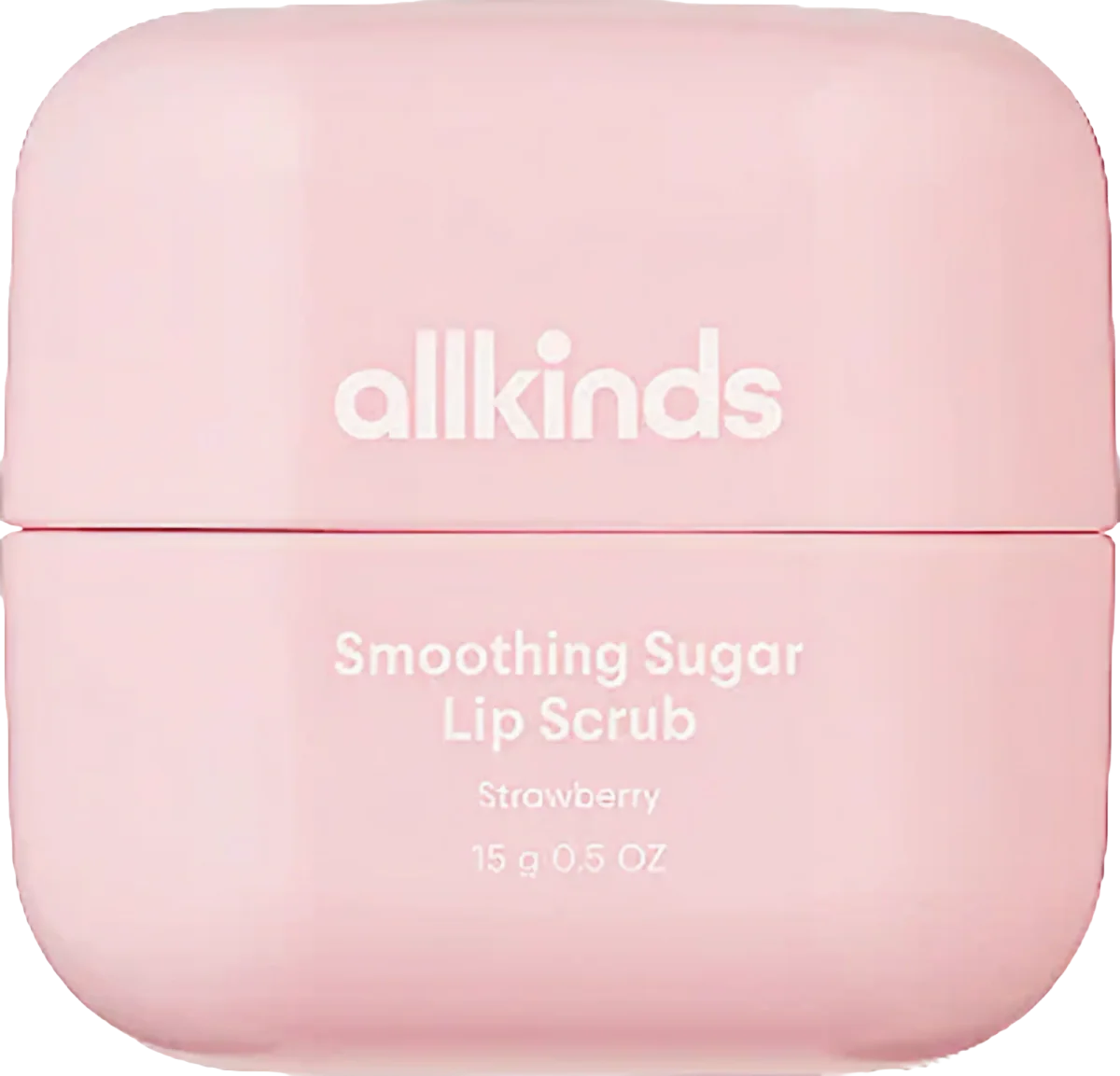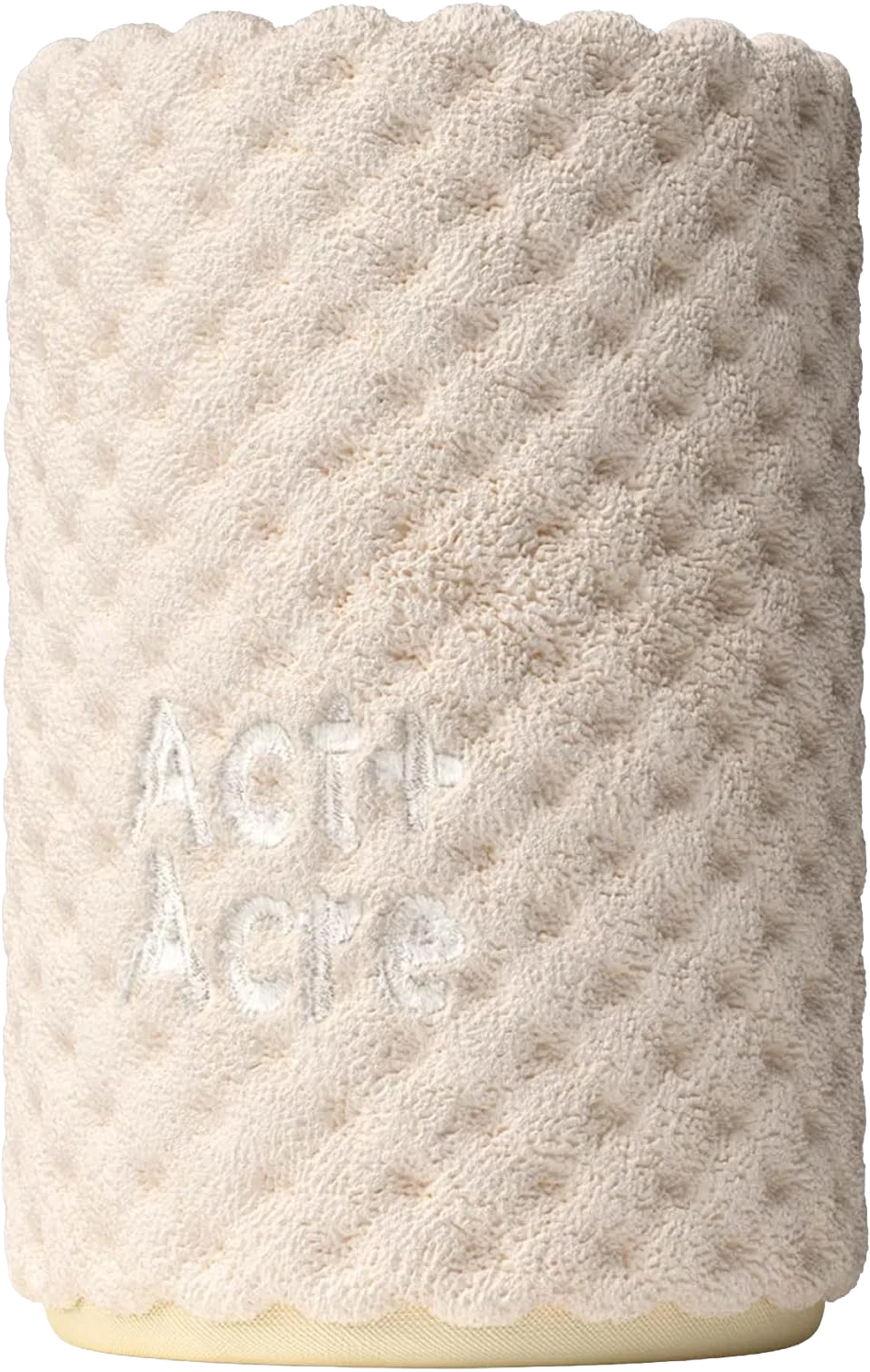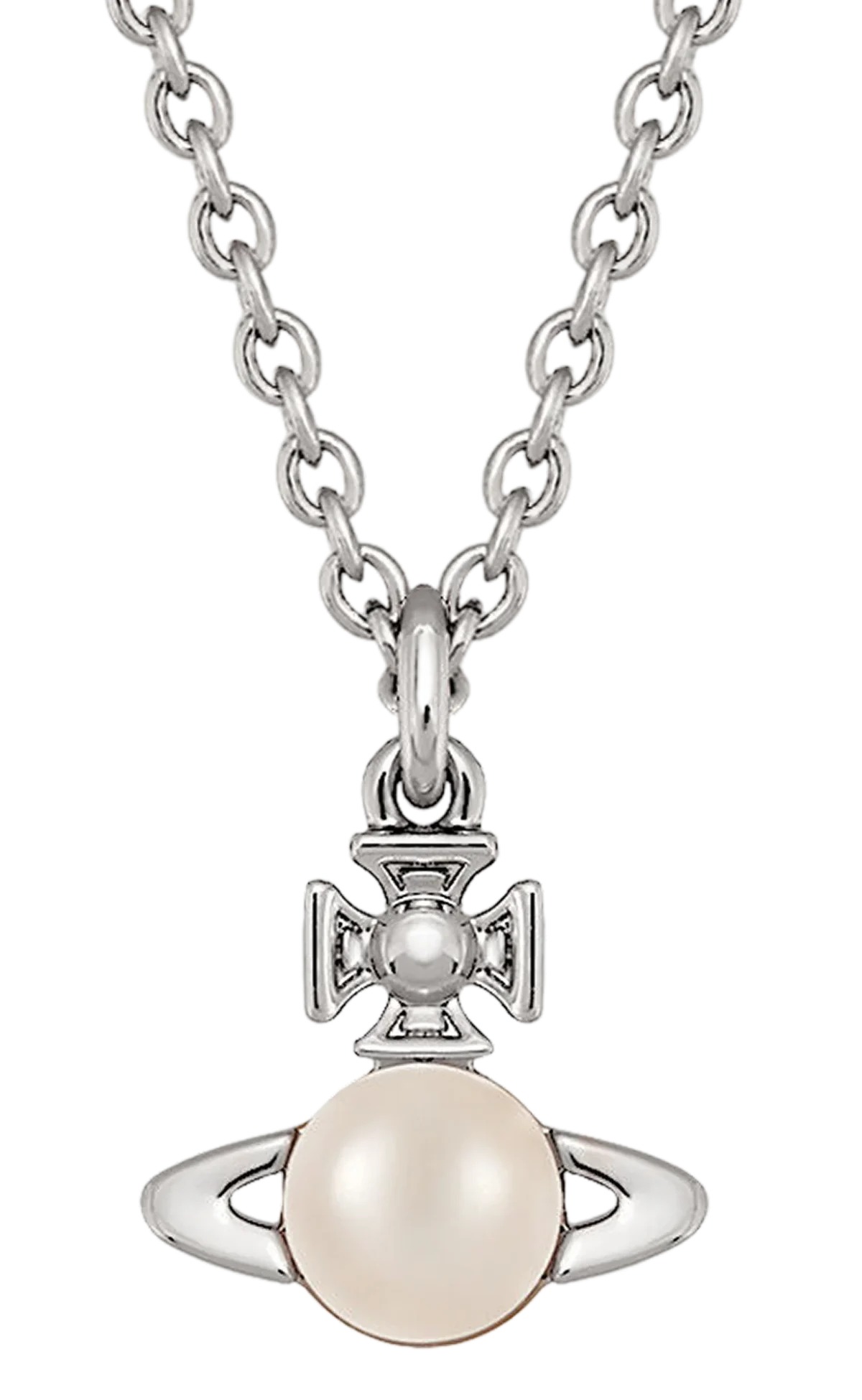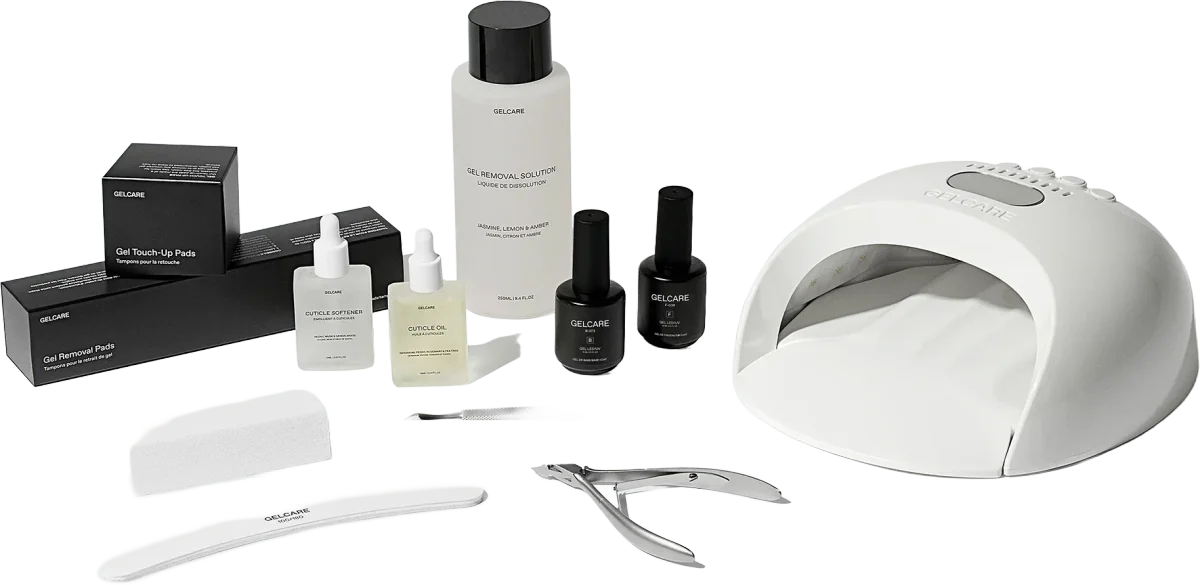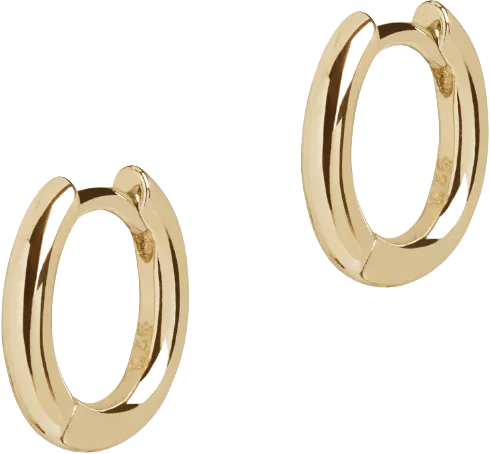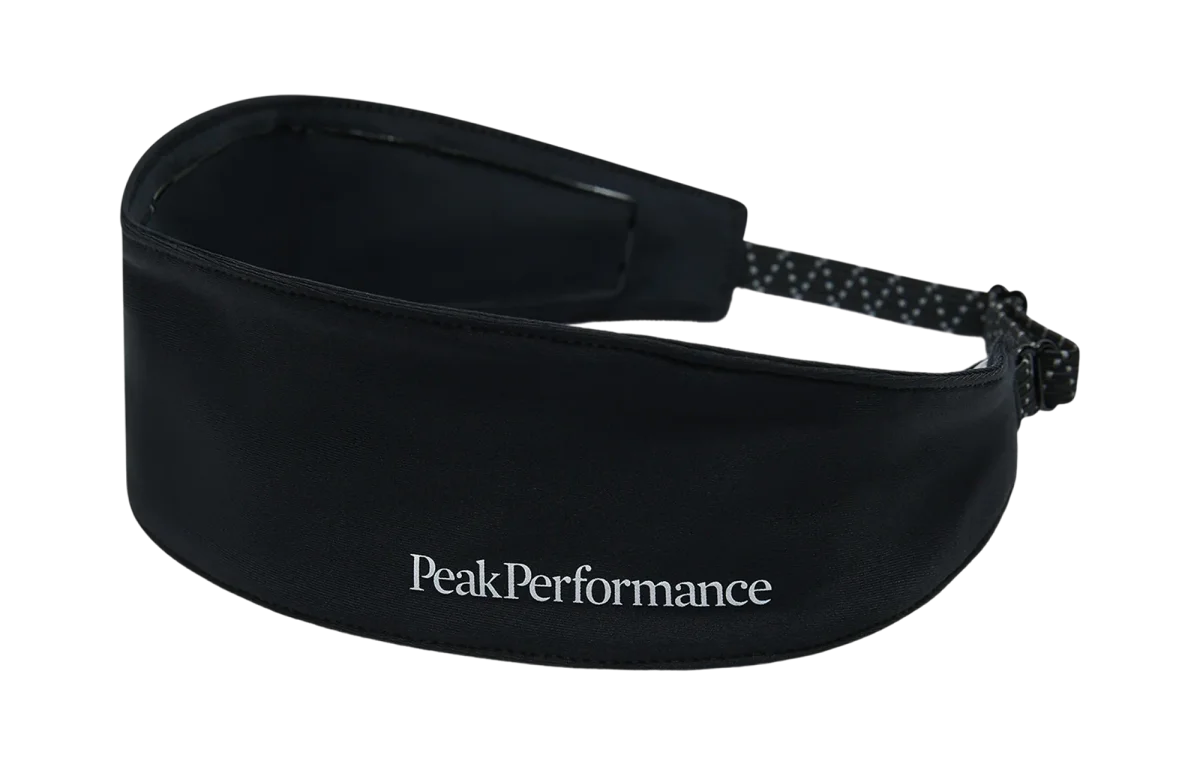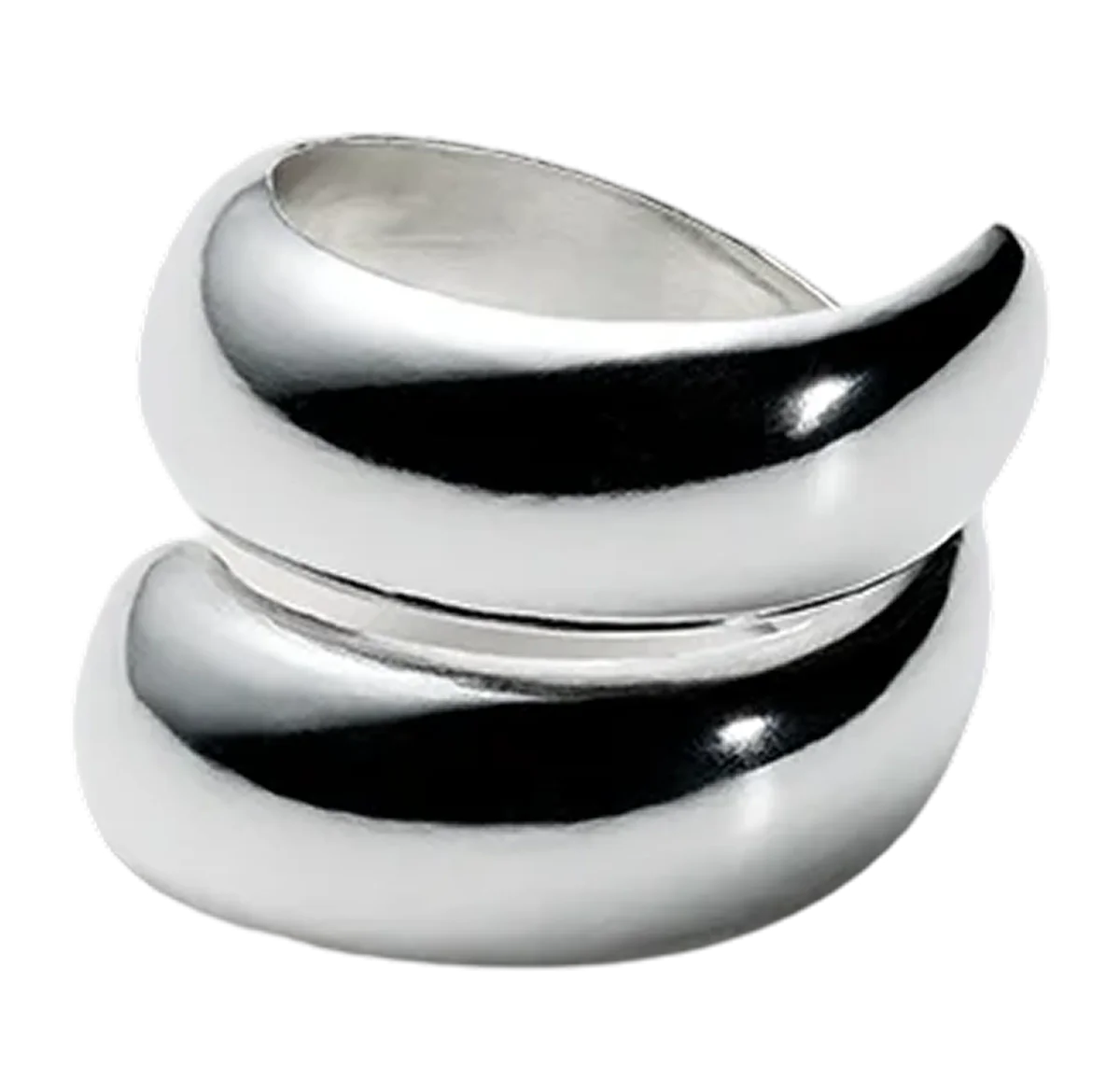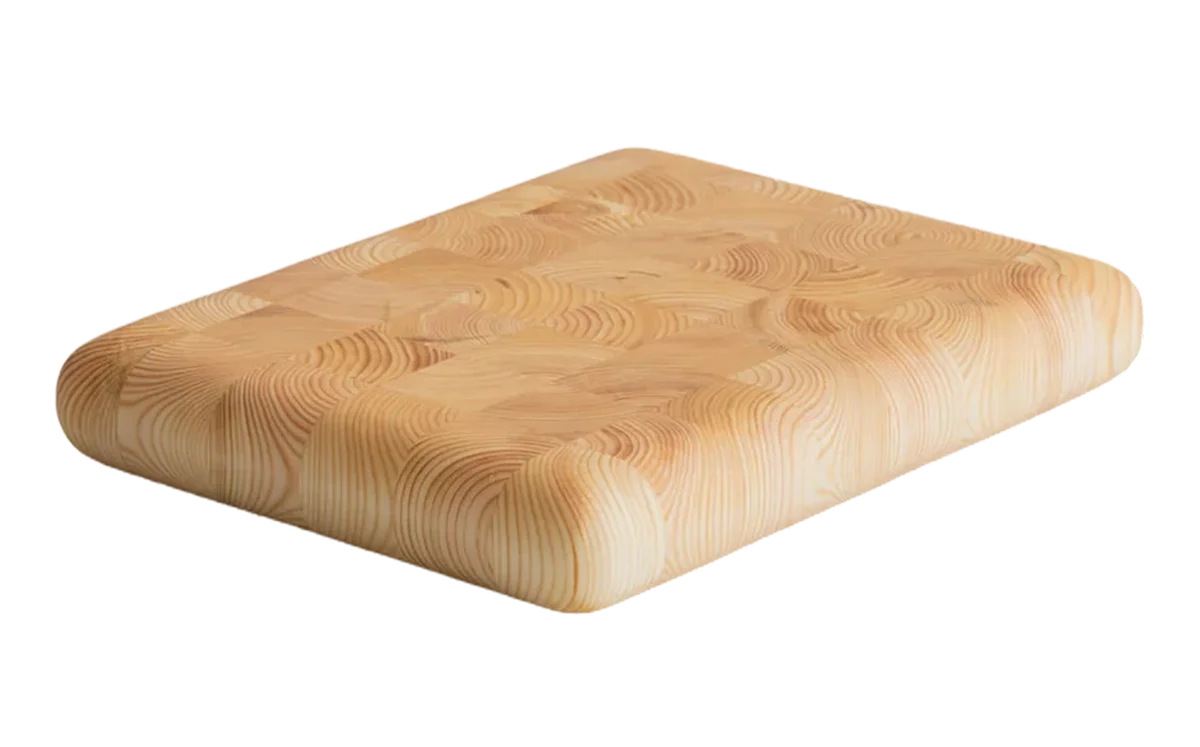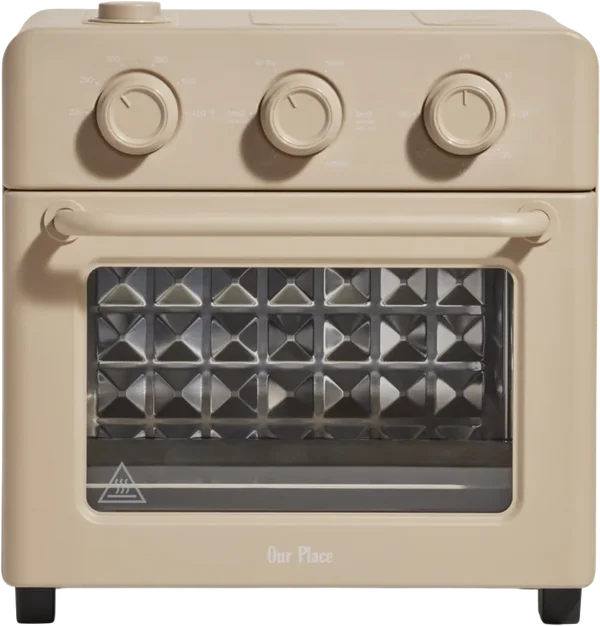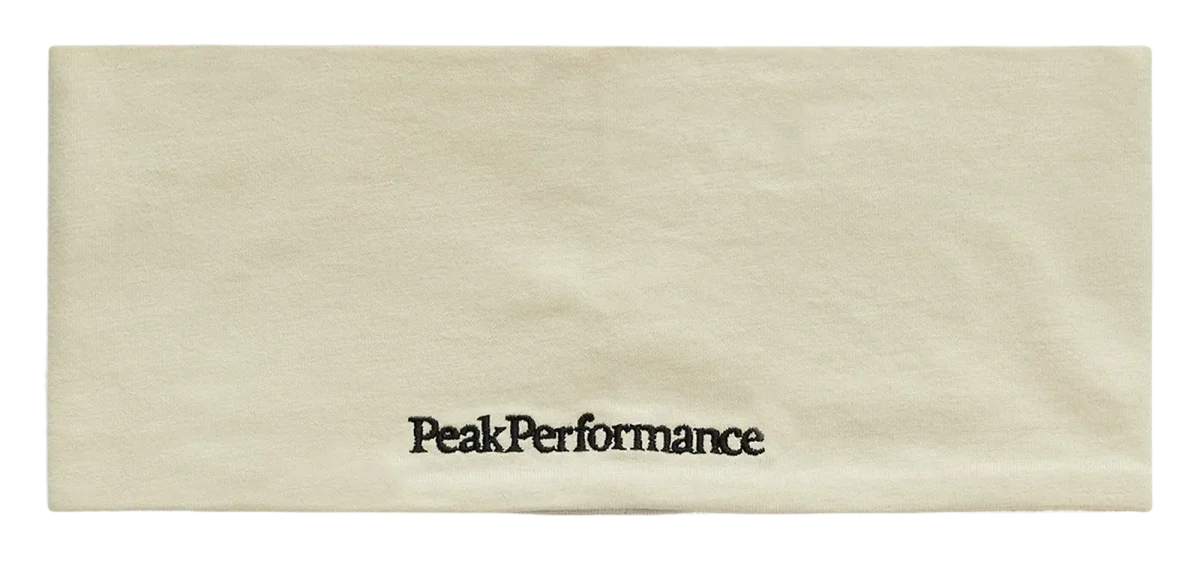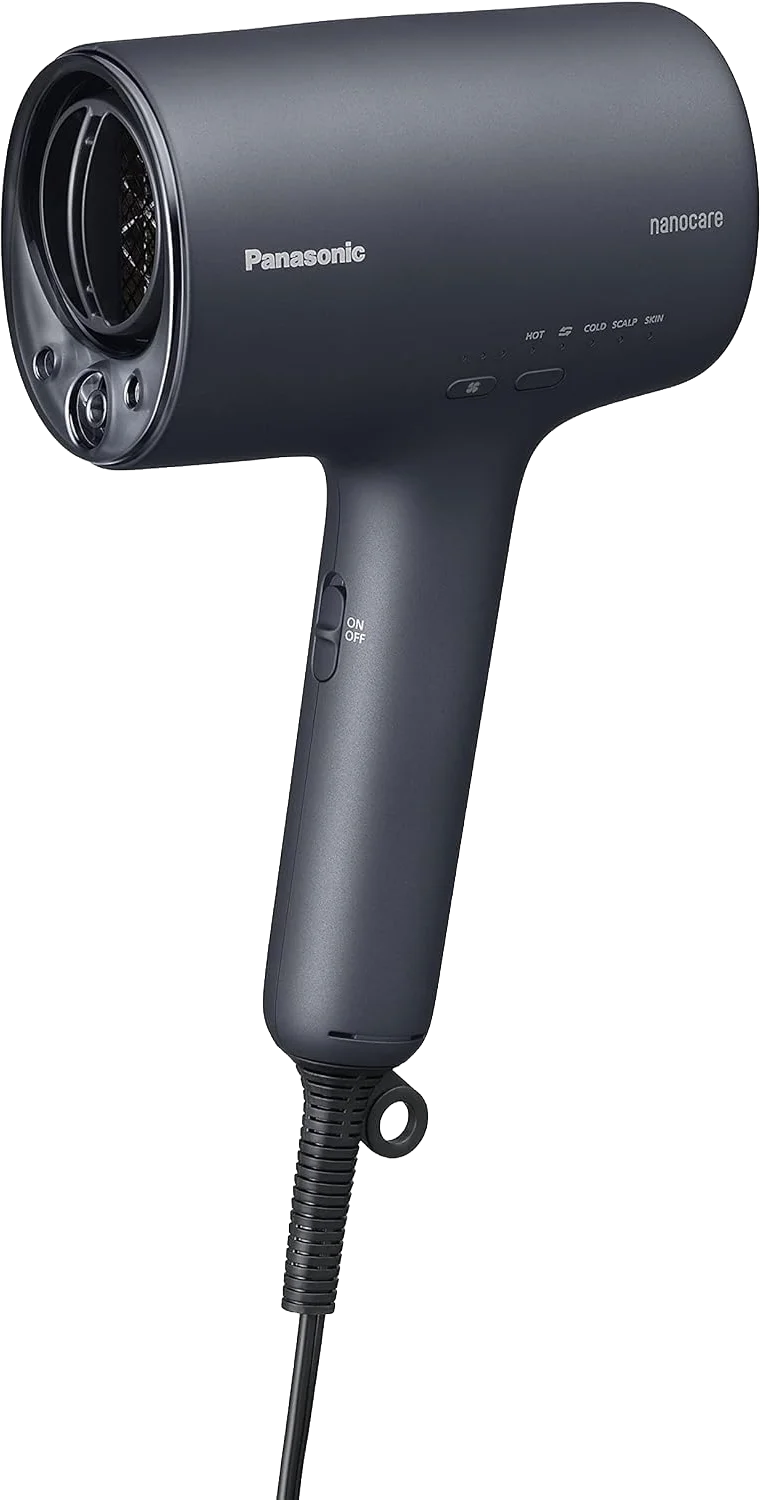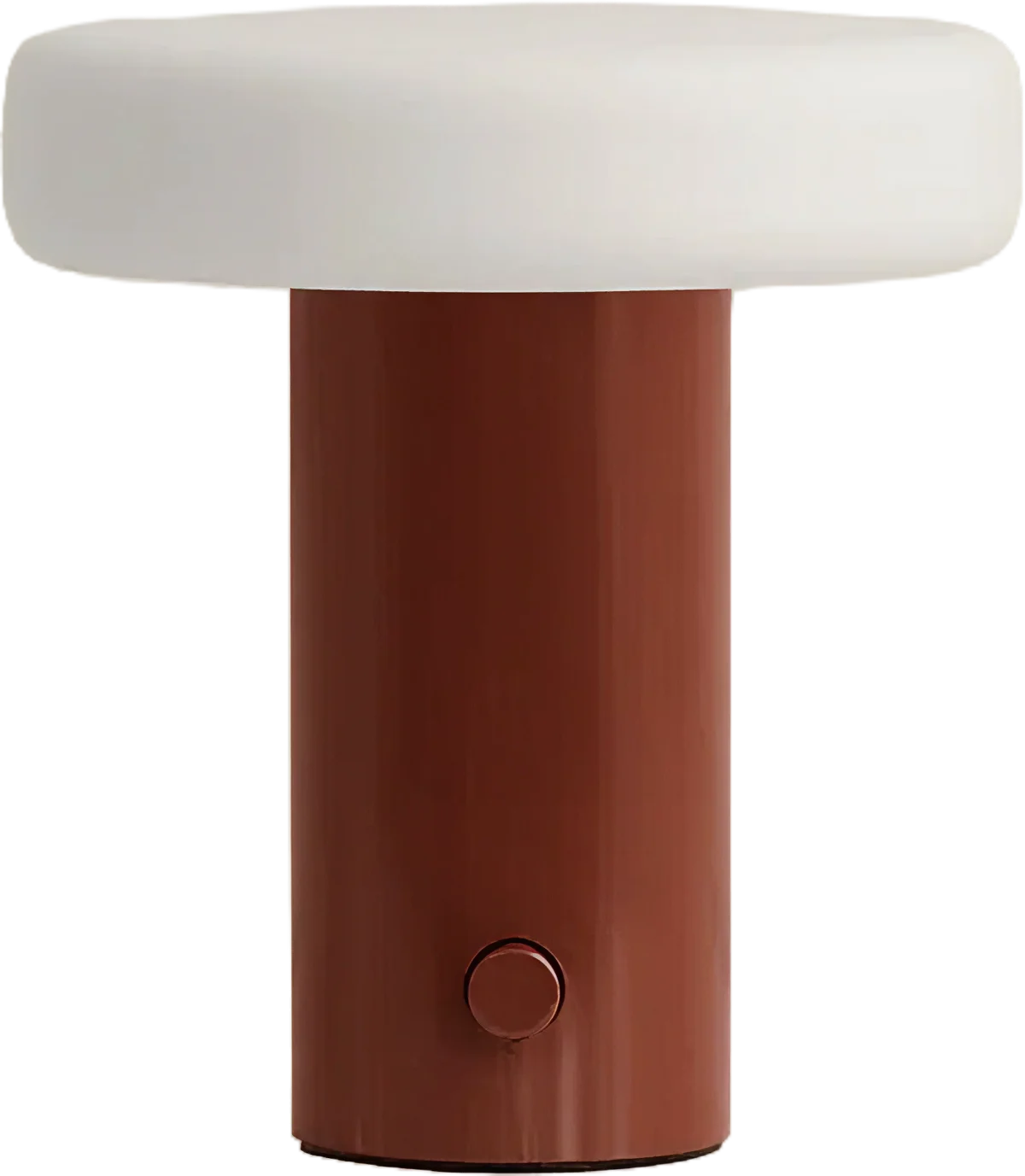
A very specific social class's relationship with effortlessness translated into a globally legible aesthetic: slicked buns, gold jewelry against brown skin, and the quiet luxury of spending considerable money on appearing not to have tried.
57 items curated
The clean girl aesthetic distills the visual culture of contemporary wellness into a deliberate design vocabulary, organizing wardrobes and interiors around polished linen, brushed-back hair, glowing skin and the kind of curated minimalism that suggests a life lived with intention. Its rise during the early 2020s coincided with a broader cultural turn away from the maximalist beauty rituals of the previous decade, looking instead toward an aesthetic that proposes restraint, self-care and a quiet form of luxury as its organizing principles.
What separates clean girl from the broader minimalism or quiet luxury movements is its closer relationship with the body and the routines of personal grooming, the way an interior can suggest the morning rituals of someone who treats skincare, slow stretching and matcha preparation as parts of a single design philosophy. Designers gravitating toward this aesthetic frequently reach for warm whites, oat tones, brushed brass and the soft tactile range of bouclé, terry cloth and unbleached linen, building rooms that feel as much like the bathroom of a contemporary spa as a private residence. The contemporary appeal of clean girl lies in its proposition that visible discipline and quiet effort can themselves become a form of decoration.
Clean girl organizes itself around a curated minimalism that prizes natural materials, soft neutrals and the visible markers of intentional living, with an emphasis on warm whites, oat tones, brushed gold accents and tactile textiles such as linen, bouclé and unbleached cotton. The aesthetic favors objects associated with self-care and wellness, from ceramic skincare vessels to matcha sets and slim brass towel rails.
Minimalism takes a more conceptual approach to restraint, often building interiors around stark architectural lines and the deliberate removal of decorative warmth, while clean girl maintains the visual restraint but introduces a warmer tactile register. Where minimalism keeps surfaces empty as a philosophical statement, clean girl arranges a single linen-bound notebook, a matcha whisk and a small ceramic dish on the same surface, building intentional softness rather than absence.
A clean girl interior tends to gather linen bedding in oat and cream tones, brushed brass bathroom fittings, ceramic skincare vessels, matcha sets in soft stoneware, slim wooden hair combs, linen-bound notebooks, glass water bottles and the kind of bouclé seating that has become signature of contemporary spa aesthetics. Smaller objects might include facial rollers, ceramic soap dishes, slim brass towel rails and small woven baskets for tidying.
Clean girl traces its visual sensibility to the contemporary wellness movement that gathered cultural momentum throughout the 2010s, drawing particular inspiration from Scandinavian interior design, Japanese ritual aesthetics and the curated minimalism of brands like Aesop and Le Labo. Its present form crystallized on social platforms during the early 2020s, when a generation of design-literate audiences began organizing wardrobes and homes around the visible discipline of skincare and slow living.
The gift ideas page helps you find a present by mood, style and budget. You choose their intensity, their vibe and your budget with three sliders, and the page returns objects from the newitem.earth archive, each one linking to the original shop.