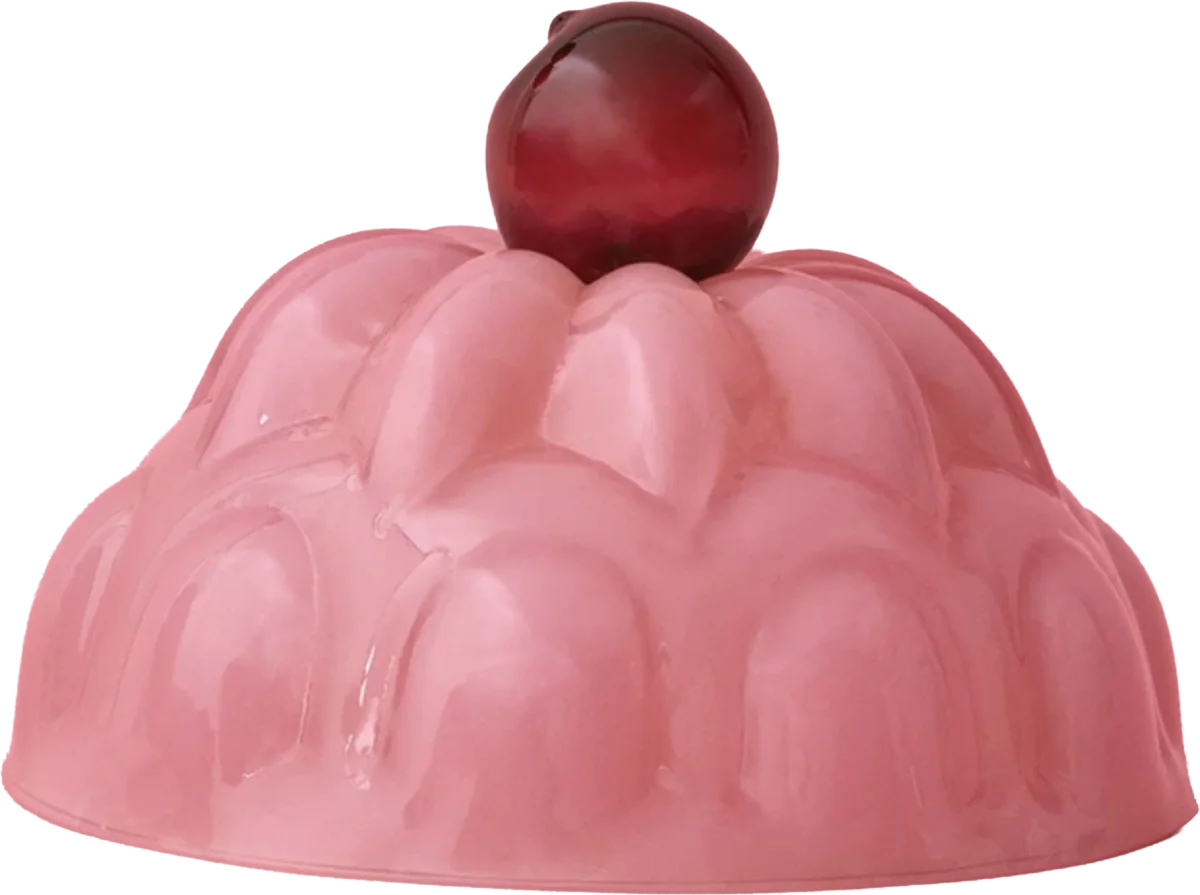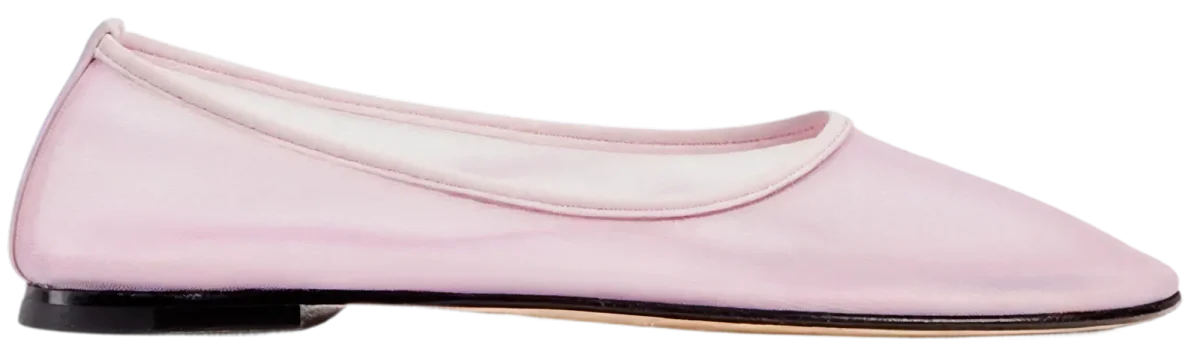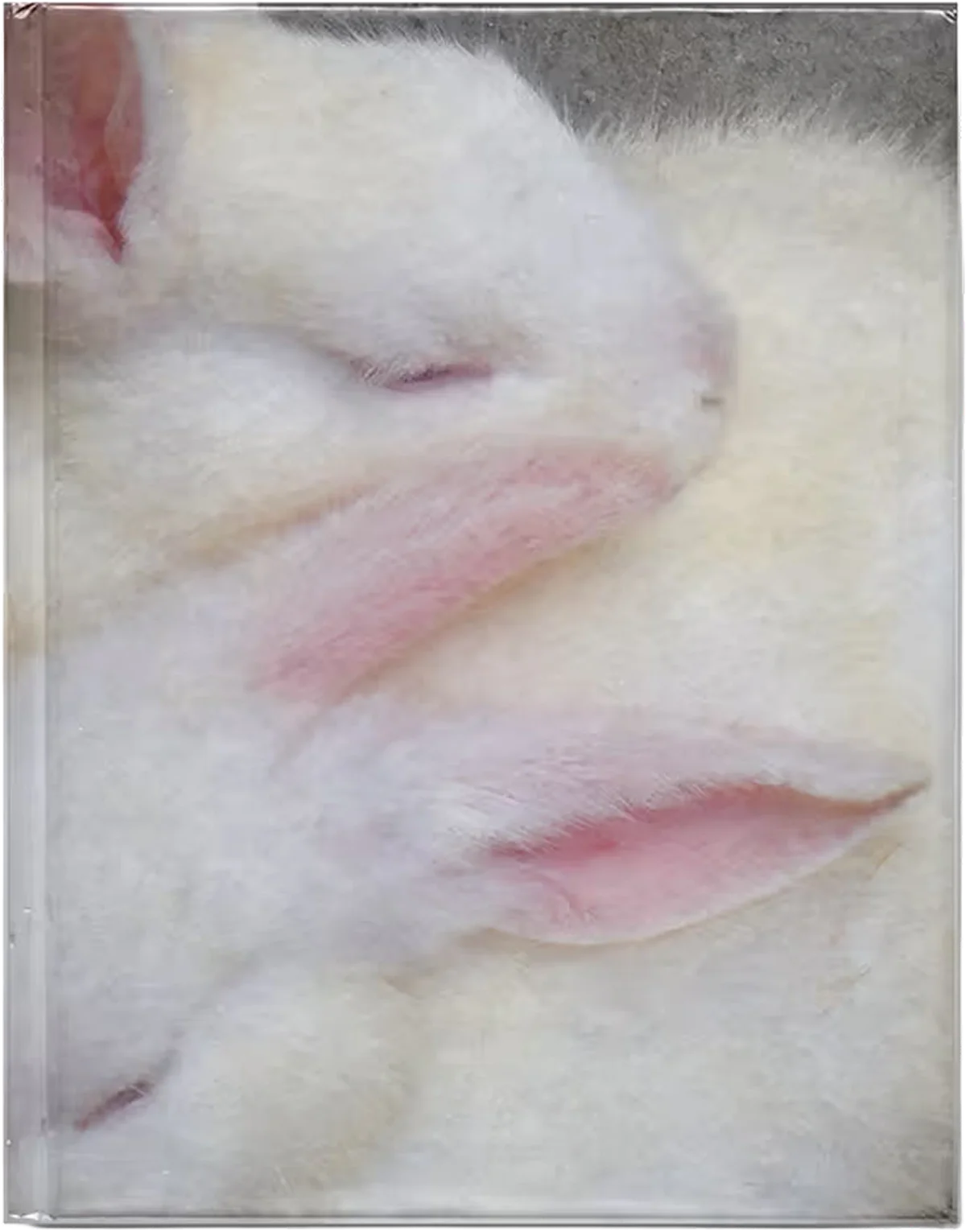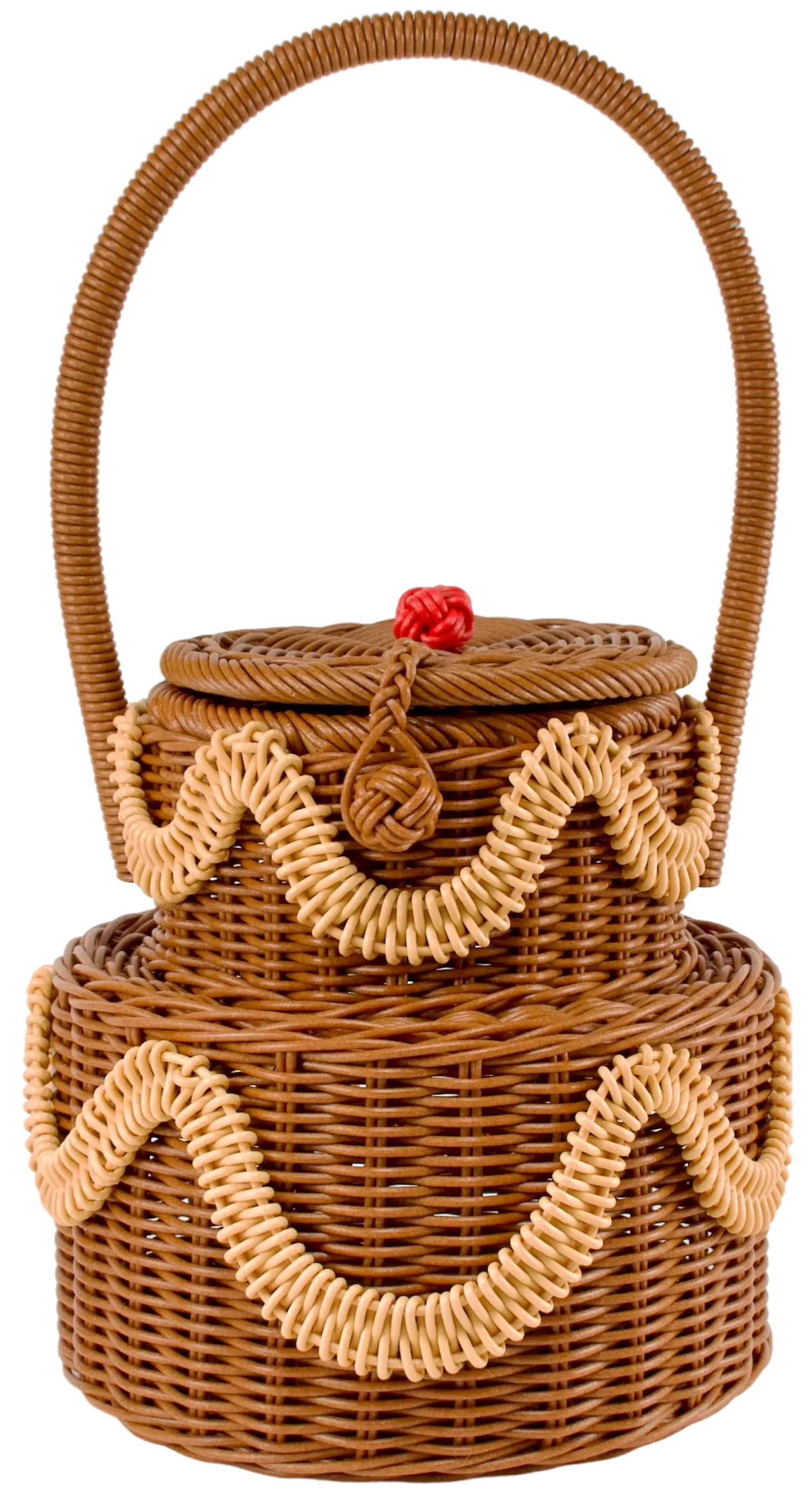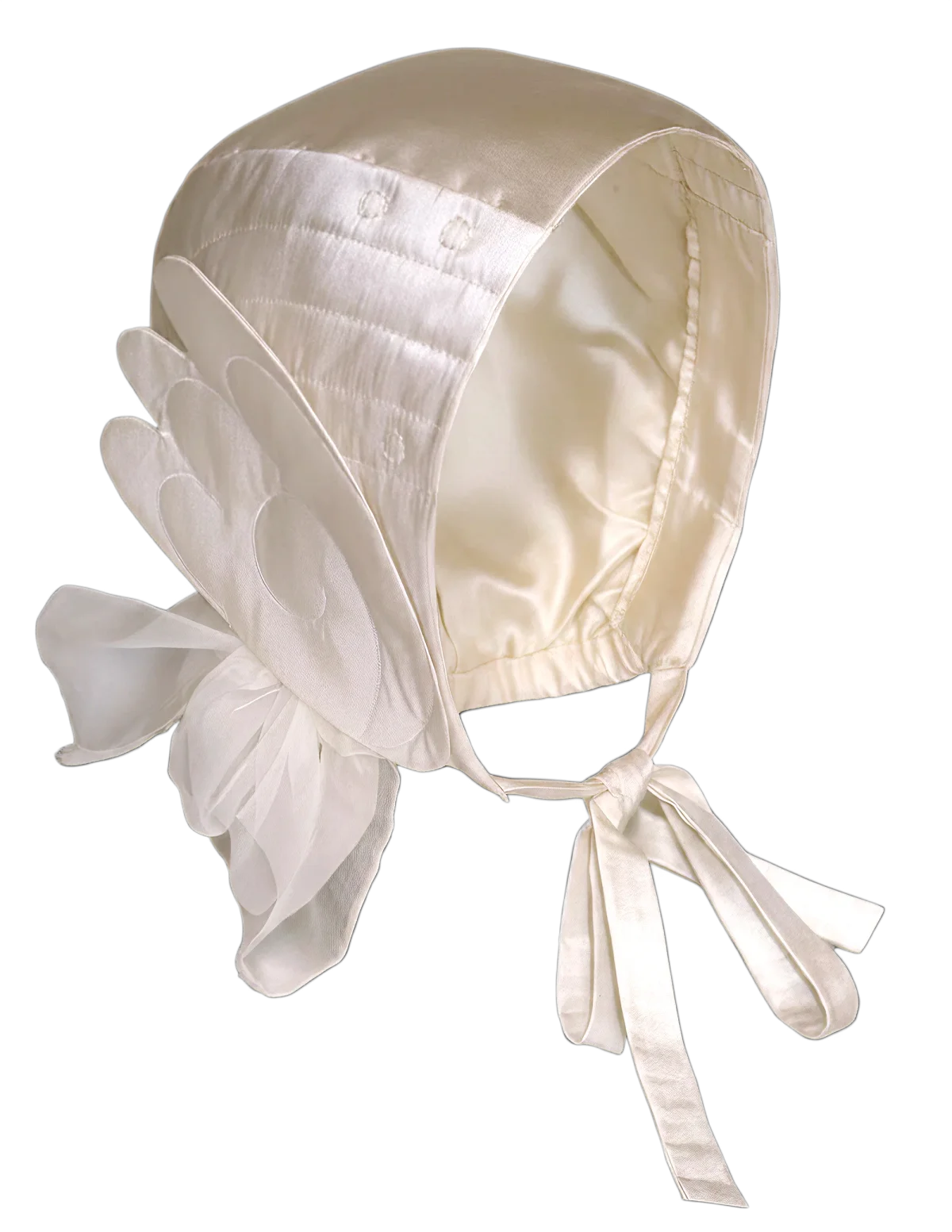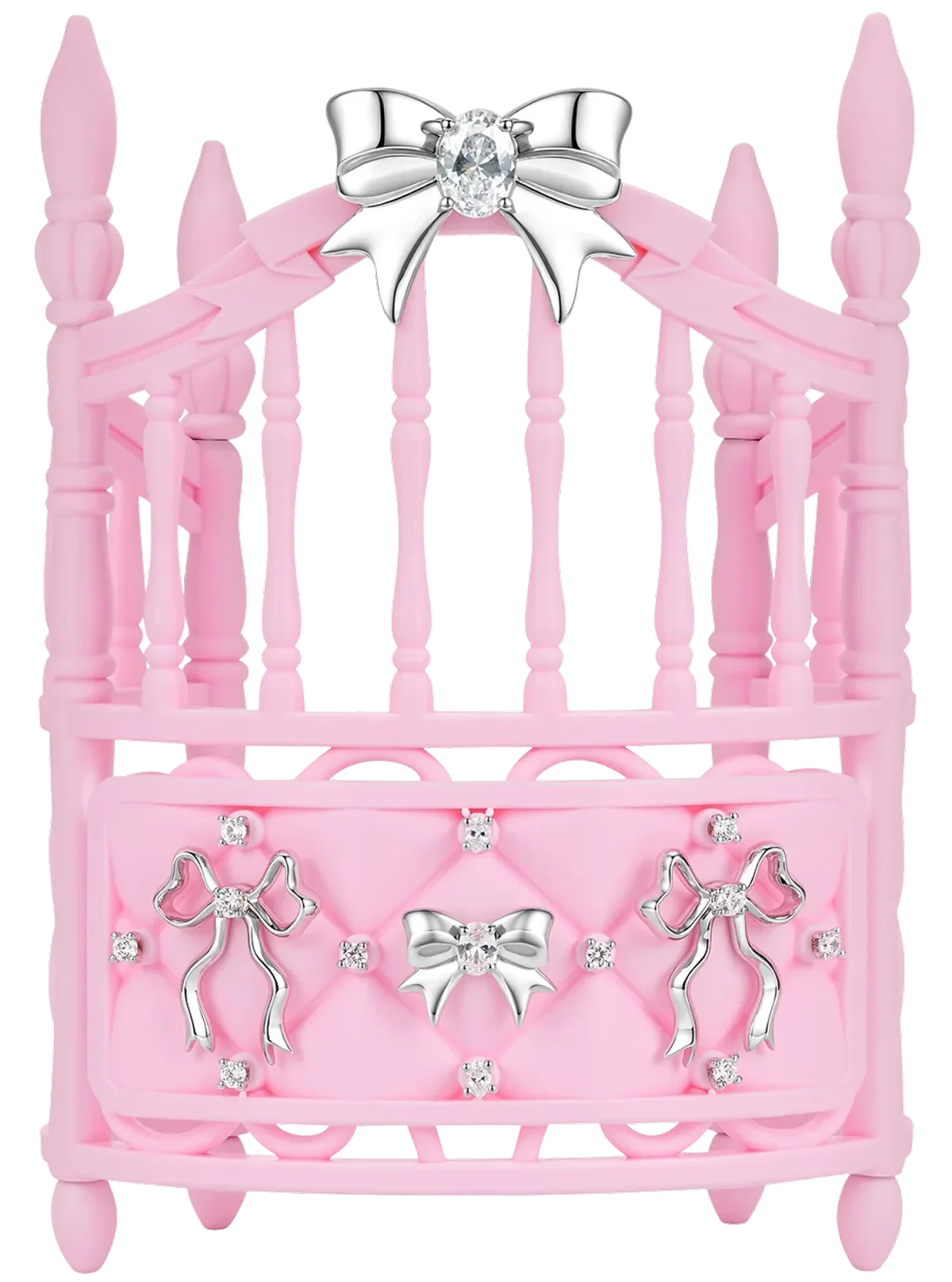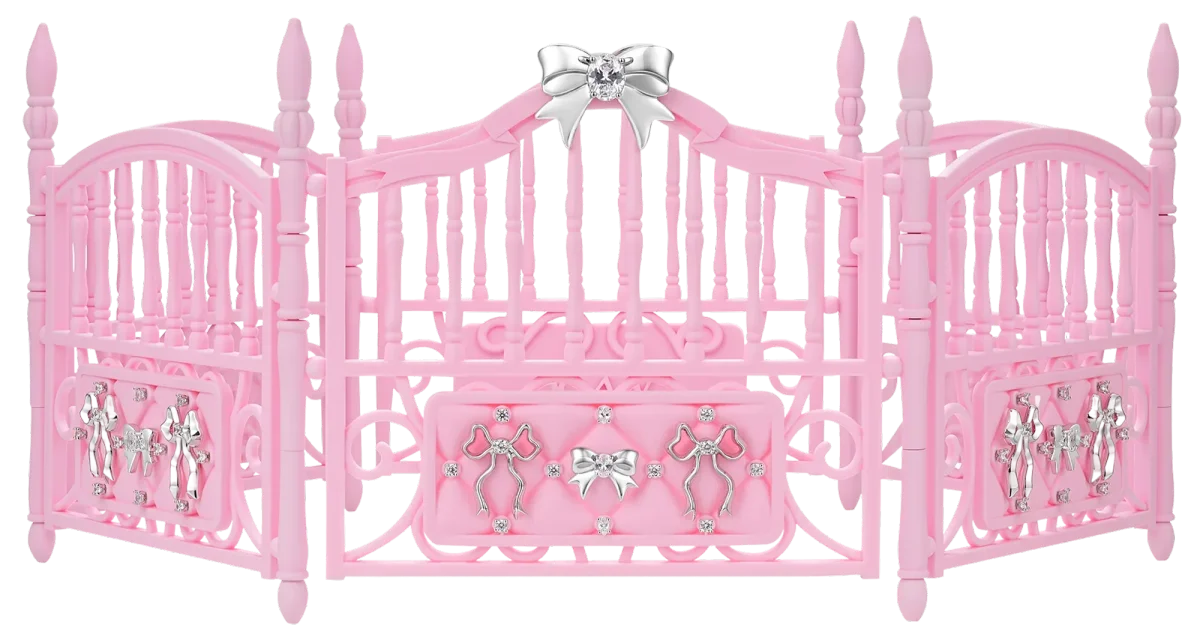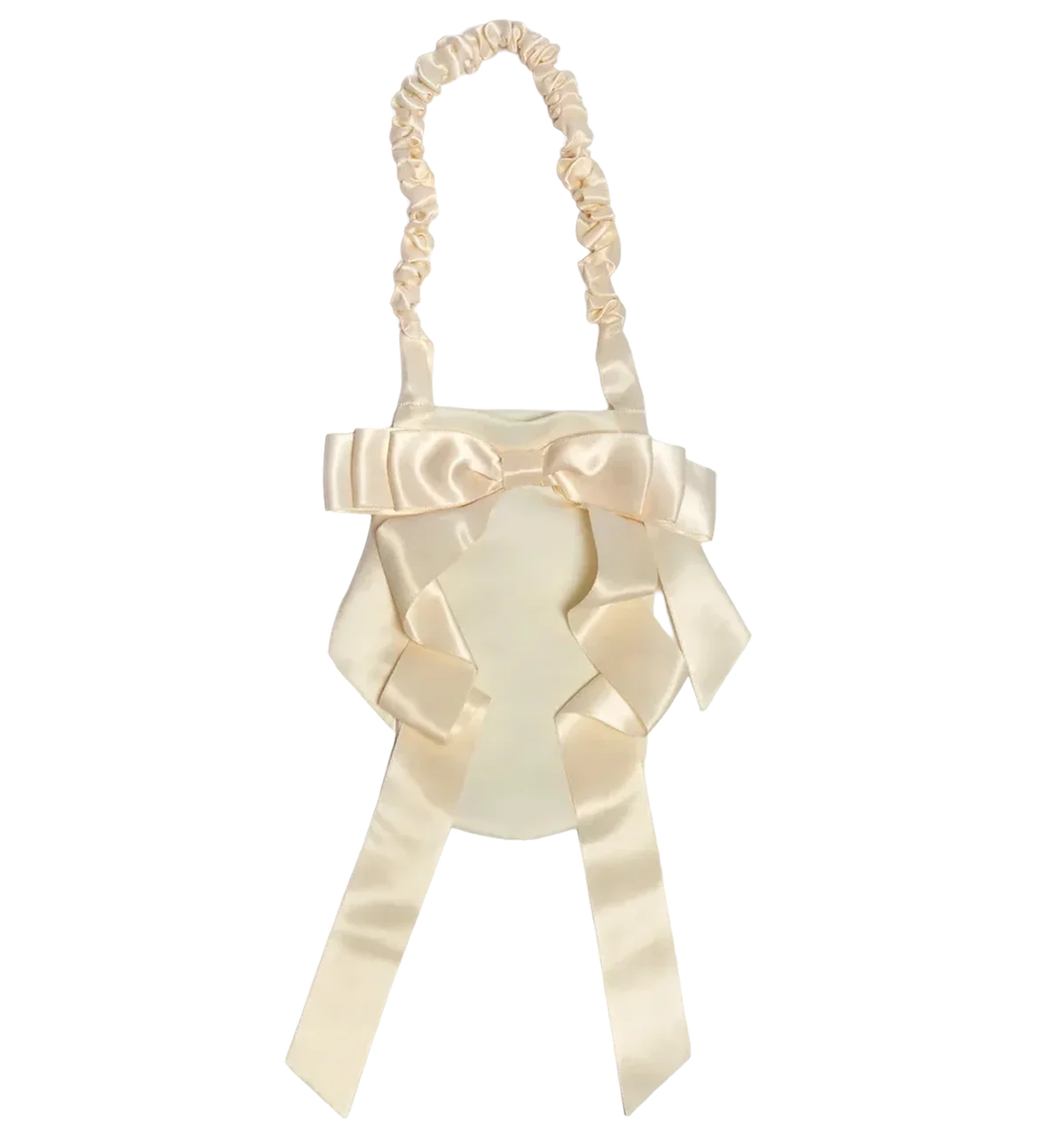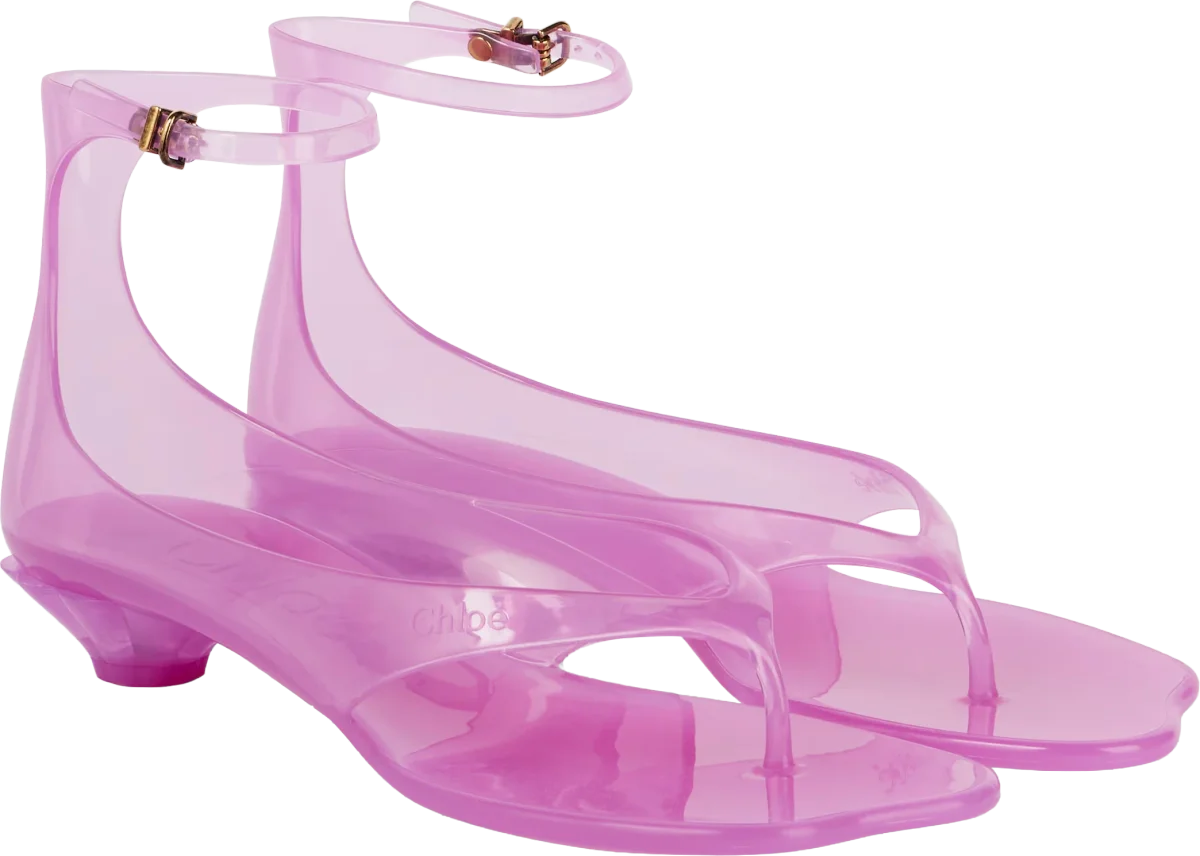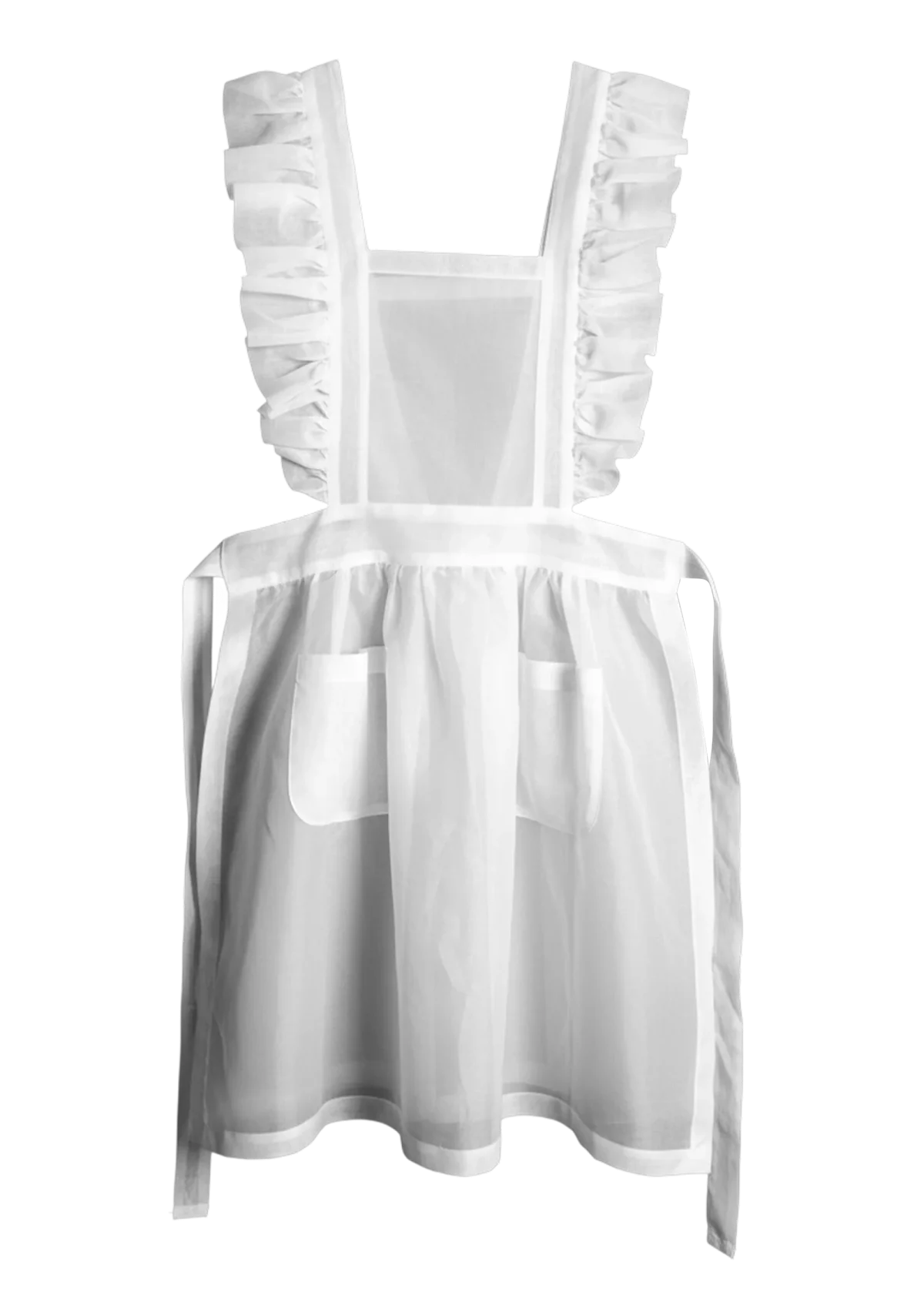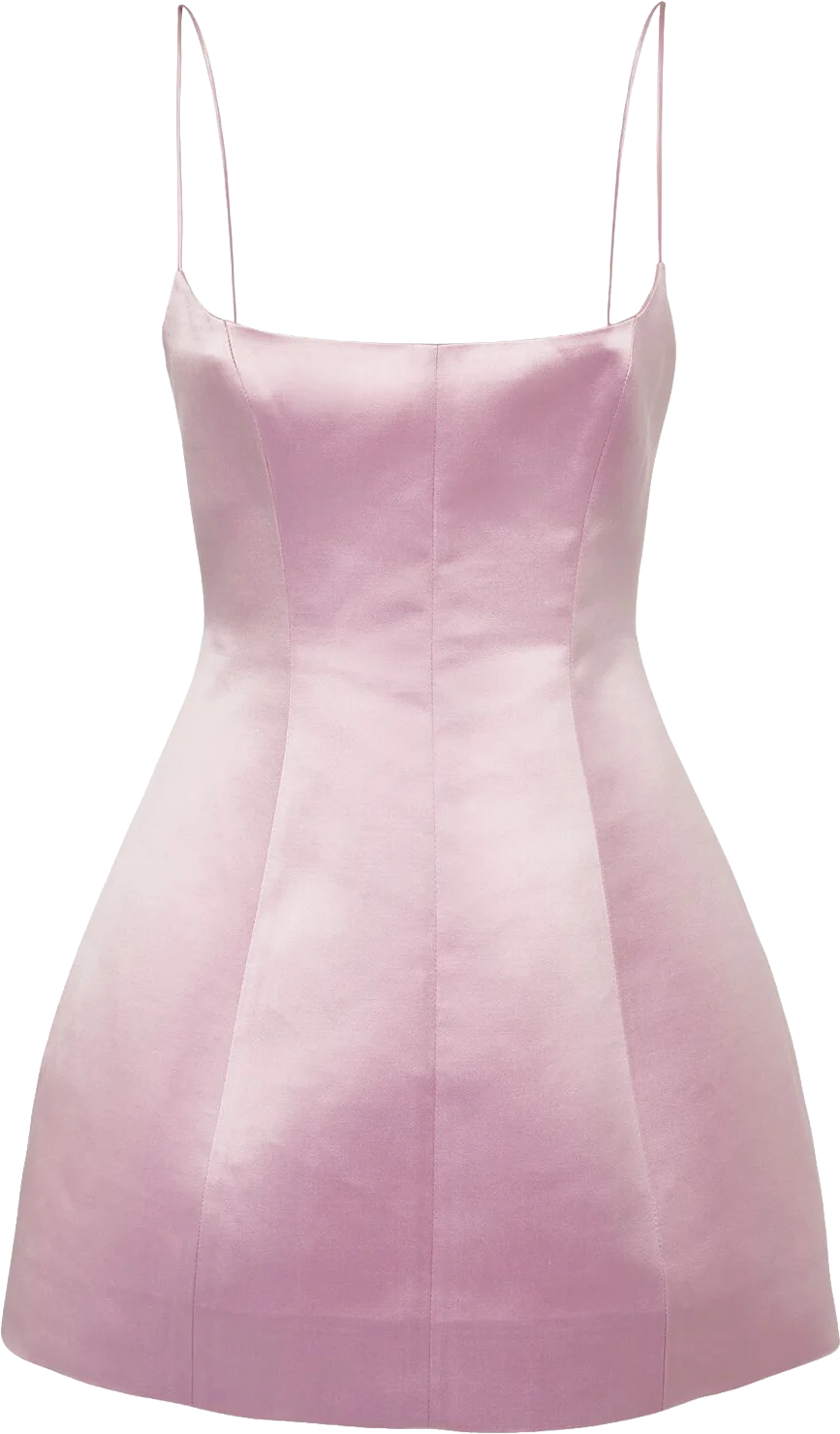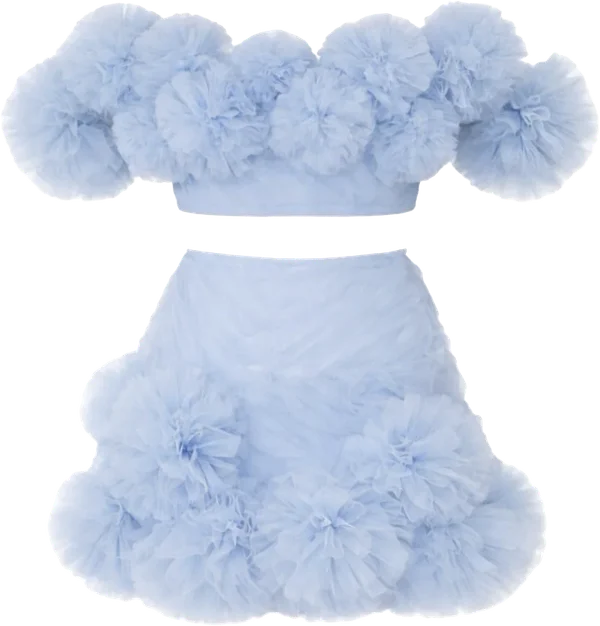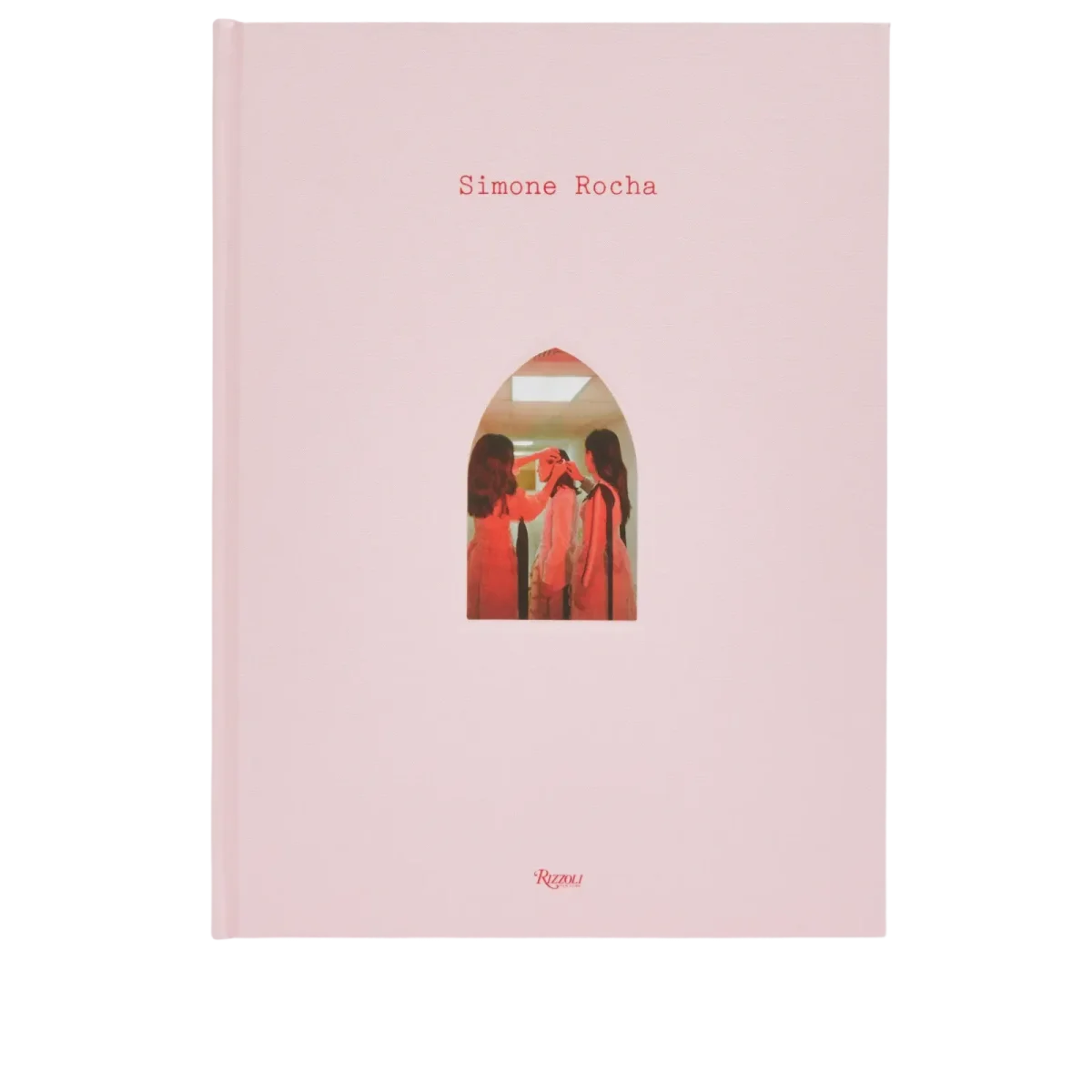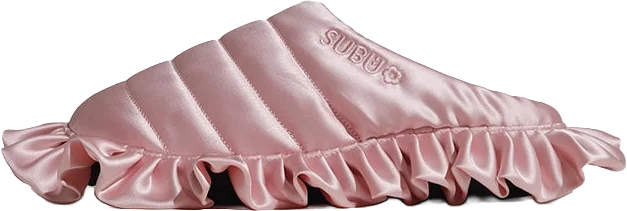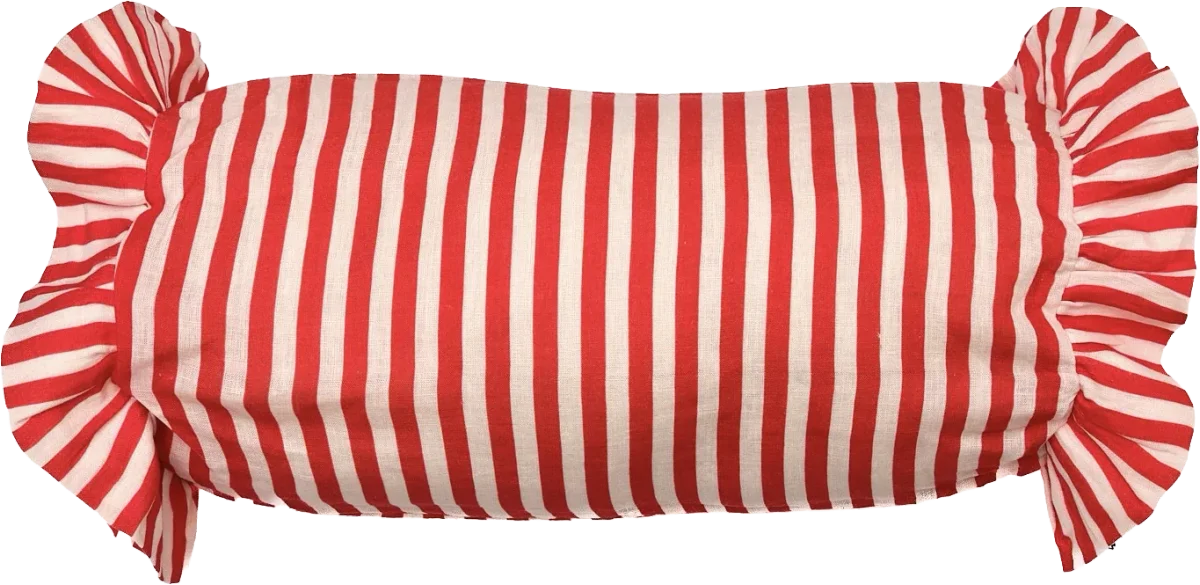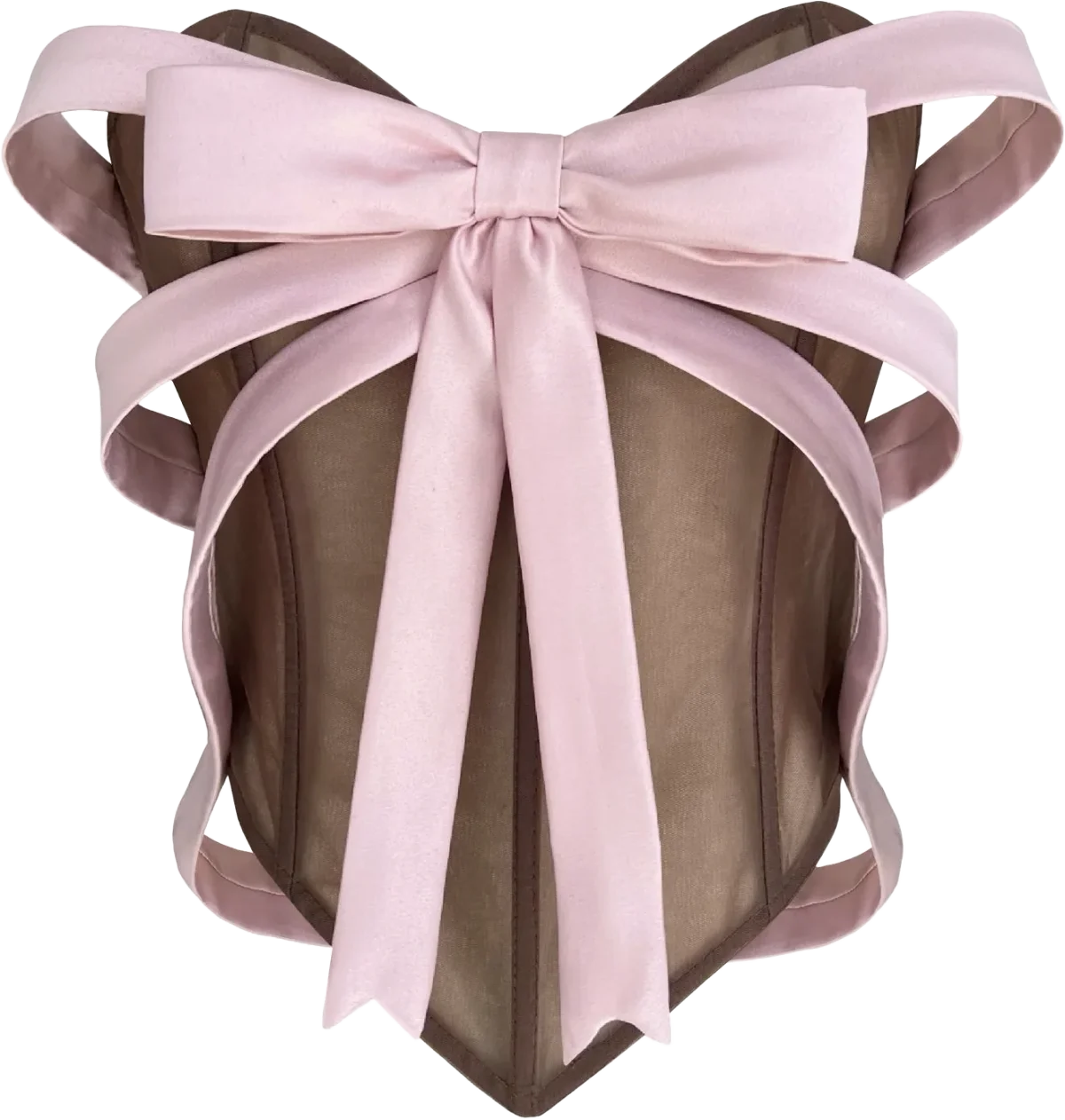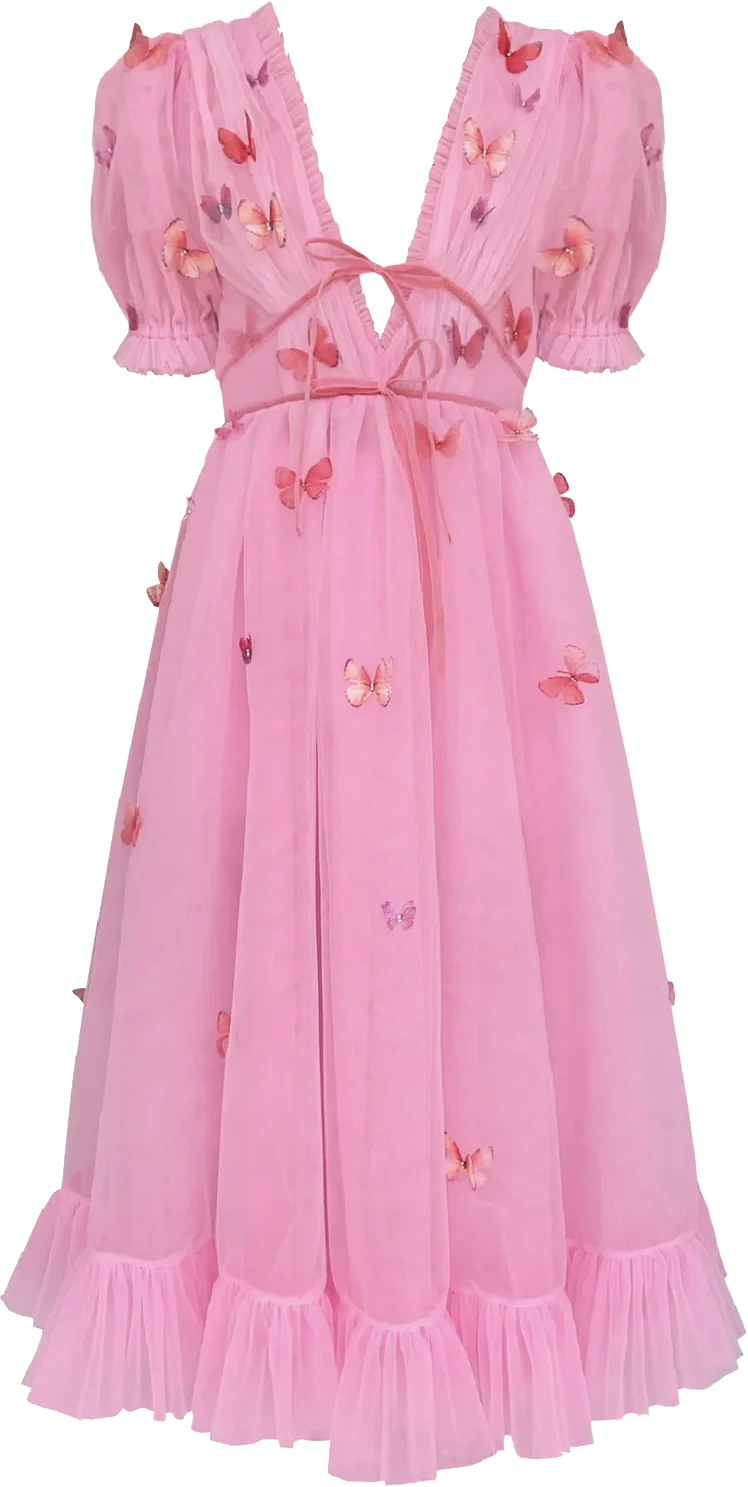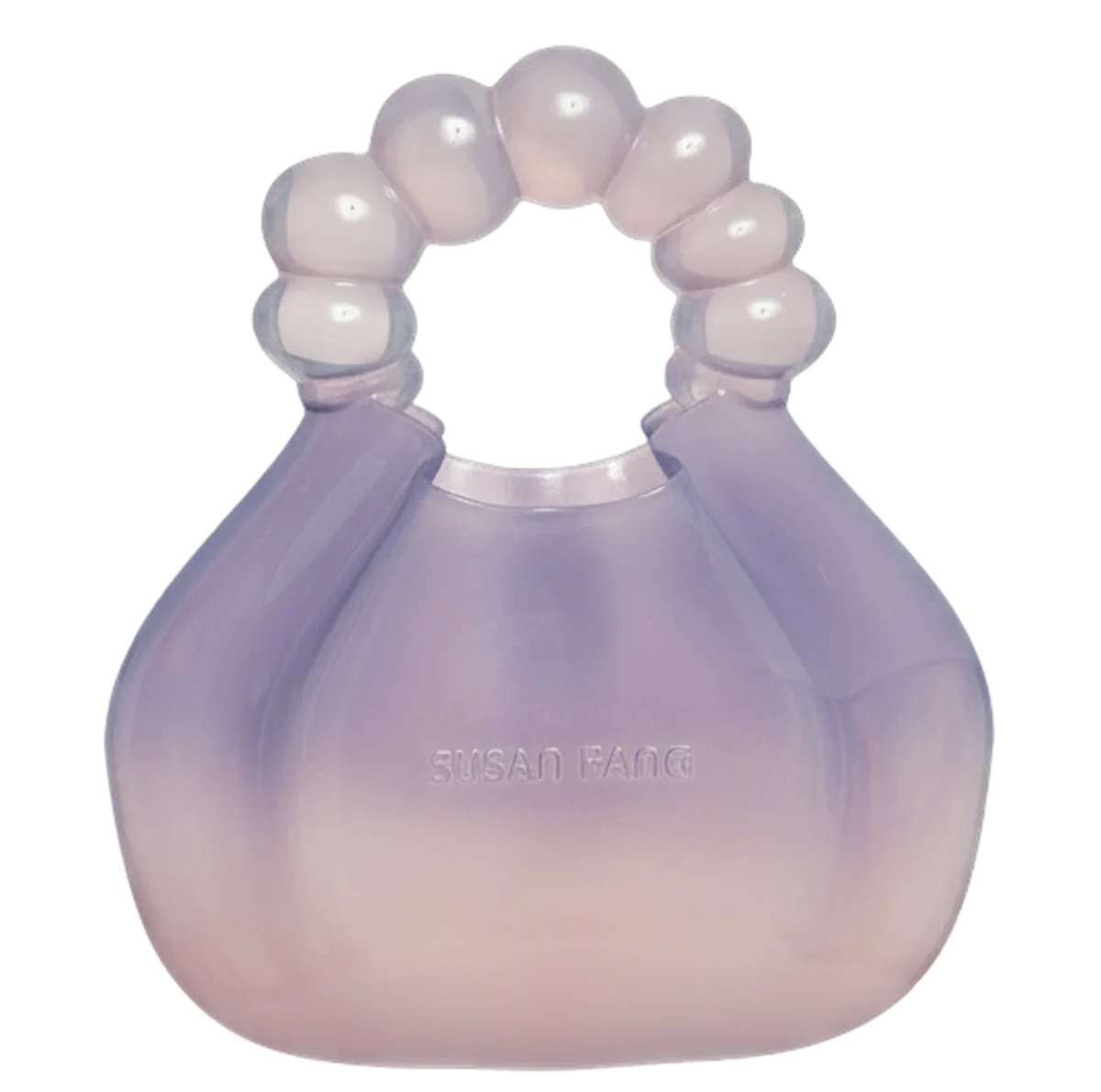
The visual language of feminine archness revived with considerable intelligence, deploying bows, blush, and studied delicacy as a sophisticated aesthetic position rather than an unselfconscious one, which makes all the difference.
62 items curated
The coquette aesthetic gathers the visual codes of romantic femininity into a language of soft bows, lace trims, pearlescent finishes and the kind of pink that recalls peonies in early summer, building wardrobes and interiors that propose decorative sweetness as a form of self-authored elegance. Its rise among design-literate audiences during the early 2020s carried with it a reconsideration of the term itself, reclaiming what had once been a critique into a deliberate aesthetic stance that finds beauty in tenderness, ornament and the careful staging of the personal.
What distinguishes coquette from the related currents of balletcore or dollcore is its closer attention to the romantic and the historically inflected, the way a satin ribbon tied around a porcelain vase carries echoes of eighteenth-century French interiors and the boudoirs of the Belle Époque. Designers gravitating toward this aesthetic frequently reach for pink-and-cream palettes, faded gilded mirrors, porcelain trinket boxes, lace-edged linens and the kind of mid-century vanity furniture associated with old Hollywood, building rooms that feel as much like the dressing room of an actress as a contemporary bedroom. The contemporary appeal of coquette lies in its insistence that softness can hold structural weight in design, that bows and ribbons can be load-bearing decorative elements rather than mere afterthoughts.
Coquette organizes itself around the visual codes of romantic femininity, prizing soft bows, ribbons, lace, pearls and the kind of pink-and-cream palette that recalls eighteenth-century French boudoirs. The aesthetic favors decorative ornament as a structural design choice rather than an embellishment, gathering vintage perfume bottles, porcelain trinket dishes, lace-trimmed linens and the gilded surfaces of mid-century vanity furniture.
Balletcore draws its imagery specifically from the visual culture of classical dance, with ribbons, leg warmers, leotards and the soft pinks of pointe shoes as its primary vocabulary. Coquette reaches more broadly into romantic femininity, taking inspiration from boudoirs, vintage powder rooms, old Hollywood dressing tables and the ornamental excess of historical European fashion, while balletcore stays closer to the studio and the stage.
A coquette interior tends to gather vintage gilded mirrors, porcelain trinket boxes, satin-upholstered armchairs in soft pink and ivory, lace-trimmed bedding, crystal perfume bottles, pearlescent vanity sets, ribbon-tied curtains and small framed romantic prints. Decorative touches often include silk flowers in cut crystal vases, vintage hand mirrors, embroidered cushions in cream and rose, and the kind of small ornamental boxes once used to store calling cards.
Coquette traces its sensibility to the eighteenth-century French rococo interiors of figures such as Madame de Pompadour, alongside the boudoirs of the Belle Époque and the Hollywood dressing rooms of stars like Jean Harlow and Marilyn Monroe. Its contemporary aesthetic revival took shape on social platforms during the early 2020s, particularly among audiences drawn to the reclamation of soft femininity as a deliberate aesthetic stance rather than a default decorative mode.
The gift ideas page helps you find a present by mood, style and budget. You choose their intensity, their vibe and your budget with three sliders, and the page returns objects from the newitem.earth archive, each one linking to the original shop.