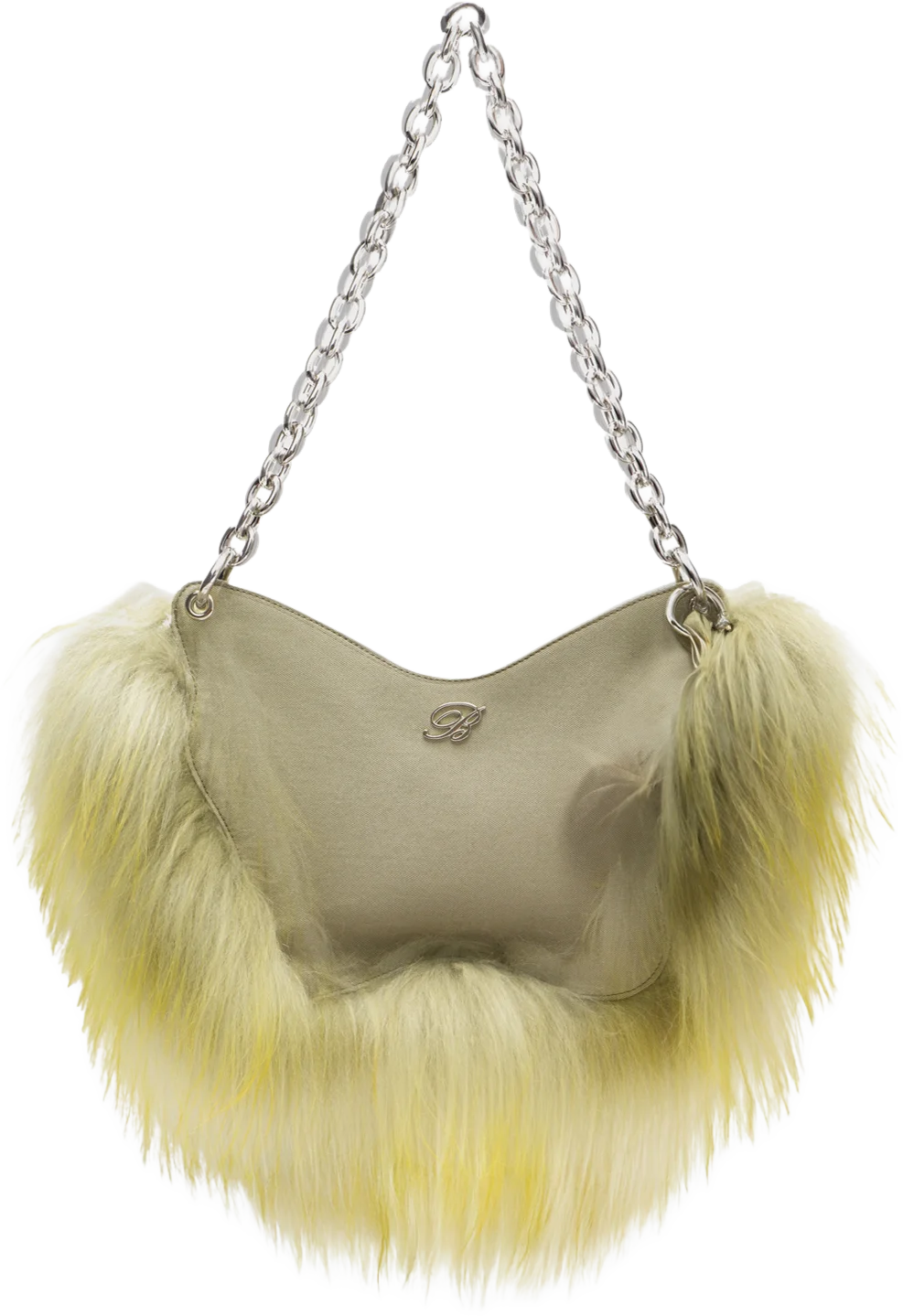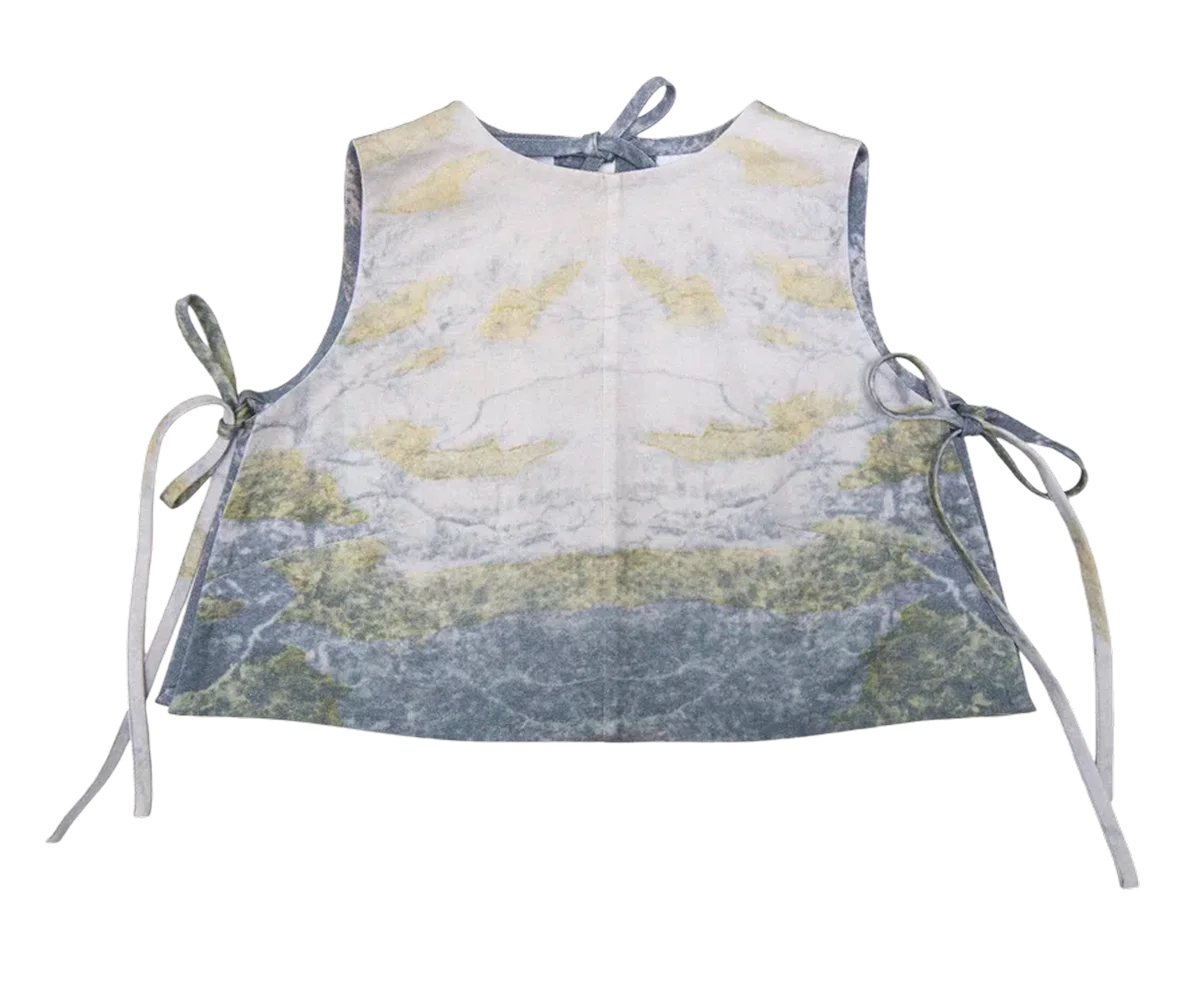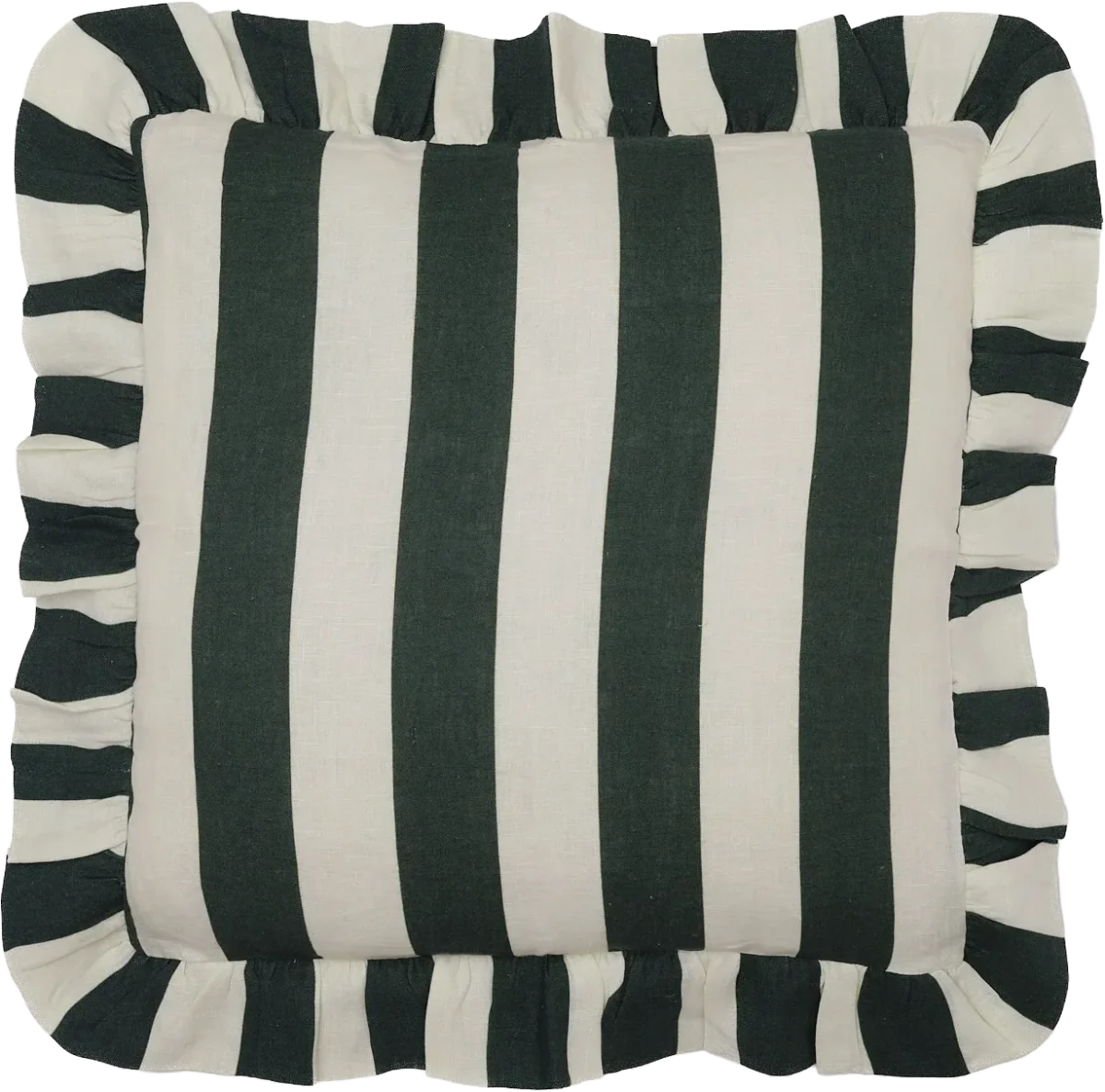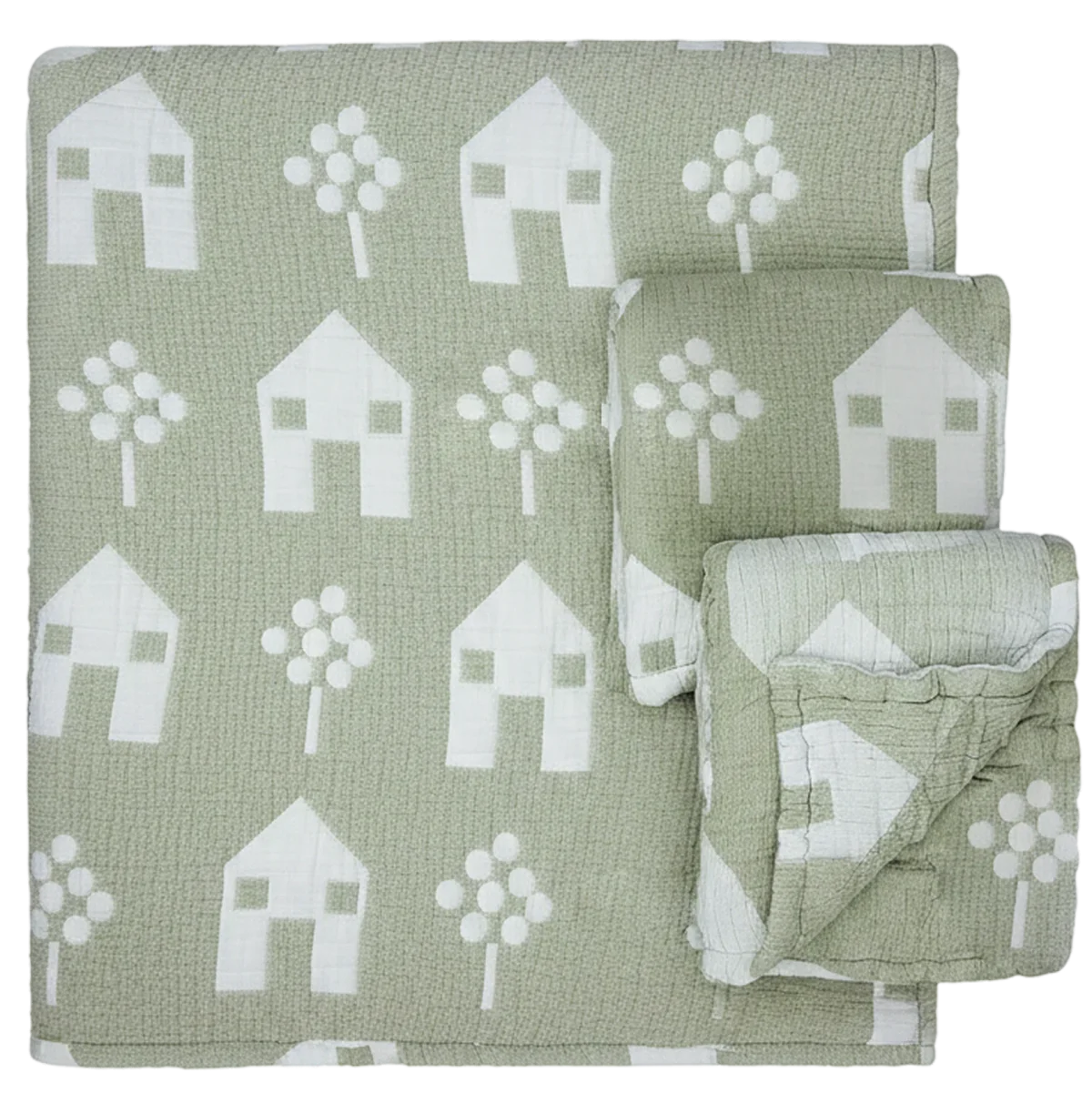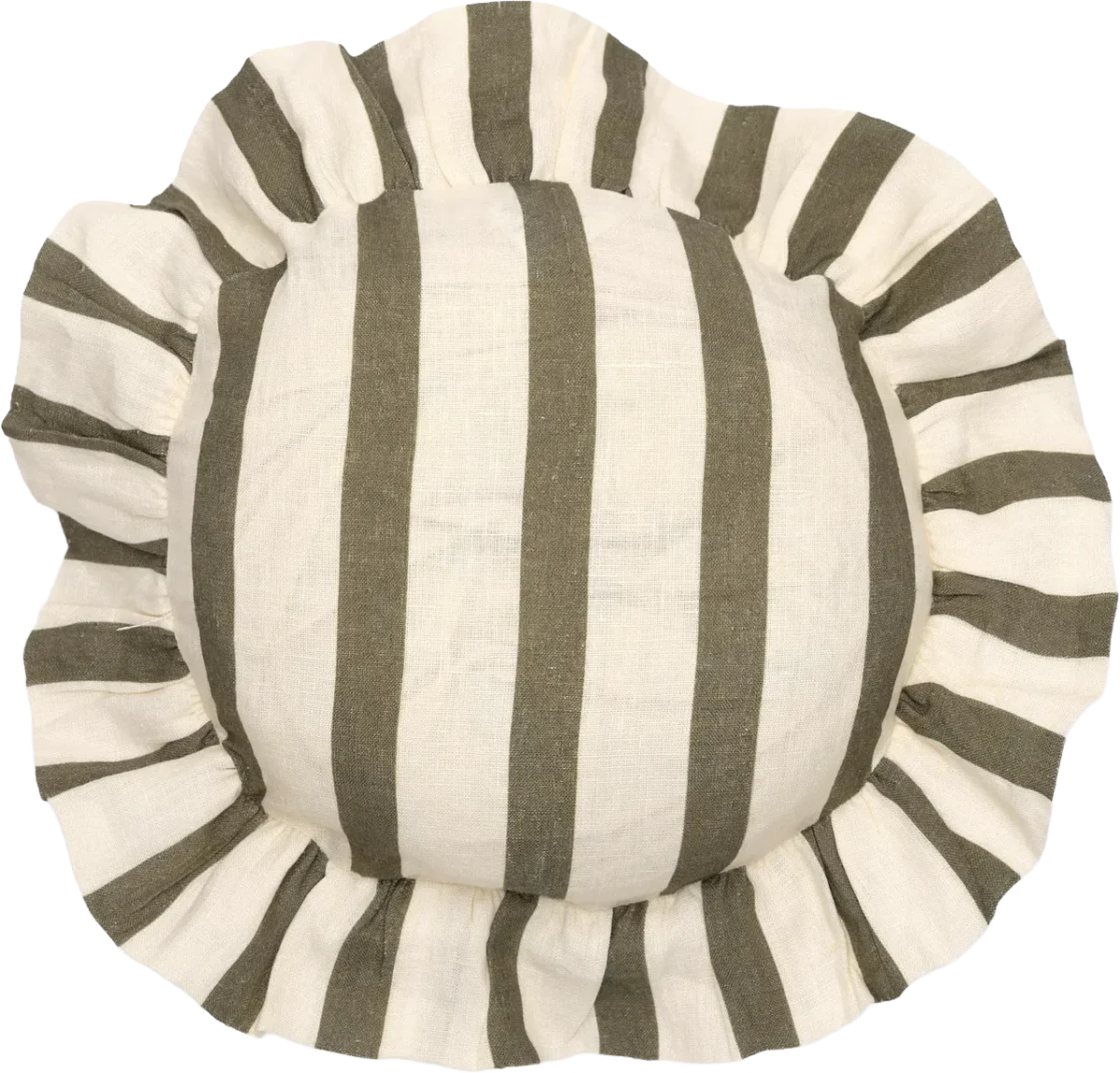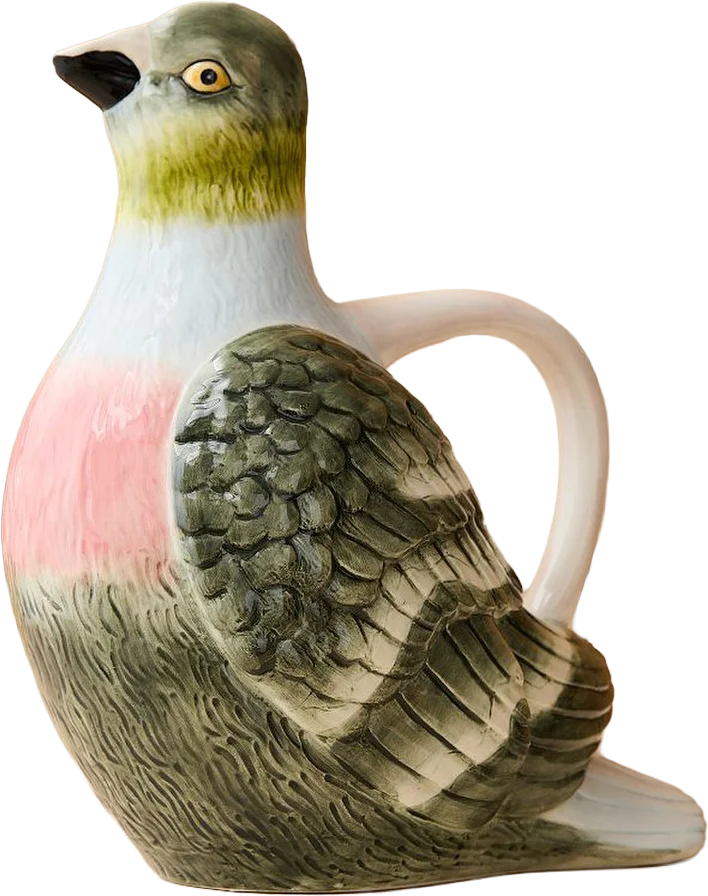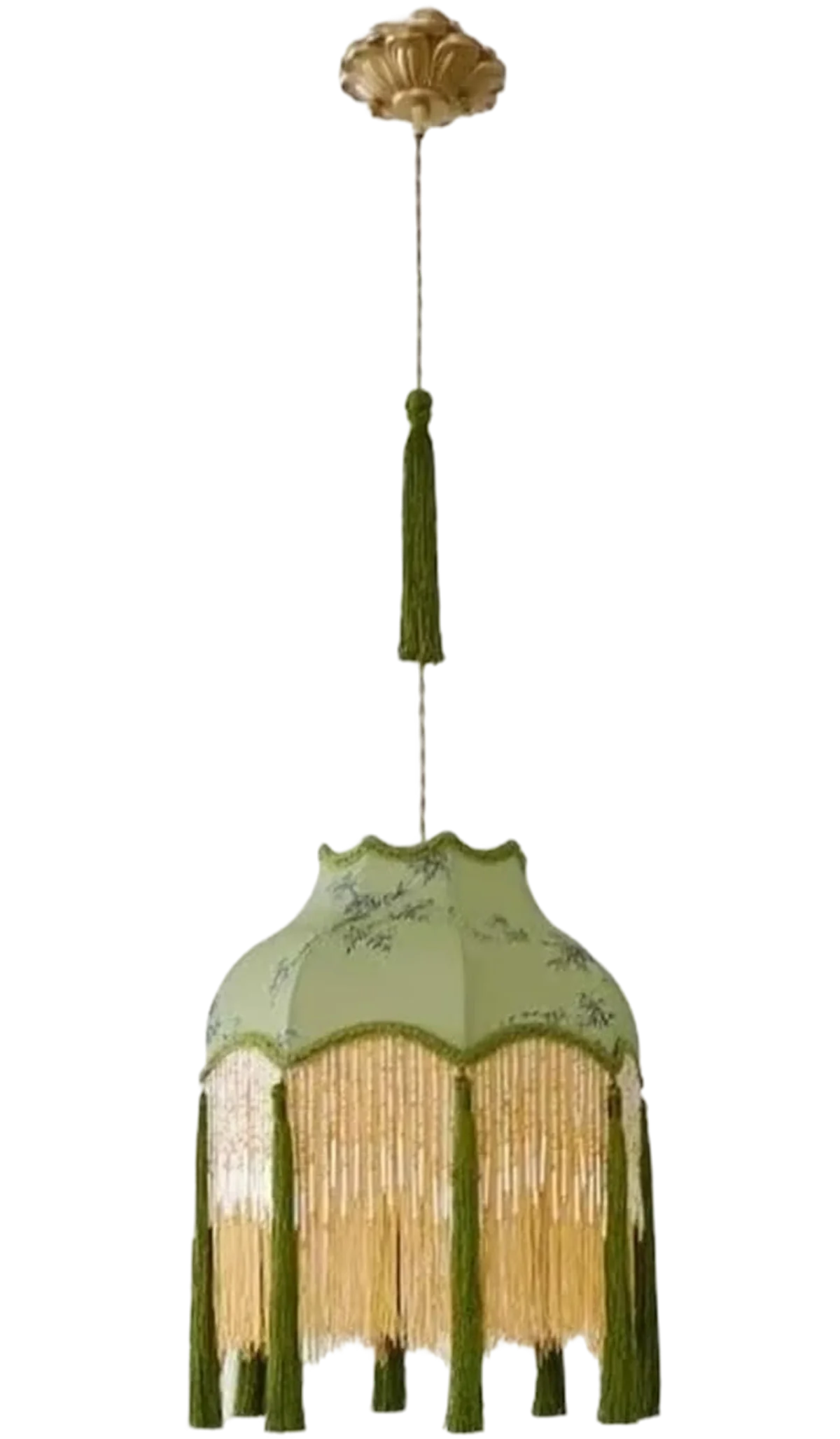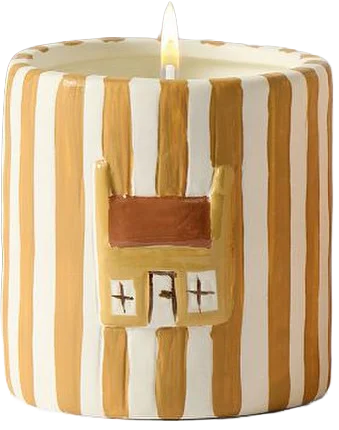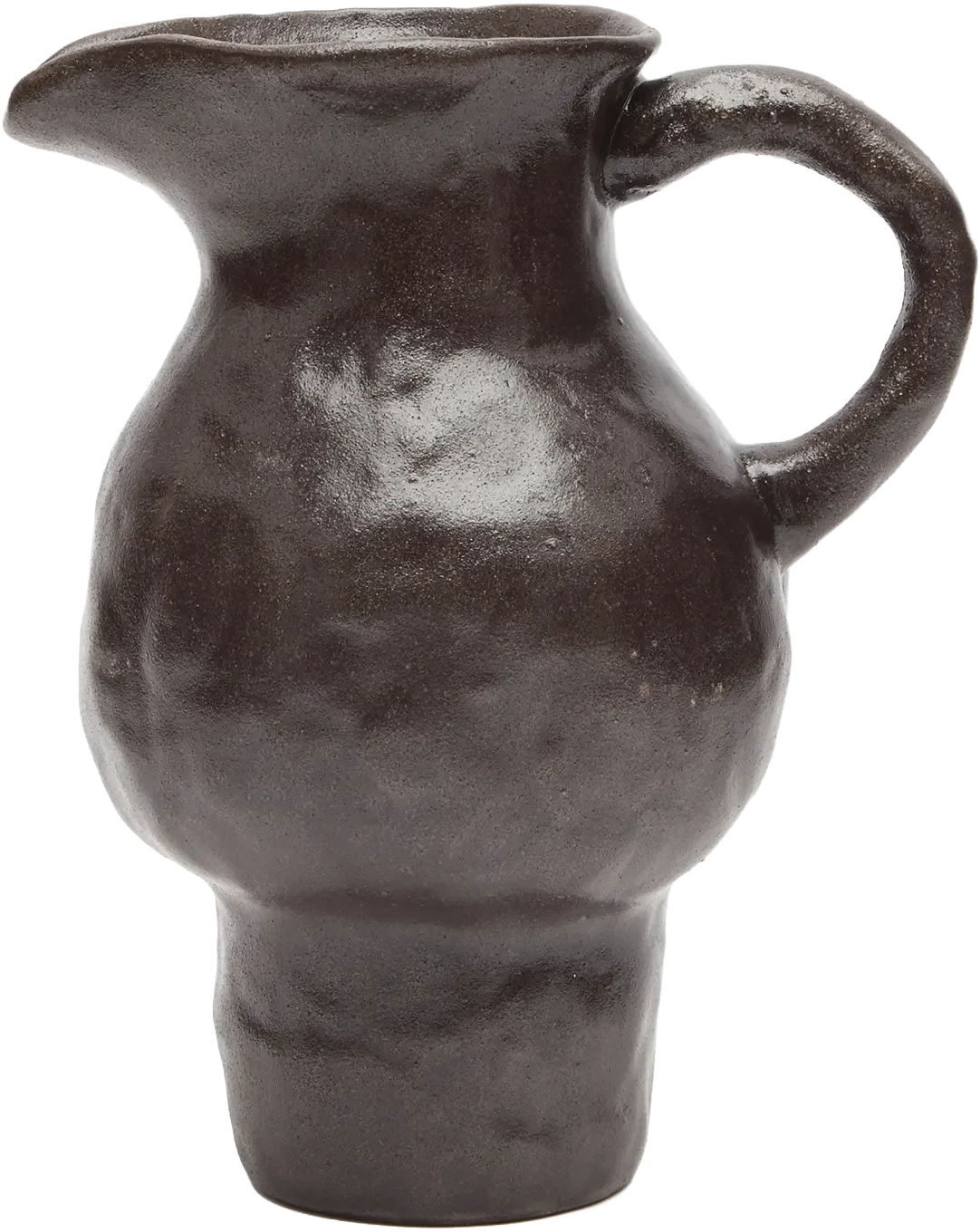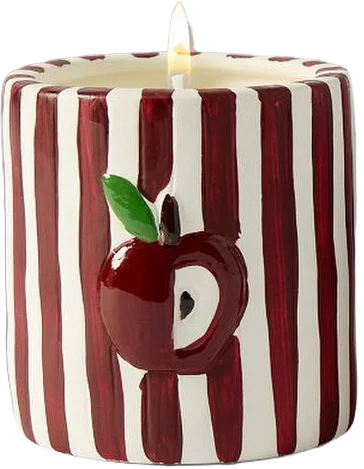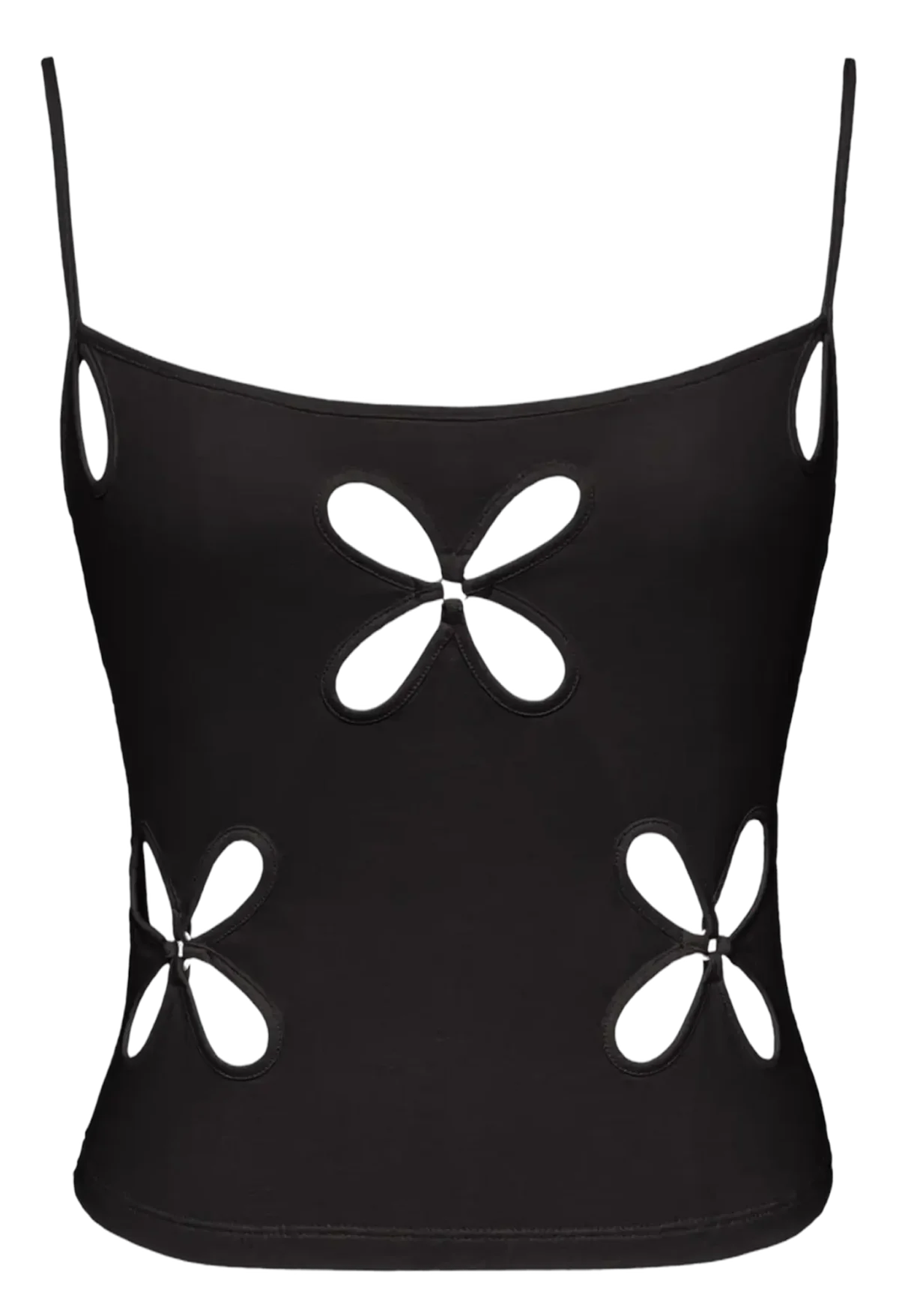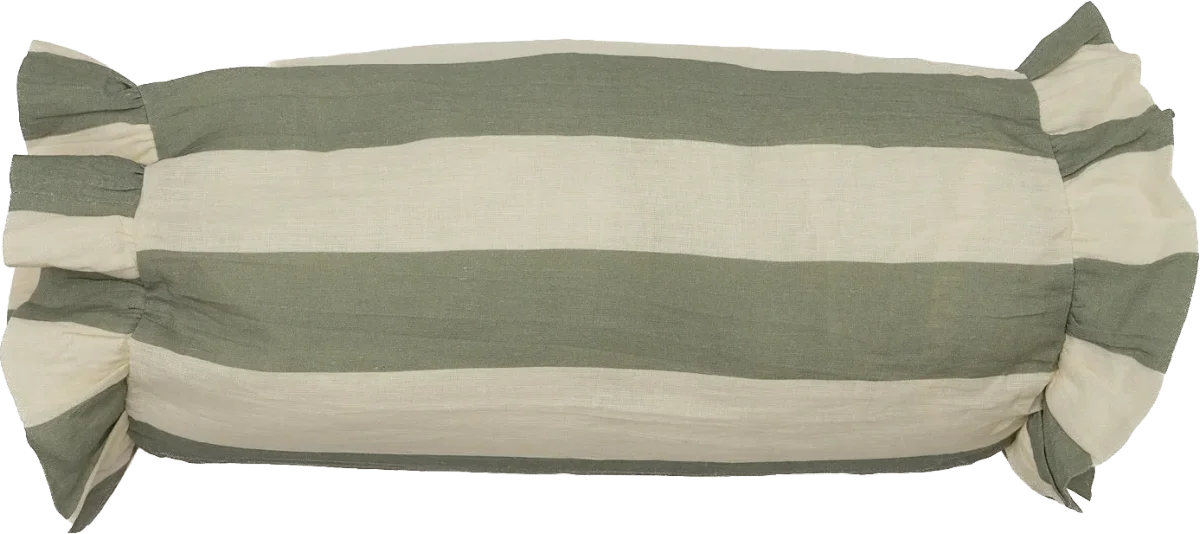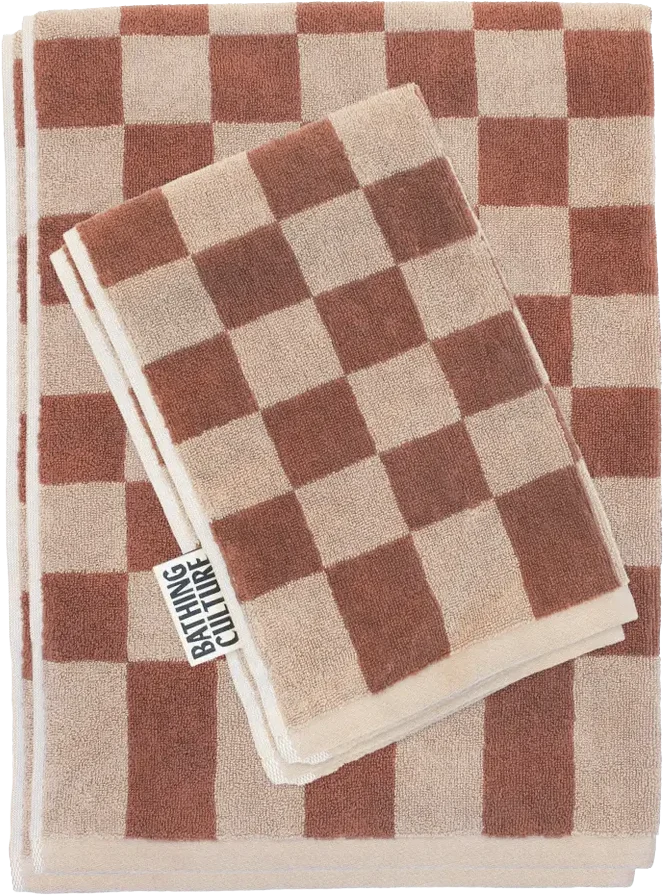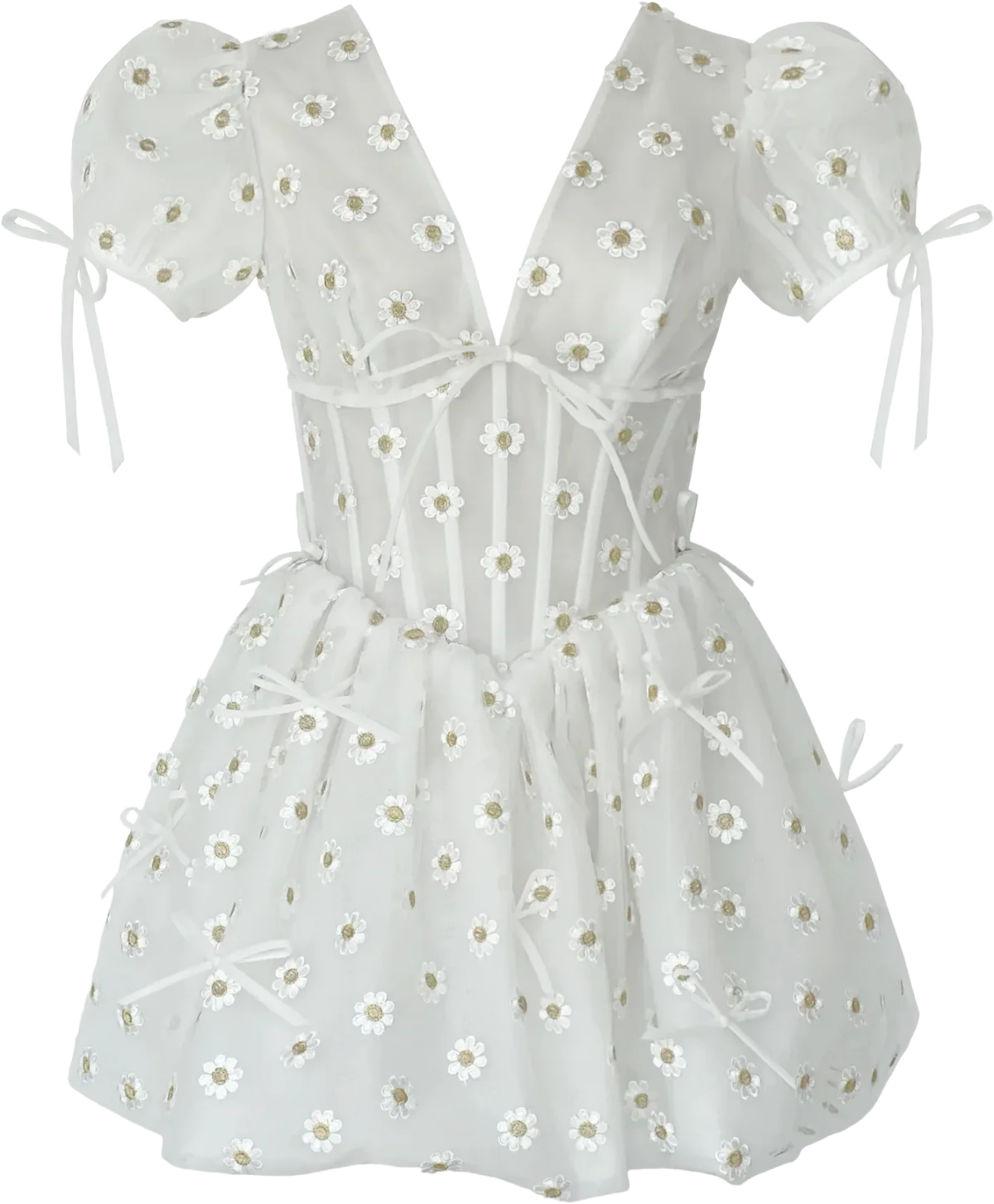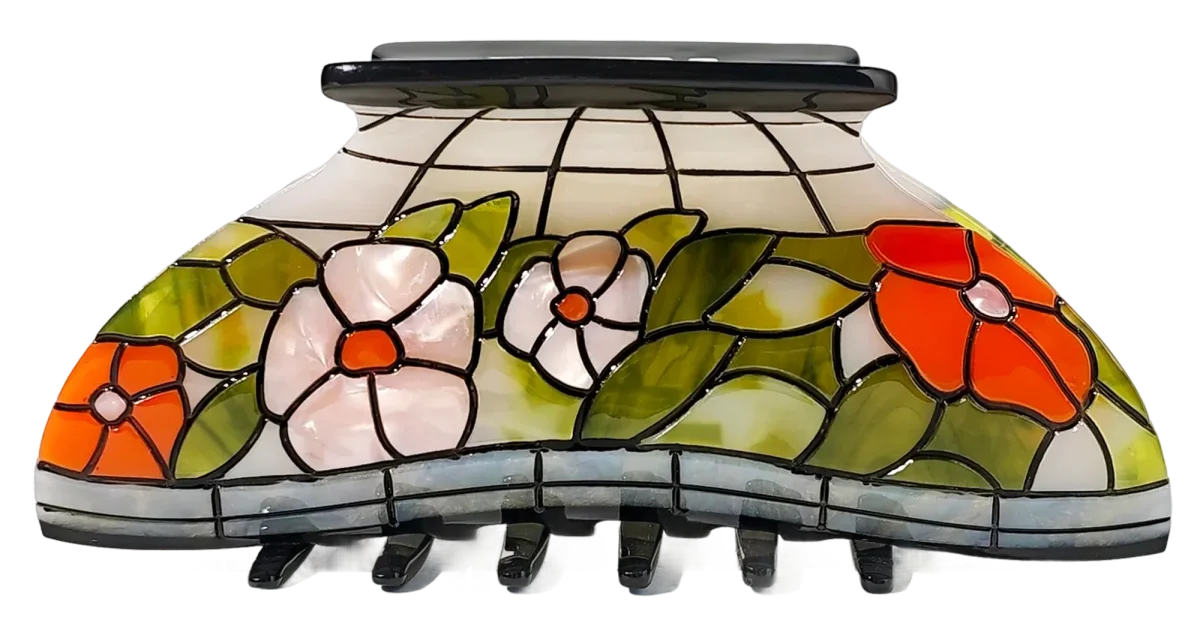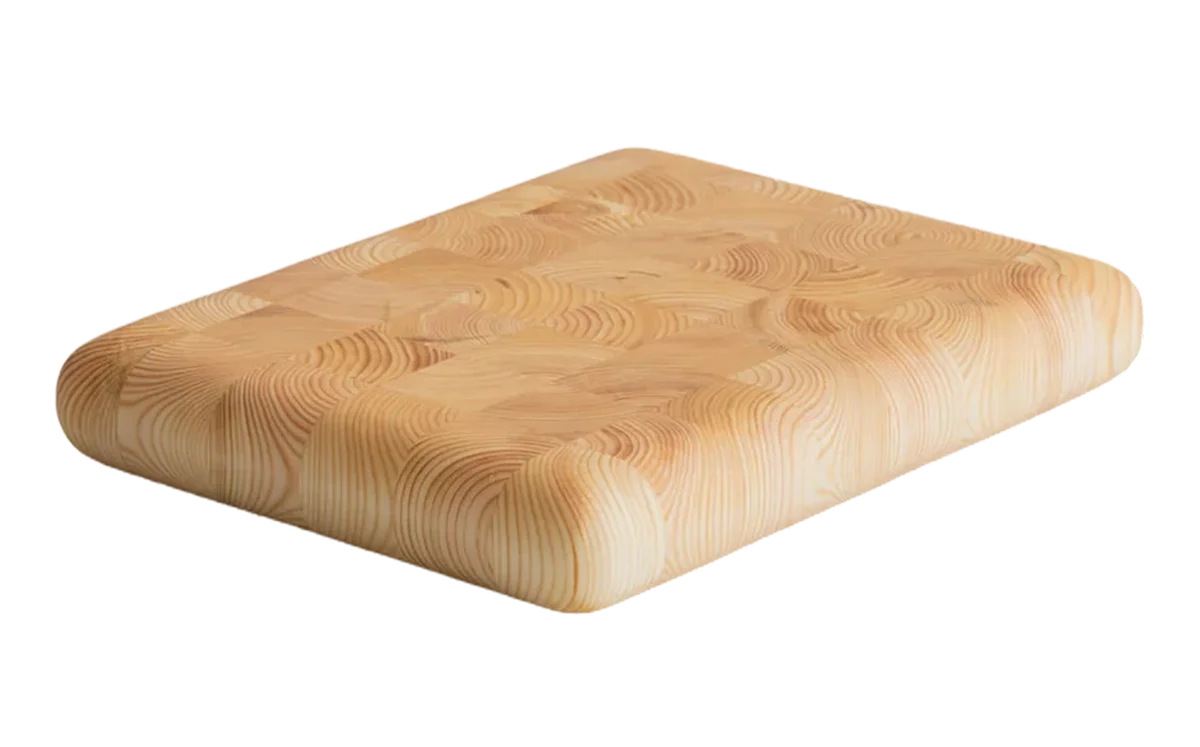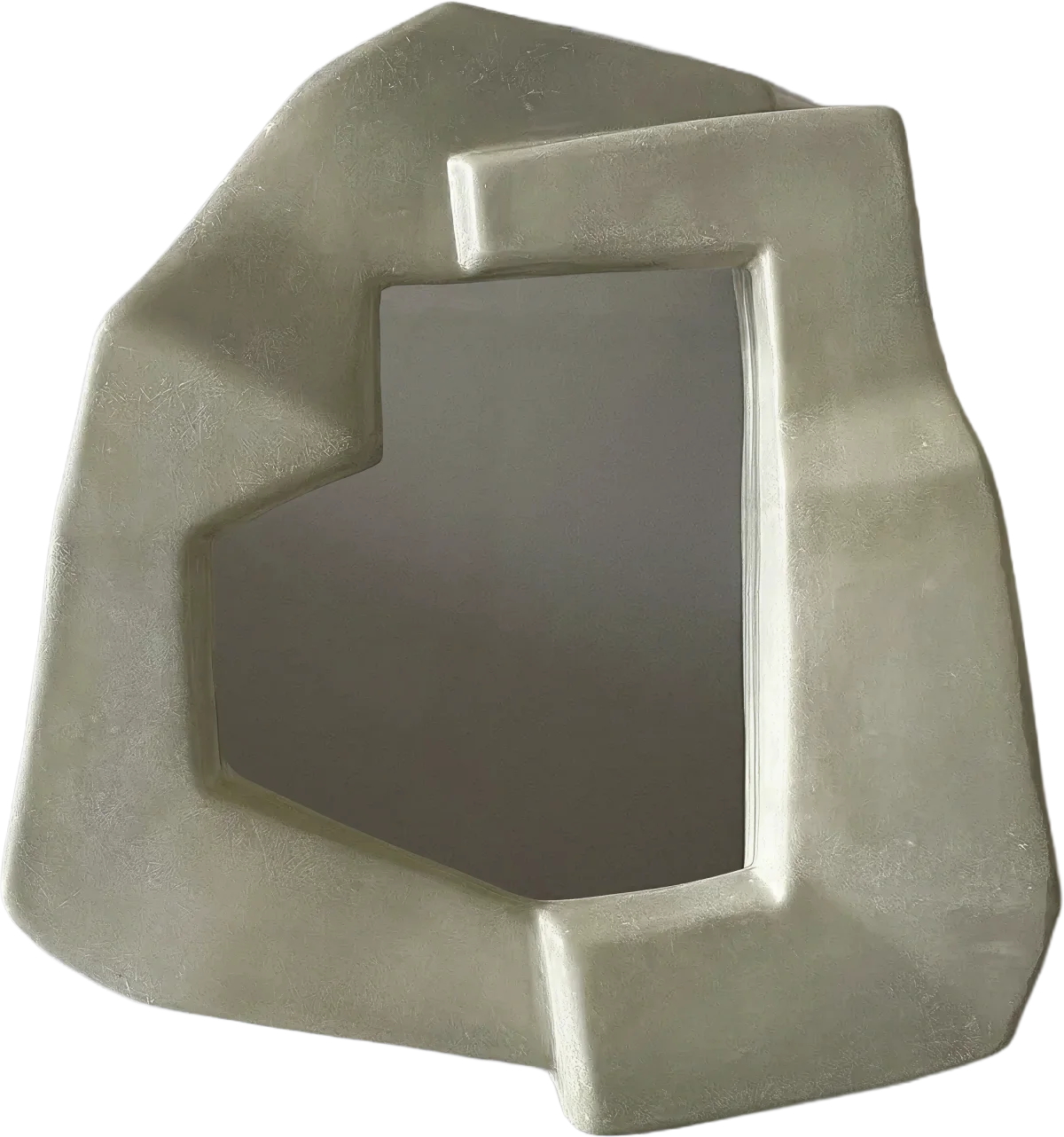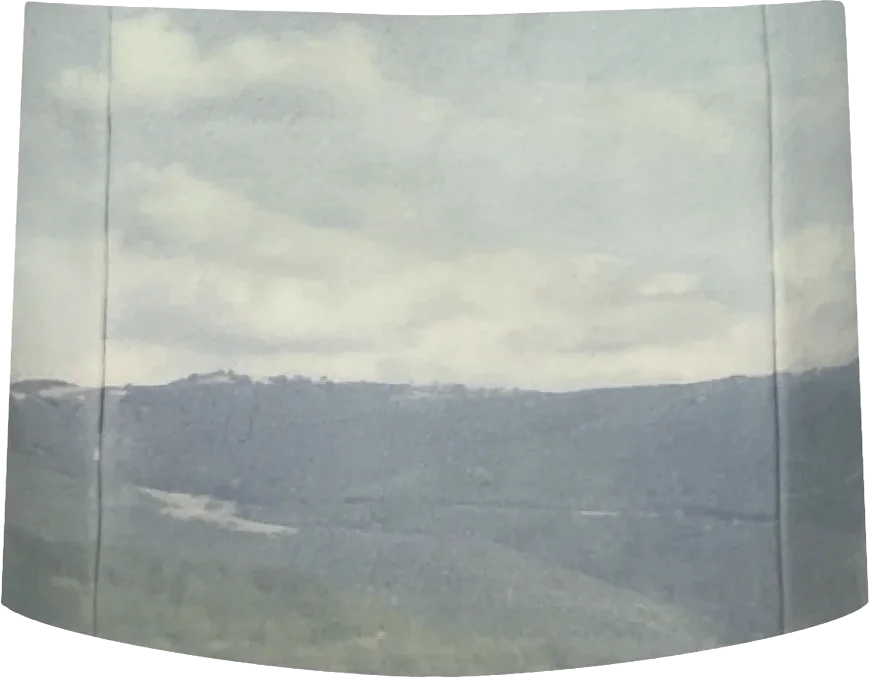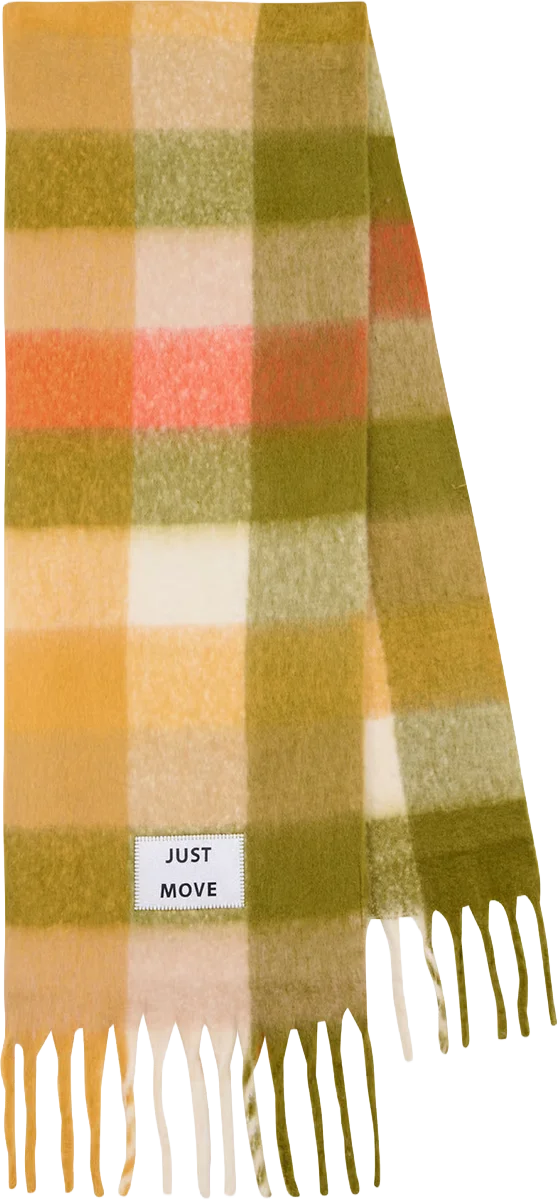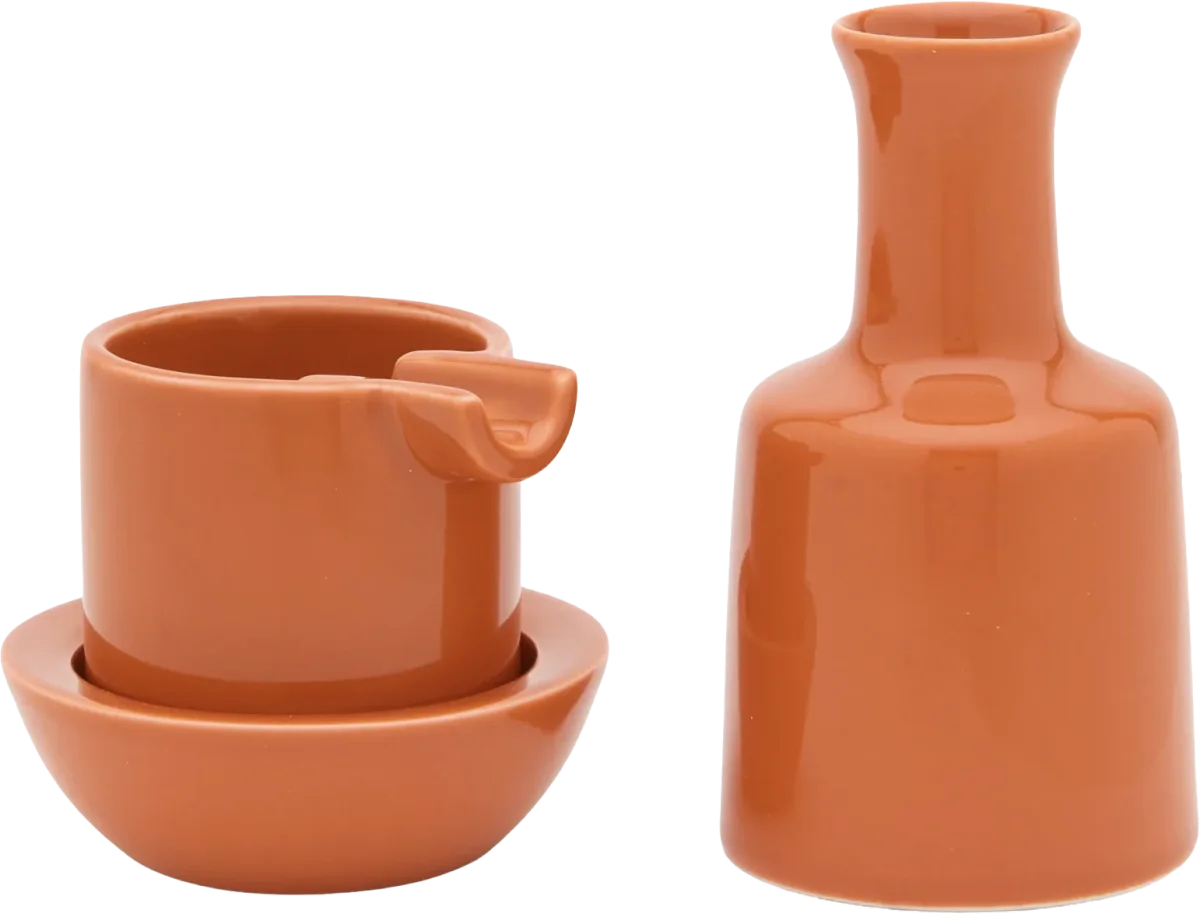
Rural England imagined as a moral universe expressed in chintz, herb gardens, and handwritten recipes, constructing an escapist pastoral never geographically specific enough to be disappointed by actual countryside.
59 items curated
The cottagecore aesthetic gathers the visual material of a romanticized country existence, drawing on the textures of hand-pressed flowers, embroidered linens, raised garden beds and the soft golden palette of summer afternoons spent baking bread by an open window. Its emergence as one of the dominant lifestyle currents of the past decade rests on its proposition that domestic life itself can be the central decorative act, treating the act of baking, gathering wildflowers or laying a table for friends as legitimate creative work that deserves its own visual vocabulary.
What separates cottagecore from the parallel worlds of farmcore or grandmacore is its closer attention to the lyrical and the storybook, the way an interior can suggest the home of a character from a nineteenth-century novel rather than a working farmstead or a grandmother's parlor. Designers gravitating toward this aesthetic frequently reach for floral chintz, embroidered tablecloths, vintage botanical prints, pale wood furniture, and the soft tonal palette of cream, sage, pale rose and the warm yellow of beeswax candles. The contemporary appeal of cottagecore lies in its insistence that beauty and slowness can be deliberately cultivated even within busy modern lives, treating each small domestic ritual as a chance to compose something visually meaningful.
Cottagecore organizes itself around the visual culture of romanticized rural domestic life, drawing on floral prints, embroidered linens, pressed-flower arrangements and the warm tactile range of vintage country furniture. The aesthetic prizes objects associated with baking, gardening, sewing and other slow domestic practices, often paired with the pastoral imagery of nineteenth and early twentieth century children's literature.
Farmcore stays closer to the working rhythm of agricultural life, with utility-grade textiles, enamelware and the structural furniture of the farmstead as its primary vocabulary. Cottagecore reaches into the more decorative and storybook register of rural living, replacing the butter churn and the pine refectory table with the embroidered tablecloth and the rose-printed teacup, choosing romance and lyricism over utility.
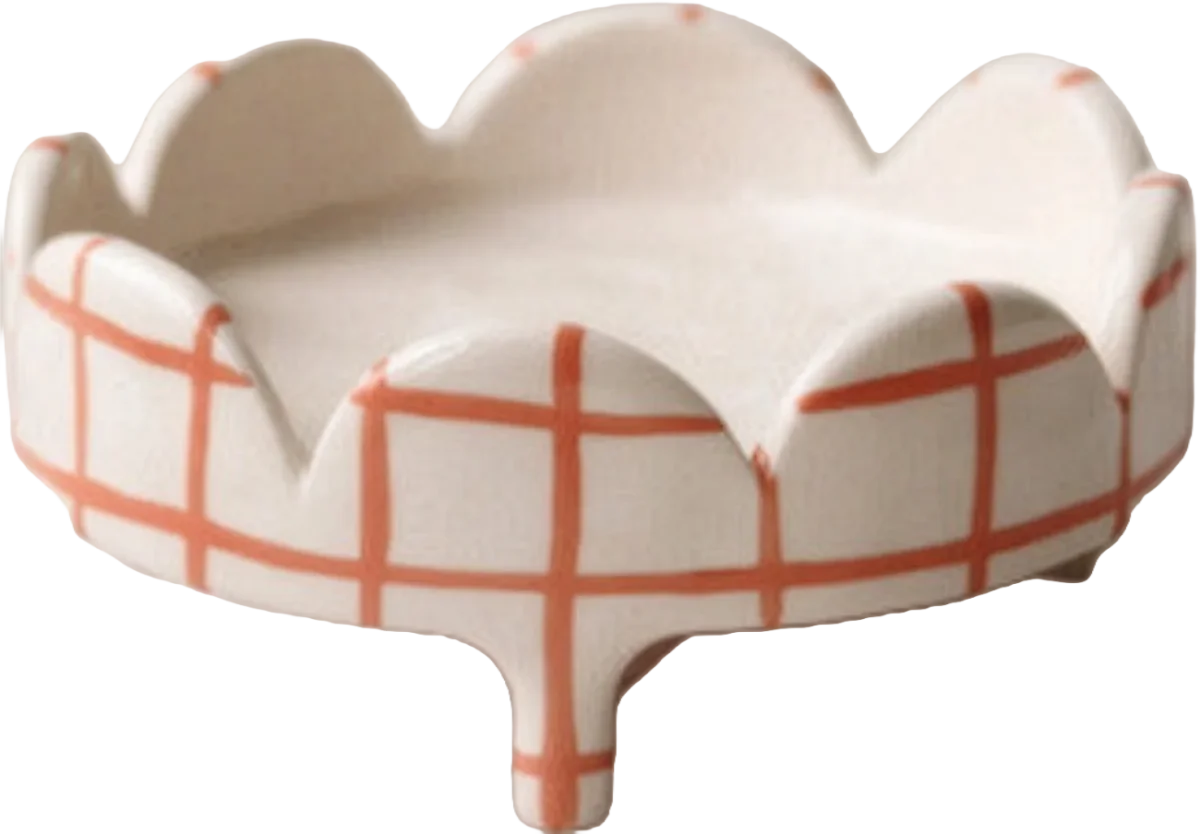
A cottagecore interior tends to gather floral chintz curtains, vintage botanical prints, embroidered table runners, pressed flower frames, hand-painted ceramic dishware, wicker baskets filled with seasonal flowers, wool blankets in soft pastels and the kind of pale wood furniture associated with English country houses. Decorative touches often include beeswax candles, vintage tea sets, embroidered cushions, lace-trimmed pillowcases and small porcelain animal figurines.
Cottagecore traces its visual sources to the romanticized country imagery that pervaded nineteenth century European art and literature, particularly the children's books illustrated by figures such as Beatrix Potter and Kate Greenaway alongside the pastoral paintings of the same era. Its contemporary form crystallized on social platforms during the late 2010s and early 2020s, when a generation of design-literate audiences embraced the cottagecore vocabulary as a deliberate retreat from urban acceleration and digital saturation.
The gift ideas page helps you find a present by mood, style and budget. You choose their intensity, their vibe and your budget with three sliders, and the page returns objects from the newitem.earth archive, each one linking to the original shop.