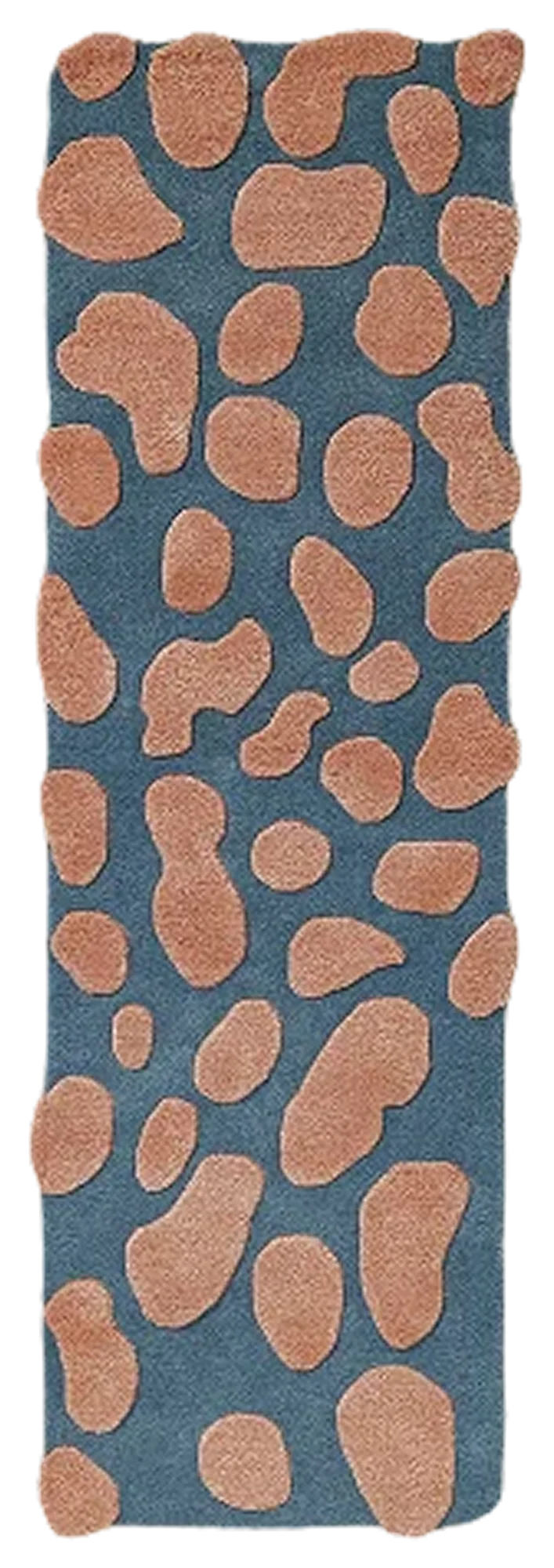
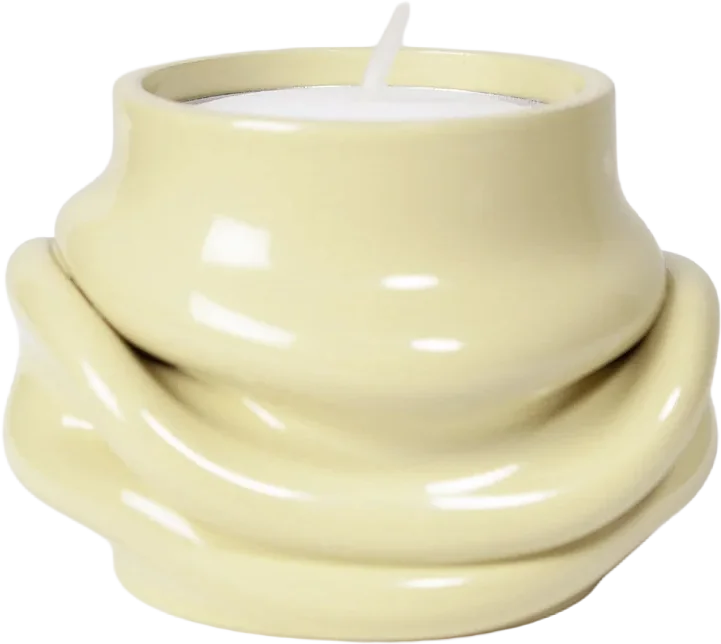
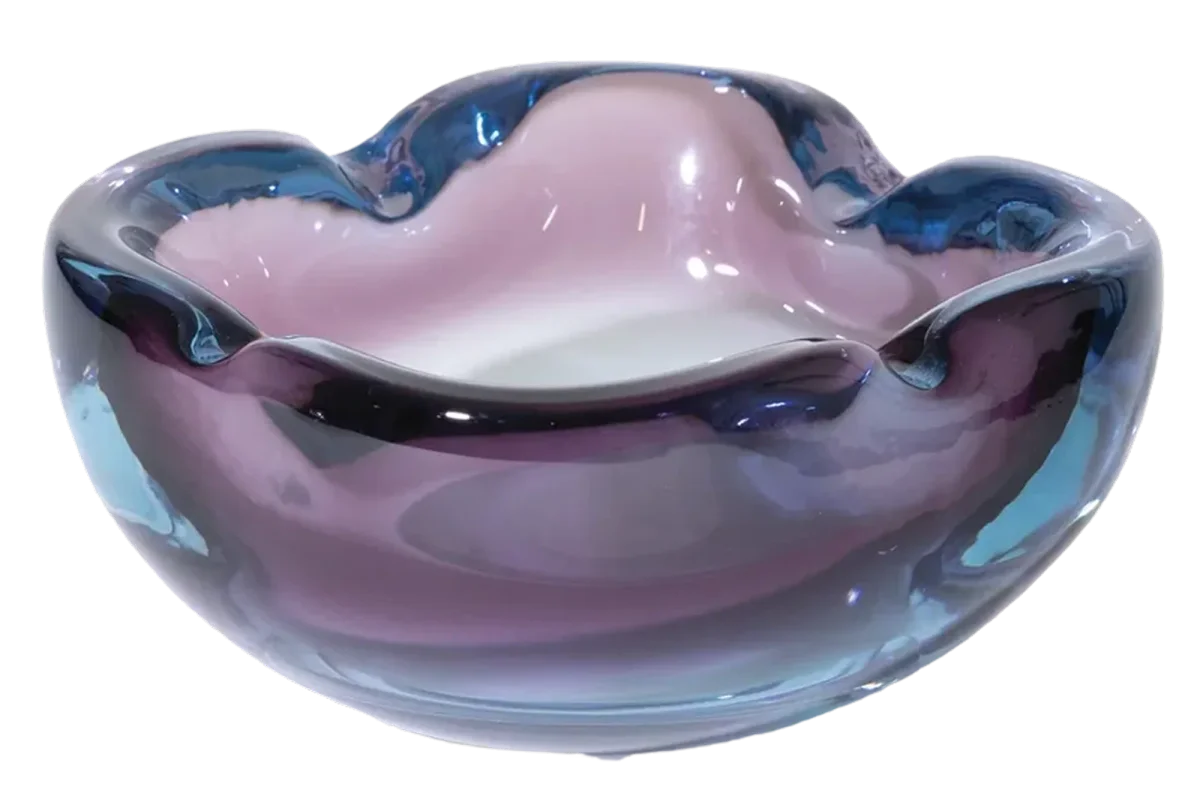
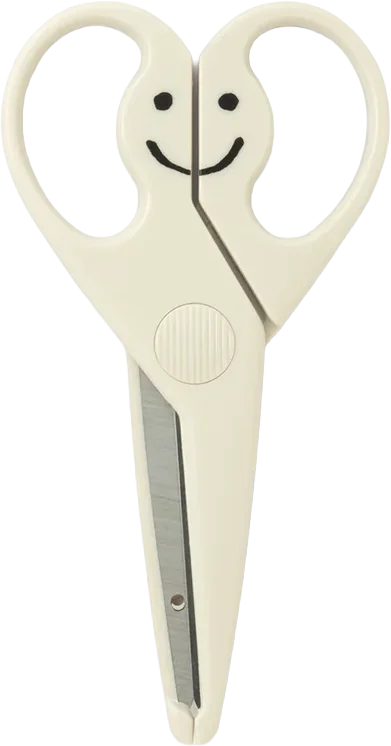
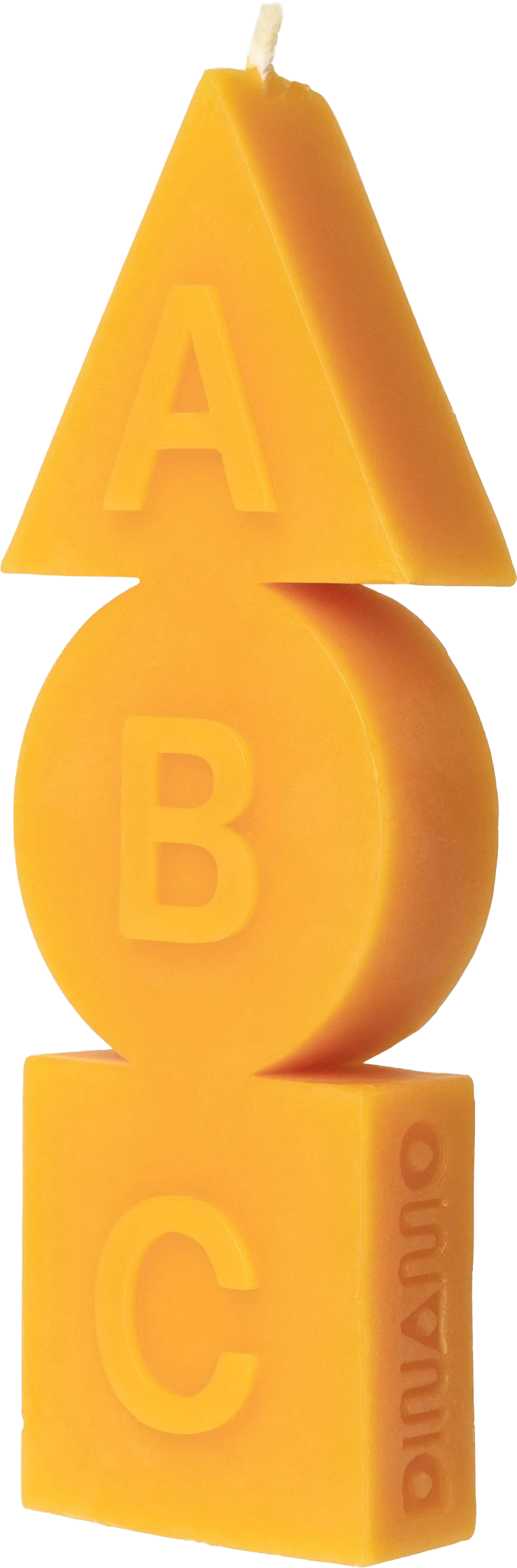
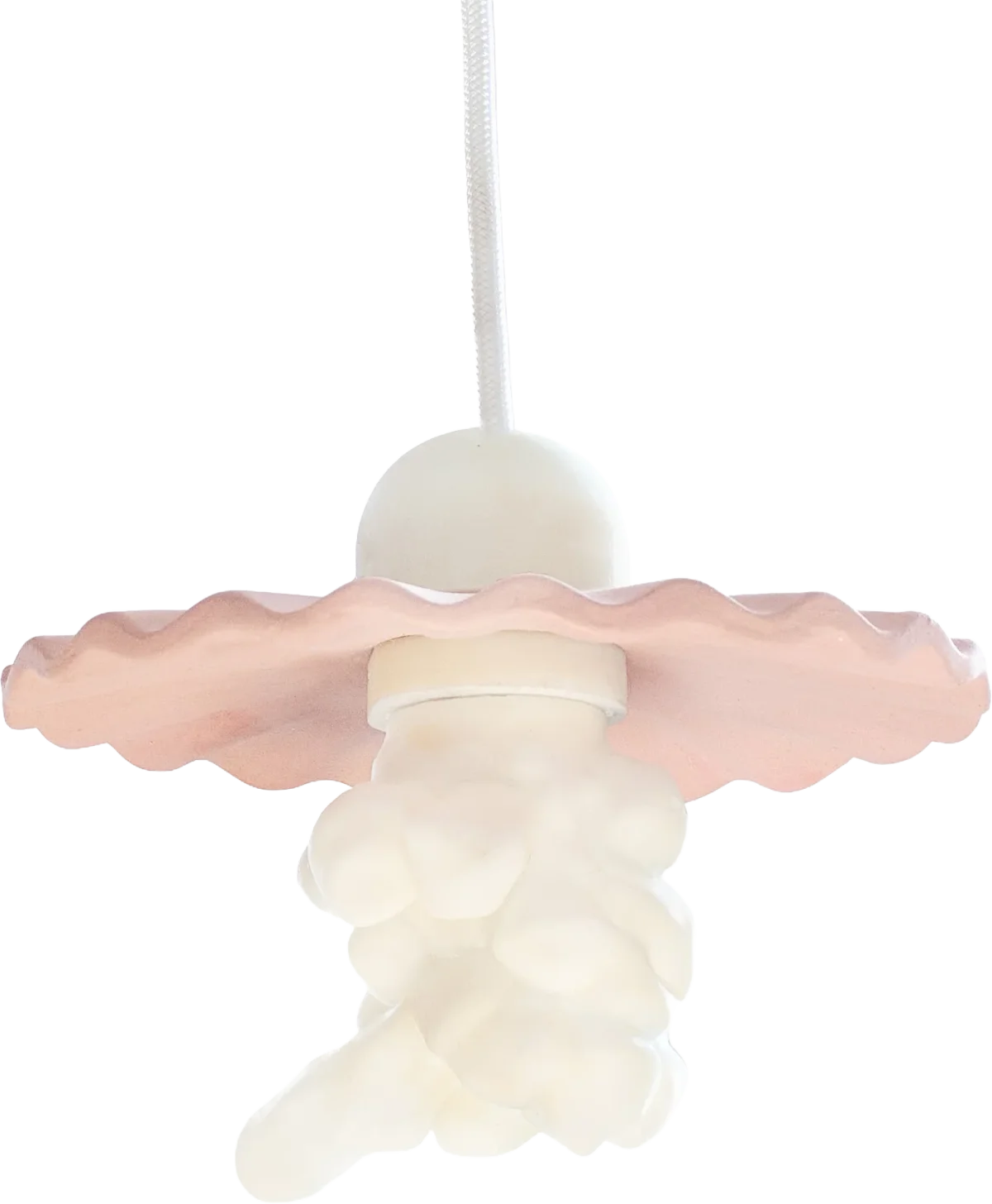
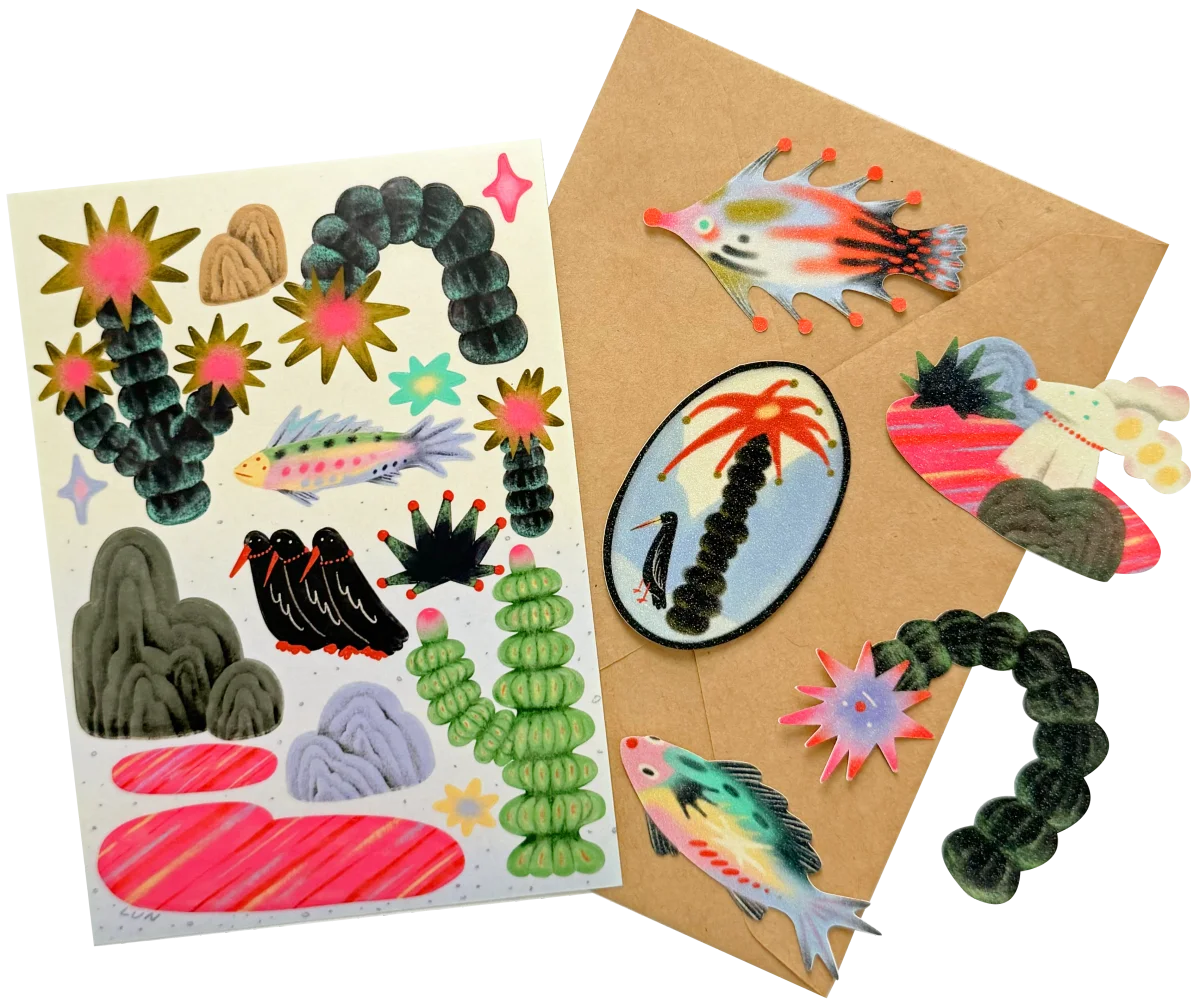
The craftcore aesthetic places the handmade object at the center of domestic life, gathering hand-thrown ceramics, hand-woven textiles, hand-carved wooden vessels and other pieces whose making remains legible in their surfaces. Its rise among contemporary design audiences took shape during a moment when the broader culture began to question the disposable rhythm of mass production, looking instead toward objects that retain the imperfect signatures of their makers and propose a more deliberate relationship between owner and possession.
What distinguishes craftcore from the related vocabularies of artisancore or slow design is its closer attention to the small-batch independent maker, the way a particular potter, weaver or joiner becomes part of the story an object tells once it enters the home. Designers gravitating toward this aesthetic frequently reach for raw linen, undyed wool, stoneware in the muted palette of clay slips, and the warm tonal range of carved oak, ash and elm, building interiors that feel as much like the inside of a working studio as a finished domestic space. The contemporary appeal of craftcore lies in its proposition that the everyday object can carry biographical weight, the kind of meaning that mass-produced goods structurally cannot offer.
what defines the craftcore aesthetic
Craftcore organizes itself around hand-made objects produced by independent small-batch makers, with an emphasis on materials that age visibly, surfaces that retain the marks of their making and a palette drawn from the natural tones of unfired clay, undyed linen and unfinished wood. The aesthetic prizes legibility of process and tends to favor ceramics, textiles, basketry, wooden vessels and other objects whose making can be traced back to a particular maker or workshop.
how does craftcore differ from artisancore
Artisancore tends to celebrate the traditional craft heritage of specific cultural regions, often referencing folk traditions and inherited techniques passed down through generations. Craftcore takes a more contemporary view, focusing on the present-day independent maker and the small studio practice, valuing the personal authorship of a single ceramicist or weaver above the cultural lineage of a particular technique.
which objects belong to a craftcore interior
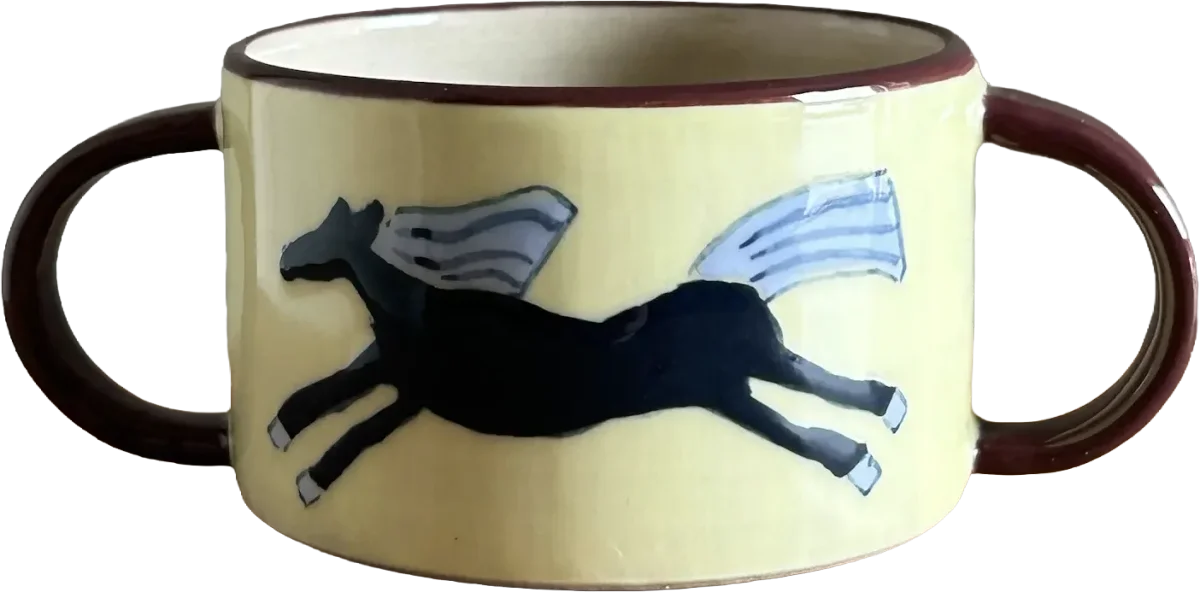
A craftcore interior tends to gather hand-thrown stoneware mugs, hand-woven baskets in willow and rush, ceramic vessels with visible wheel marks, raw linen table runners, wool blankets from independent weavers and wooden bowls turned by individual makers. Larger pieces might include slatted oak chairs from small-batch joiners, hand-knotted wool rugs, ceramic lamp bases finished with matte slip glazes, and shelving built from reclaimed timber by independent carpenters.
where does the craftcore aesthetic come from
Craftcore draws its sensibility from the legacy of the Arts and Crafts movement that emerged in late nineteenth-century Britain in response to industrial production, alongside the studio craft revival that took shape in the United States and Scandinavia during the post-war decades. Its contemporary form has been propelled by the rise of independent maker platforms throughout the 2010s and 2020s, which allowed design-literate audiences to commission work directly from individual ceramicists, weavers and joiners working in small studios.
Where can I find gift ideas?
The gift ideas page helps you find a present by mood, style and budget. You choose their intensity, their vibe and your budget with three sliders, and the page returns objects from the newitem.earth archive, each one linking to the original shop.