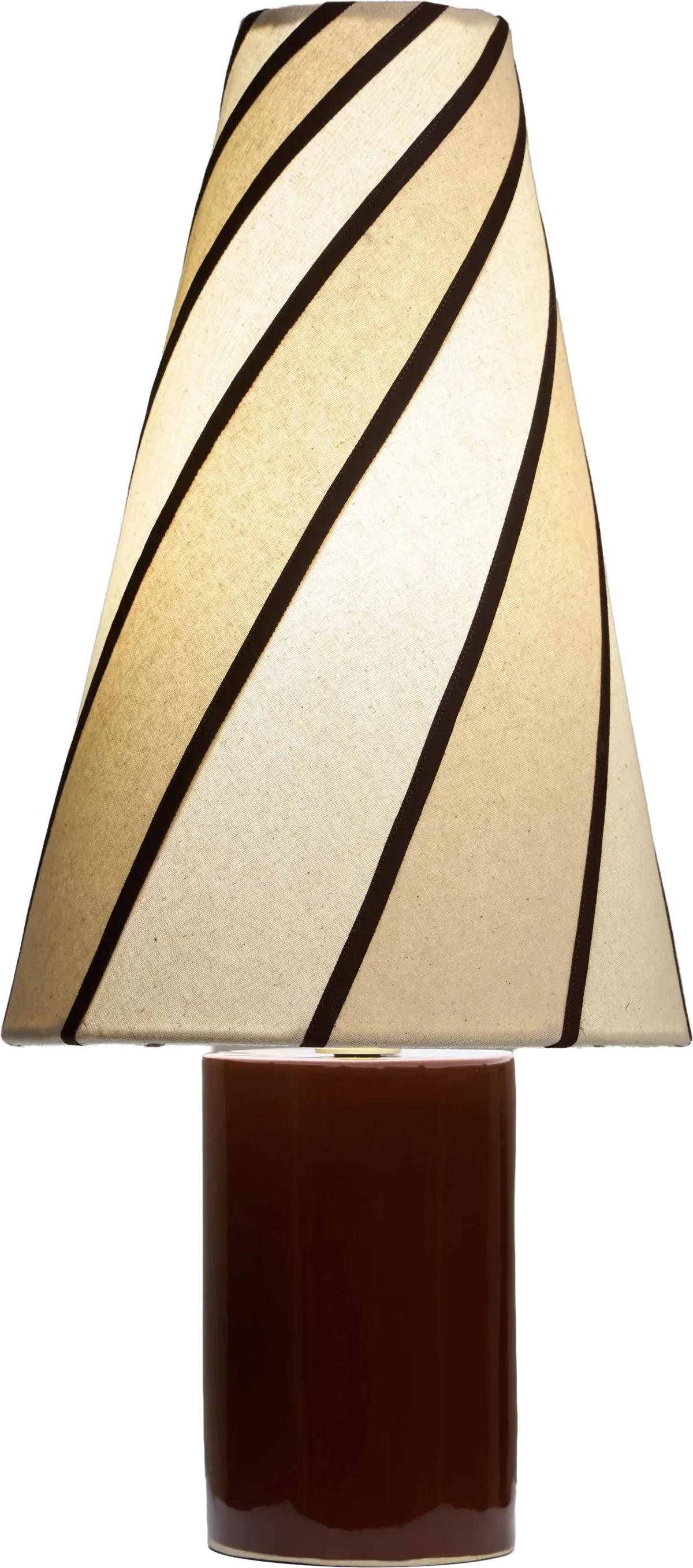
Candlelit libraries, tweed collages, and Latin marginalia representing a fantasy of intellectual life so atmospheric that the actual reading has become somewhat optional, which Umberto Eco would probably have found both amusing and familiar.
25 items curated
The dark academia aesthetic builds itself from the sensory archive of the old university, gathering leather-bound volumes, tweed jackets, brass desk lamps and the slightly worn patina of wood-paneled libraries into a vocabulary that has become one of the most recognizable design currents of the past decade. Its appeal lies in the way it proposes a parallel relationship with knowledge and time, treating the cluttered scholar's study as both a working space and a private aesthetic statement that holds the residue of centuries of European intellectual culture.
What separates dark academia from the broader cottagecore or vintage revival is its closer attention to the gothic and the scholarly, the way an interior can suggest a tutorial at Oxbridge in 1923 or the chambers of a melancholy poet living above the courtyard of an old college. Designers gravitating toward this aesthetic typically favor dark walnut and mahogany furniture, oxblood leather seating, tarnished brass fixtures, and the deep tonal palette of forest green, burgundy, ink black and the cream of vellum manuscripts. The contemporary resurgence, fueled by the cultural ascendance of the dark academia aesthetic on social platforms in the early 2020s, owes much to a generation seeking interiors that reward slow looking and propose intellectual depth as a legitimate decorative quality.
Dark academia organizes itself around the visual culture of the European university tradition, particularly the libraries, lecture halls and private studies of nineteenth and early twentieth century scholarly institutions. The aesthetic prizes leather-bound books, tweed and herringbone textiles, brass and bronze hardware, oxblood leather seating, and the warm tonal range of mahogany, walnut and aged oak, often paired with deep colors borrowed from the chromatic palette of old manuscripts and academic robes.
Light academia shares the scholarly references and the love of books but inverts the tonal register, building interiors around cream, ivory, soft camel and the warm honeyed light of summer afternoons in old libraries. Where dark academia gathers its melancholy atmosphere from ink, leather and candle smoke, light academia composes a brighter version of the same world, with linen curtains, pale stone walls and the gentle decay of pressed flowers tucked into vintage volumes.
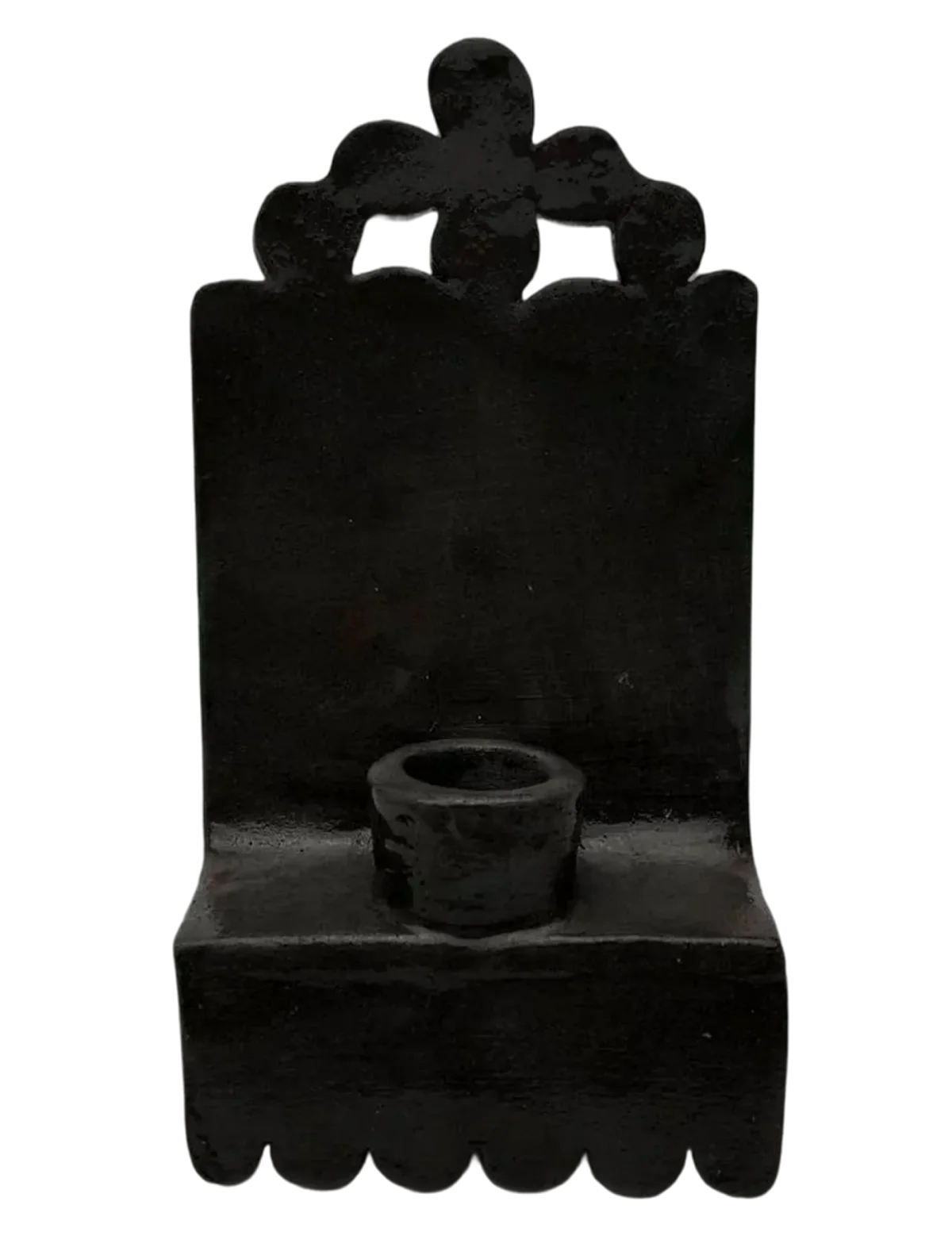
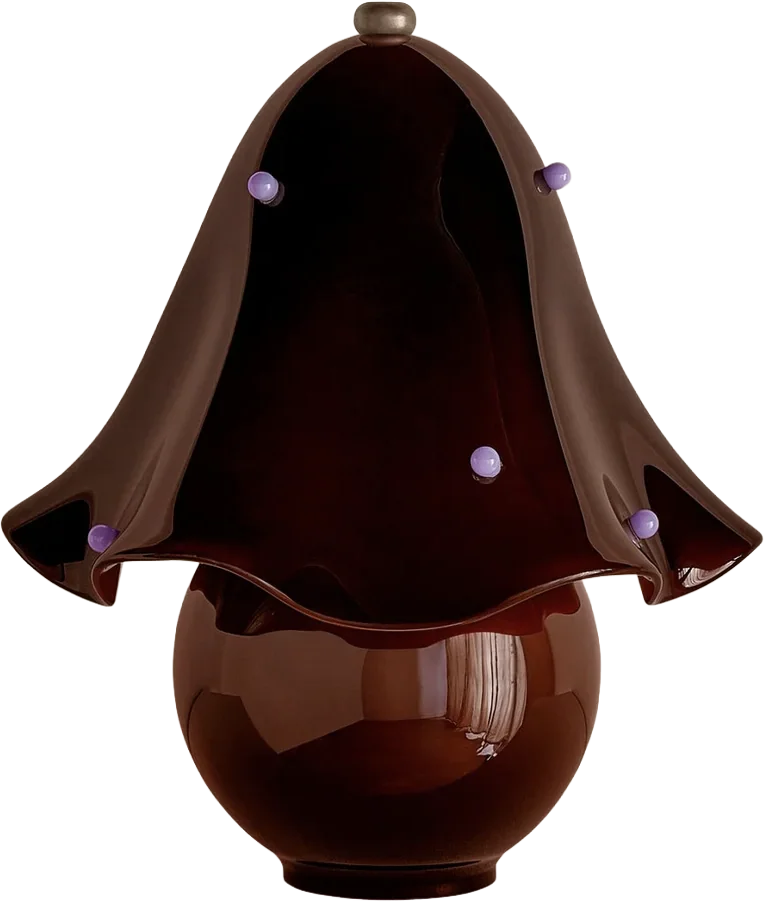
A dark academia interior tends to gather leather-bound book collections, brass desk lamps with green glass shades, oxblood club chairs, mahogany writing desks, vintage globes, anatomical illustrations, tarnished candlesticks, and tweed or herringbone upholstery. Smaller objects often include fountain pens, leather portfolios, brass-rimmed reading glasses, illustrated atlases, vintage typewriters and the kind of small bronze sculptures associated with grand tour souvenirs.
Dark academia traces its visual sources to the documented interiors of European universities and private scholars from the late nineteenth and early twentieth centuries, particularly the colleges of Oxford and Cambridge and the literary circles of figures such as Donna Tartt's fictional Hampden College or the real chambers of W.H. Auden and Vladimir Nabokov. Its contemporary aesthetic revival took shape on social platforms during the early 2020s, when a generation drawn to scholarly atmospheres reclaimed the visual language of the old university for use in contemporary interiors and wardrobes.
The gift ideas page helps you find a present by mood, style and budget. You choose their intensity, their vibe and your budget with three sliders, and the page returns objects from the newitem.earth archive, each one linking to the original shop.