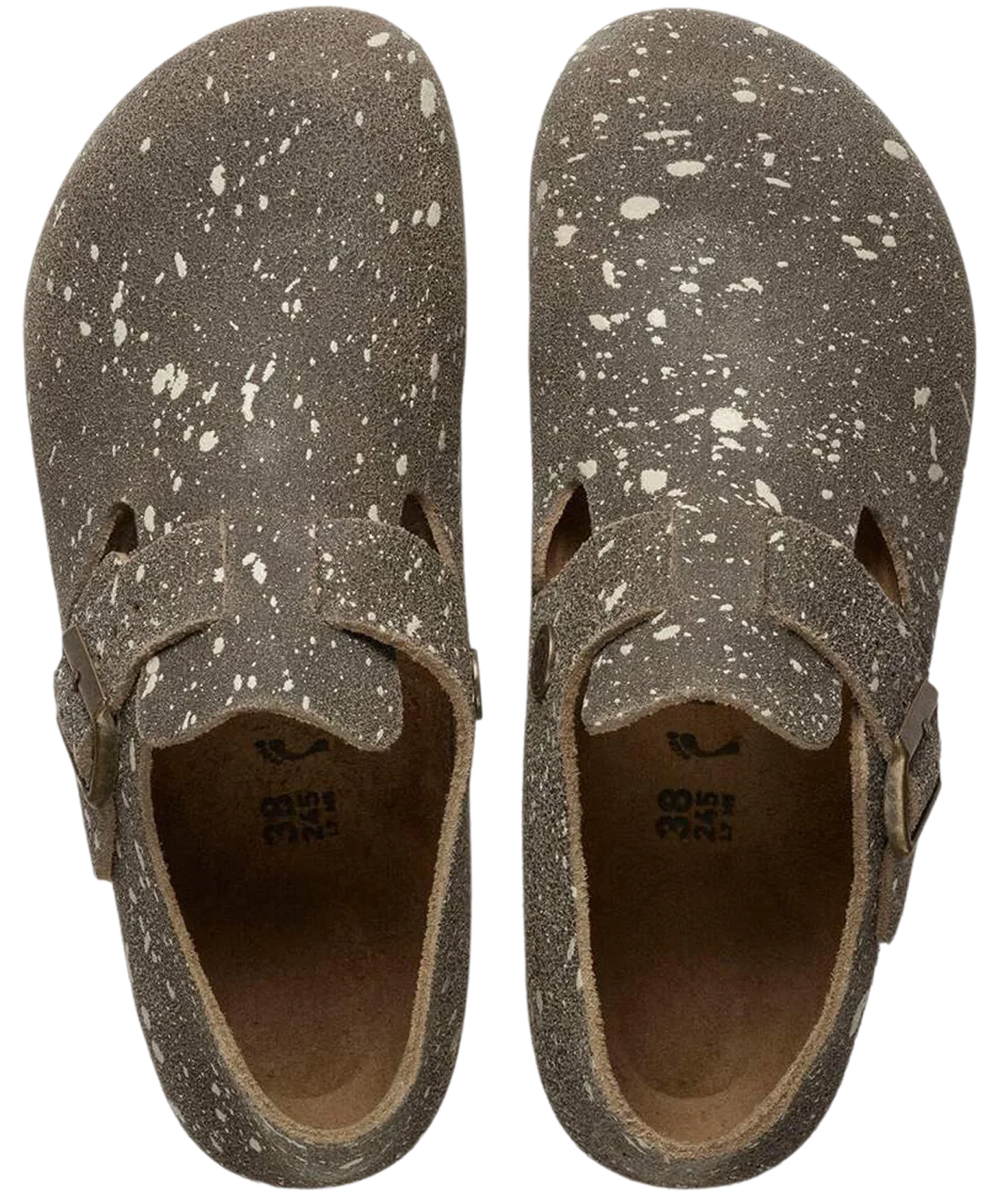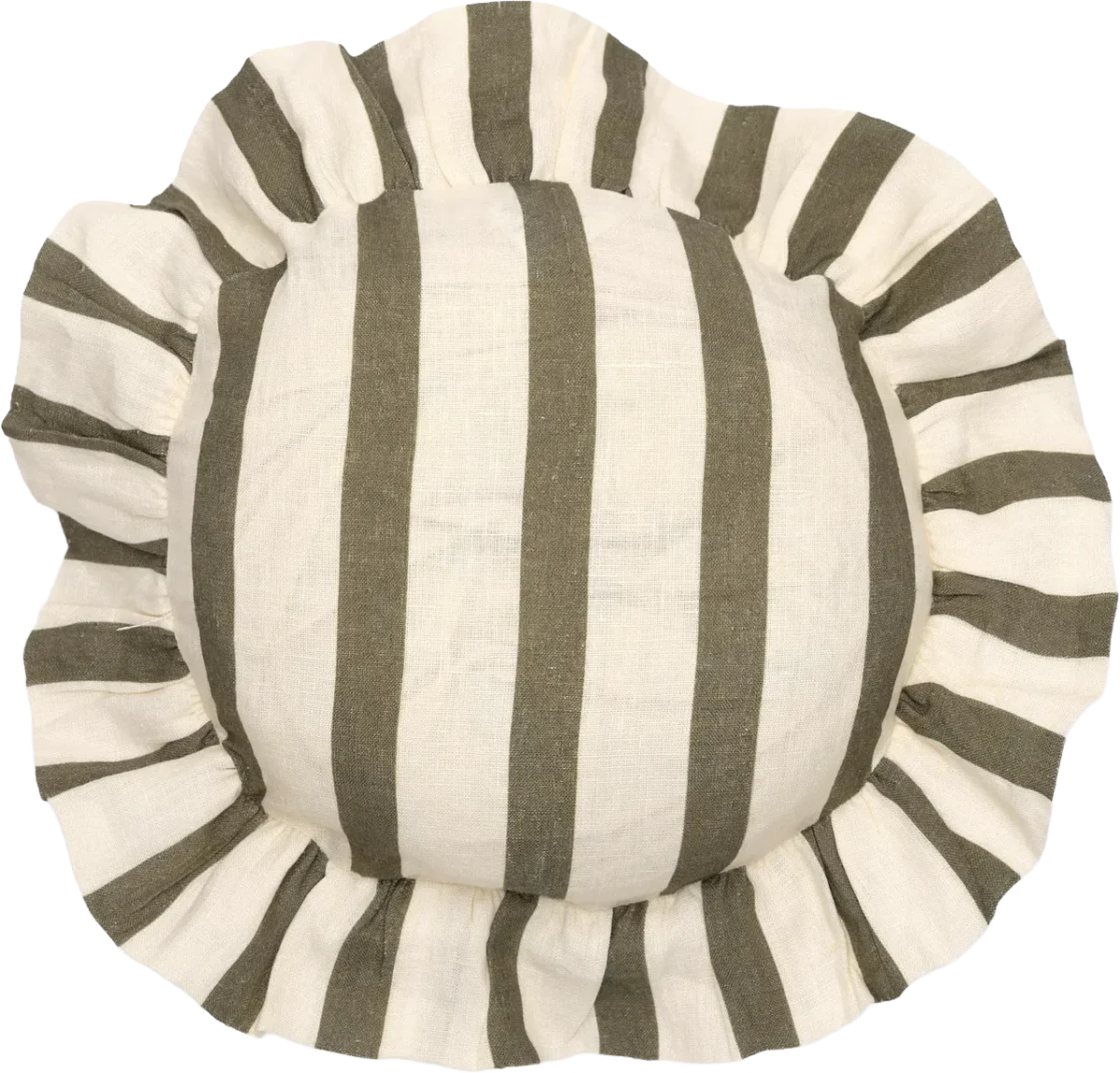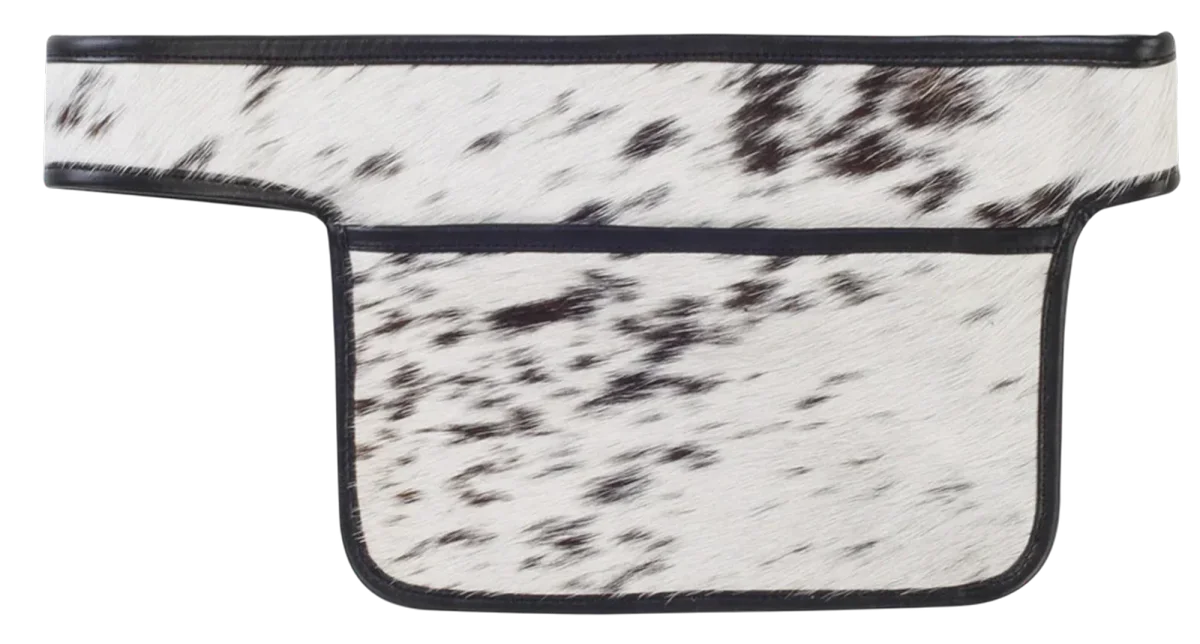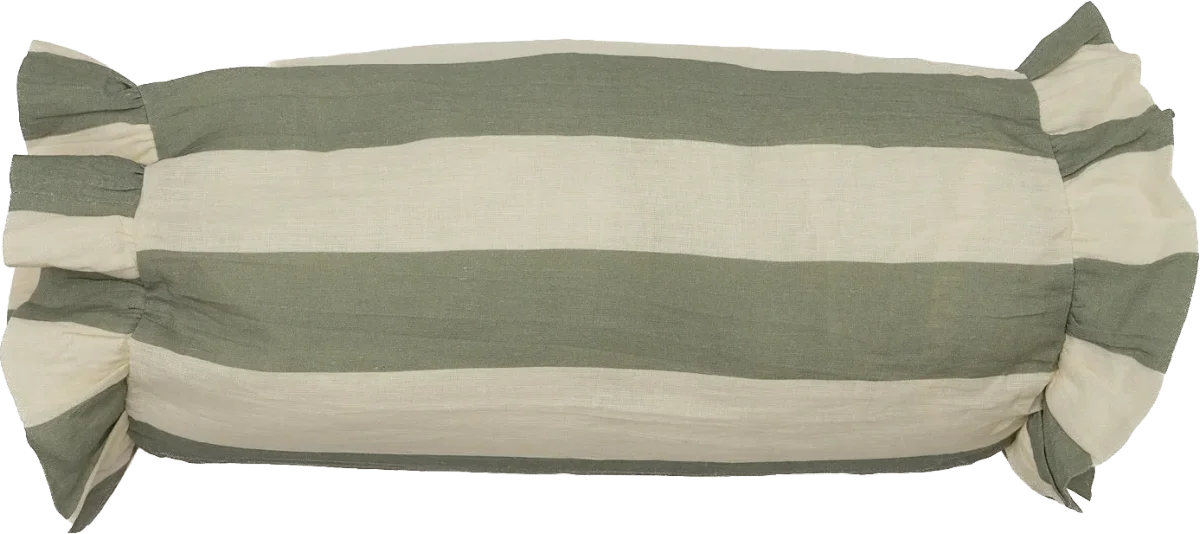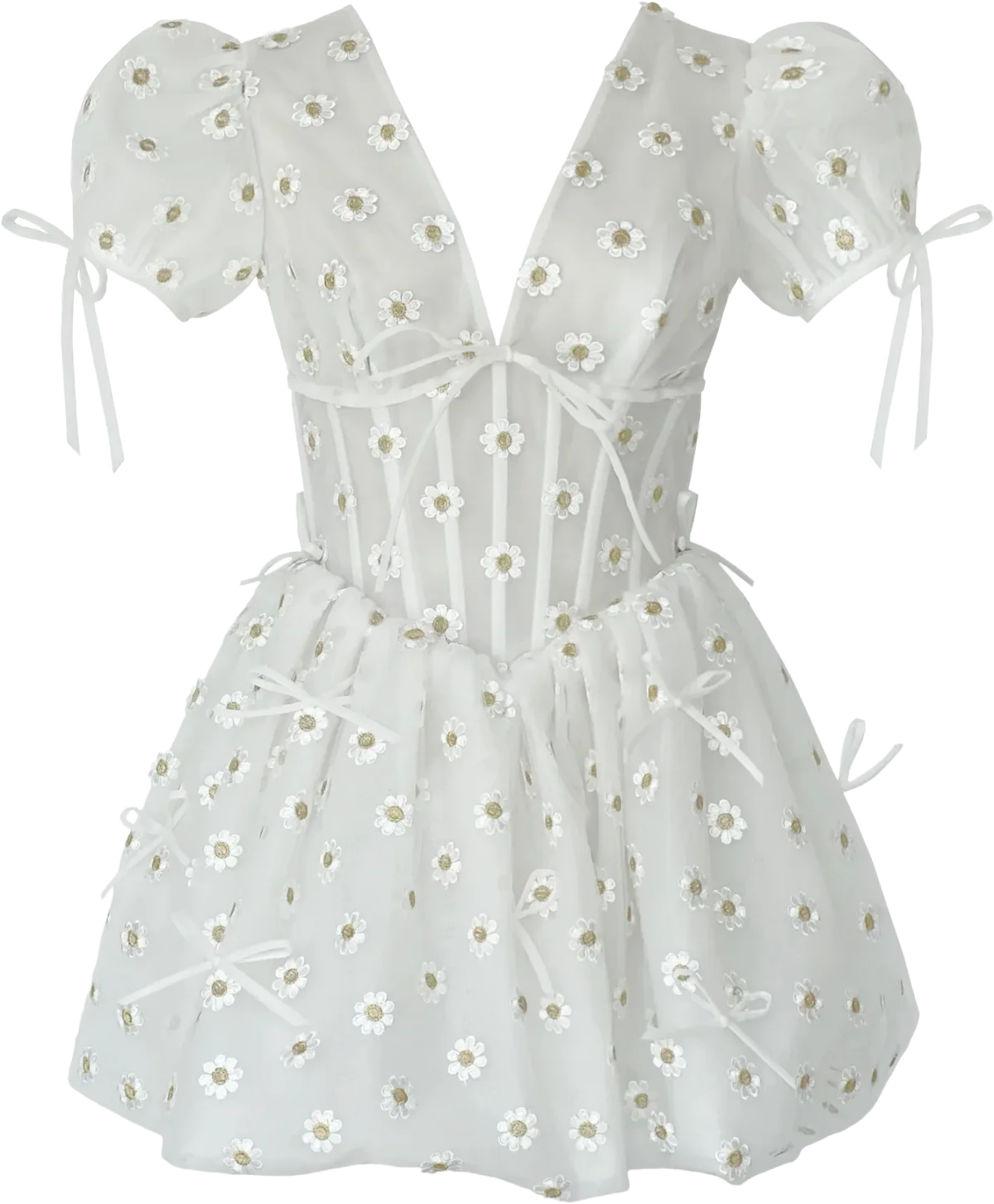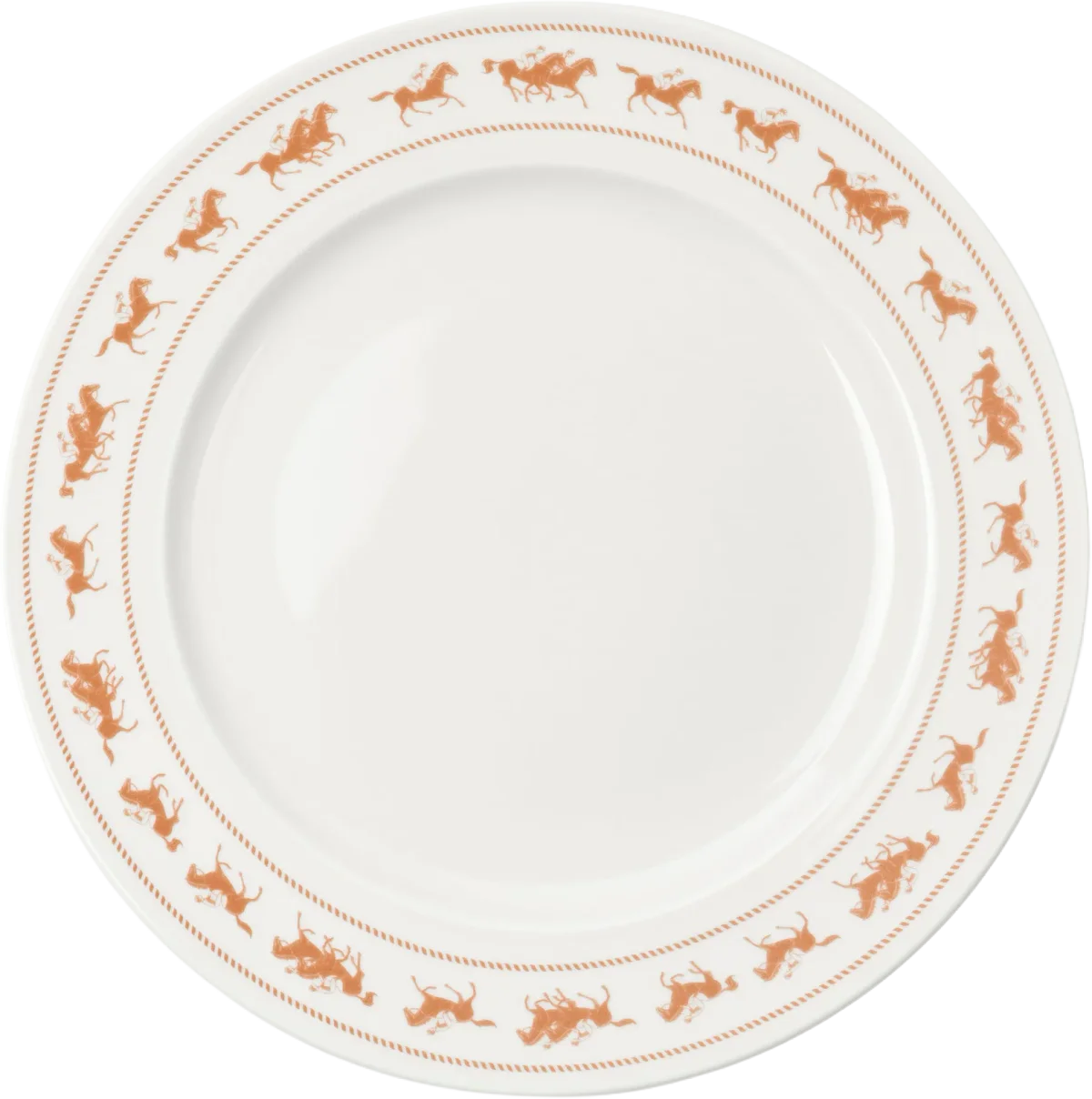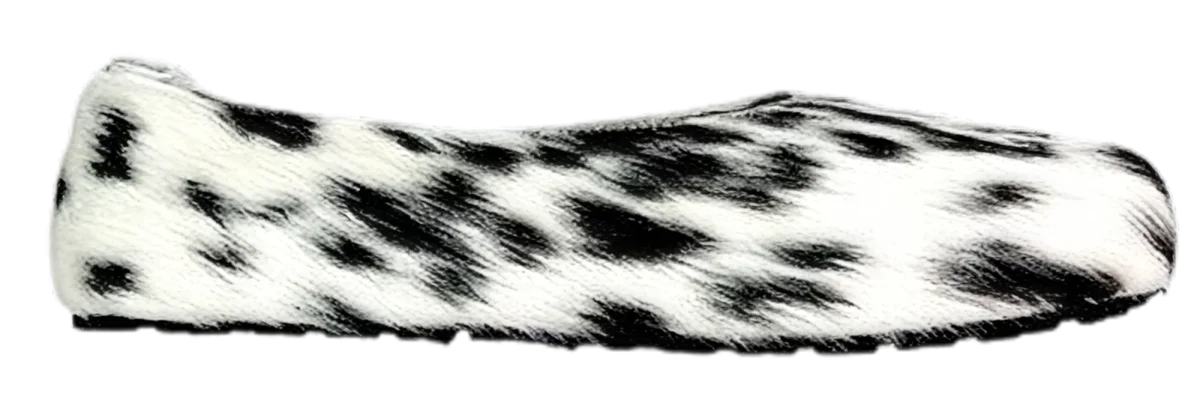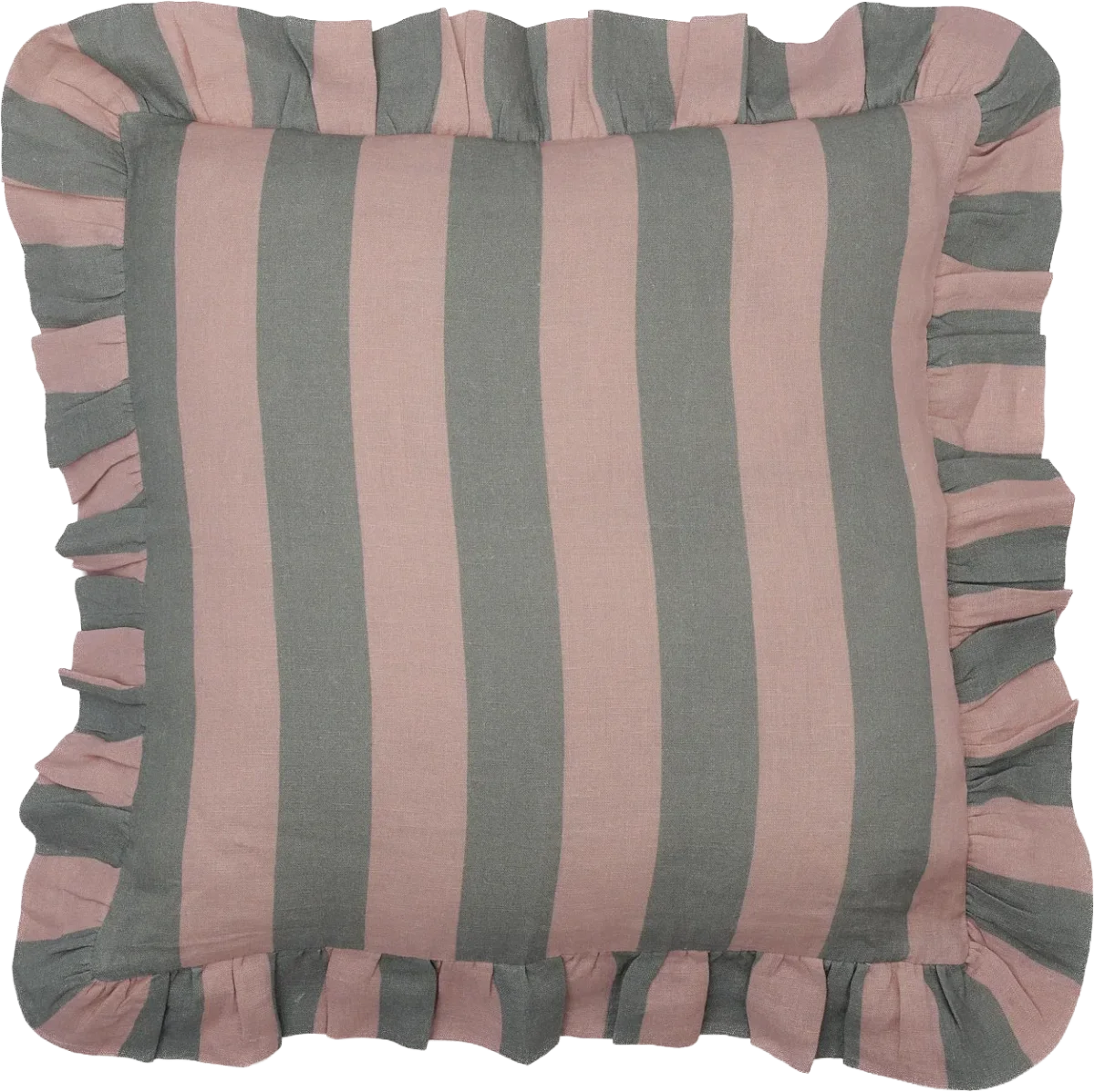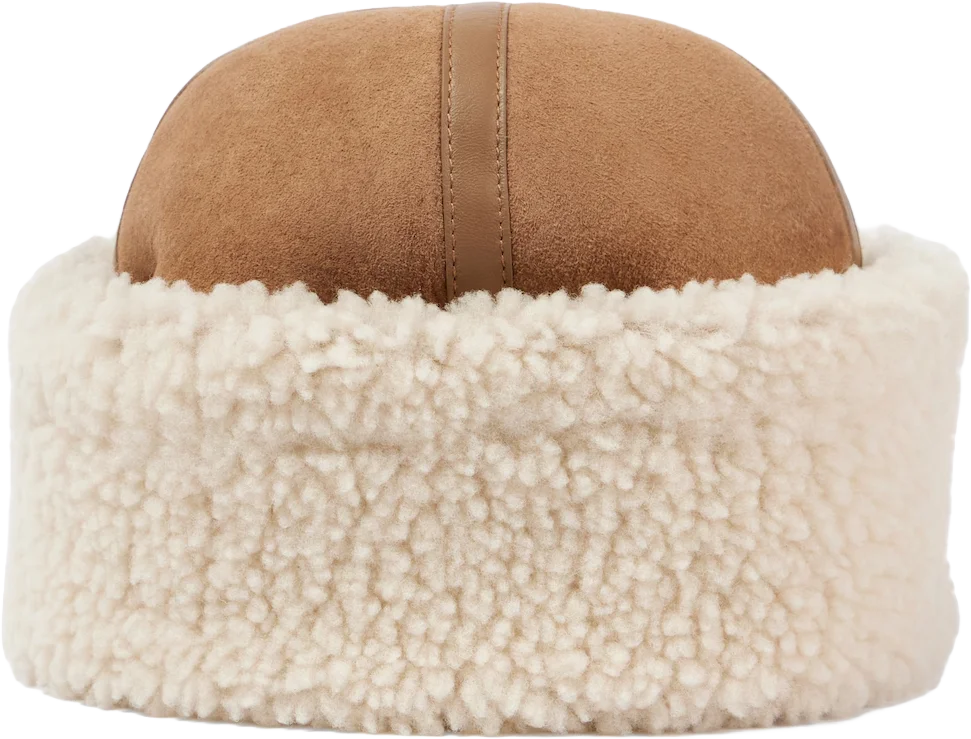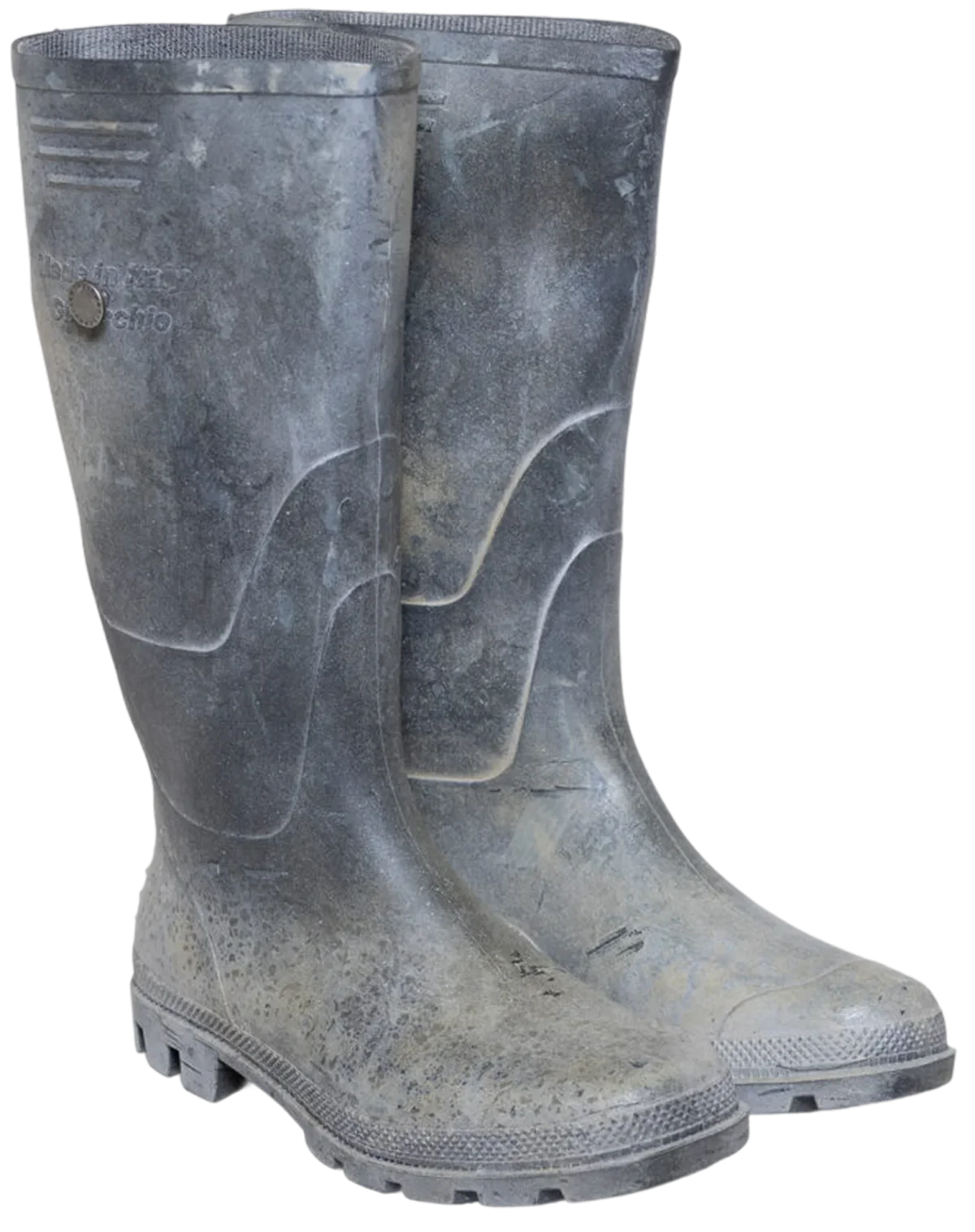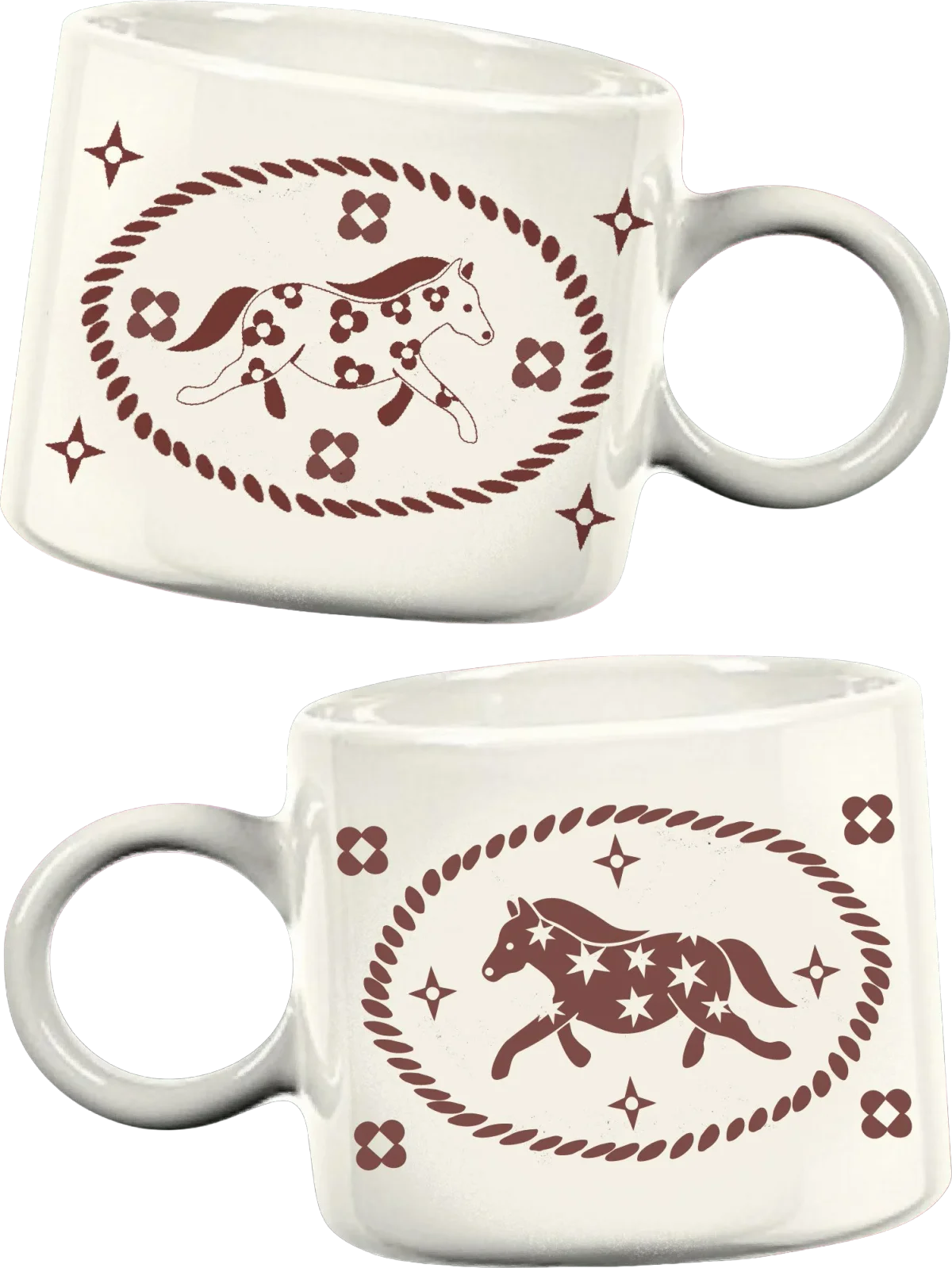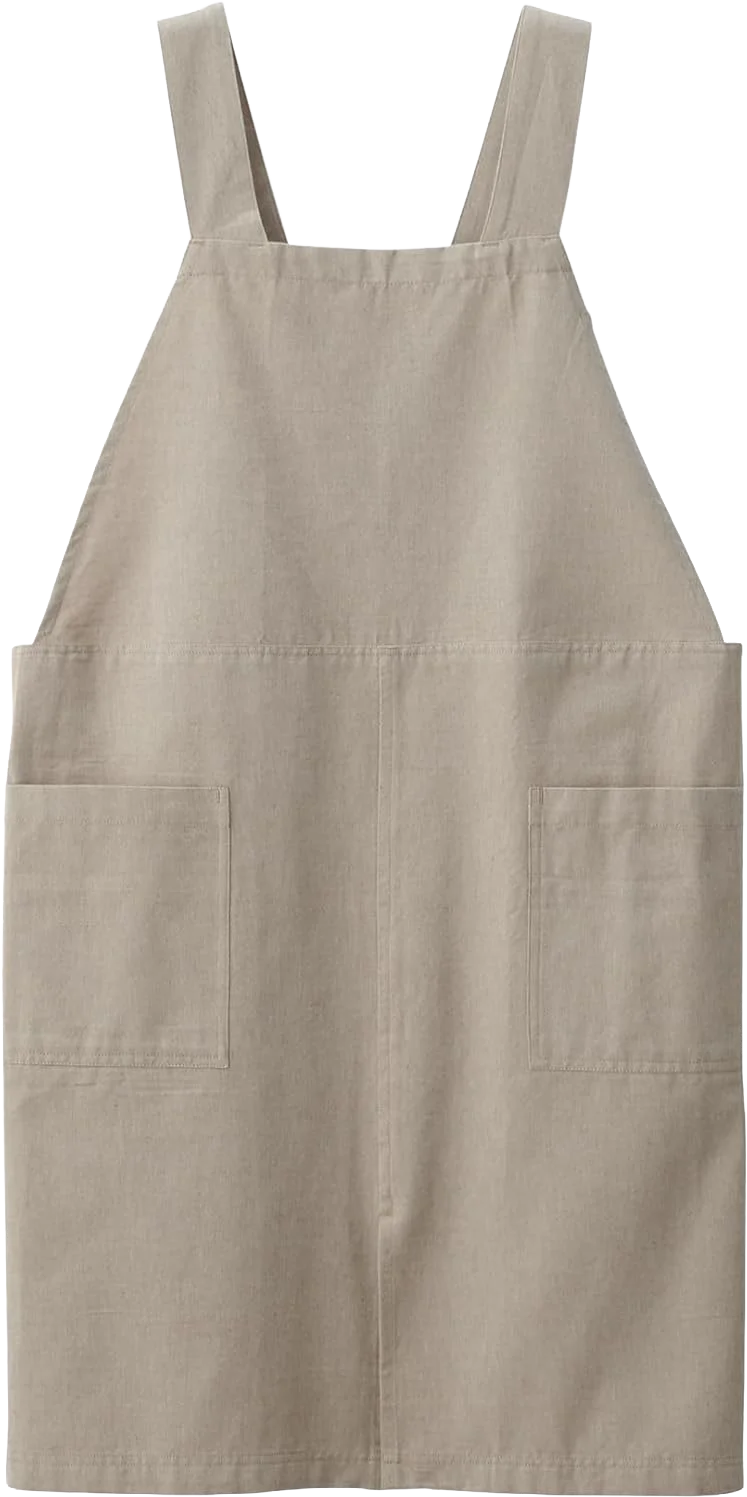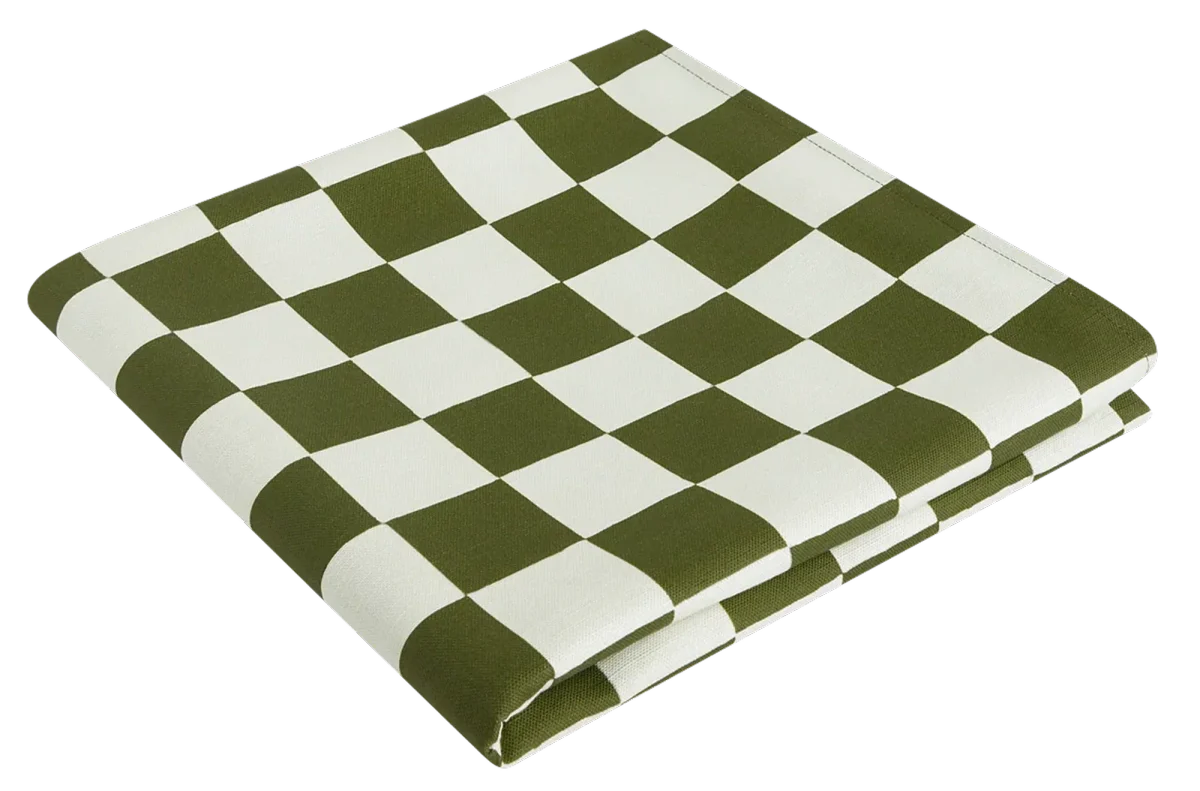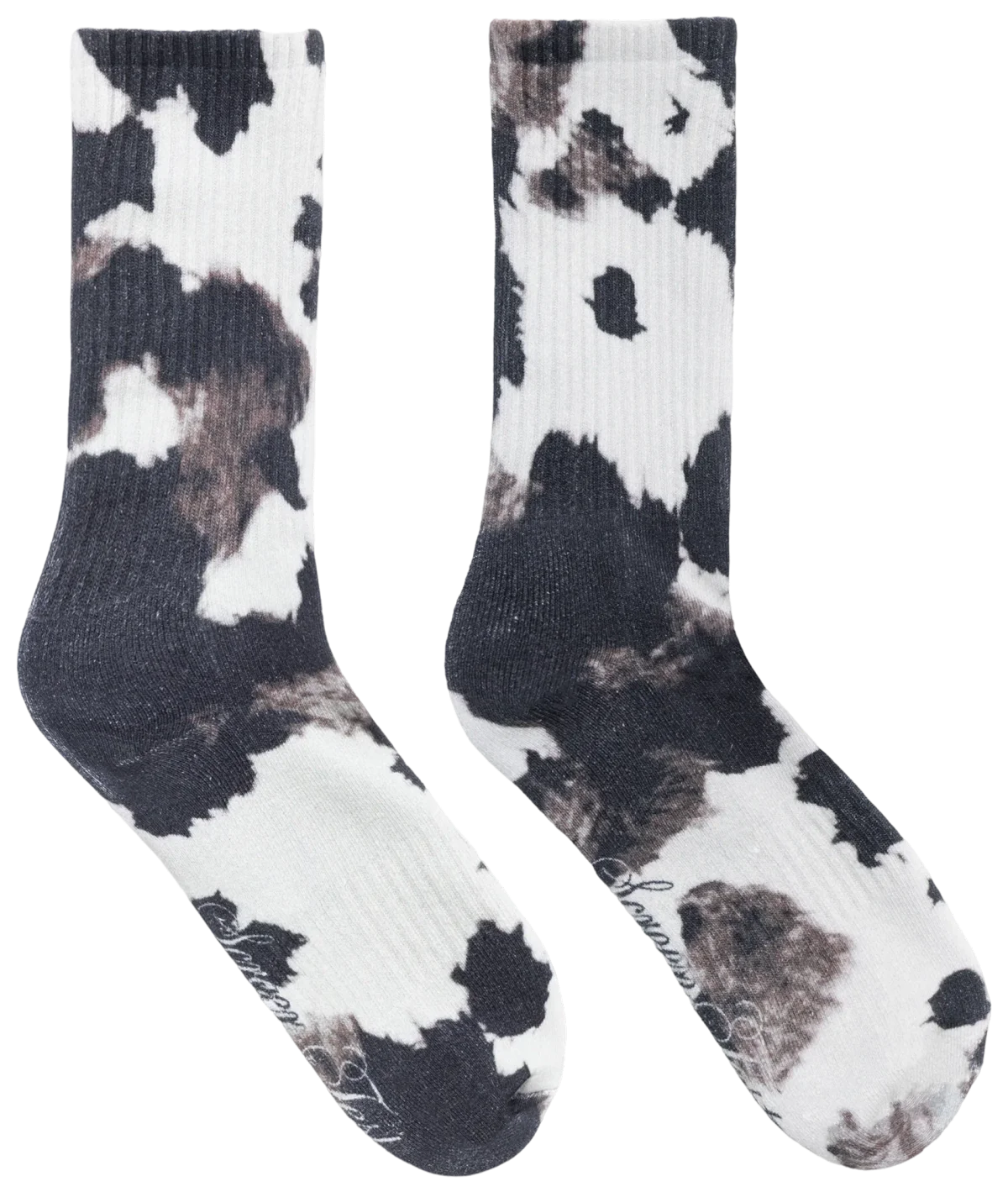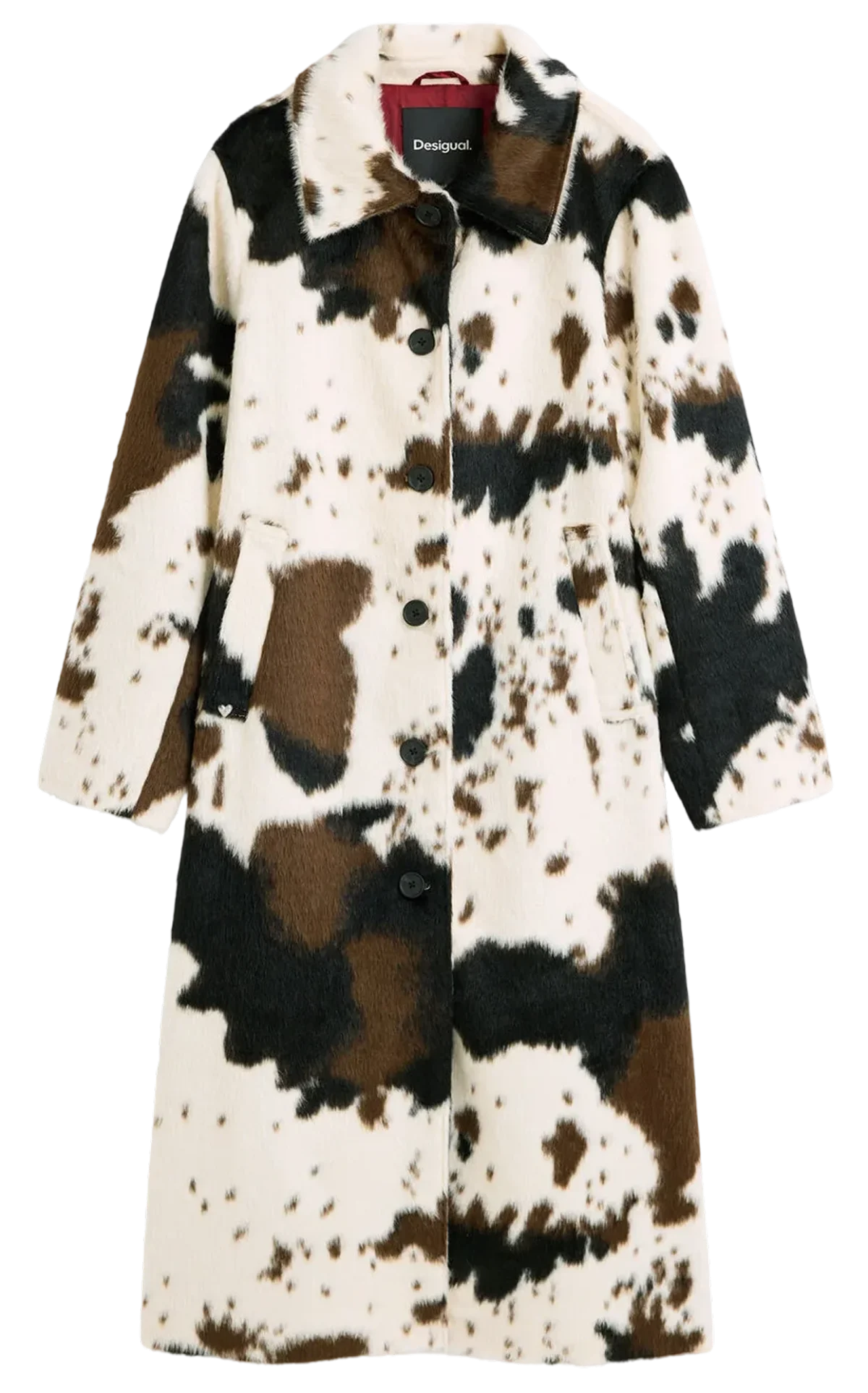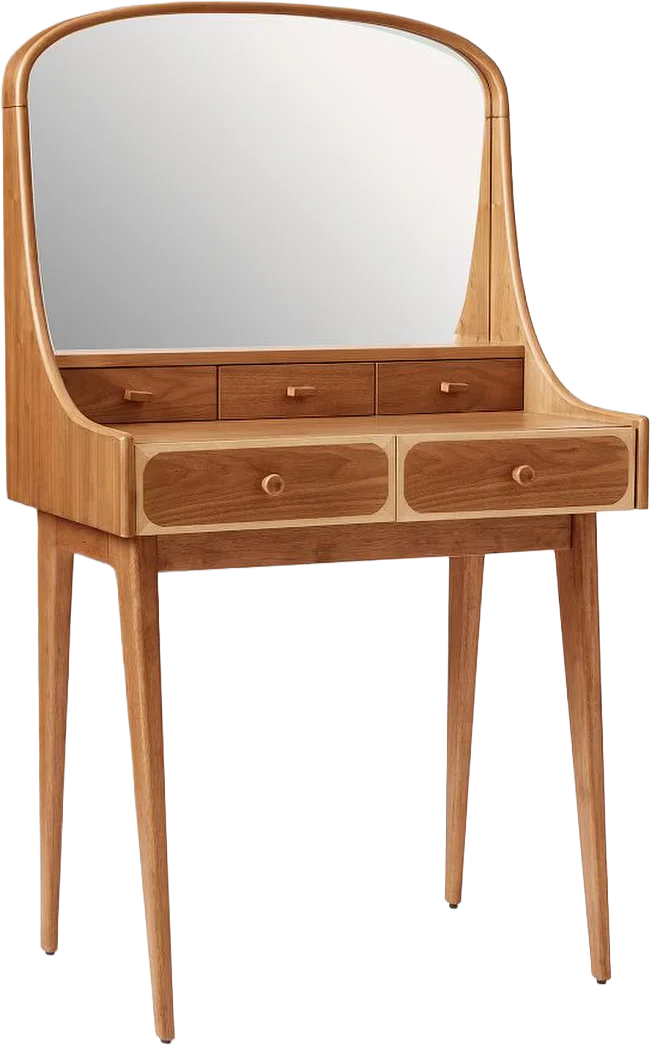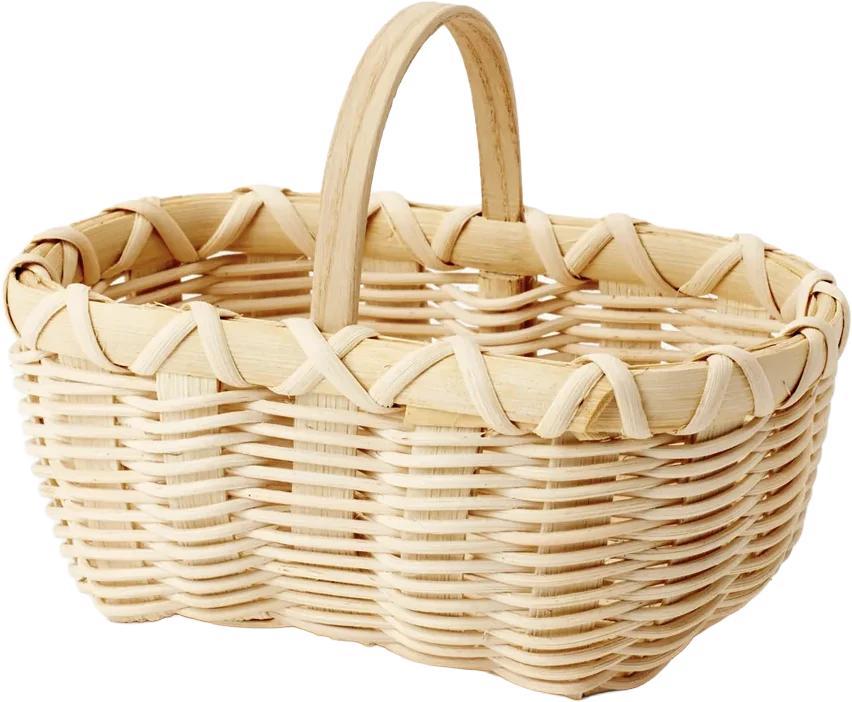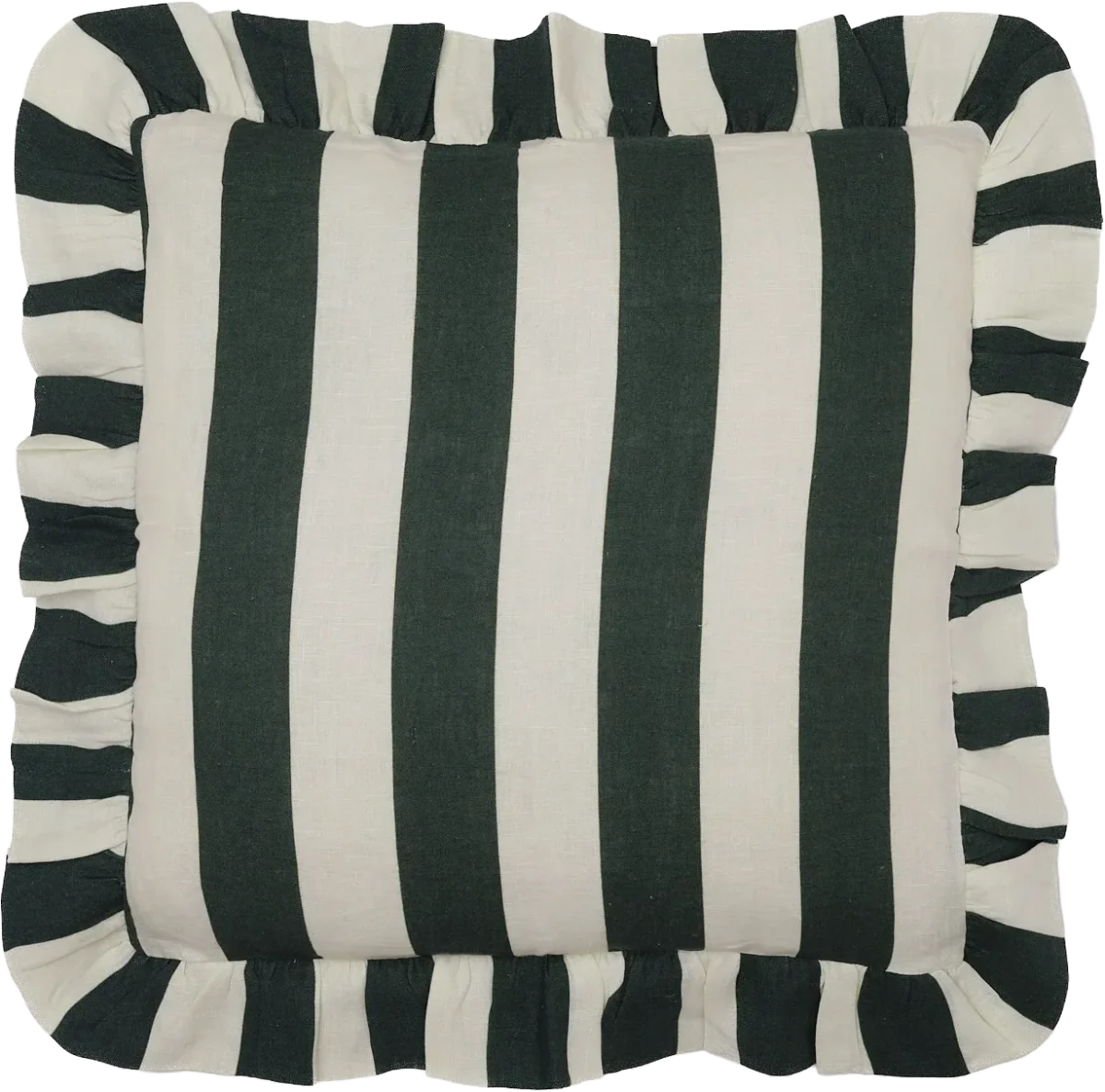
Agricultural labour is translated into weathered wood, rough linen and hand-thrown ceramics, so that the pleasures of the field may be enjoyed by people whose boots have never met it.
20 items curated
The farmcore aesthetic finds its compass in the working geometry of rural life, drawing on the textures of weathered wood, hand-woven cane and unbleached linen that have always defined the visual language of agricultural interiors. Its appeal arrived during a moment when the design world had grown weary of the polished minimalism that ruled the previous decade, looking instead toward homes that hold the trace of seasons, of meals shared at long tables, of the careful repair that marks objects intended to last several generations.
What distinguishes farmcore from the broader cottagecore vocabulary is its closer relationship with utility, the way a butter churn or a stoneware mixing bowl carries the same quiet beauty as an heirloom tablecloth. Designers working within this aesthetic tend to favor honest materials and slow craftsmanship, often returning to enamelware, jute matting, and the soft palette of cream, terracotta and faded sage that recalls the kitchens documented in the early photographs of Tasha Tudor or the Shaker communities of New England. The aesthetic resists nostalgia in its purest form, choosing instead to translate the rhythms of farm work into objects that suit a contemporary apartment as readily as a country house.
Farmcore brings together the visual codes of rural domestic life as they appear in late nineteenth and early twentieth century farmhouses, with an emphasis on honest materials, hand-crafted objects and the patina that comes from daily use. The aesthetic favors natural fibers such as linen, hemp and wool over synthetic textiles, and treats functional items like enamel pitchers, wicker baskets and wooden cutting boards as legitimate decorative elements in their own right.
Cottagecore tends to lean into the decorative side of country life, drawing on floral prints, lace and the lyrical imagery of fairy tales, while farmcore stays closer to the working rhythm of the farmhouse itself. Where cottagecore styles a bedroom with hand-pressed flowers and ribboned baskets, farmcore furnishes a kitchen with stoneware crocks and oiled wood, choosing utility as its starting point and letting the beauty emerge from the materials themselves.
A farmcore interior tends to gather objects with a clear agricultural ancestry, such as enamel coffee pots, braided rush baskets, butter dishes in cream stoneware, linen aprons and tea towels in undyed cotton. Wooden cutting boards, cast-iron skillets and ceramic pitchers in muted earth tones often serve as the everyday vocabulary, while larger pieces like pine dressers, ladder-back chairs and woven jute rugs build the structural foundations of the room.
Farmcore traces its sensibility to the documented domestic interiors of American and European farmsteads of the nineteenth and early twentieth centuries, drawing particular inspiration from the Shaker tradition, the Arts and Crafts movement and the slow-living philosophy that emerged in response to industrialized homemaking. Its contemporary revival has been shaped by the renewed interest in homestead culture that took root during the early 2020s, as a generation of design-literate audiences began seeking interiors that felt grounded in tactility and seasonal time rather than digital speed.
The gift ideas page helps you find a present by mood, style and budget. You choose their intensity, their vibe and your budget with three sliders, and the page returns objects from the newitem.earth archive, each one linking to the original shop.