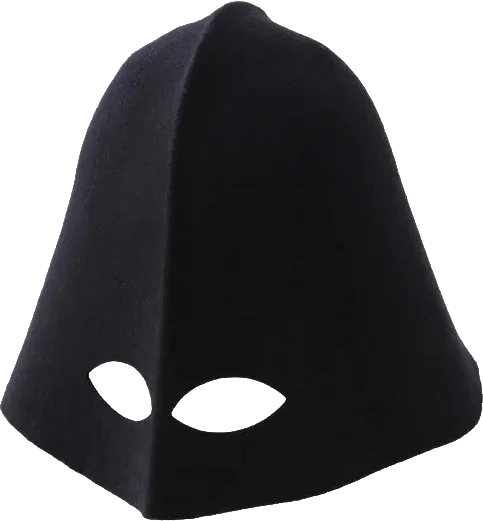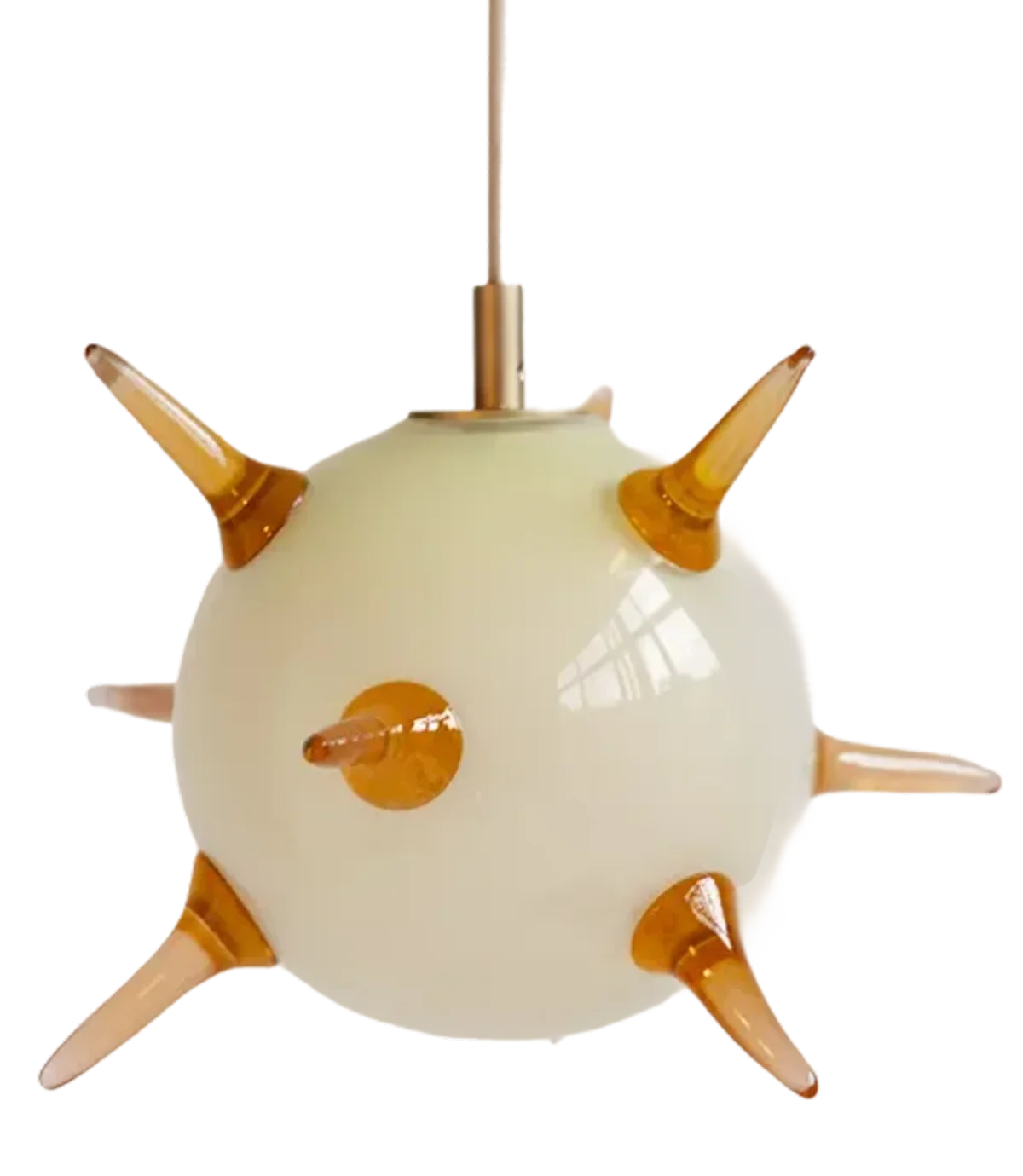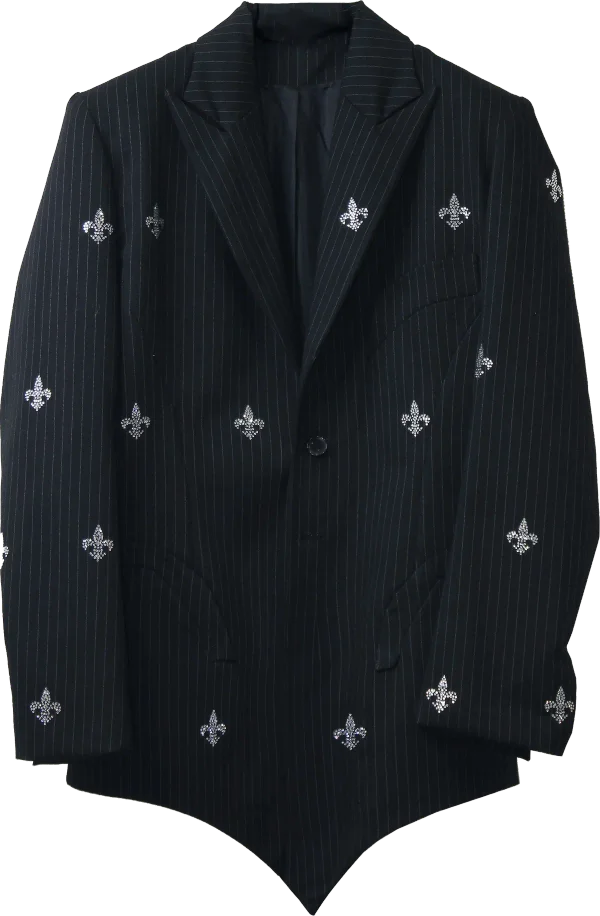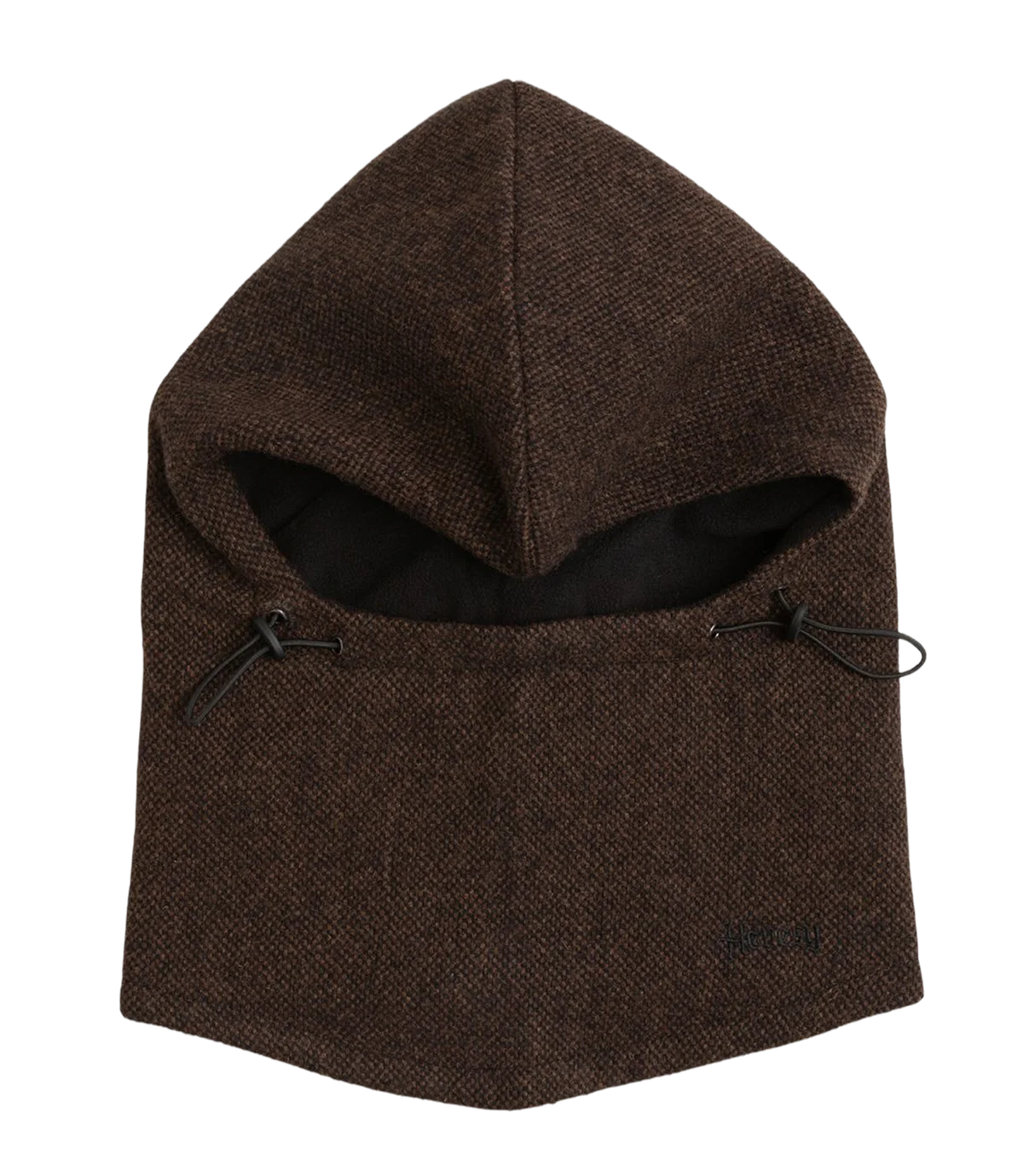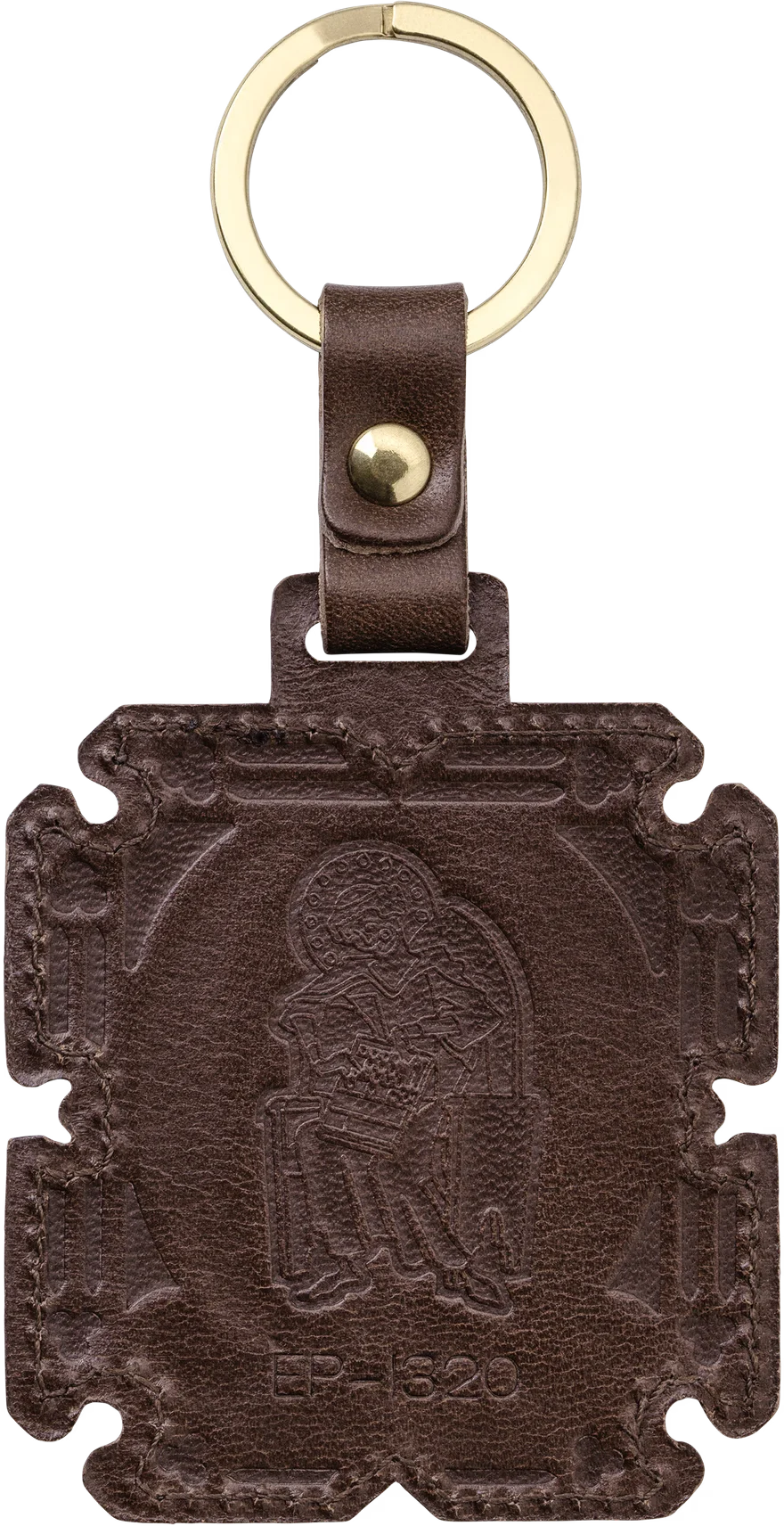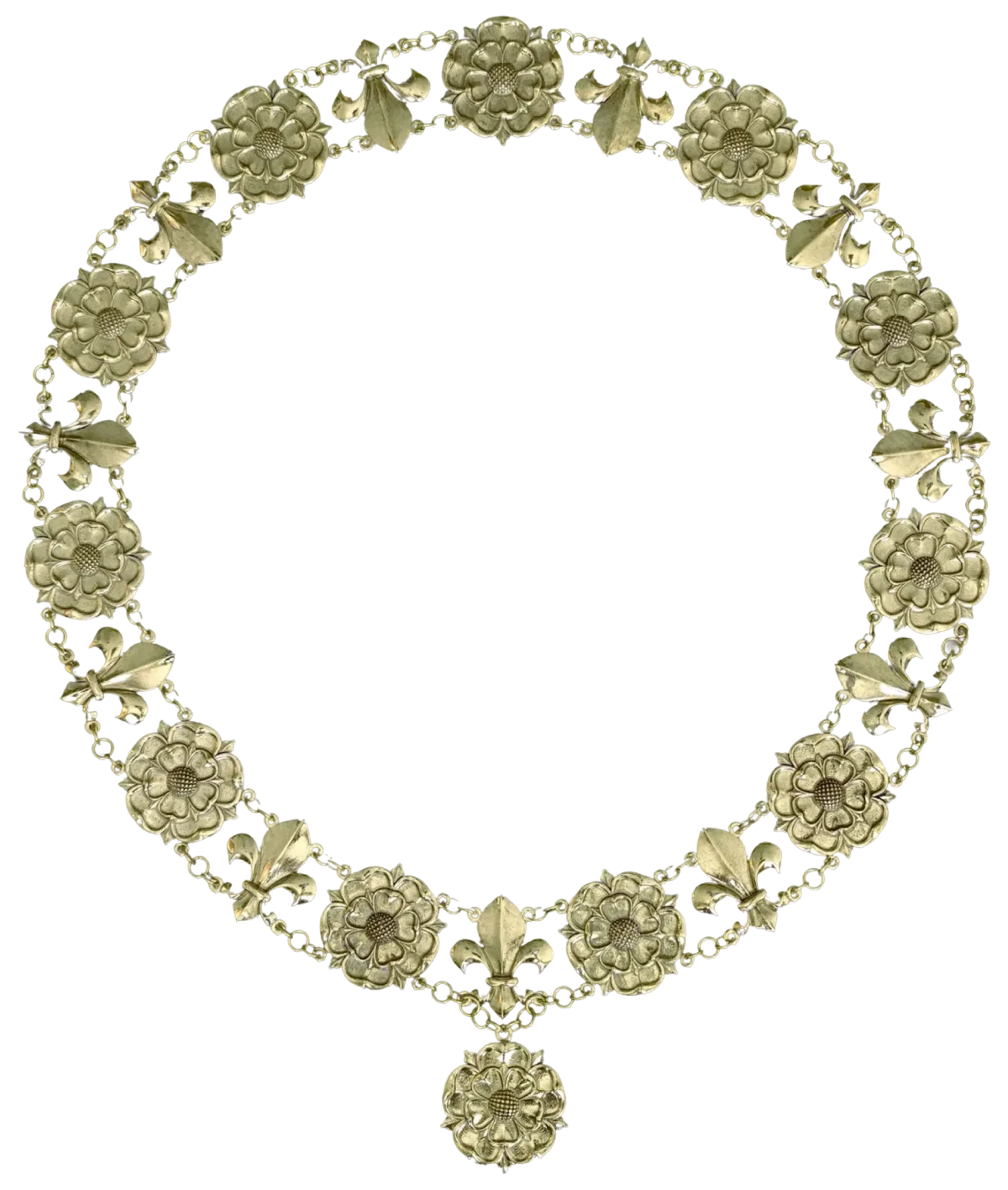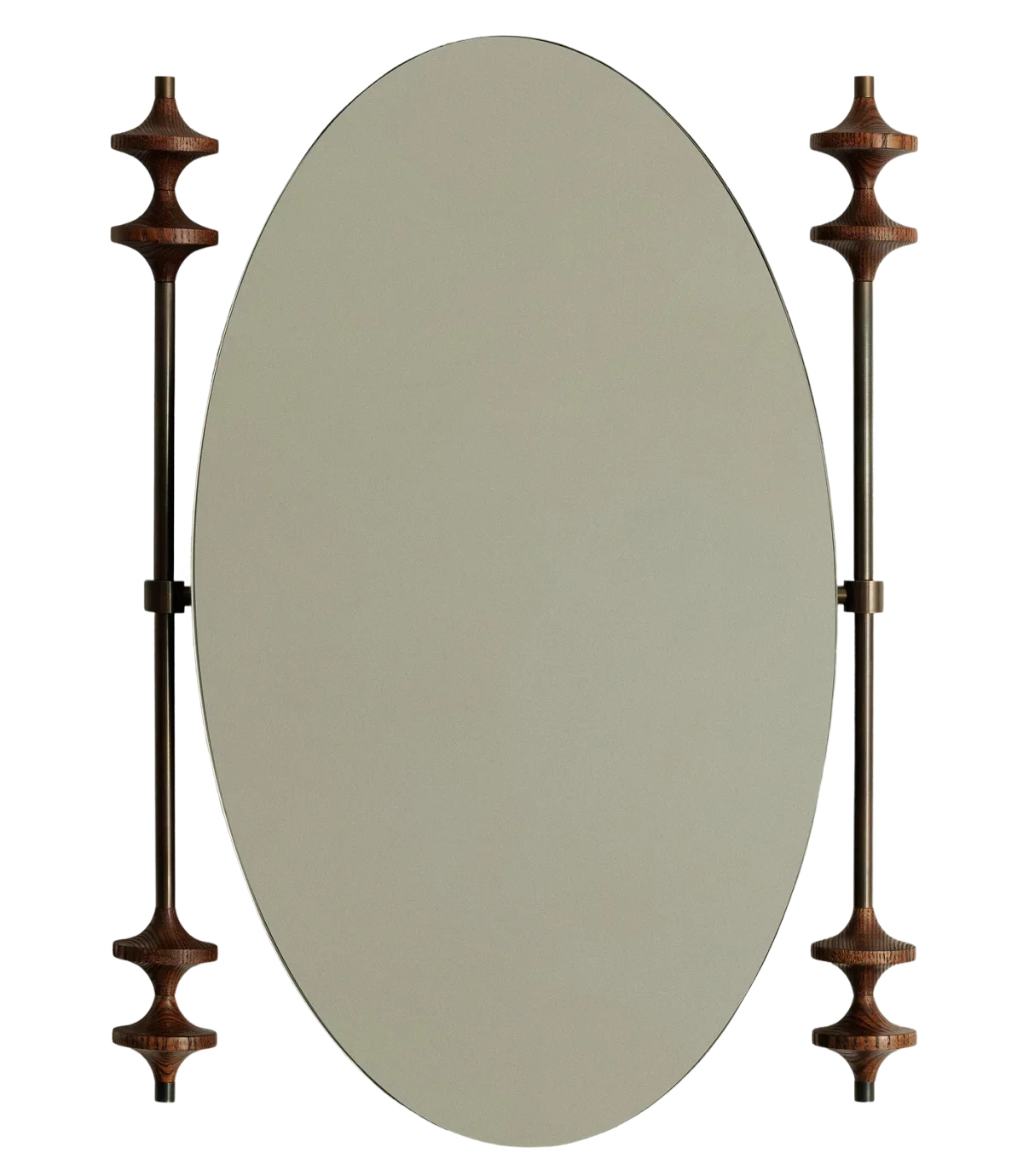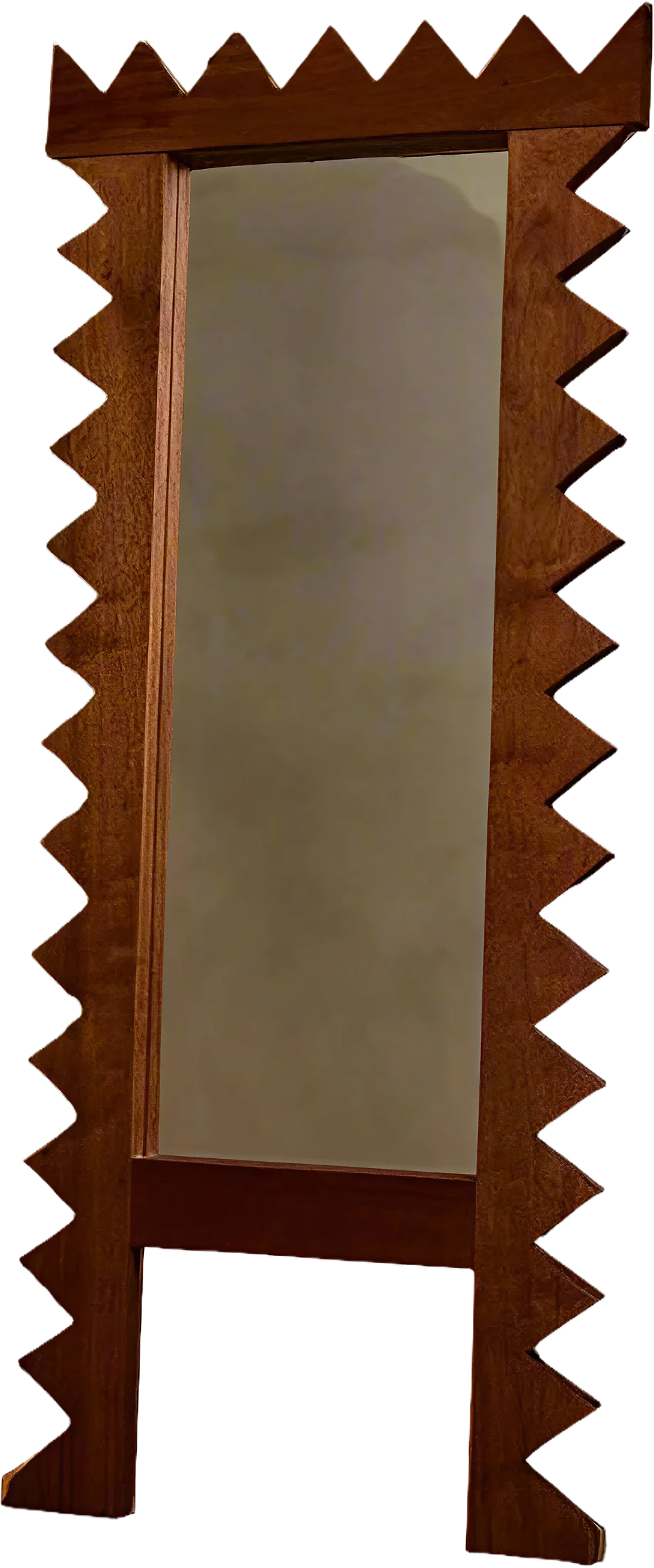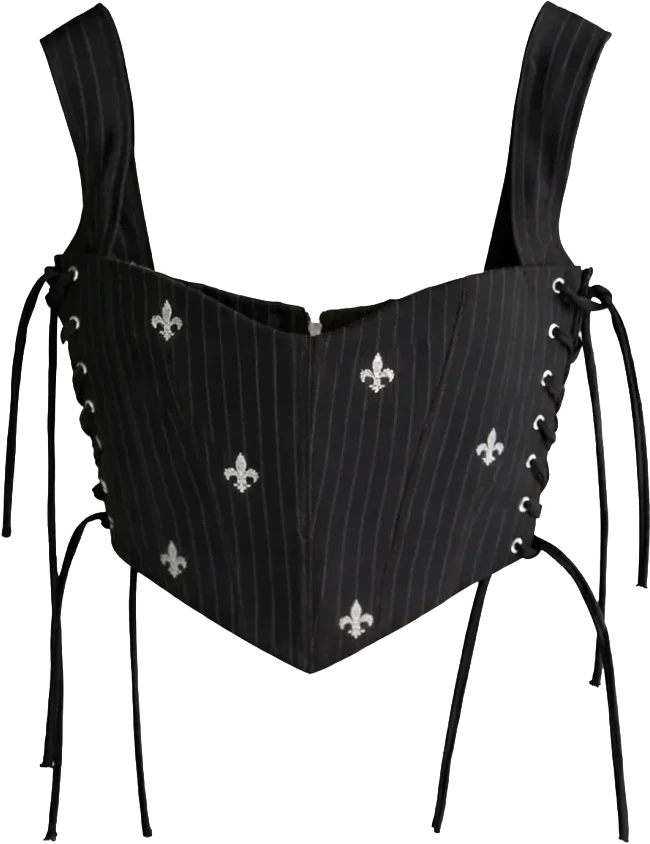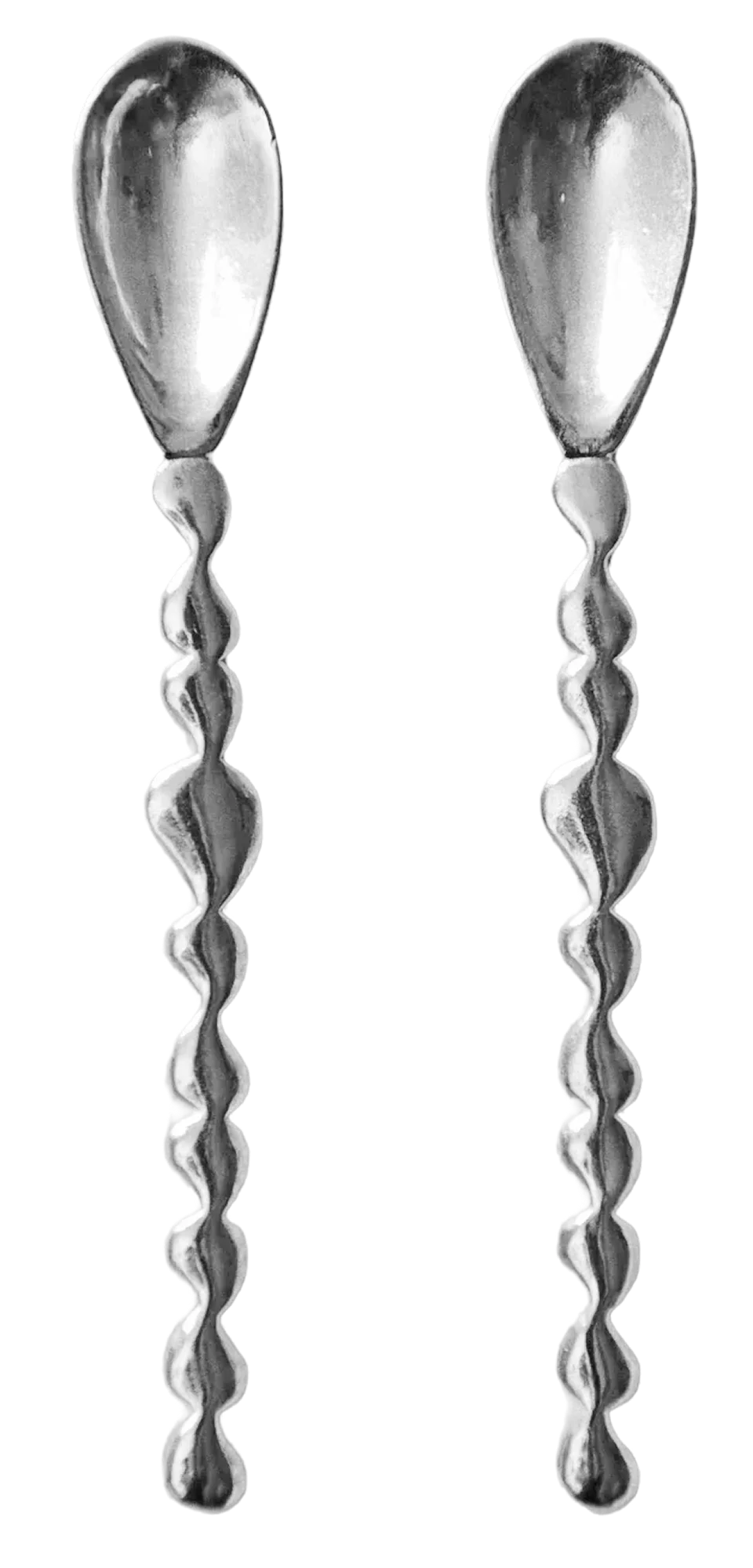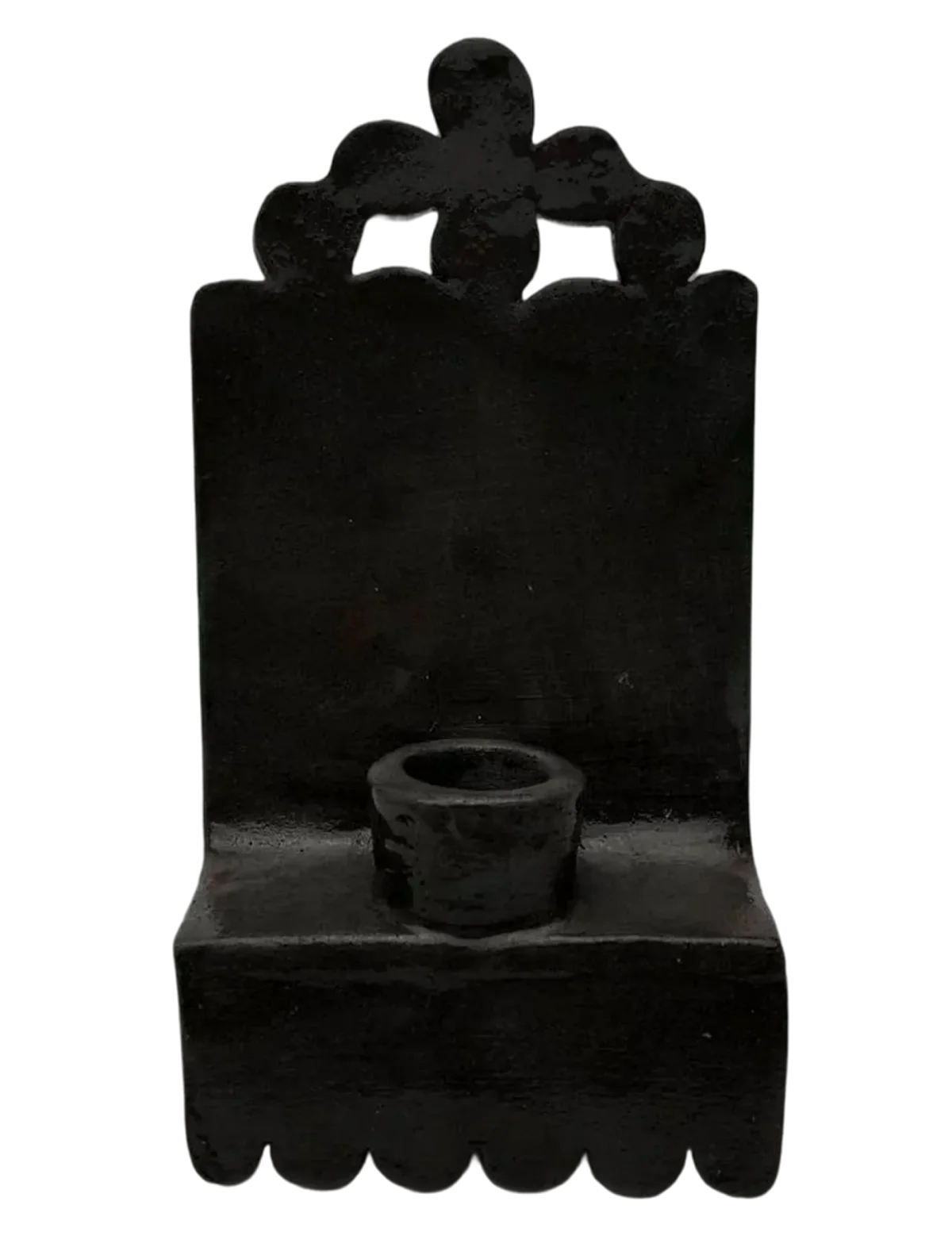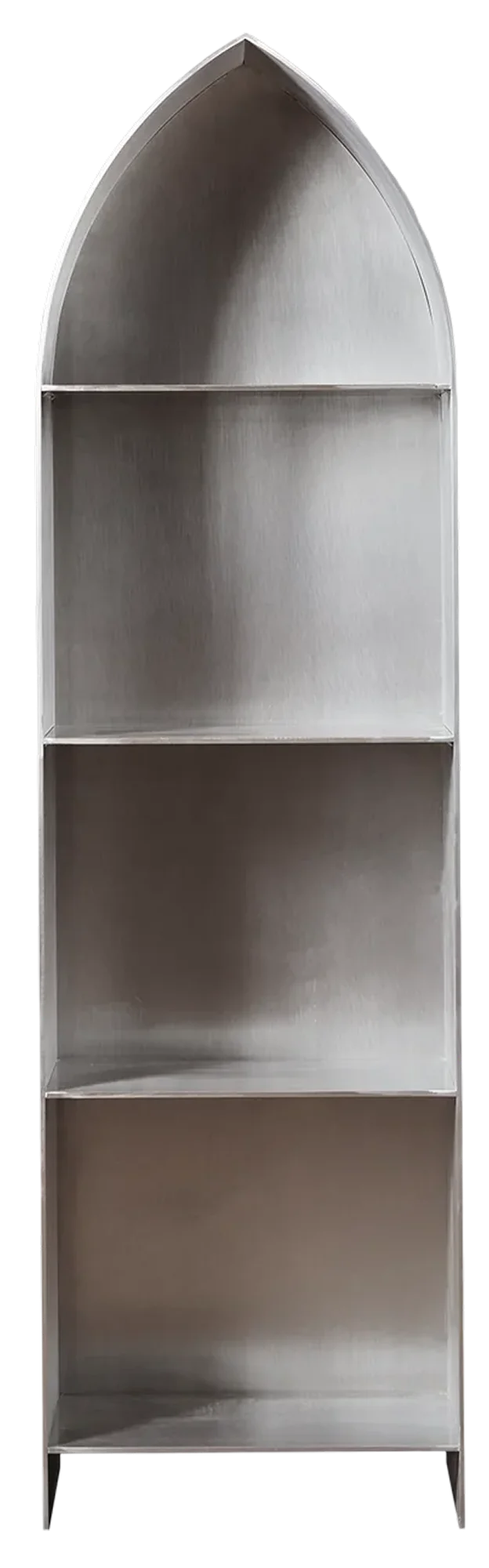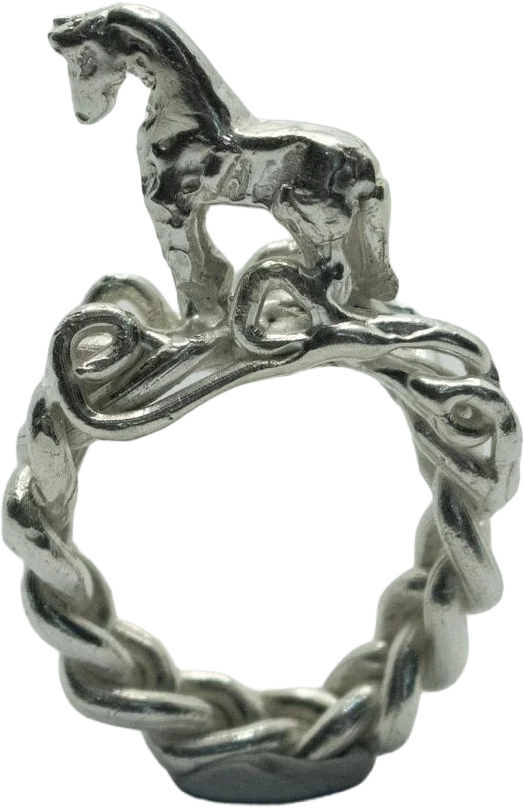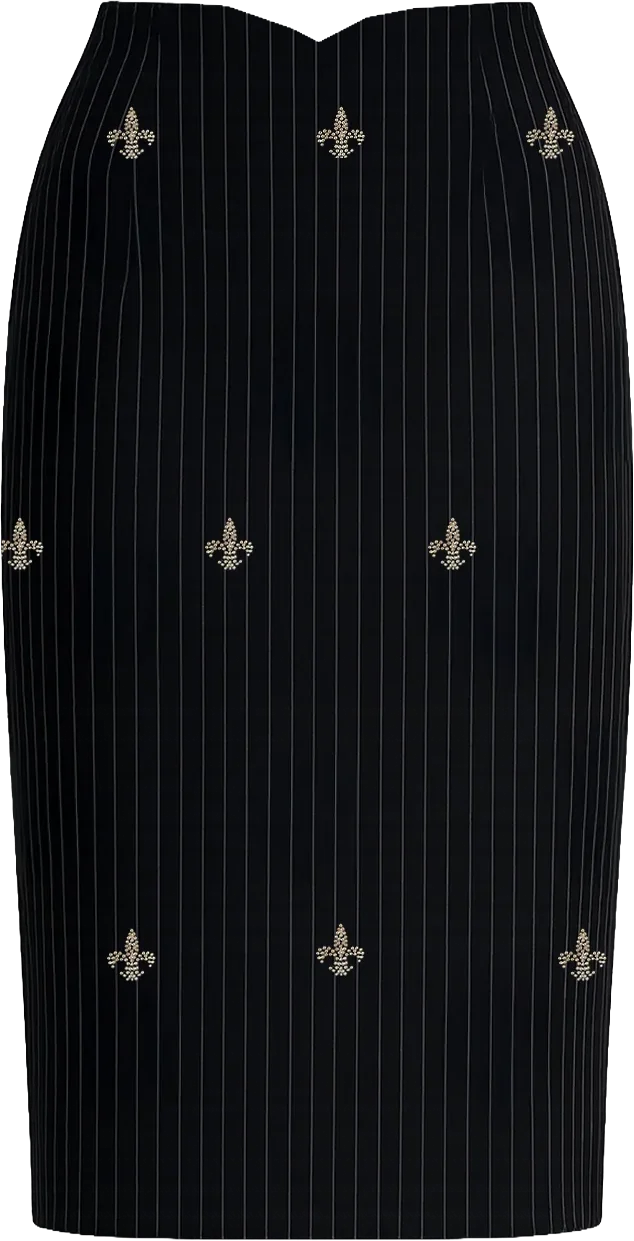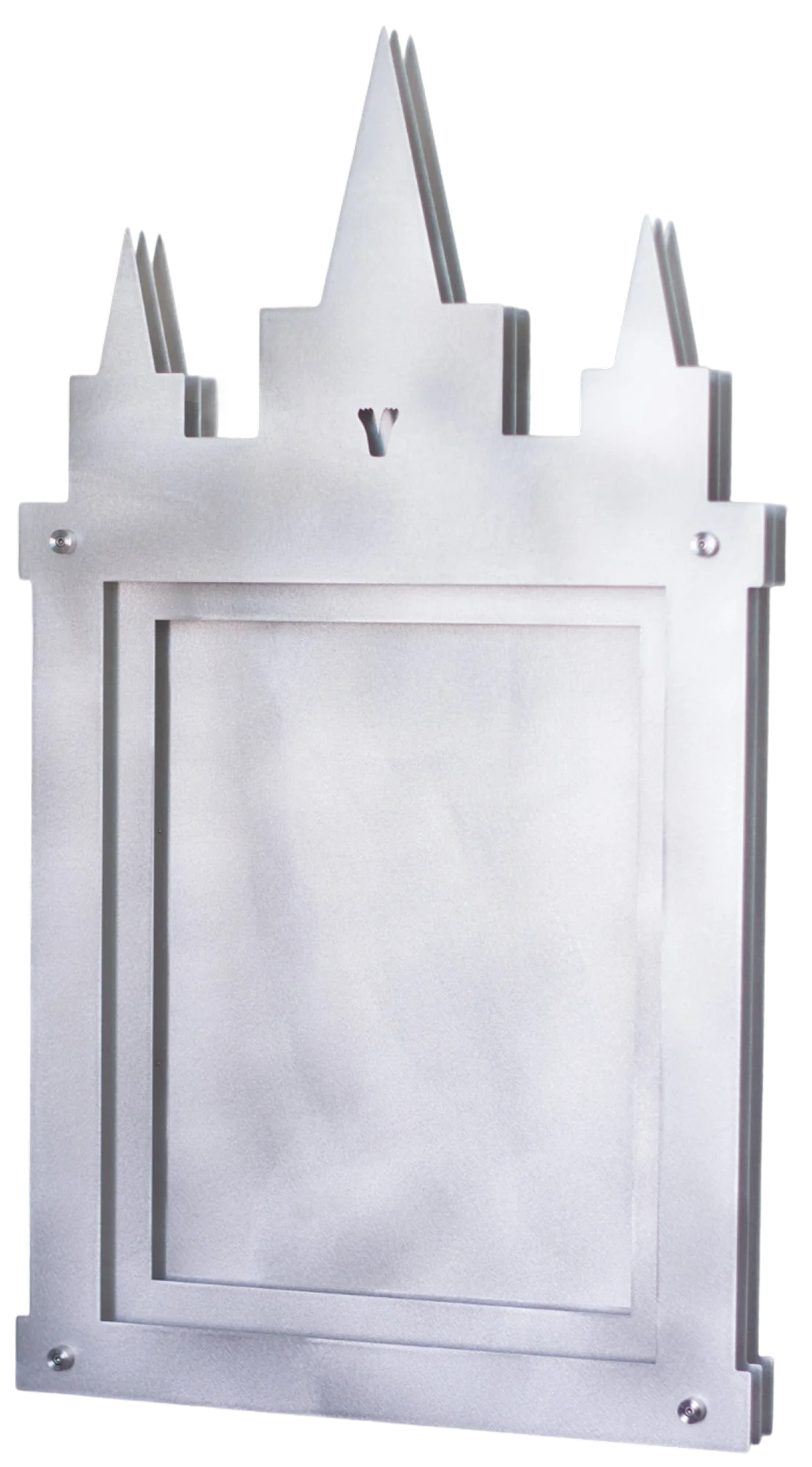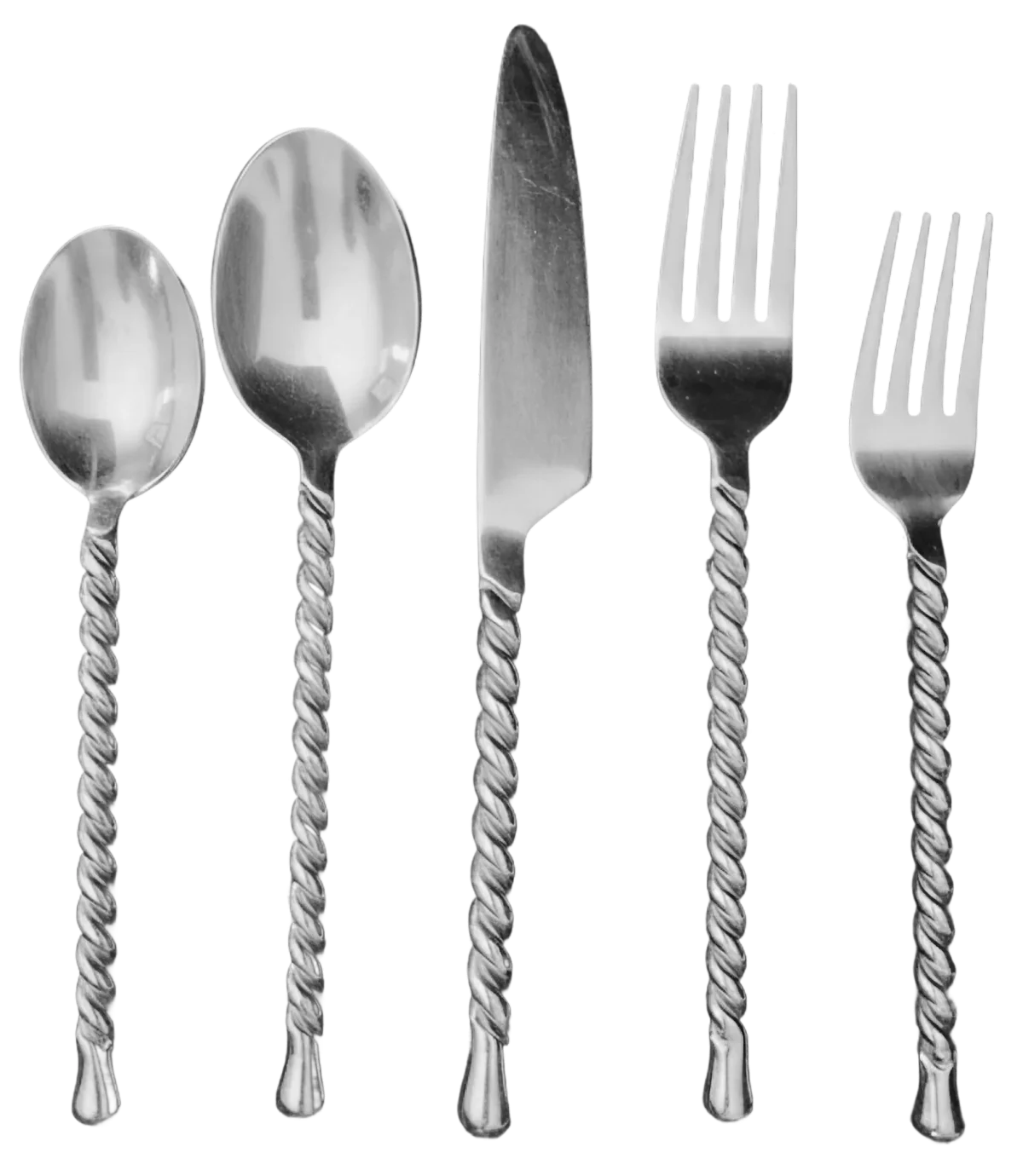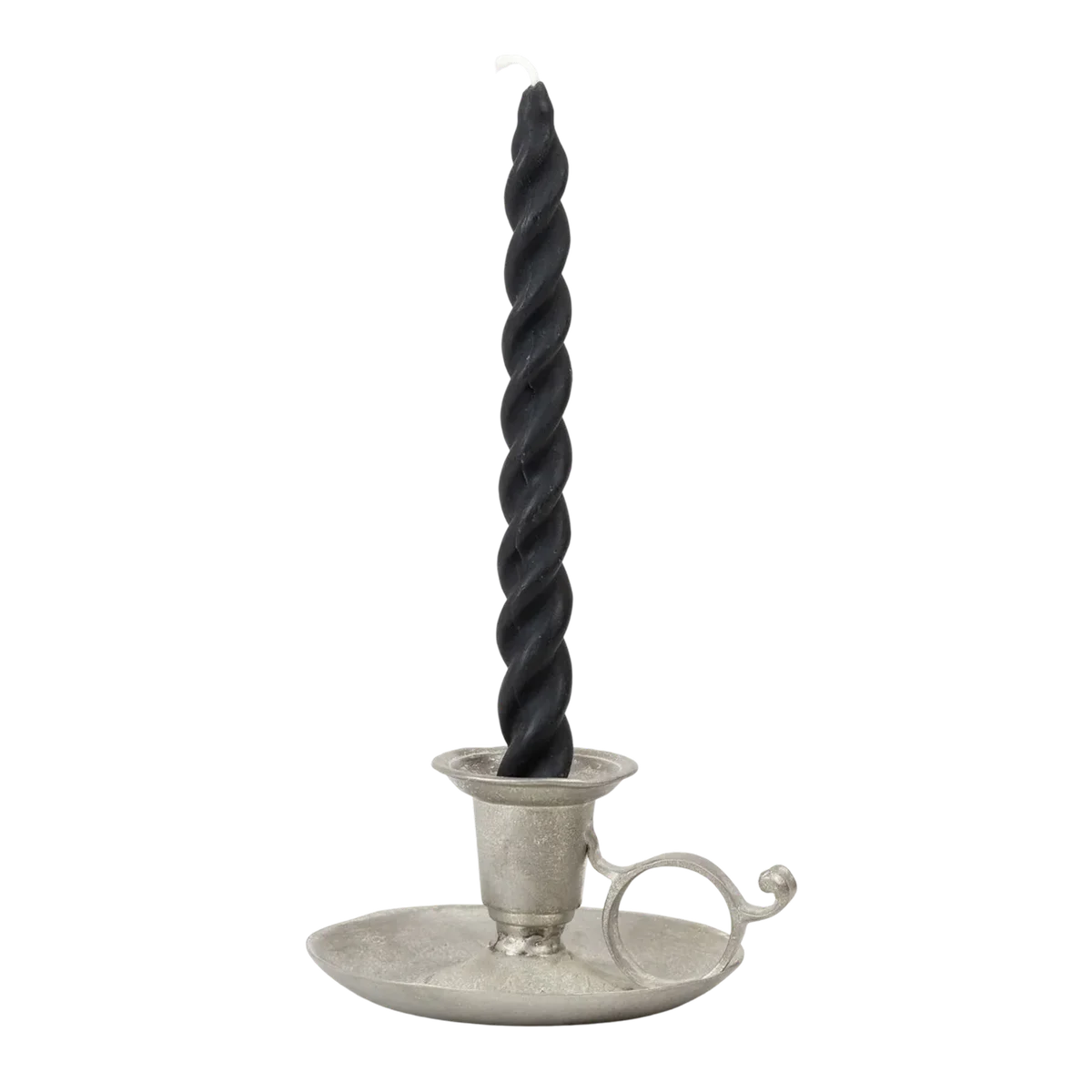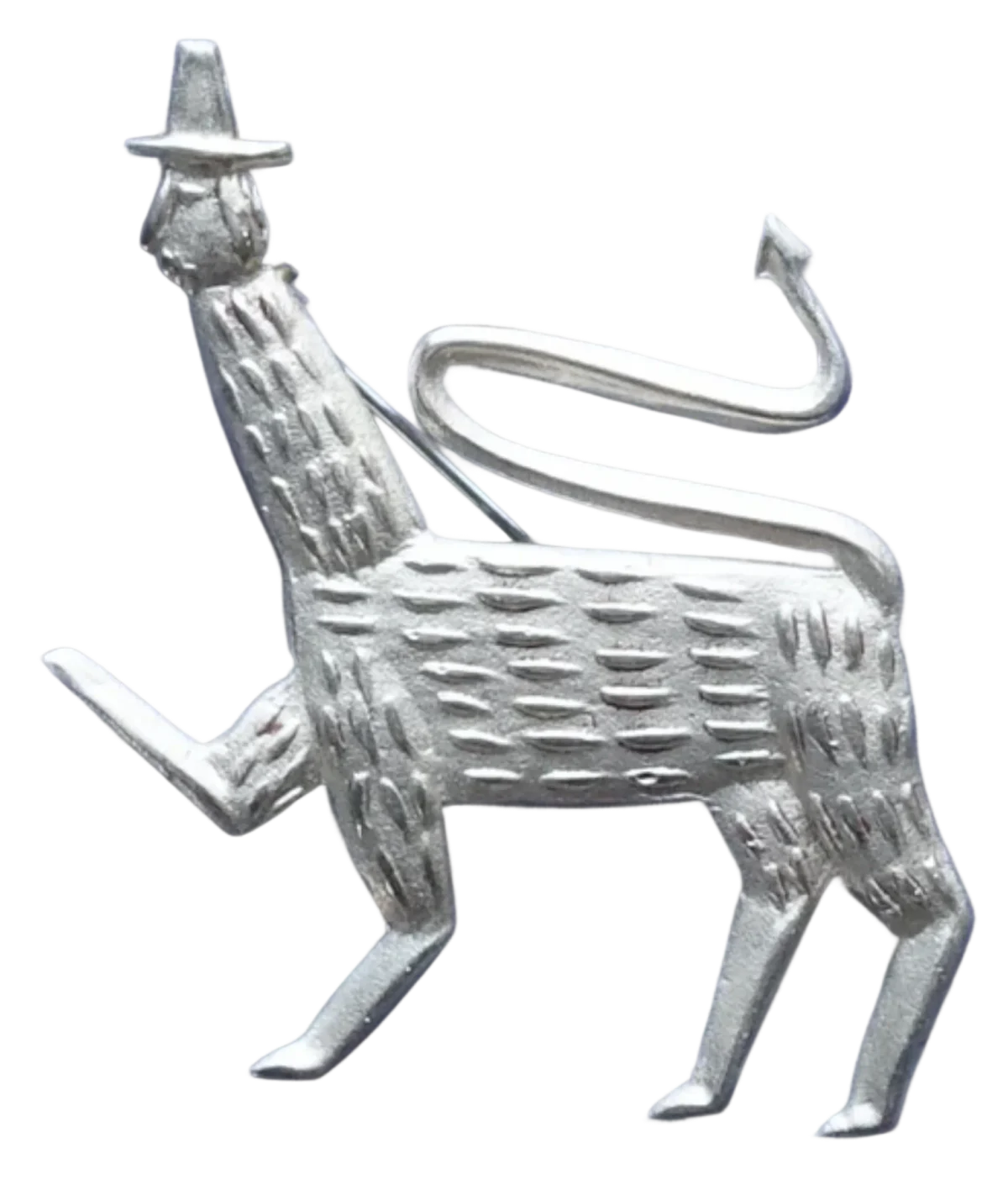
Medieval chivalric culture treated as a design archive rather than a historical period, extracting chainmail textures, heraldic imagery, and the austere geometry of Gothic armor into wearable and domestic aesthetic territory.
31 items curated
The knightcore aesthetic excavates the material vocabulary of the medieval and the late-Gothic, drawing on the weight of forged iron, the burnish of pewter and the deep tonal range of tapestry weaving that once defined the great halls of European castles. Its appearance among contemporary design audiences coincided with the broader Gothic revival that took root in the early 2020s, sustained by a renewed appetite for fantasy literature and the kind of cinematic visual culture that treats armor, heraldry and arched stonework as legitimate decorative grammar.
What separates knightcore from the adjacent worlds of dark academia or medievalcore is its closer attention to the chivalric and the architectural, the way an interior can suggest a chapter house or a knight's chamber rather than a scholar's study. Designers gravitating toward this aesthetic tend to reach for candelabras in blackened iron, tapestries in muted heraldic reds and greens, oak refectory tables, and the deep saturated palette of stained glass filtered through afternoon light. The contemporary appeal of knightcore lies in its solidity, the way it resists the disposable rhythm of modern domestic life by proposing objects built with the intention of outliving their first owner.
Knightcore organizes itself around the visual codes of medieval European chivalric culture, combining forged iron hardware, pewter vessels, deep-toned tapestries and the kind of carved oak furniture associated with the great hall. The aesthetic prizes objects that suggest weight, permanence and craftsmanship, often referencing heraldic motifs, arched silhouettes and the textural richness of velvet, brocade and woven wool in colors borrowed from the late-Gothic palette.
Dark academia builds itself around the visual culture of the Oxbridge tutorial and the nineteenth-century library, leaning into leather-bound books, tweed, candle wax and the scholarly objects of the humanist tradition. Knightcore reaches further back to the medieval and the chivalric, replacing the book-lined study with the chapter house and trading the academic's overcoat for chain-mail patterns, heraldic embroidery and the iron-and-oak vocabulary of the fortified manor.
A knightcore interior tends to gather wrought iron candelabras, pewter goblets, oak refectory tables, heraldic tapestries and chest-style storage with hand-forged hinges. Smaller objects might include illuminated manuscript reproductions, leather-bound journals embossed in heraldic patterns, antler chandeliers, brass writing instruments and textiles in the saturated reds, deep greens and indigo blues of medieval dye traditions.
Knightcore traces its visual sources to the documented interiors of late-medieval European castles and the romantic reinterpretations of that period staged during the Gothic Revival of the nineteenth century, particularly in the country houses commissioned by Victorian patrons who sought to recreate the atmosphere of the chivalric age. Its contemporary revival has been propelled by the cultural prominence of fantasy fiction and television, alongside a growing appetite, among design-literate audiences, for interiors that suggest historical depth and material permanence.
The gift ideas page helps you find a present by mood, style and budget. You choose their intensity, their vibe and your budget with three sliders, and the page returns objects from the newitem.earth archive, each one linking to the original shop.