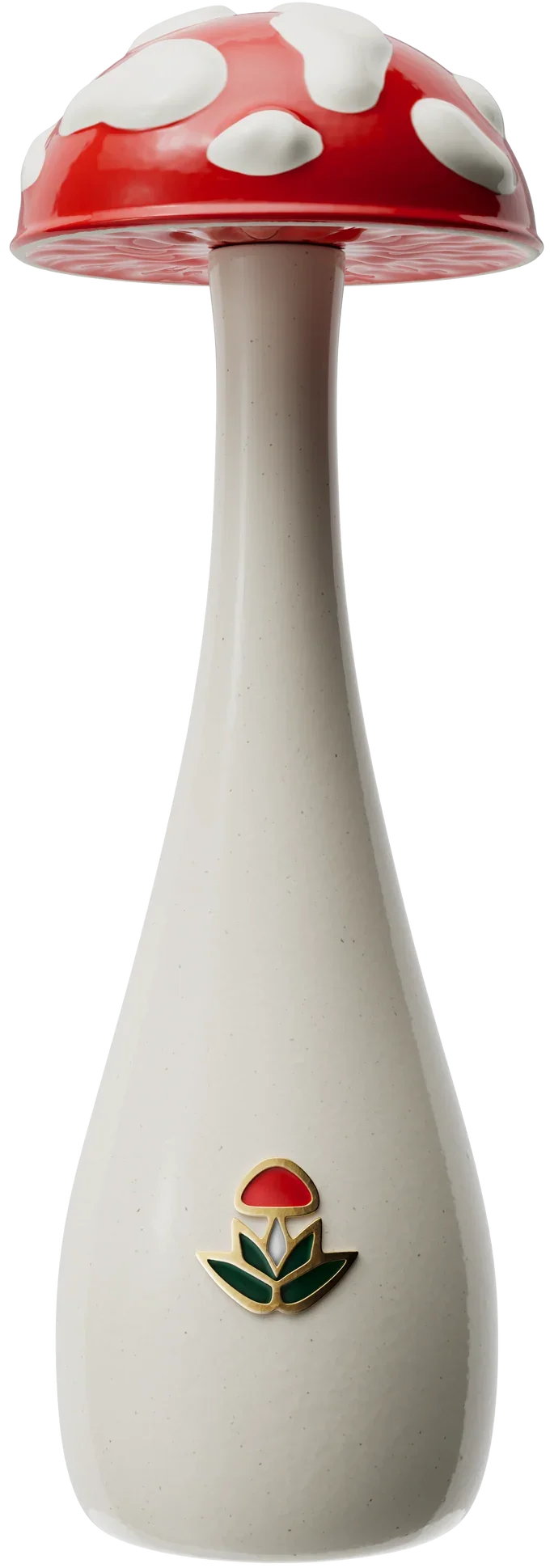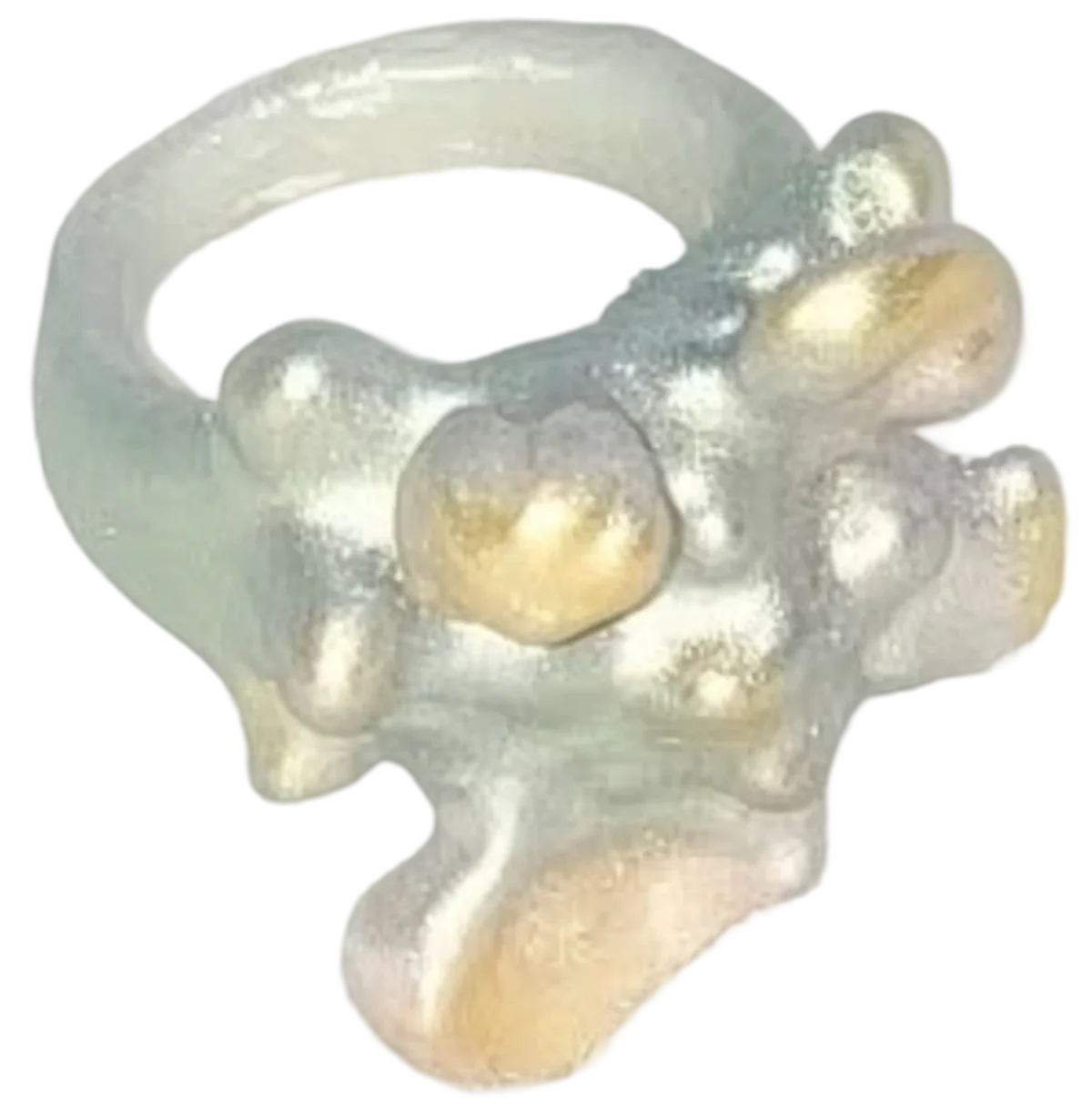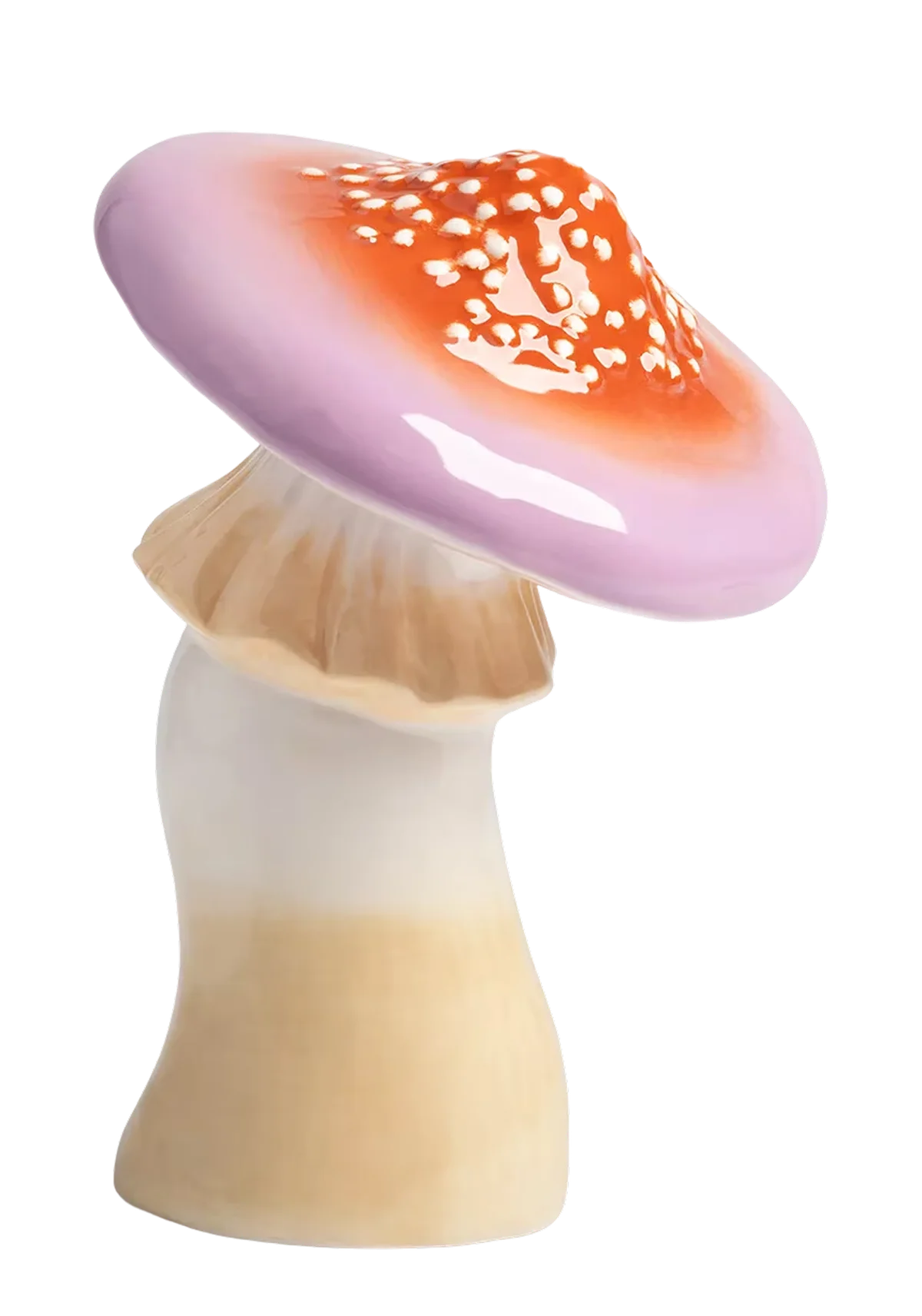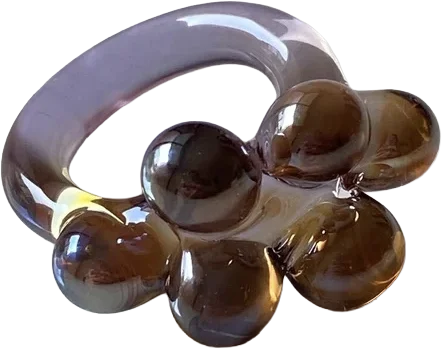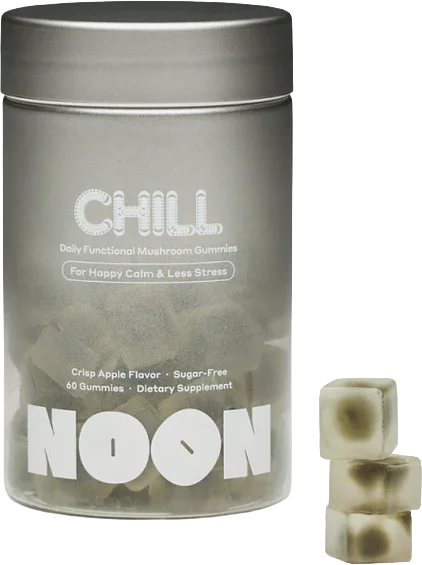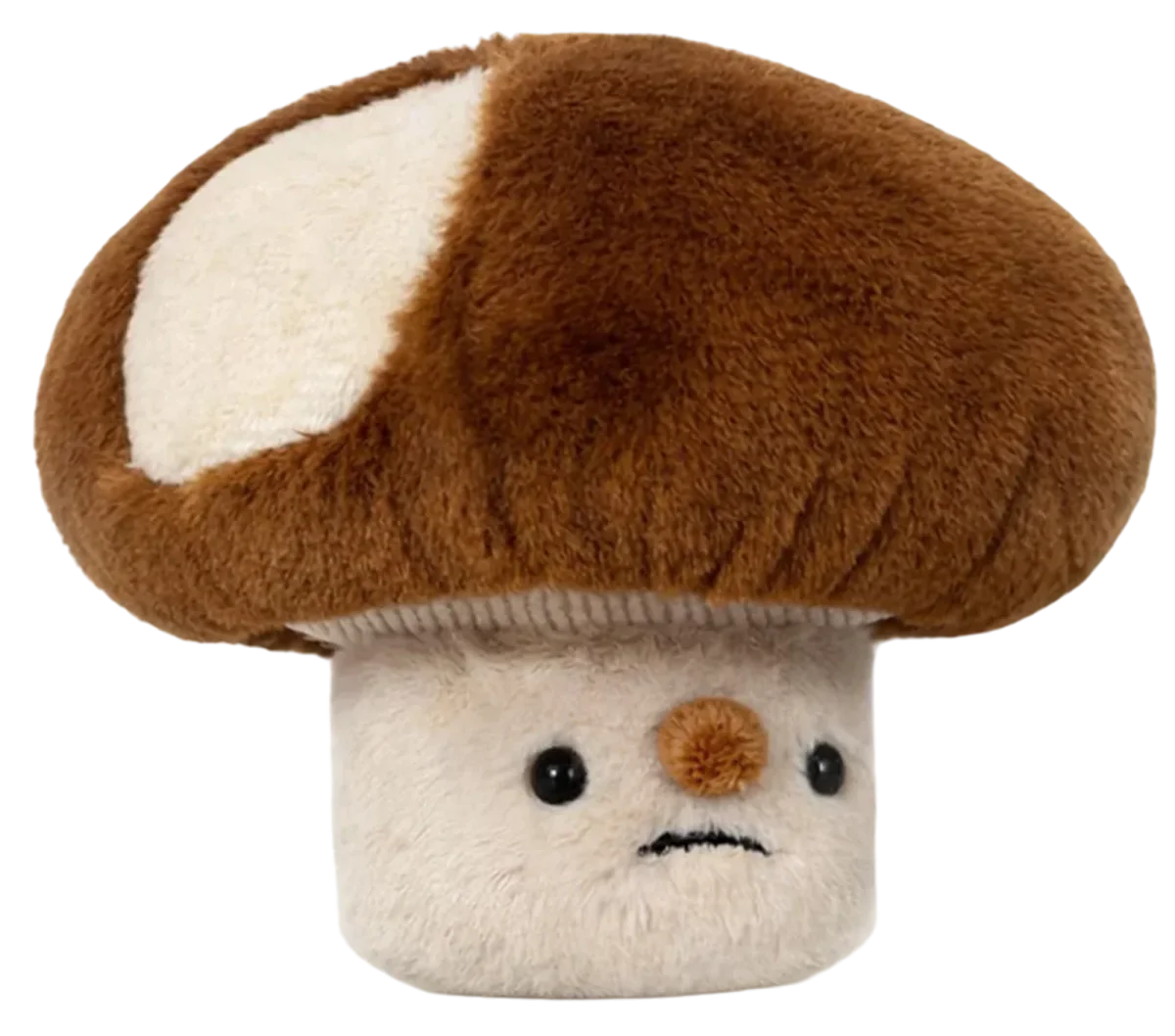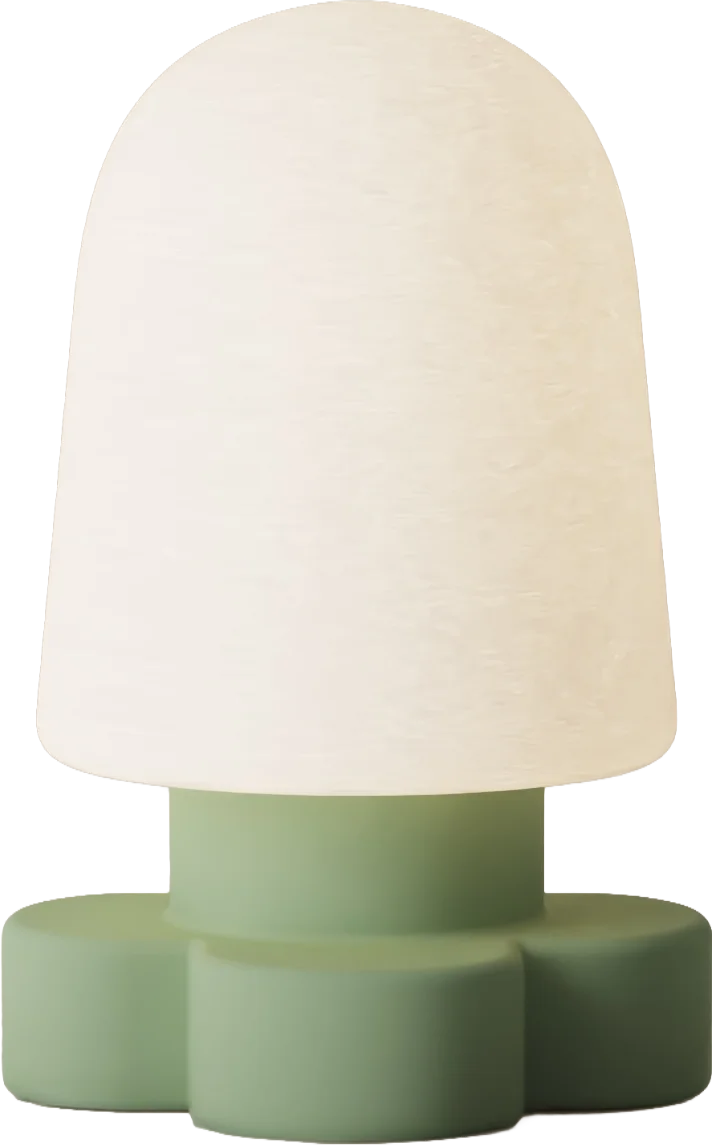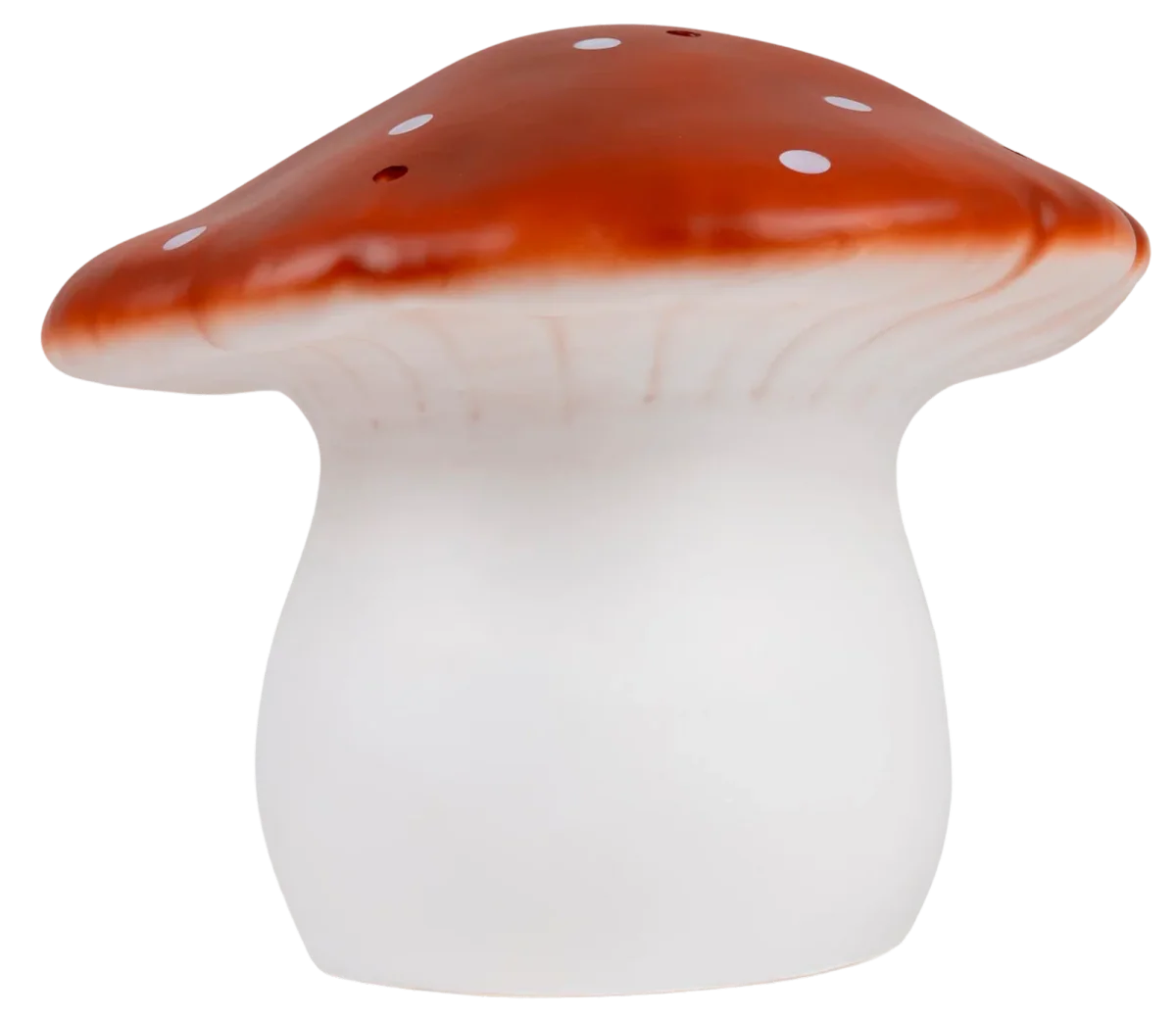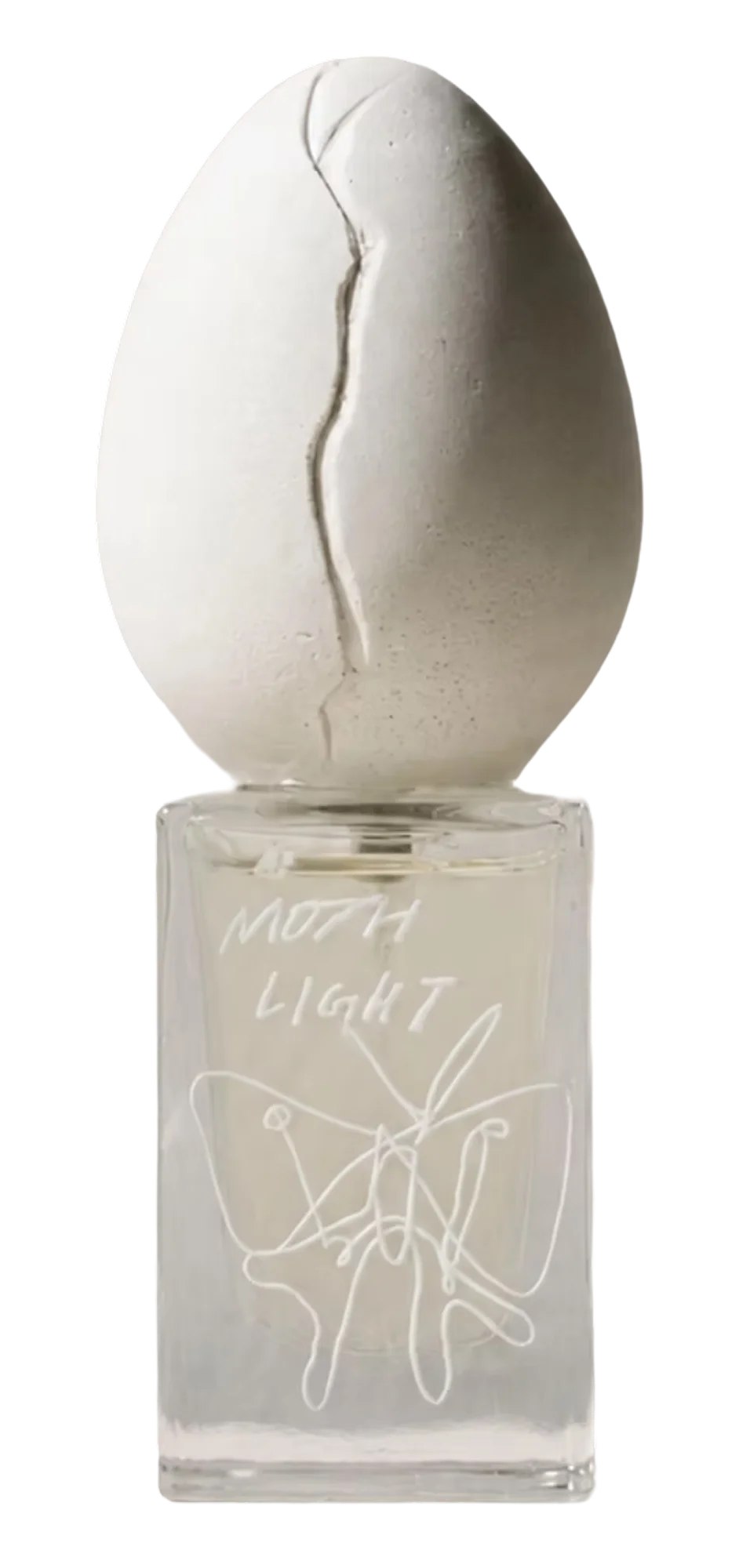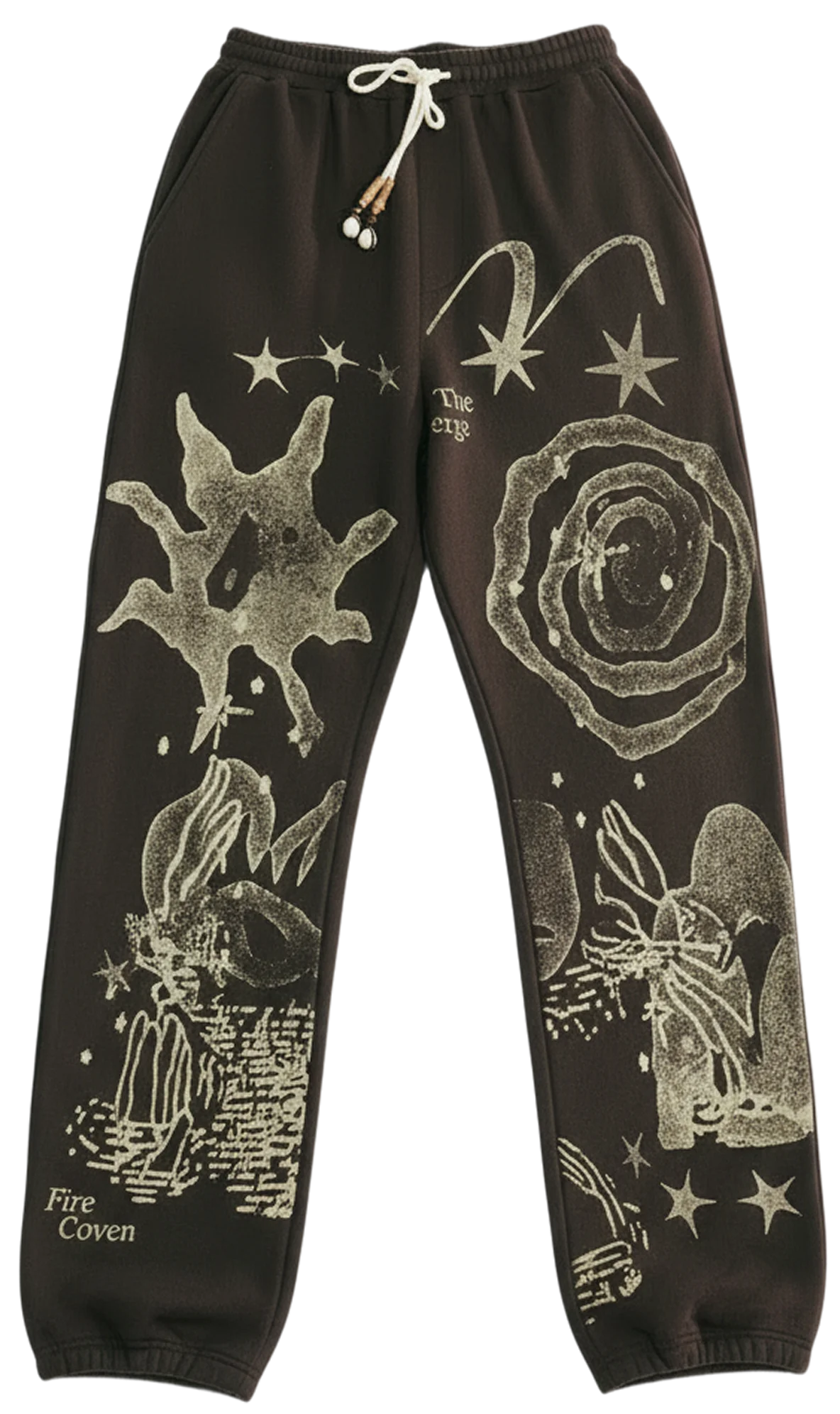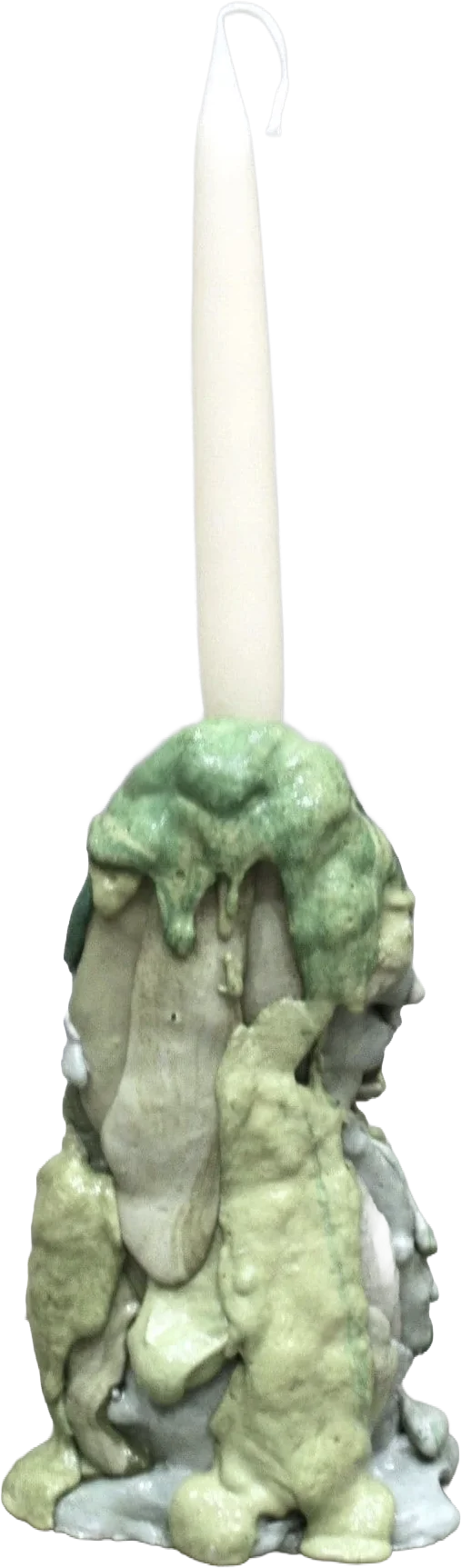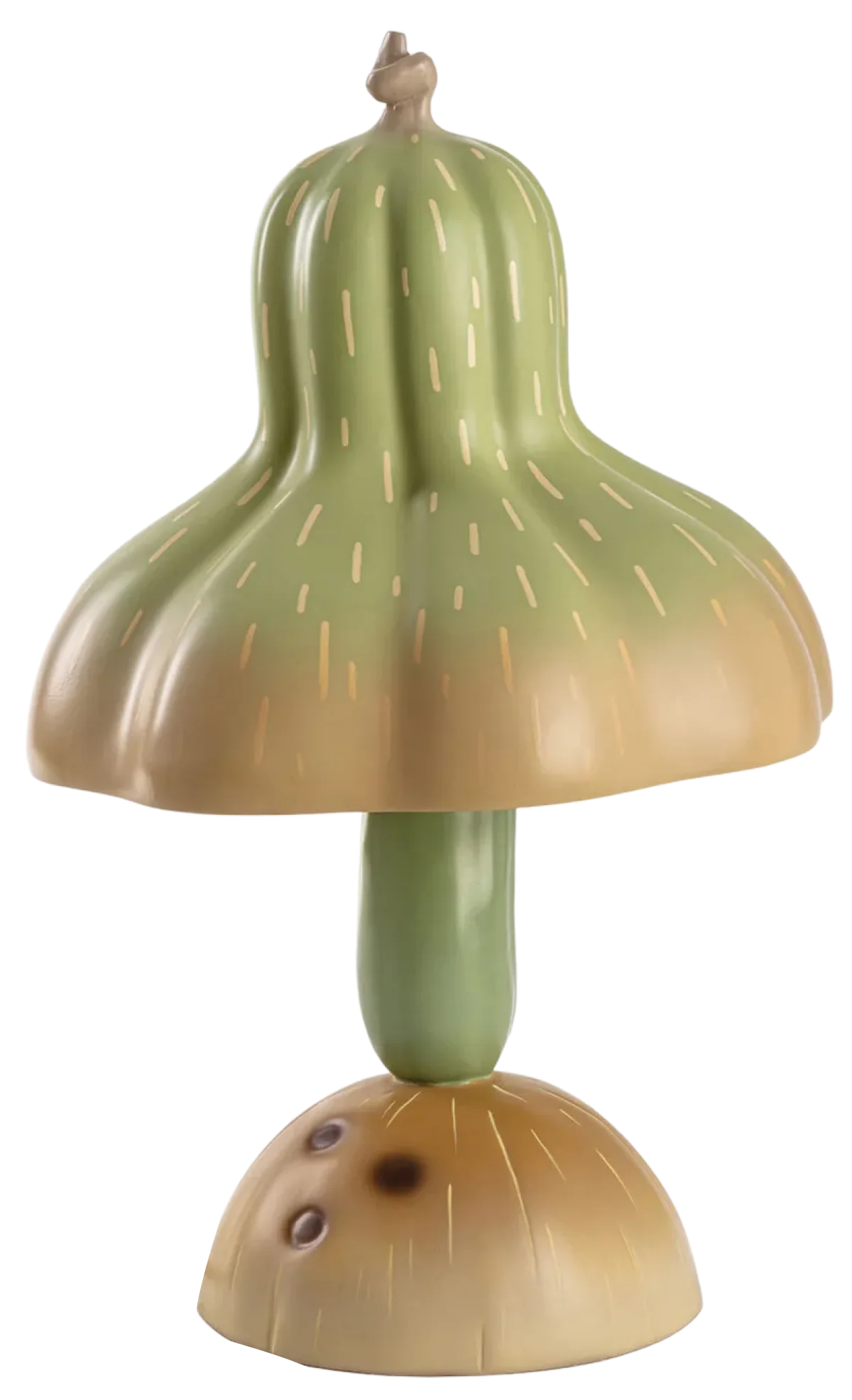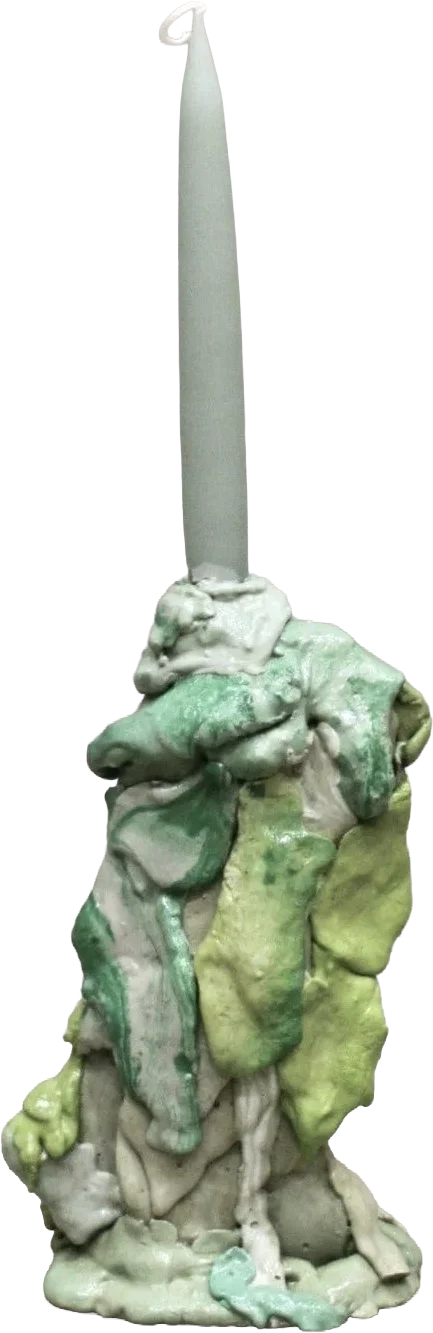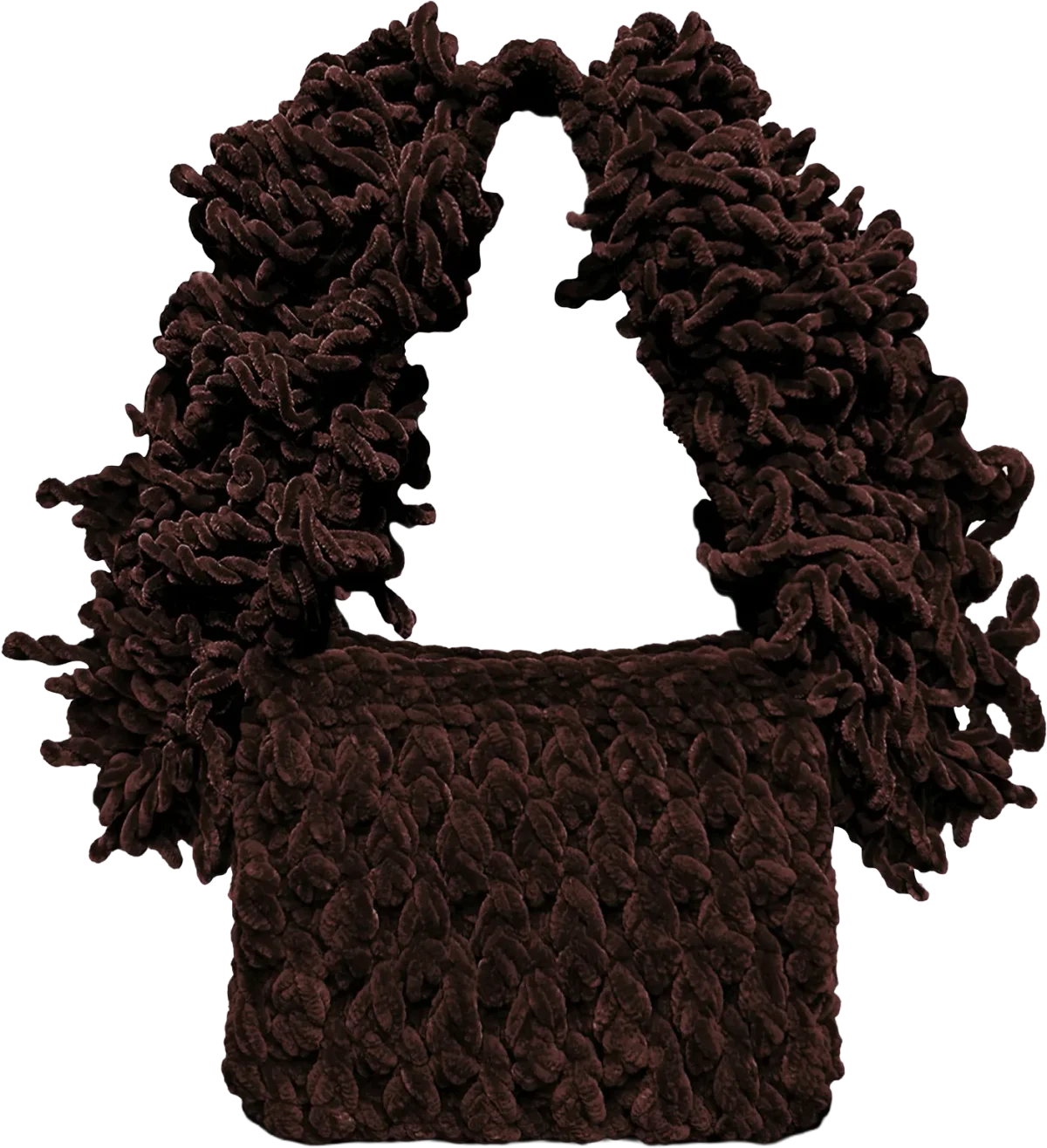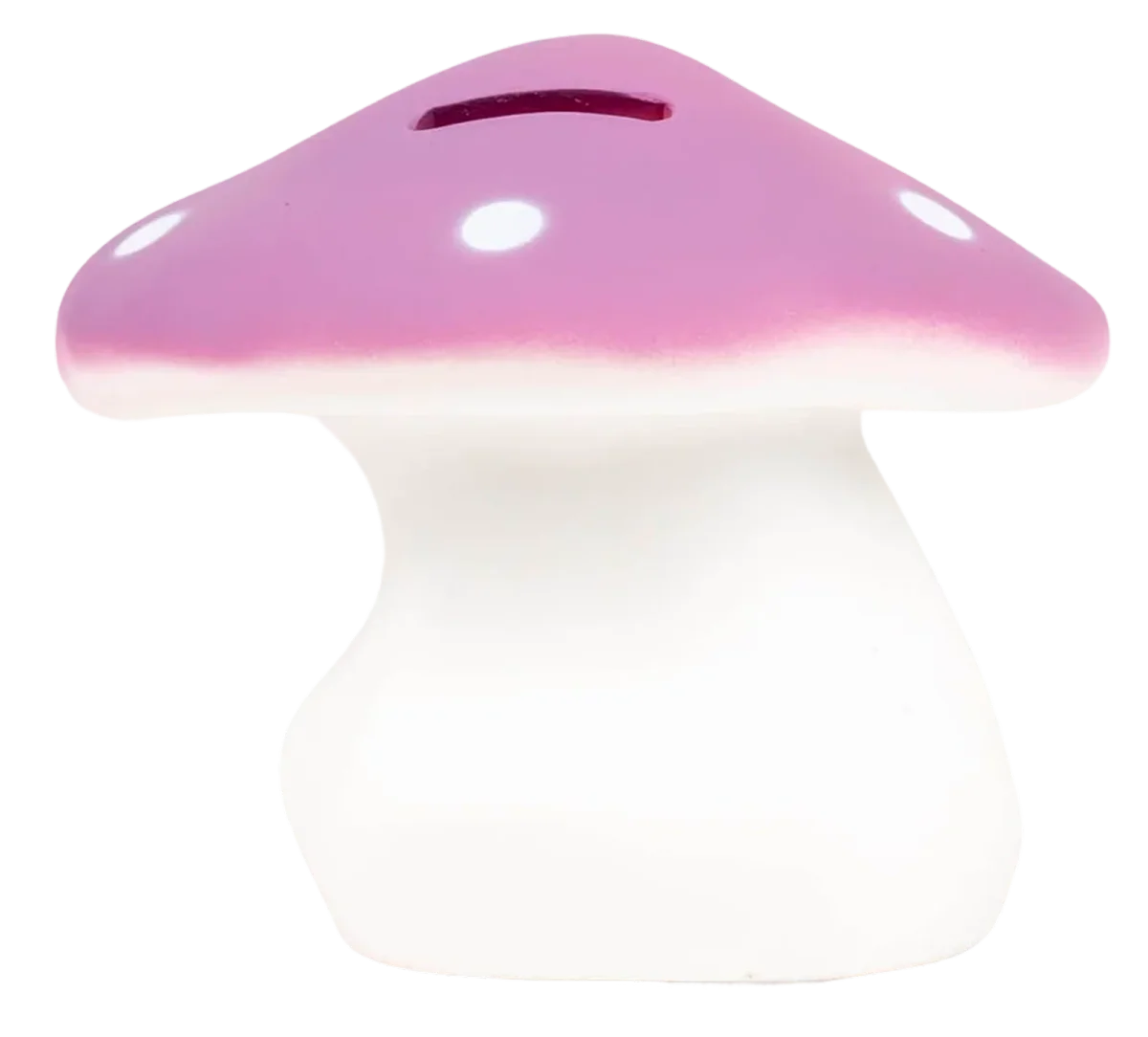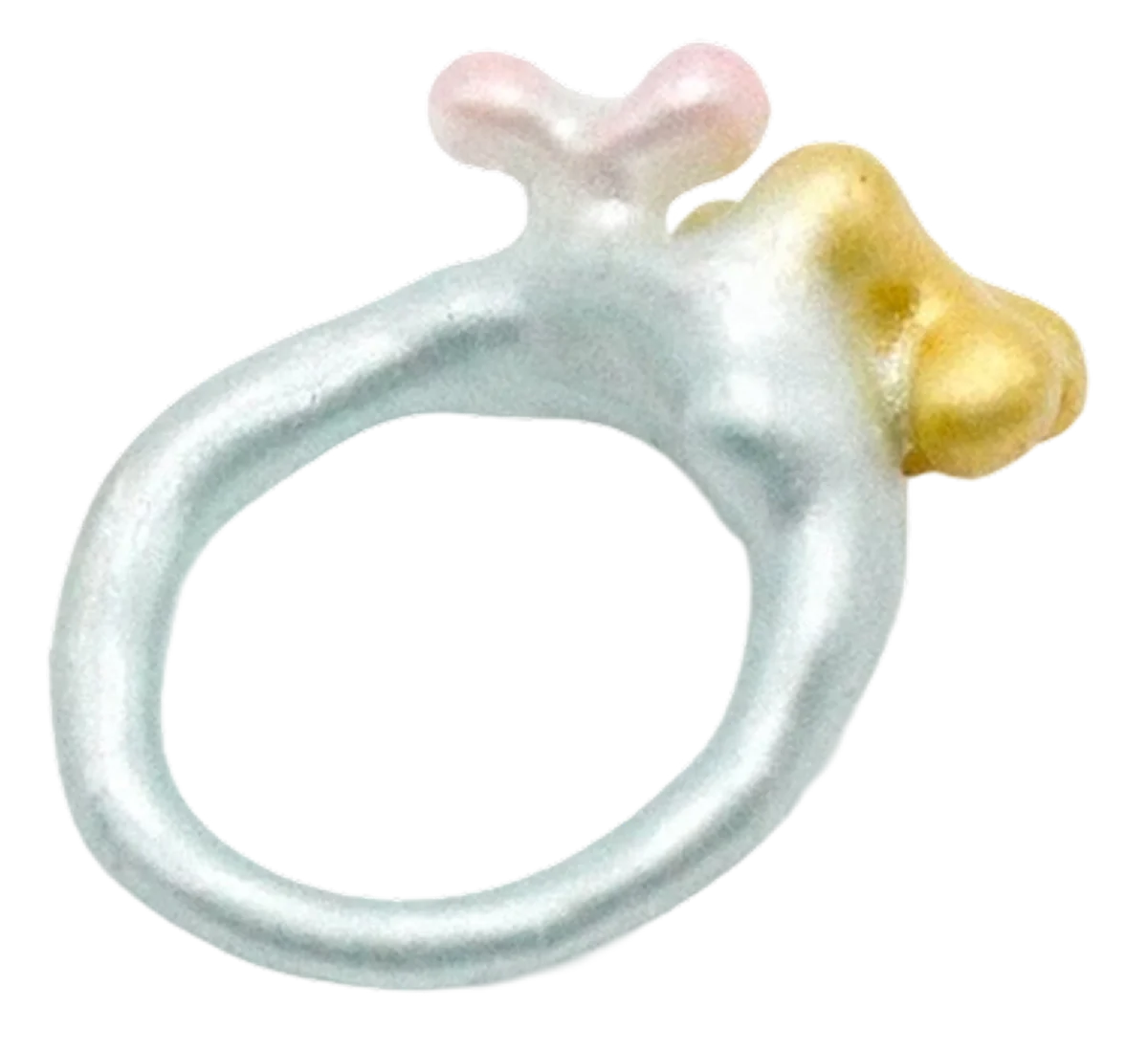
Mycological enthusiasm producing an aesthetic of earthy browns, spore prints, and forest-floor textures that arrives at a kind of organic sublimity through subjects that most design movements would have difficulty taking seriously.
24 items curated
The mushroomcore aesthetic finds its imaginative ground in the textures and forms of the mycological world, gathering objects that echo the soft folds of gill structures, the speckled domes of amanitas and the deep loam palette of forest floors. Its emergence among contemporary design audiences arrived as part of a broader cultural turn toward fungal awareness, sustained by mainstream documentaries on mycelial networks, the renewed interest in foraging culture and a fascination with the underground intelligence that has reshaped popular thinking about ecological systems.
What separates mushroomcore from the broader naturecore or cottagecore vocabularies is its closer attention to the particular strangeness of fungi, the way a lamp shaped like a fly agaric or a ceramic dish in the form of a chanterelle proposes a slightly enchanted vision of domestic life. Designers gravitating toward this aesthetic tend to reach for warm browns, mossy greens, ochres and the dusty reds of dried autumn fungi, often paired with materials like cork, untreated wood, terracotta and hand-glazed ceramics. The contemporary appeal of mushroomcore lies in its capacity to bring a sense of wonder into the everyday object, treating the fungal form as both a decorative motif and a quiet reminder of the ecological undercurrents that support visible life.
Mushroomcore organizes itself around the visual imagery of fungi in their many forms, from the iconic red and white cap of the fly agaric to the muted ochres of golden chanterelles and the soft folds of oyster mushrooms. The aesthetic translates these forms into ceramics, lamps, textiles and small decorative objects, favoring earth tones, hand-glazed finishes and the warm tactile quality of materials such as cork, terracotta and untreated wood.
Cottagecore embraces the full storybook vocabulary of country living, from floral prints to baked goods on linen-covered tables, while mushroomcore narrows the focus to a single botanical kingdom and pushes its forms into the foreground. Where cottagecore decorates a kitchen with rose-printed tea towels and embroidered cushions, mushroomcore places a porcini-shaped salt cellar on the table and hangs a print of dried fungi above the dresser.
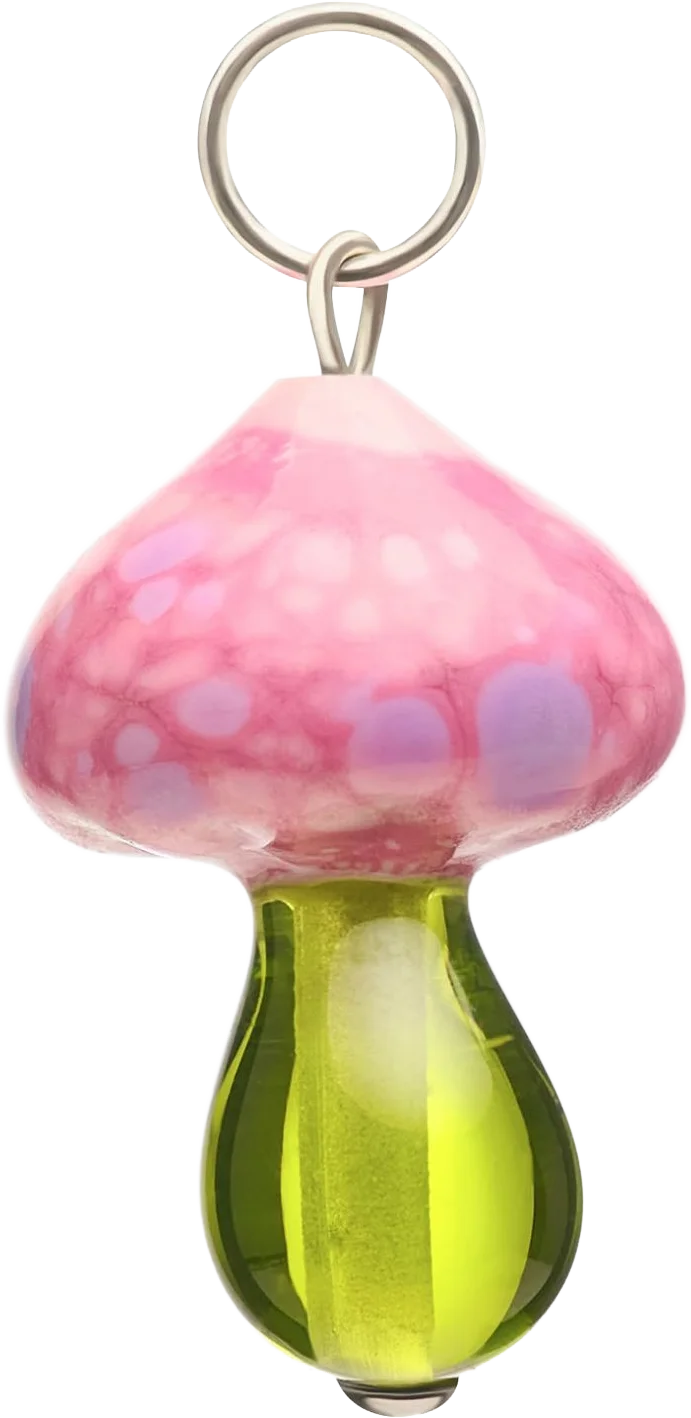
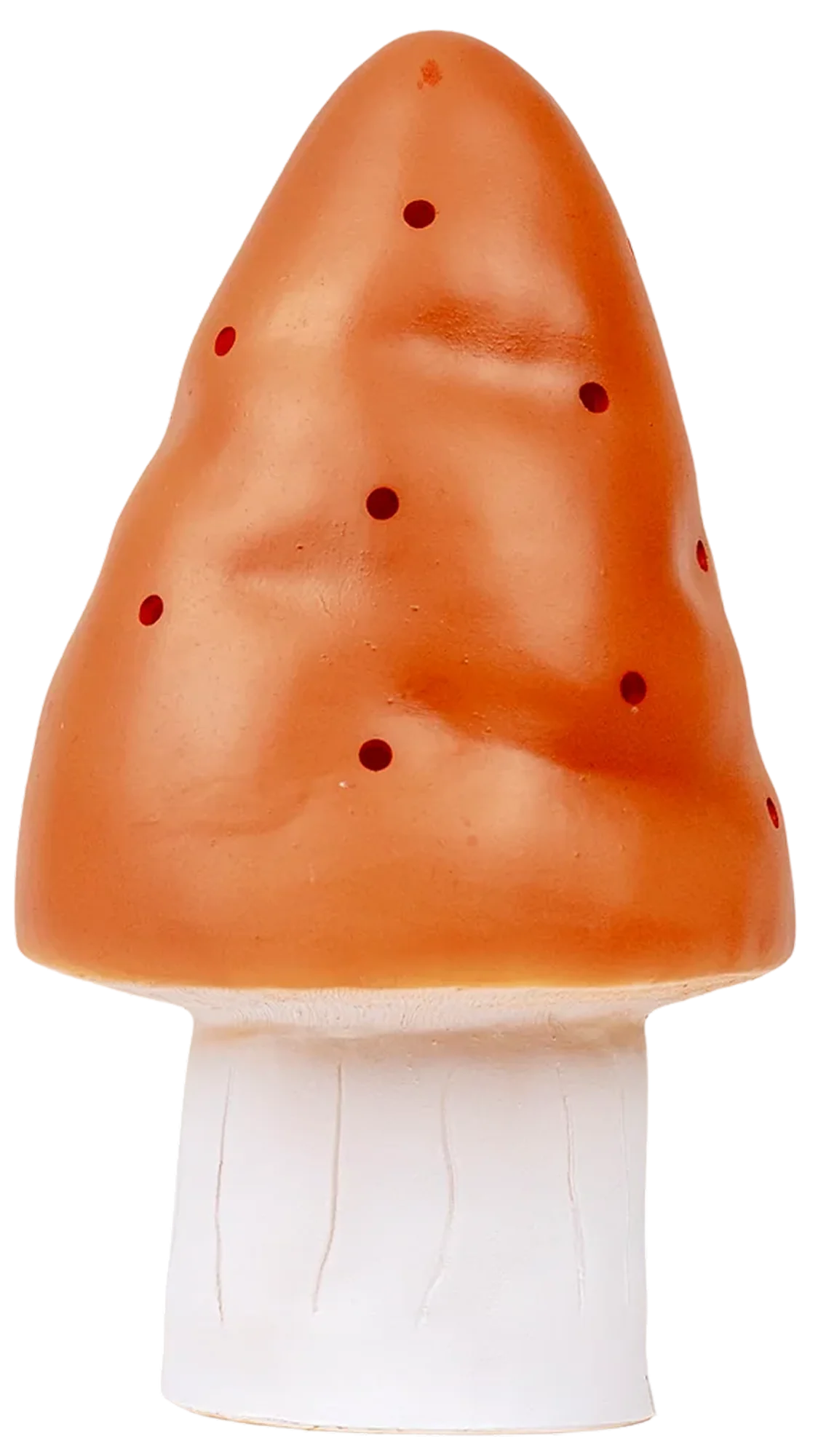
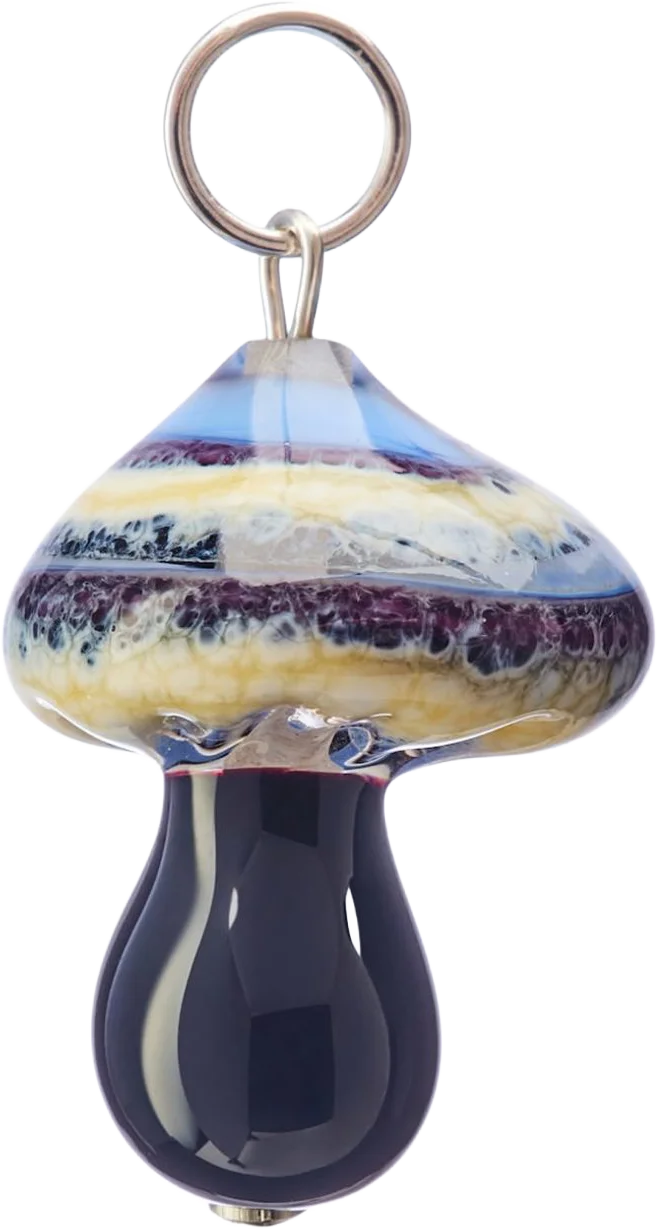
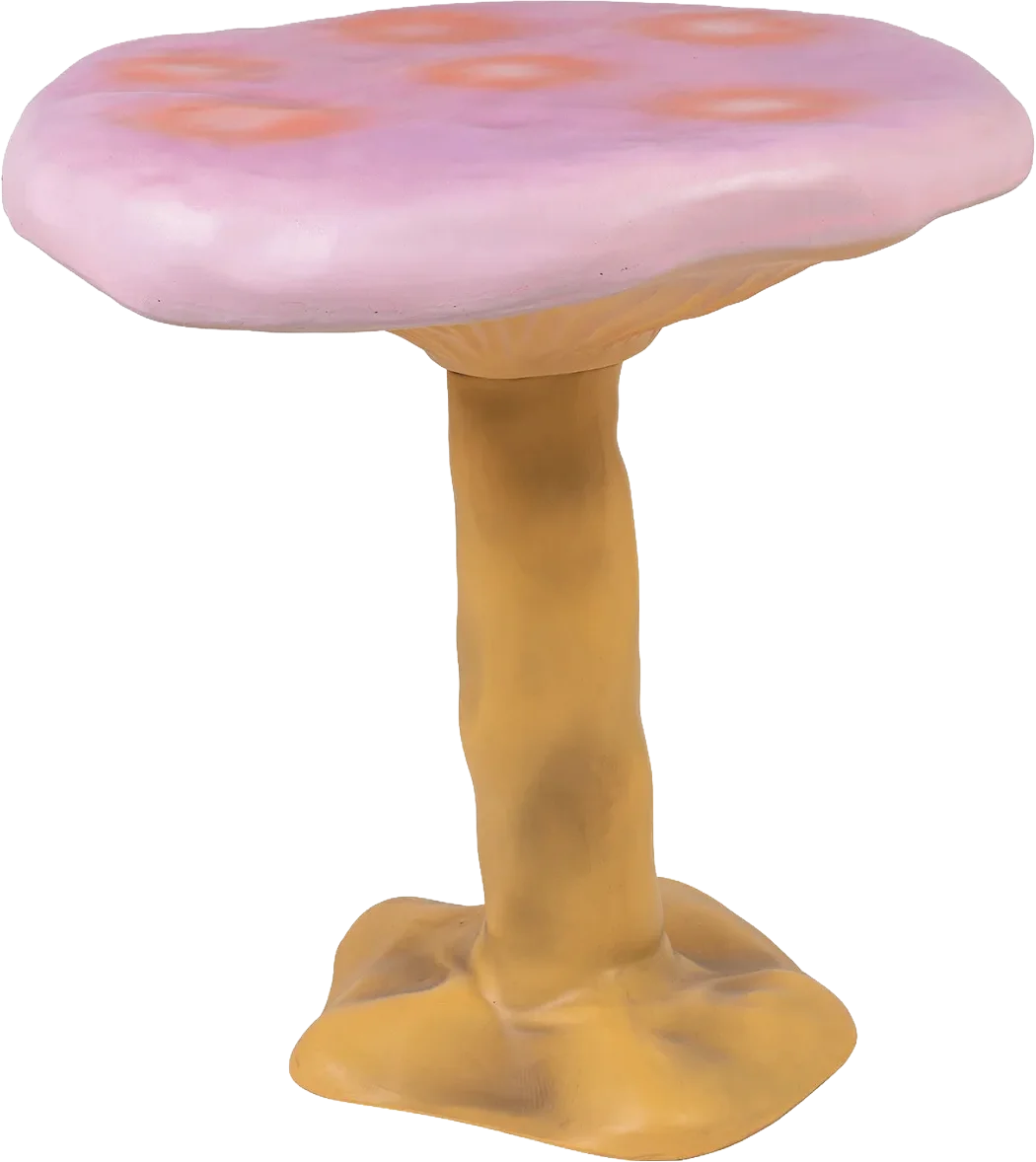
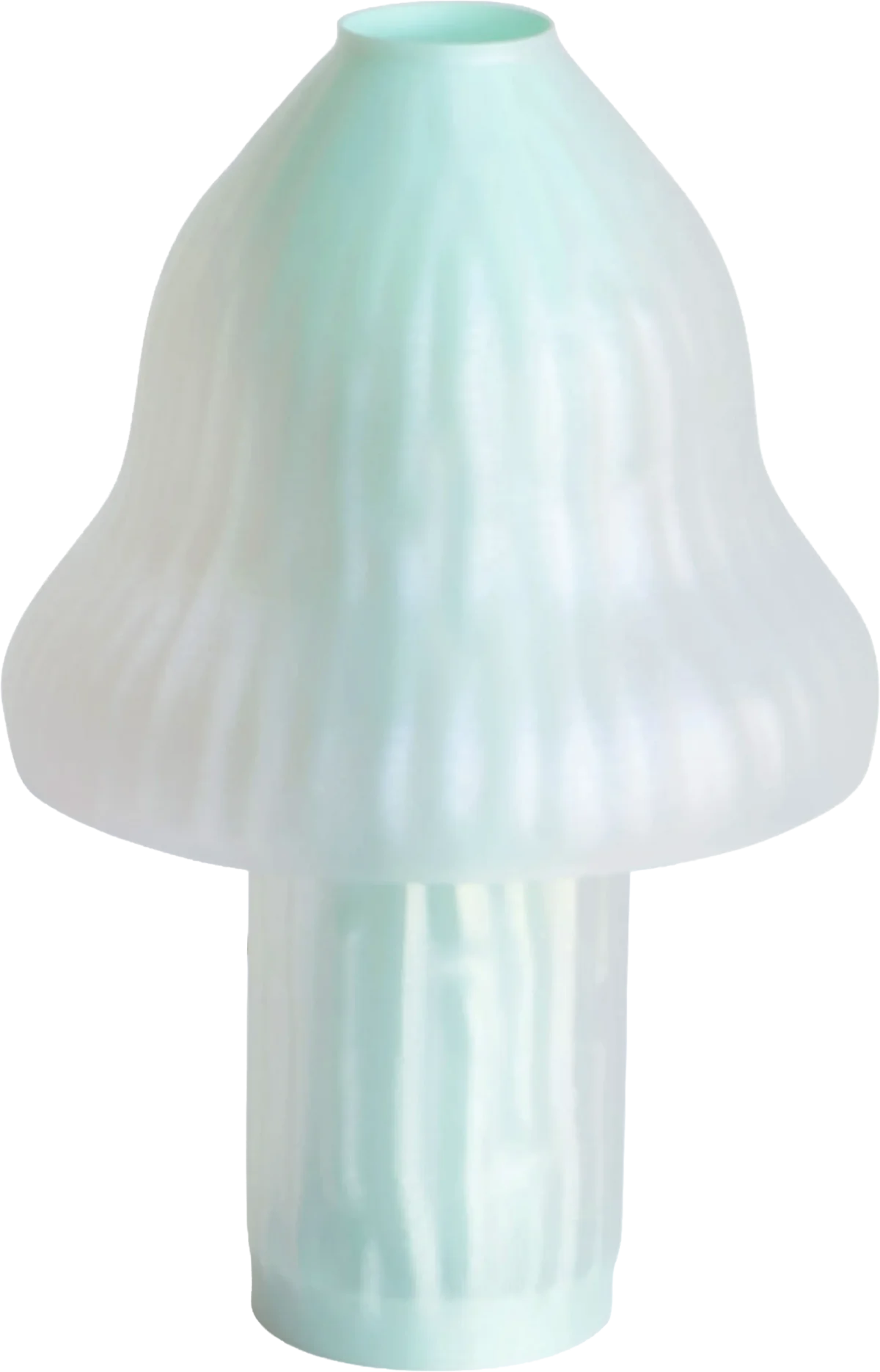
A mushroomcore interior tends to gather ceramic mushroom-shaped vessels in chanterelle yellows and porcini browns, table lamps modeled on classic toadstool silhouettes, vintage botanical prints of fungi, embroidered cushions featuring morel and amanita motifs, and small wooden carvings of woodland specimens. Larger pieces might include sculptural side tables shaped like oversized mushroom caps, organic-form rugs in mossy greens and warm browns, and curtains in linen printed with foraged species.
Mushroomcore traces its visual sources to the long tradition of botanical illustration that flourished from the seventeenth through the nineteenth centuries, alongside the folkloric imagery of fairy-tale mushroom dwellings popularized in the children's literature of the Victorian era. Its contemporary form crystallized in the early 2020s, when documentaries on mycelial communication and the cultural rise of foraging brought renewed attention to fungi as objects of fascination, encouraging designers and collectors to translate this interest into the domestic interior.
The gift ideas page helps you find a present by mood, style and budget. You choose their intensity, their vibe and your budget with three sliders, and the page returns objects from the newitem.earth archive, each one linking to the original shop.