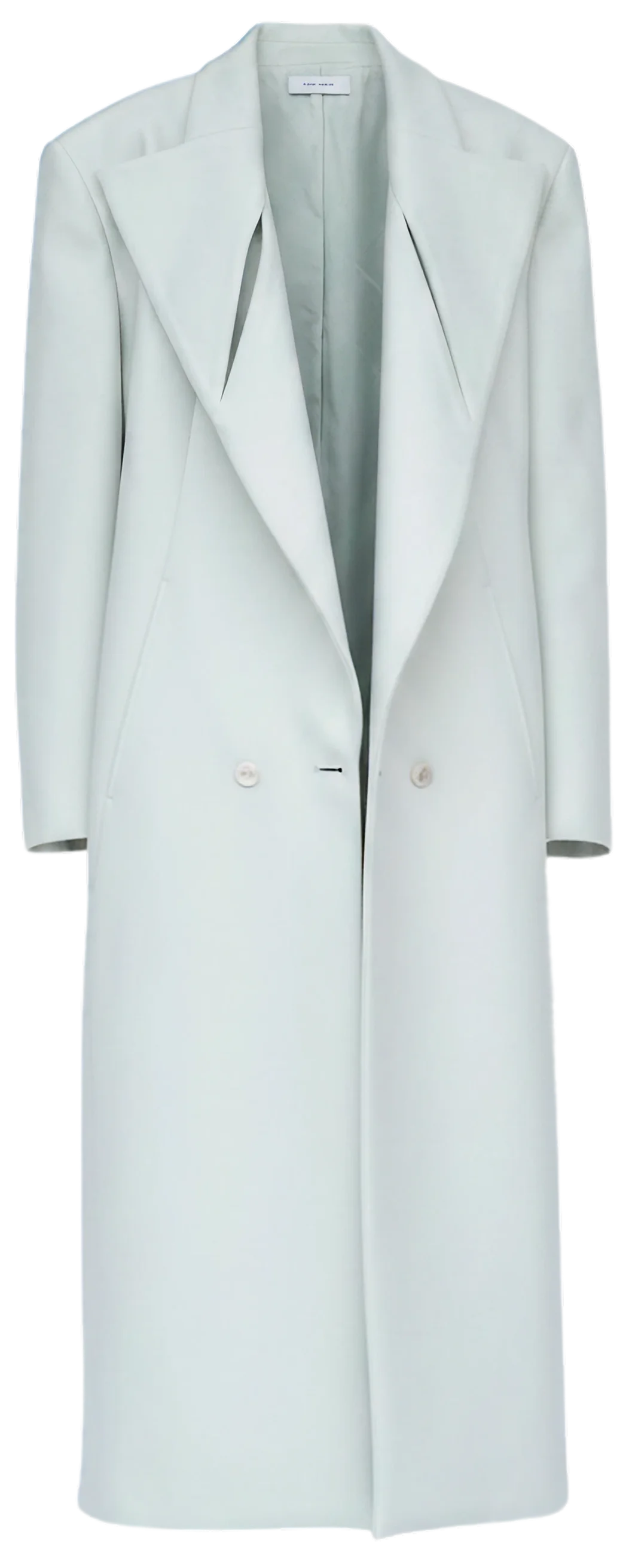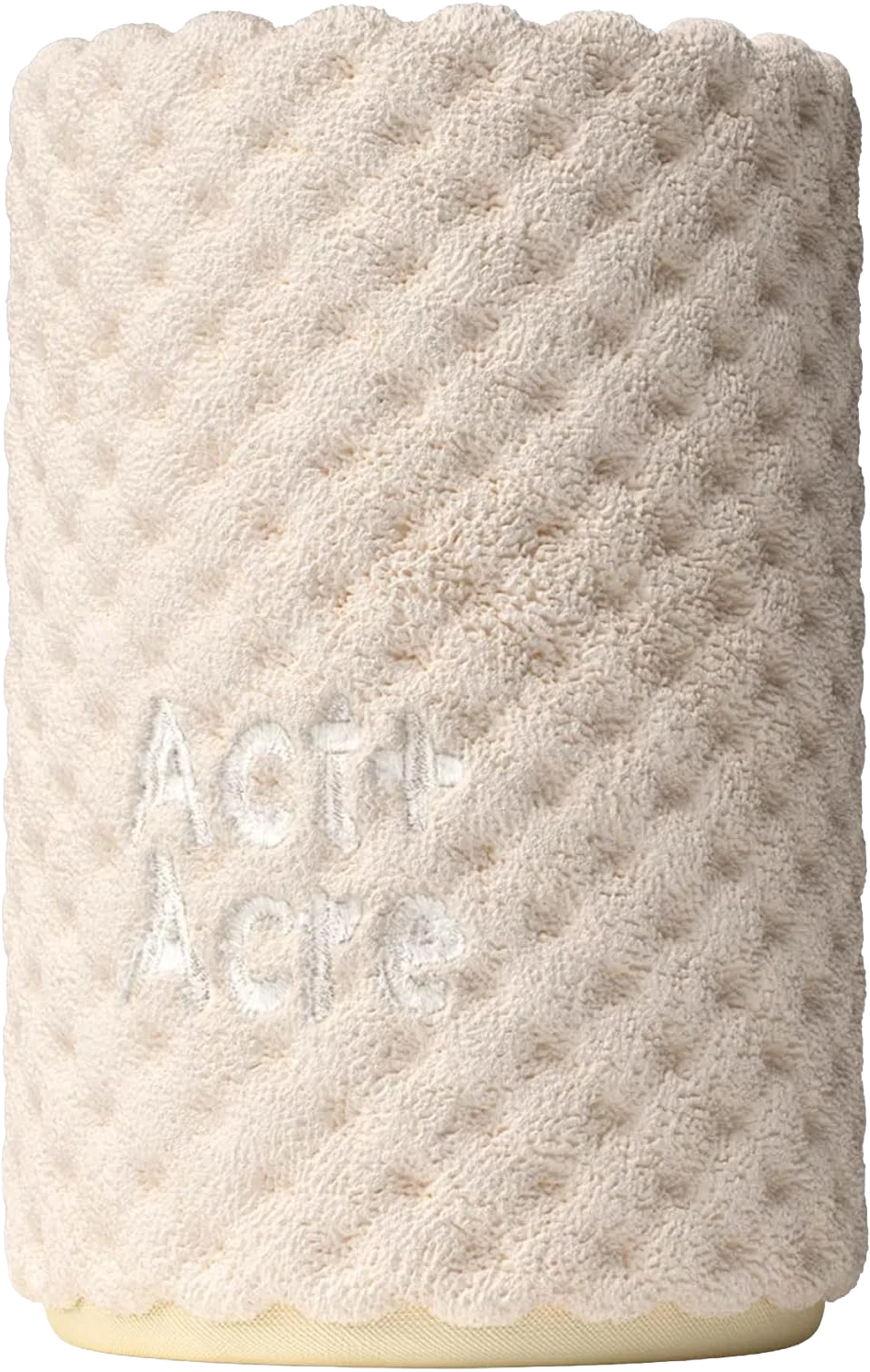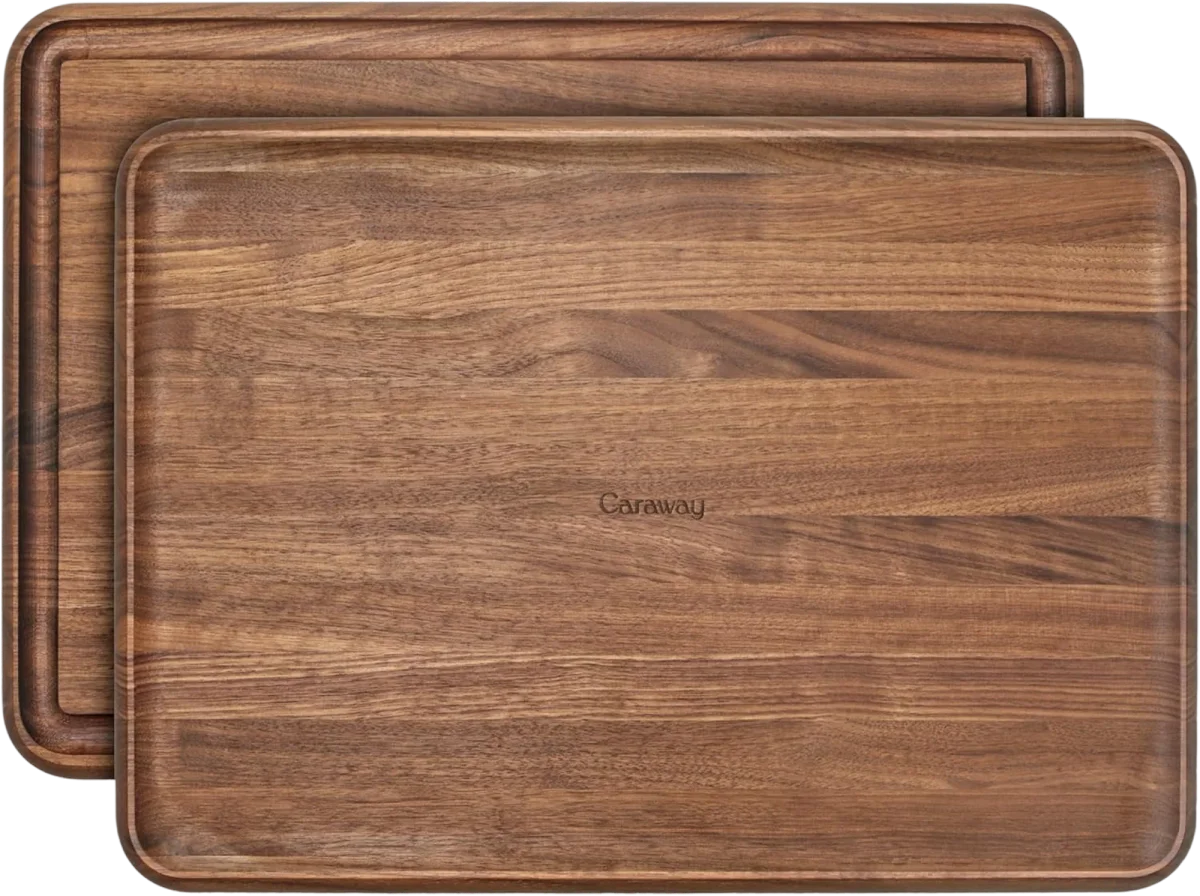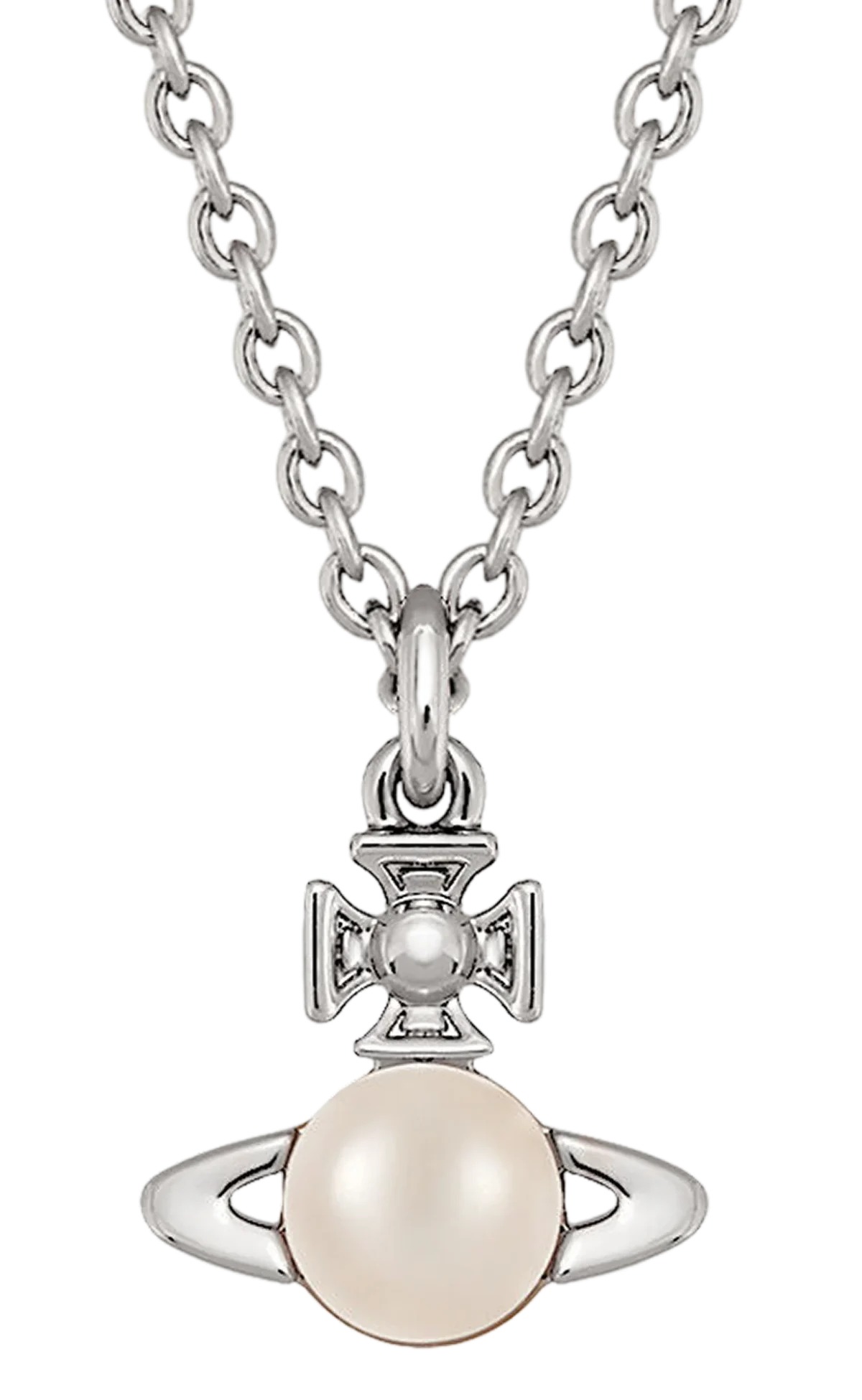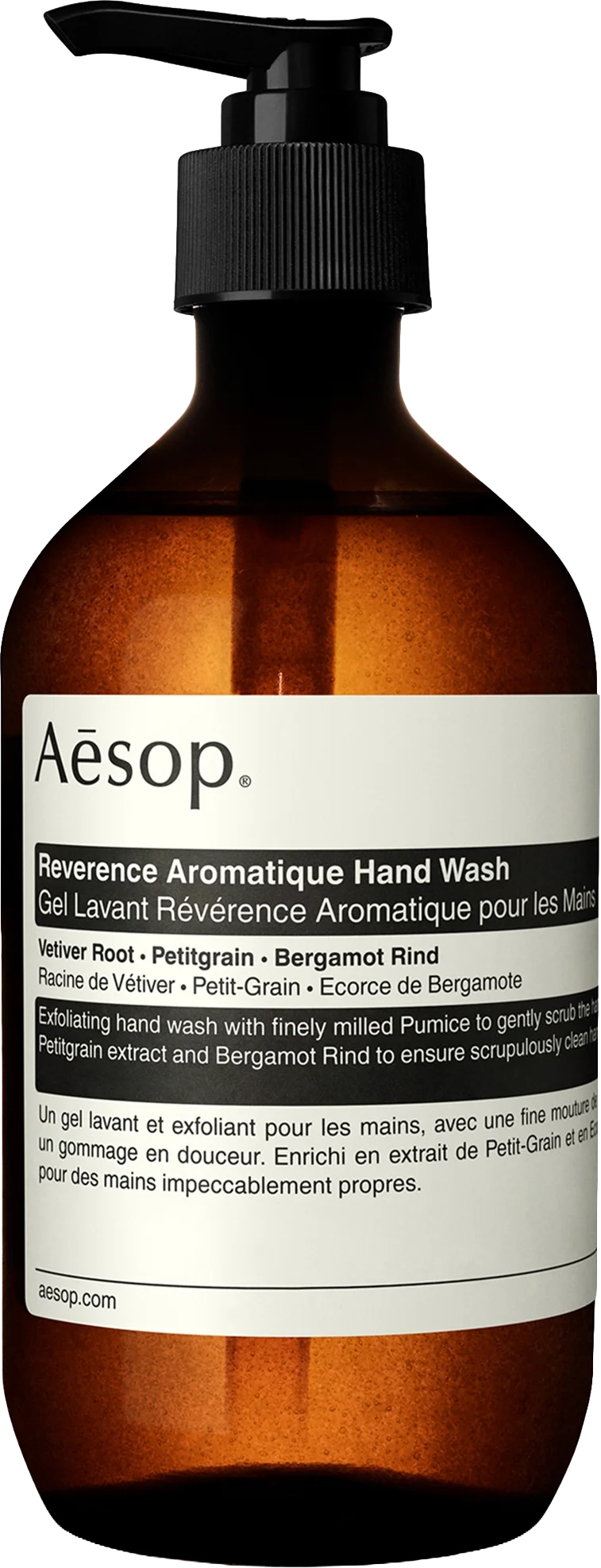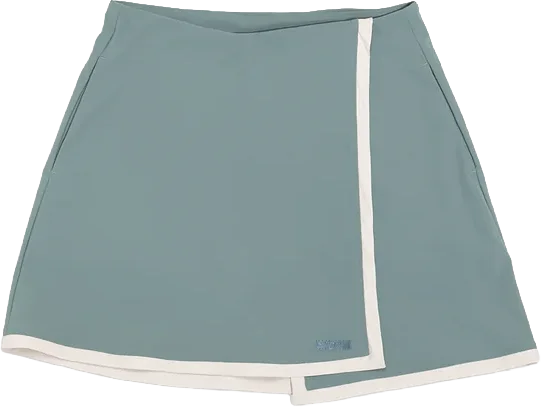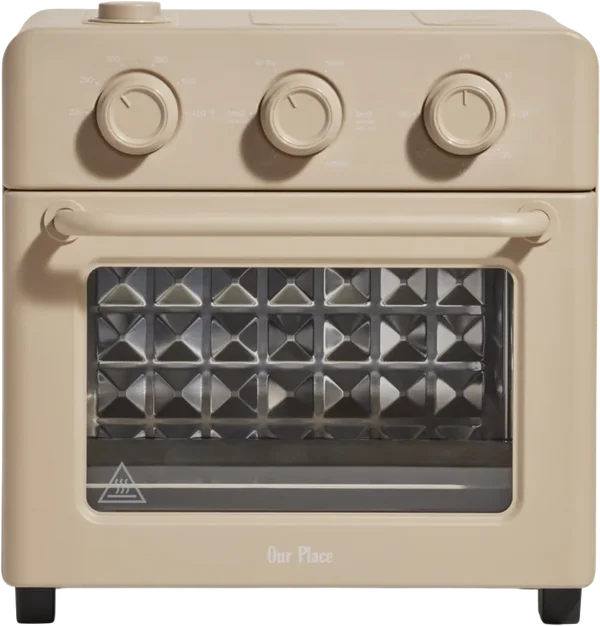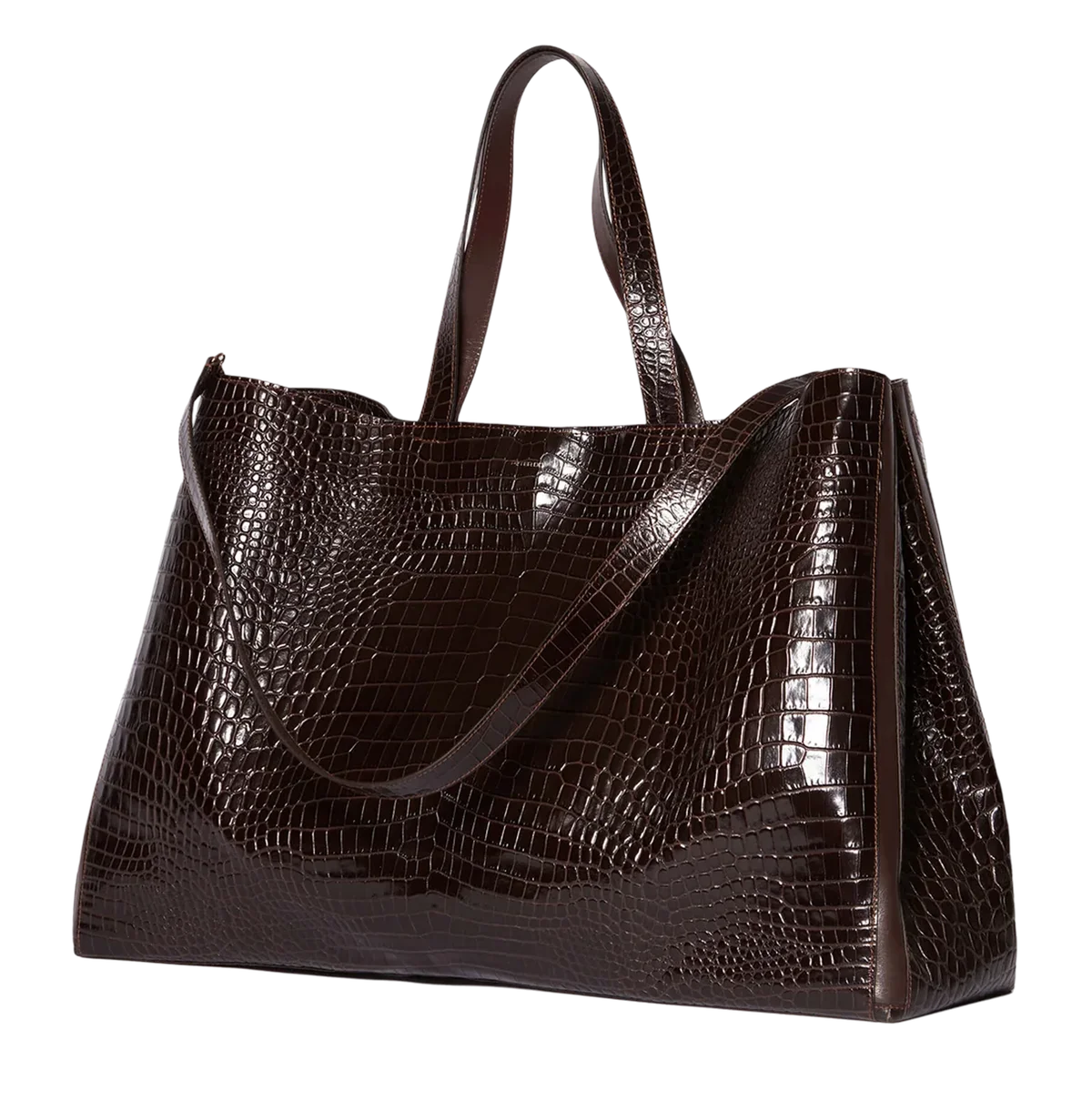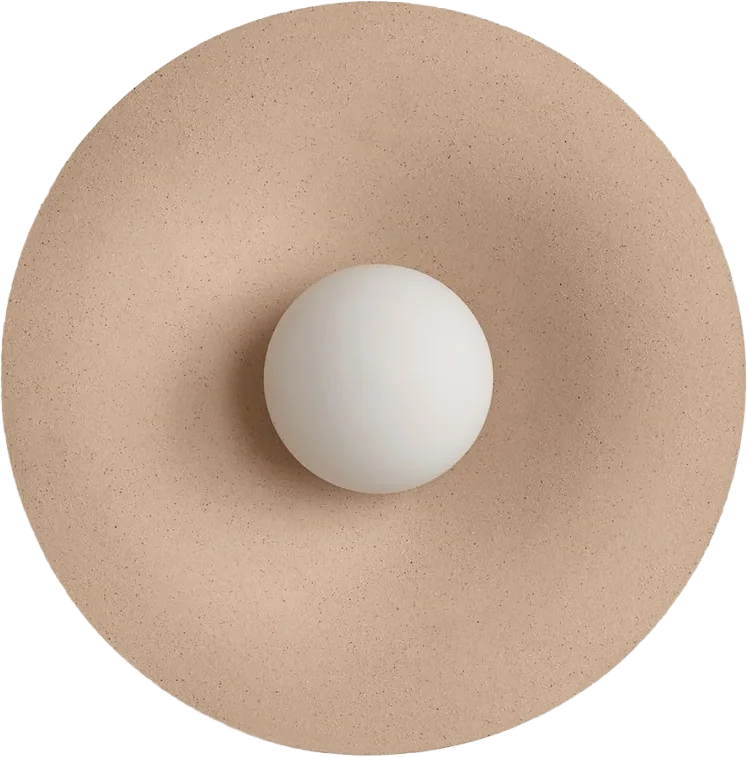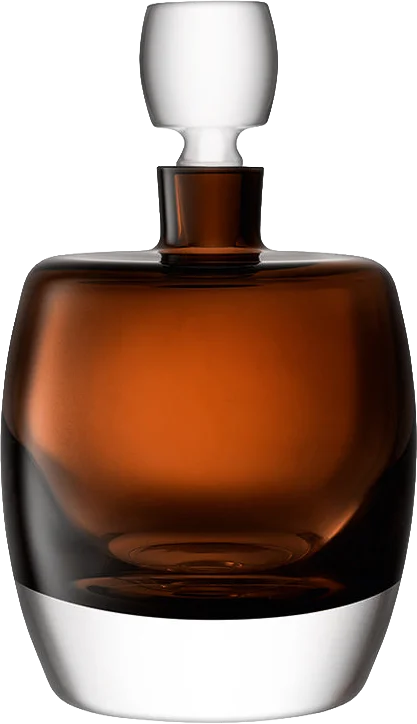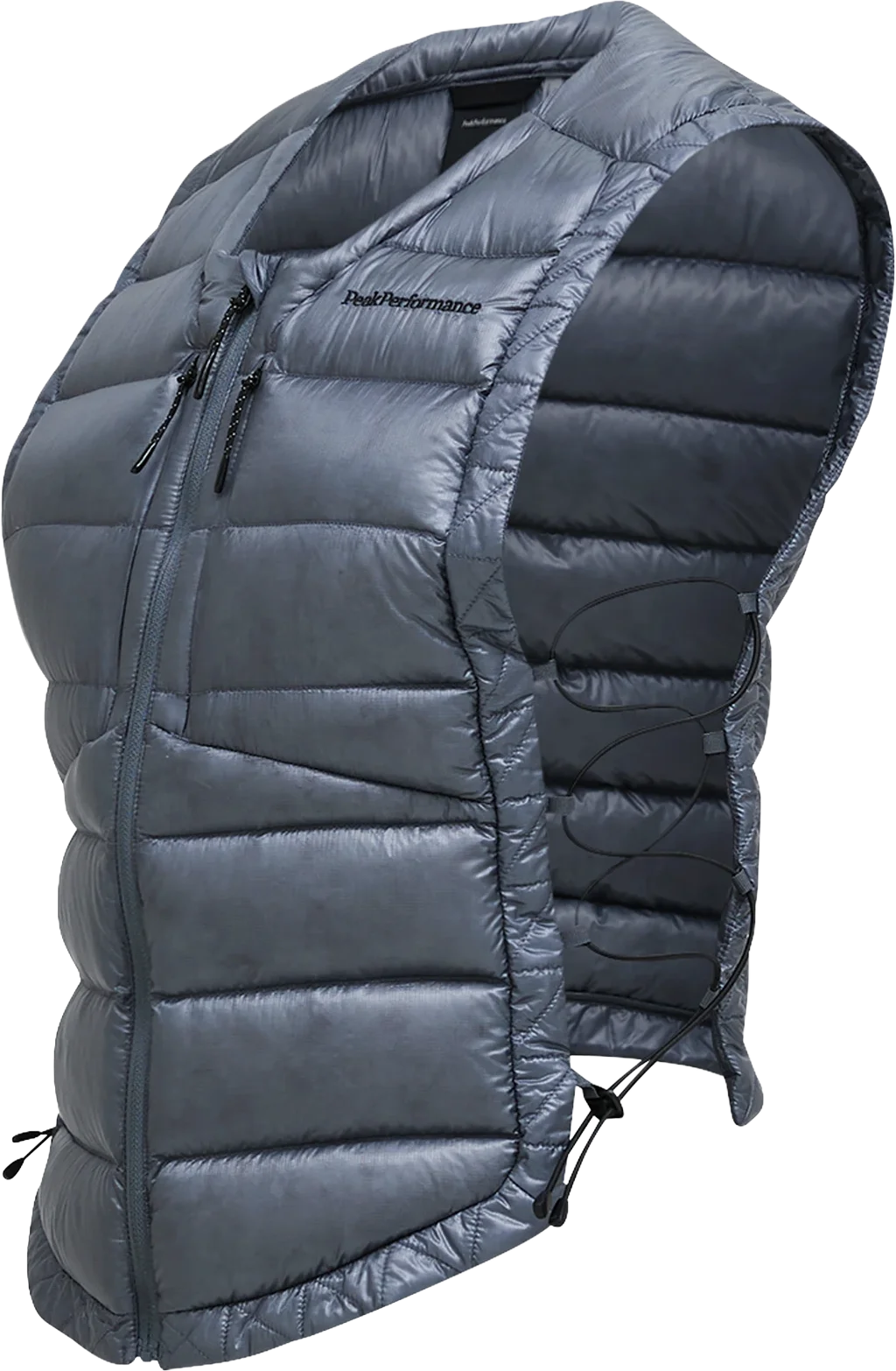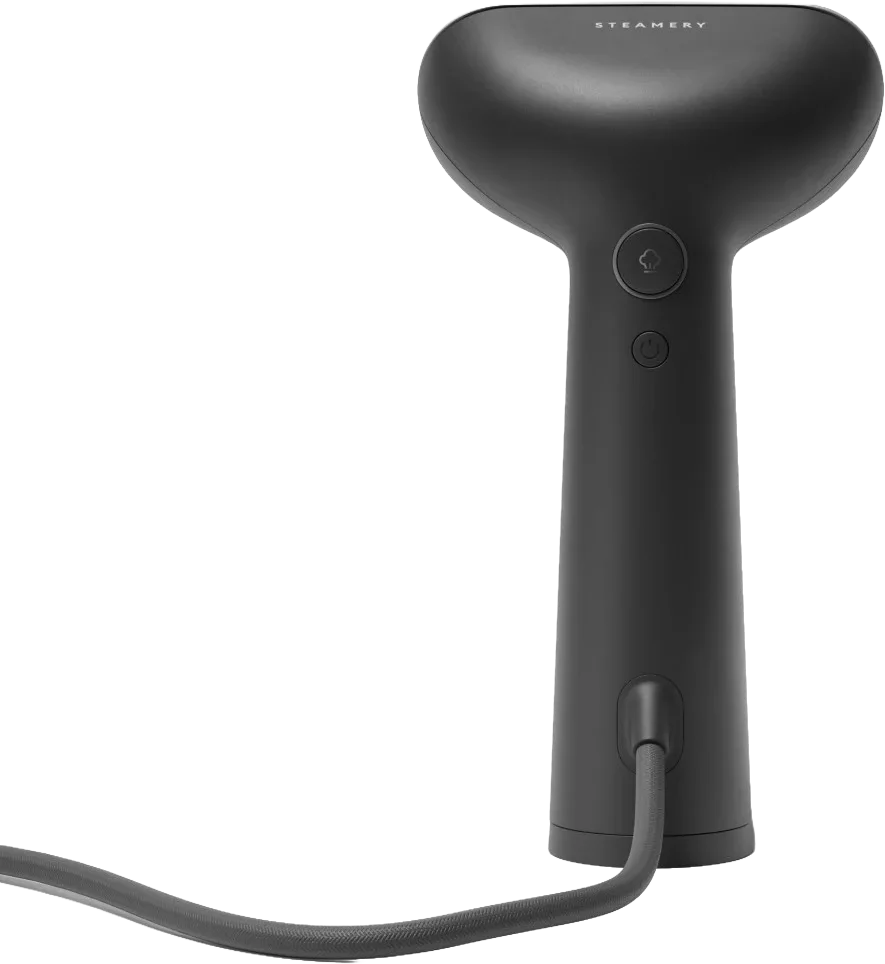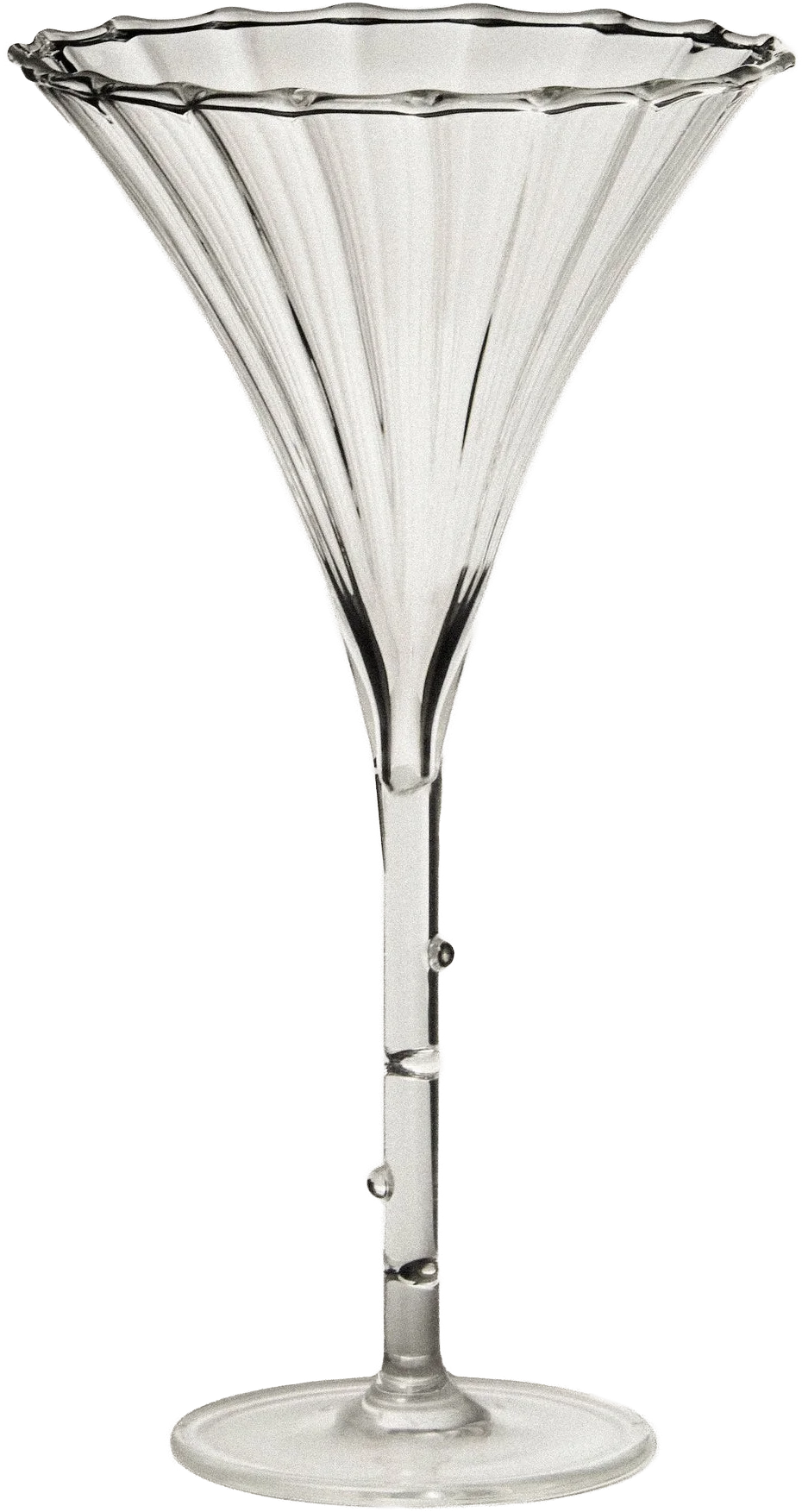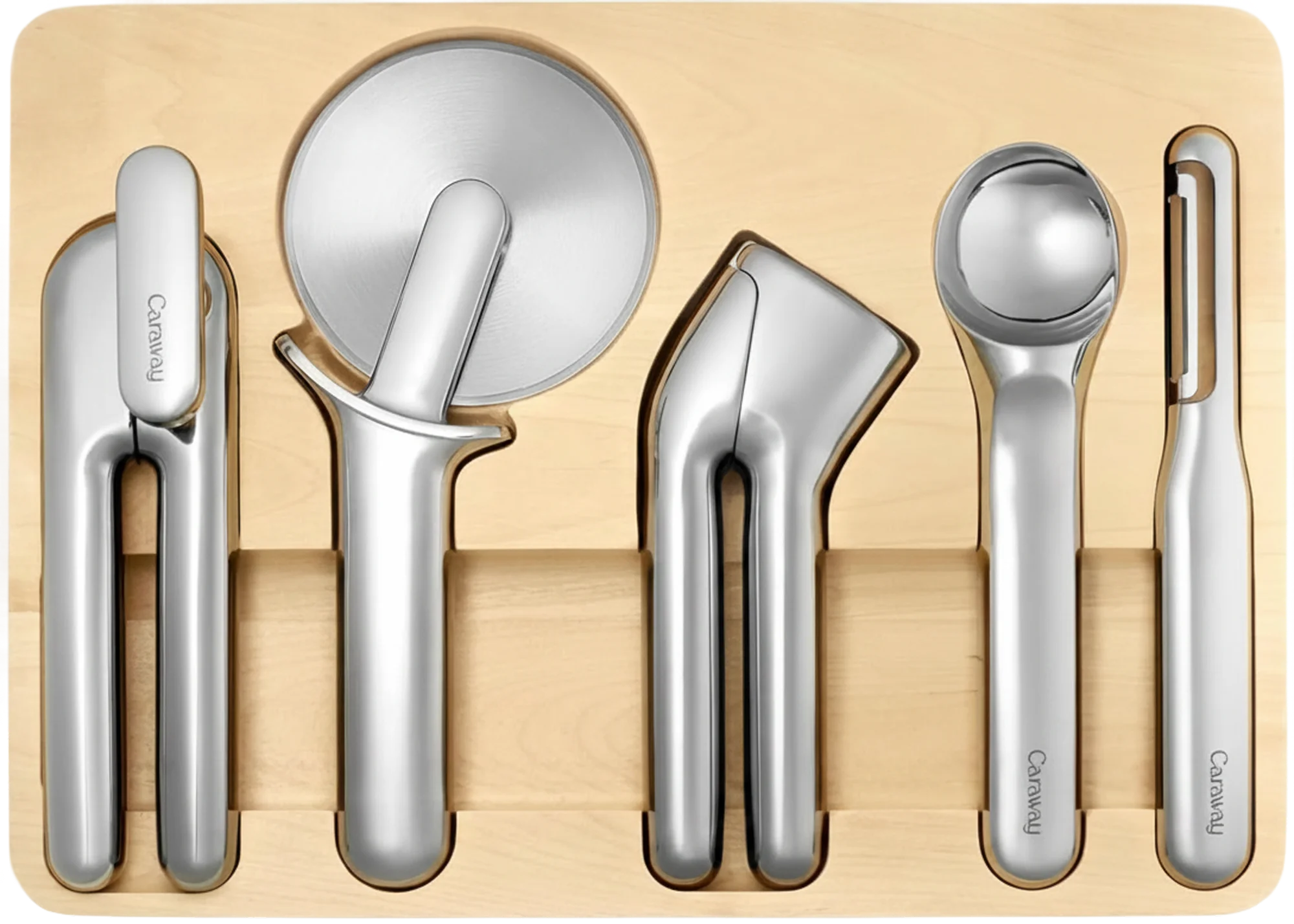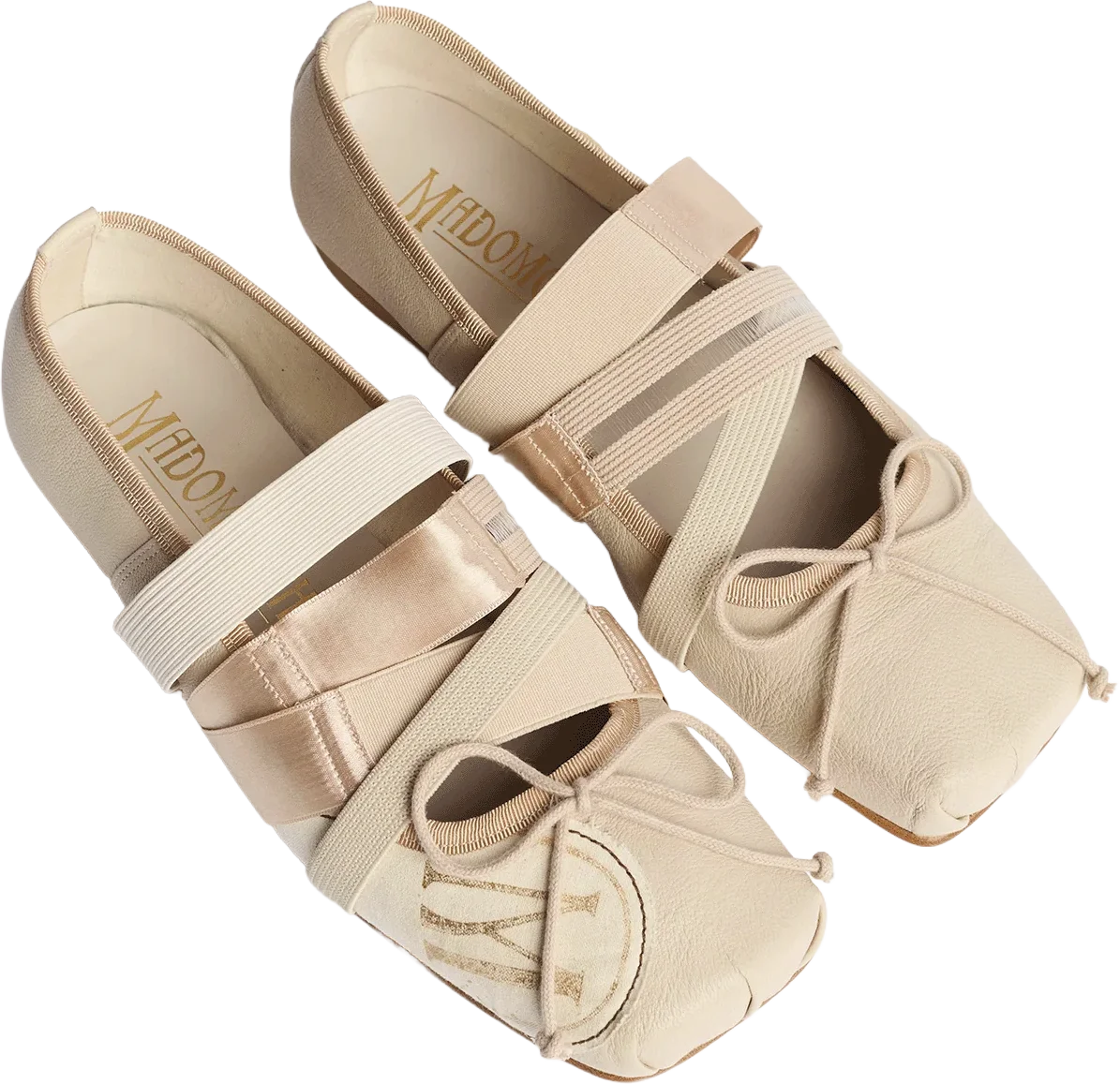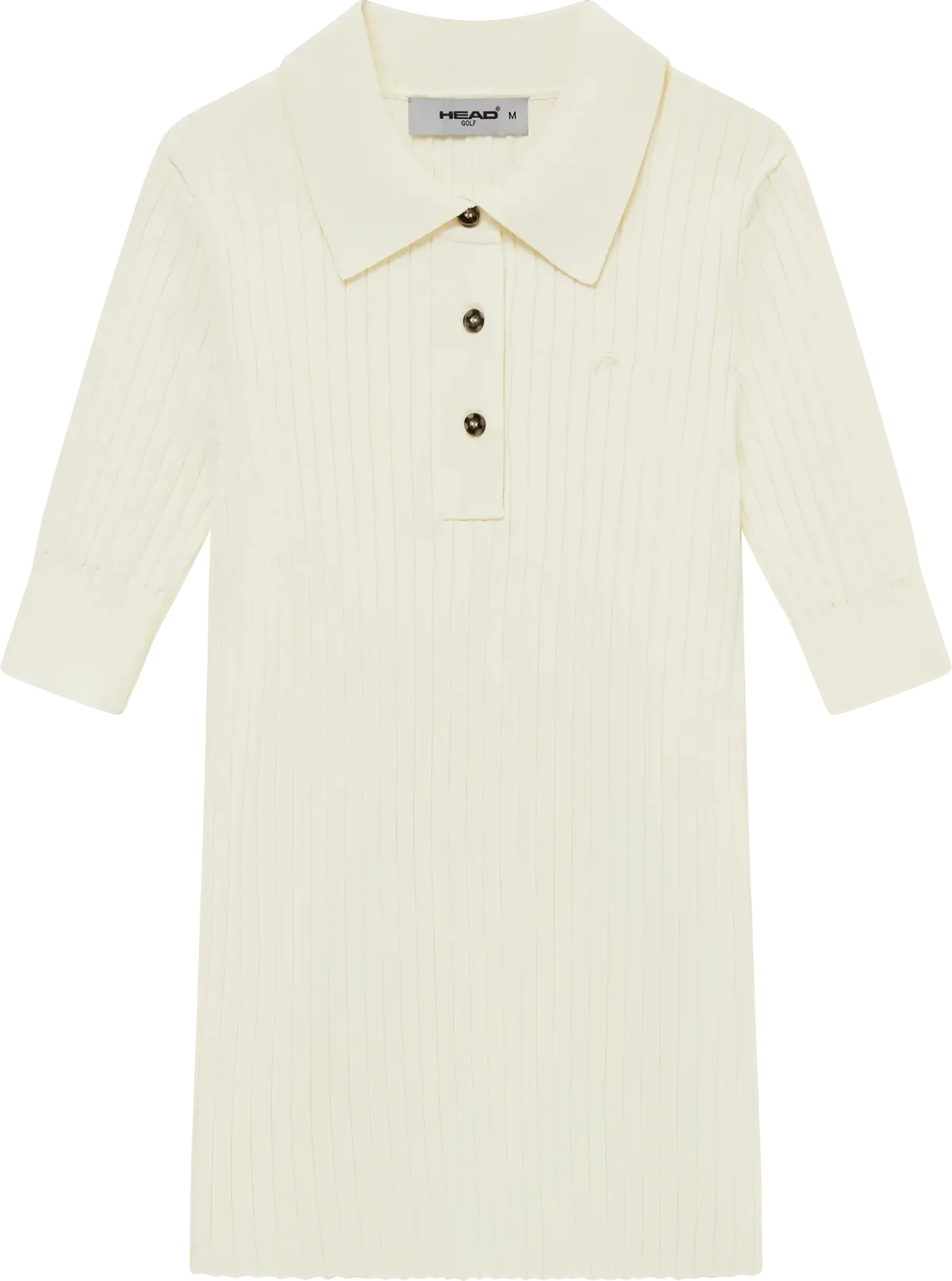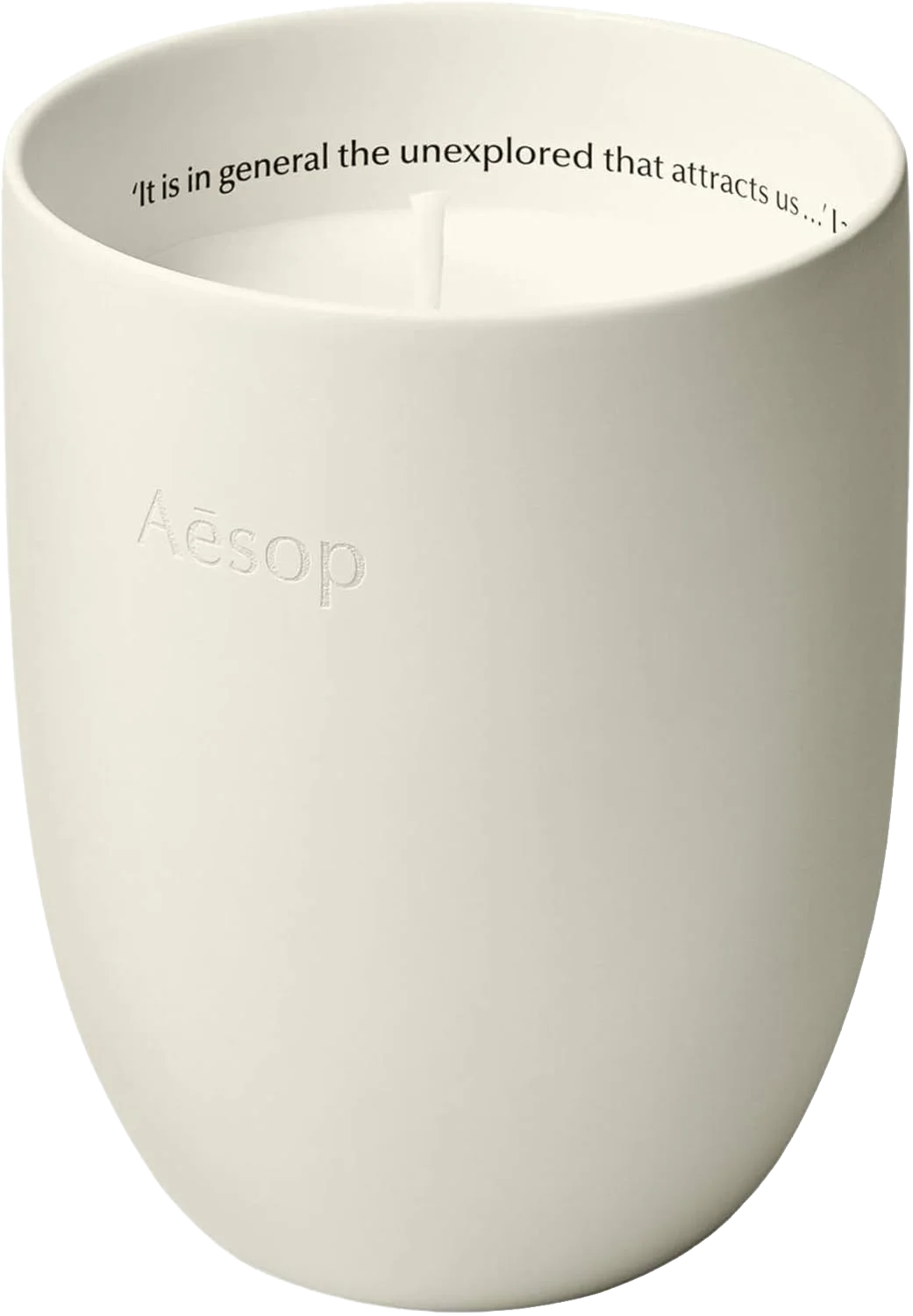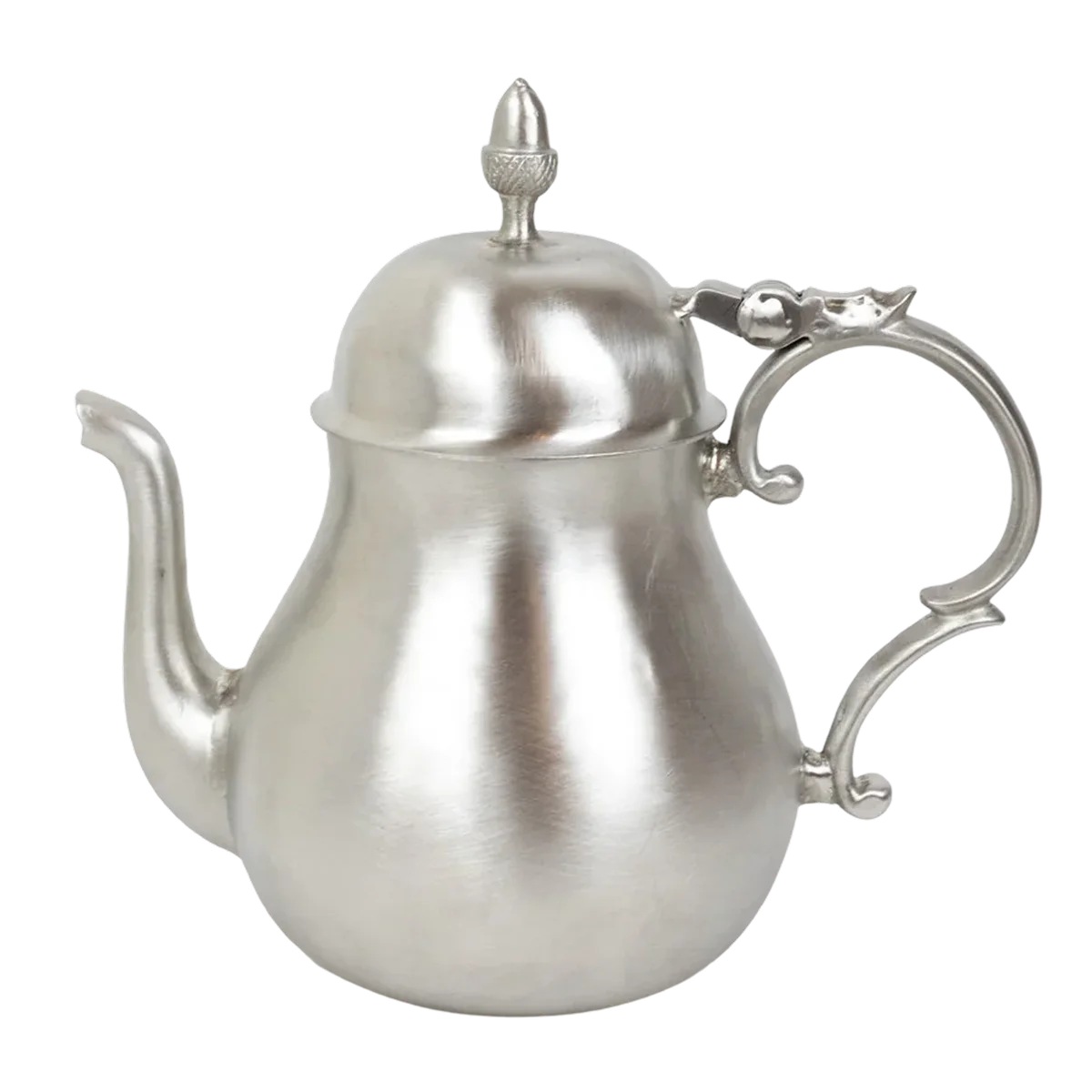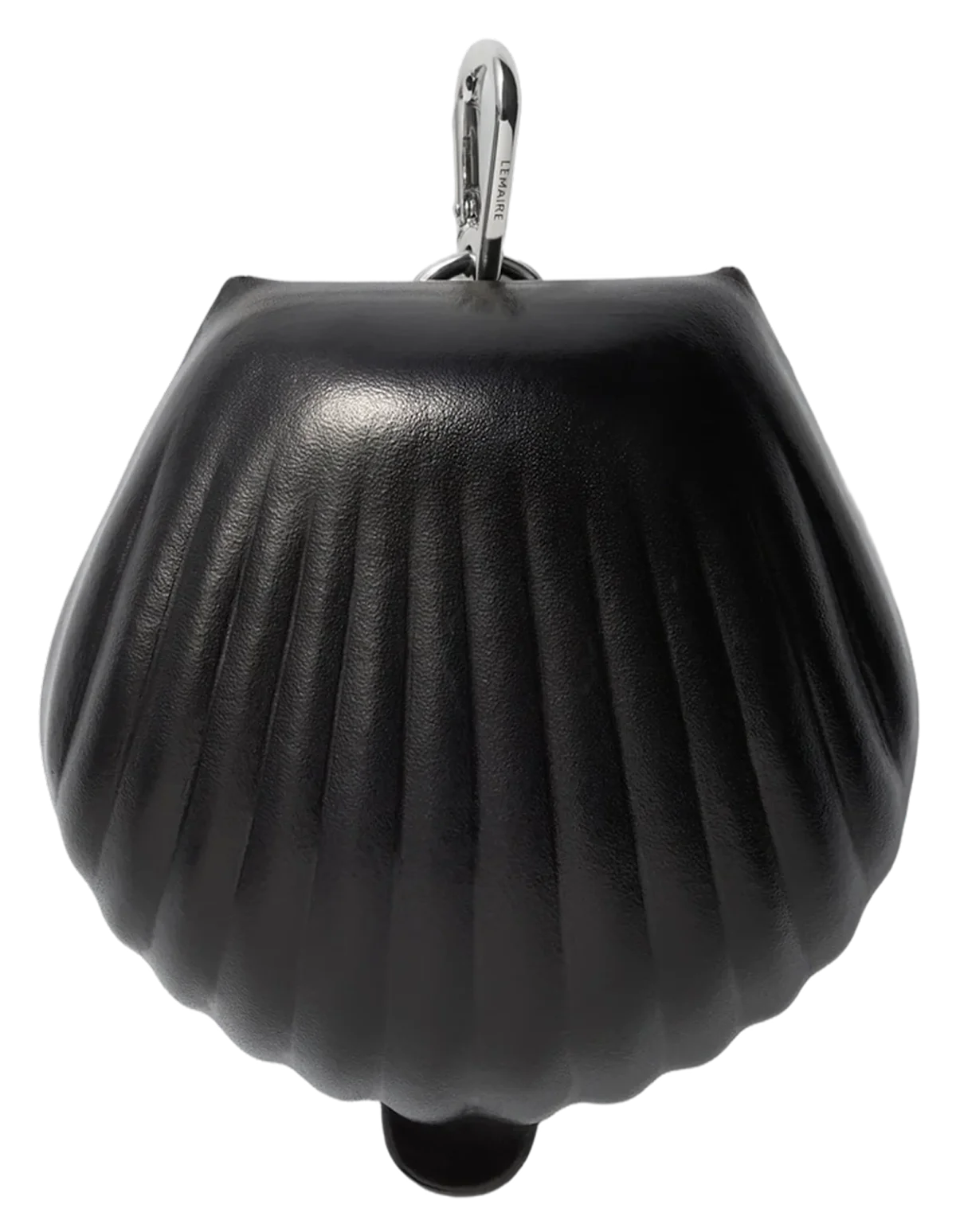
Fashion consumption organized around the principle that supreme quality communicates itself without logomarks, producing a wardrobe of cashmere basics and construction-forward garments legible only to those who know how to look.
36 items curated
The quiet luxury aesthetic builds itself around the proposition that the most refined expression of wealth is its visual restraint, gathering interiors and wardrobes that prize impeccable tailoring, fine materials and the kind of considered detail that reveals itself only to those who know how to look. Its rise to cultural prominence during the early 2020s coincided with a broader rejection of logo-driven branding among design-literate audiences, replacing visible status markers with quieter forms of distinction that depend on knowledge, craftsmanship and the slow accumulation of taste.
What separates quiet luxury from the parallel currents of old money or minimalism is its closer attention to material quality and the contemporary, the way an interior can suggest a cashmere sweater from The Row or a tailored coat from Loro Piana rather than the inherited furniture of a multigenerational estate. Designers gravitating toward this aesthetic typically reach for cashmere throws, hand-finished linen upholstery, marble surfaces, brushed brass details, and the warm neutral palette of camel, ivory, charcoal and the soft browns of natural leather. The contemporary appeal of quiet luxury lies in its insistence that true sophistication is structurally invisible to those outside the circle of recognition, treating restraint itself as the highest form of refinement.
Quiet luxury organizes itself around the visual restraint of premium materials and impeccable construction, prizing cashmere, fine linen, marble, hand-finished leather and the kind of warm neutral palette associated with brands such as The Row, Loro Piana and Brunello Cucinelli. The aesthetic favors objects whose value depends on craftsmanship and material rather than visible branding, treating absence of logos as itself a form of decorative statement.
Old money relies on inherited tradition and the multigenerational country estate, gathering imagery from English manor houses, Hampton beach properties and the equestrian traditions of long-established families. Quiet luxury proposes a more contemporary version of the same restraint, focusing on present-day premium brands and the urban apartment of a discerning collector rather than the country house passed down through generations.
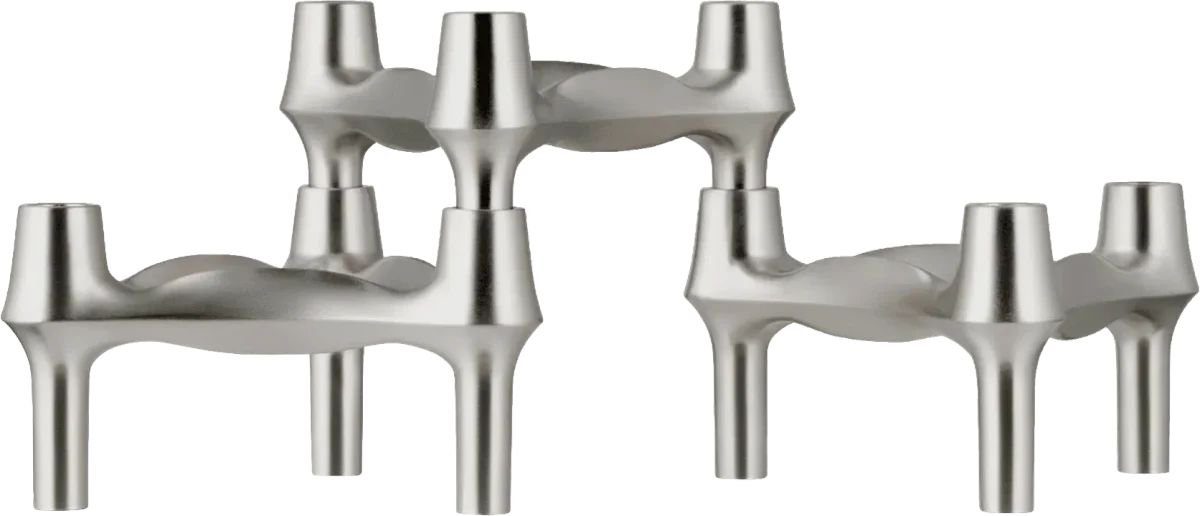
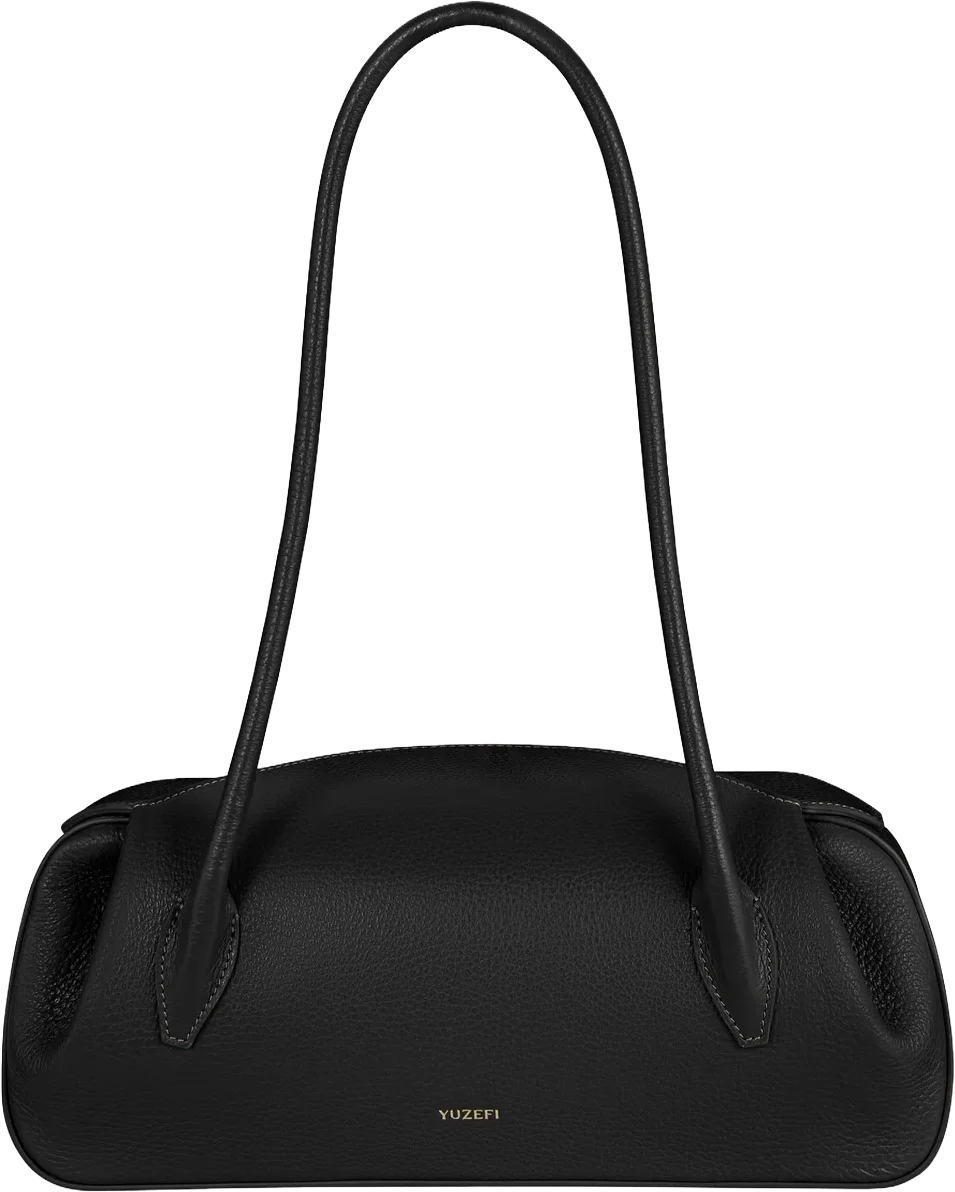
A quiet luxury interior tends to gather cashmere throws in camel and ivory, hand-finished linen upholstery, marble side tables, brushed brass hardware, leather-bound coffee table books, hand-thrown ceramic vessels by recognized makers, and considered lighting from independent contemporary designers. Smaller pieces might include silver picture frames, monogrammed table linens, cashmere cushions and the small leather goods produced by traditional European workshops.
Quiet luxury traces its sensibility to the long European tradition of understated wealth represented by tailoring houses such as Savile Row and the documented private interiors of figures known for cultivated restraint rather than visible display. Its present cultural form took shape during the early 2020s, when a generation of design-literate consumers turned away from logo-driven luxury and toward brands whose value depended on material quality and discreet recognition rather than public visibility.
The gift ideas page helps you find a present by mood, style and budget. You choose their intensity, their vibe and your budget with three sliders, and the page returns objects from the newitem.earth archive, each one linking to the original shop.