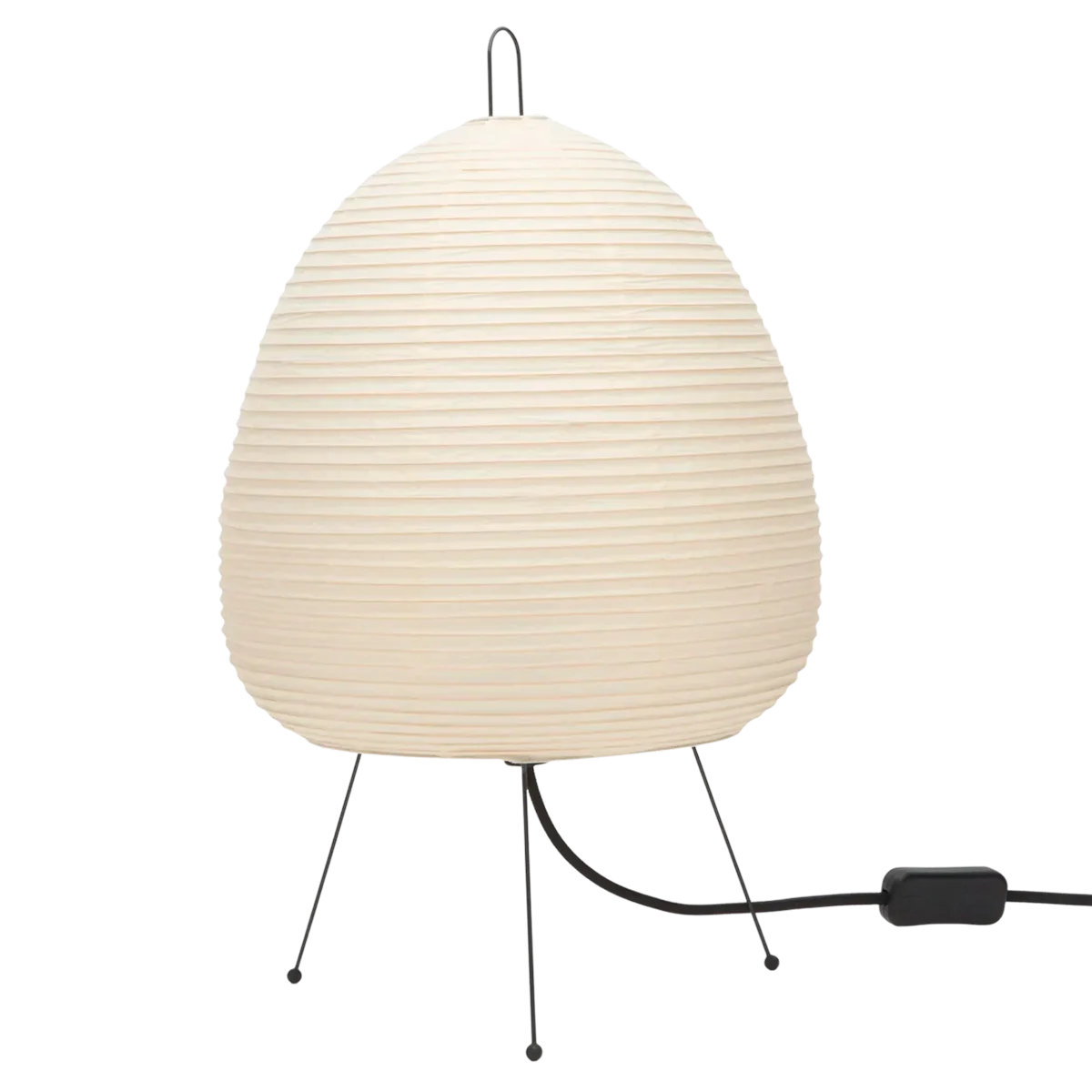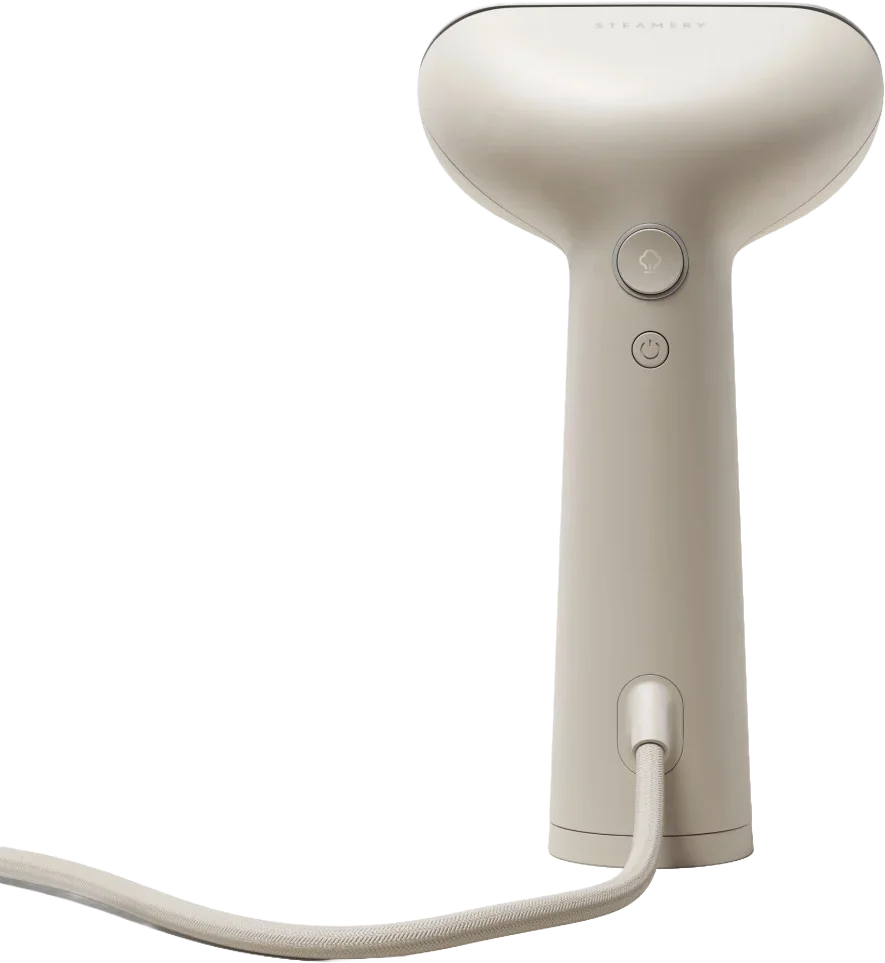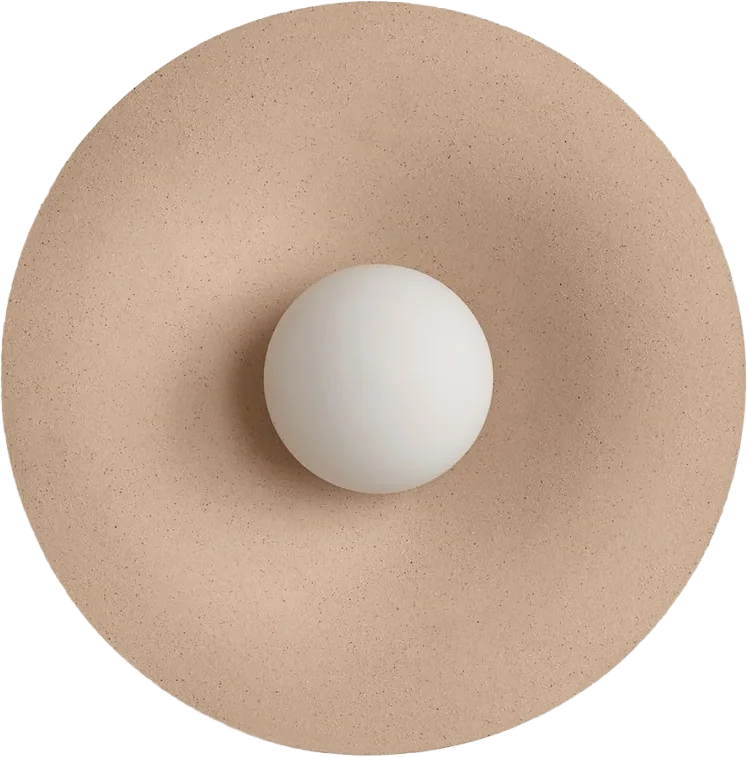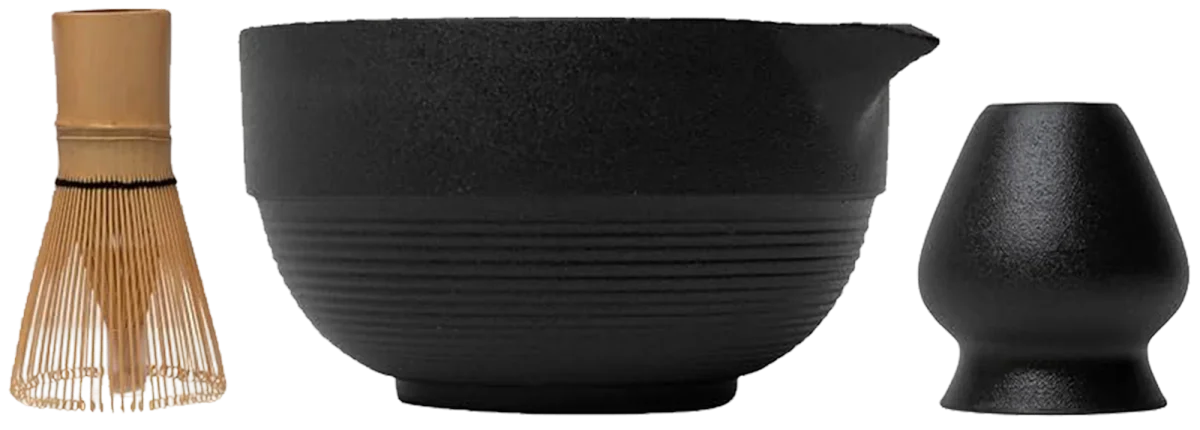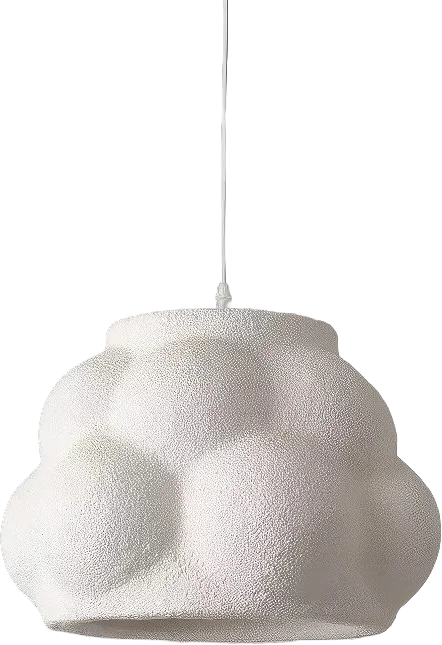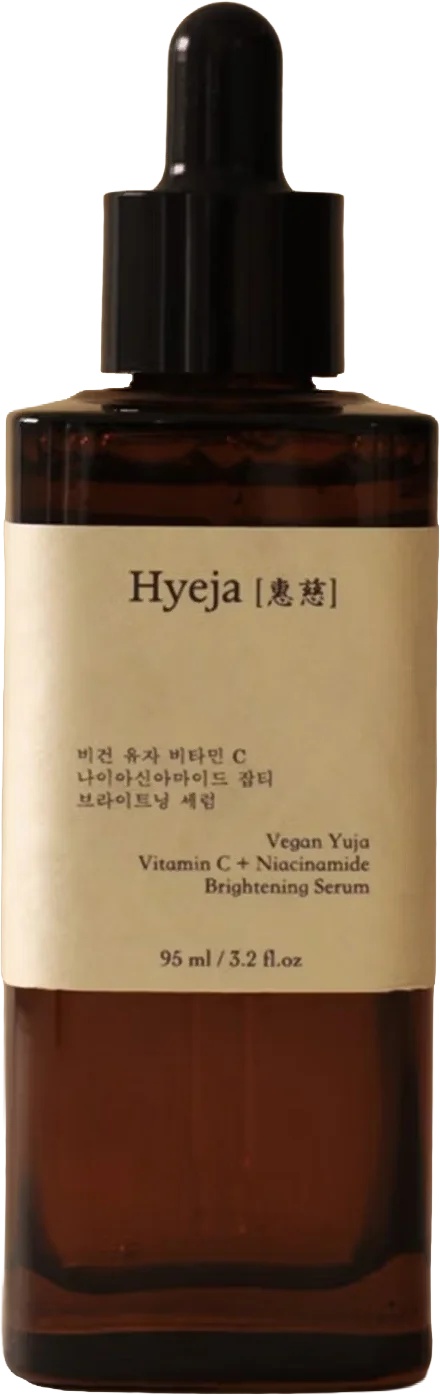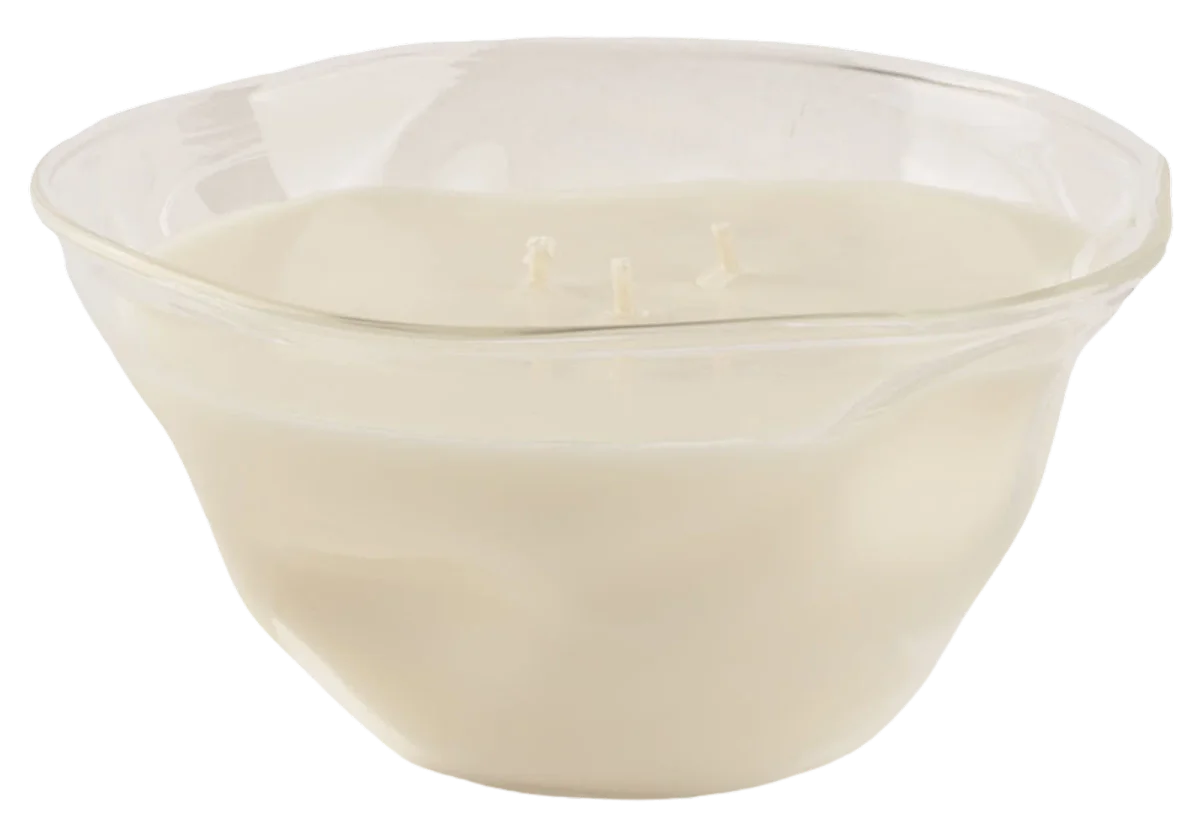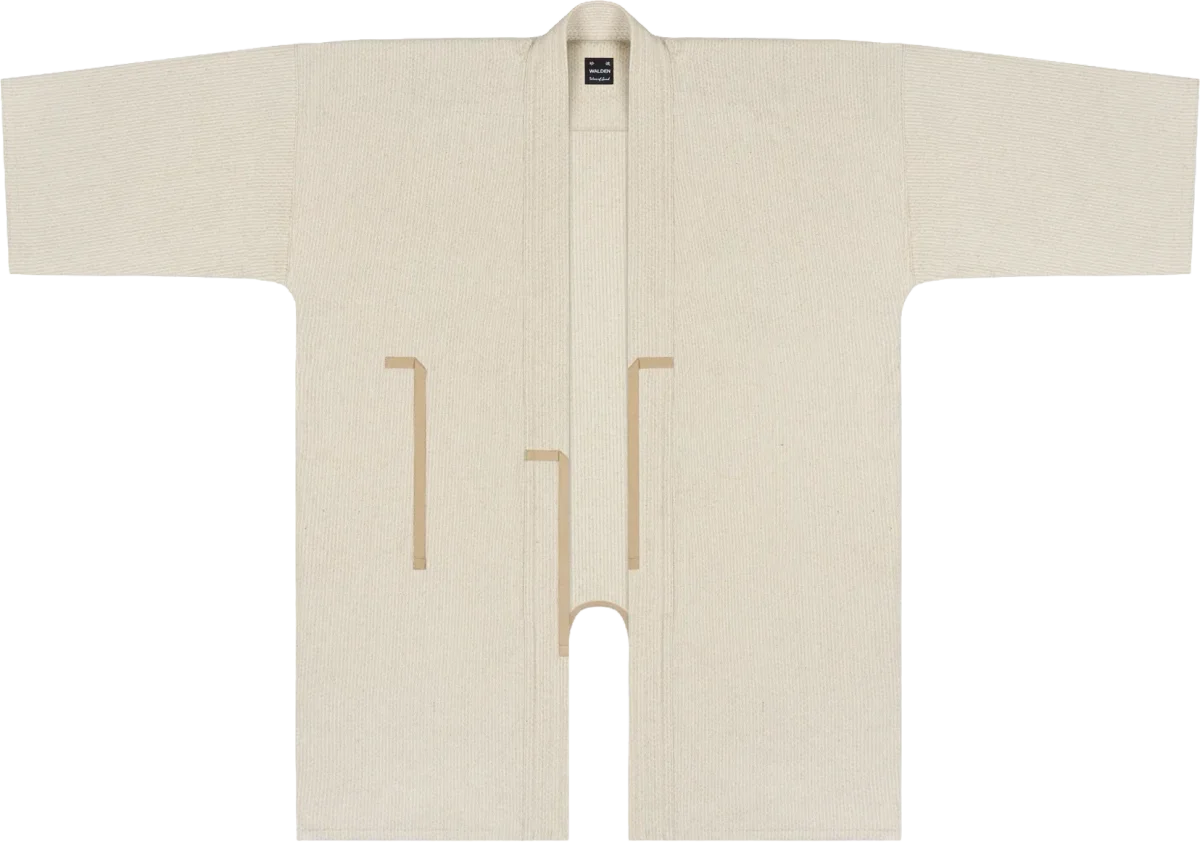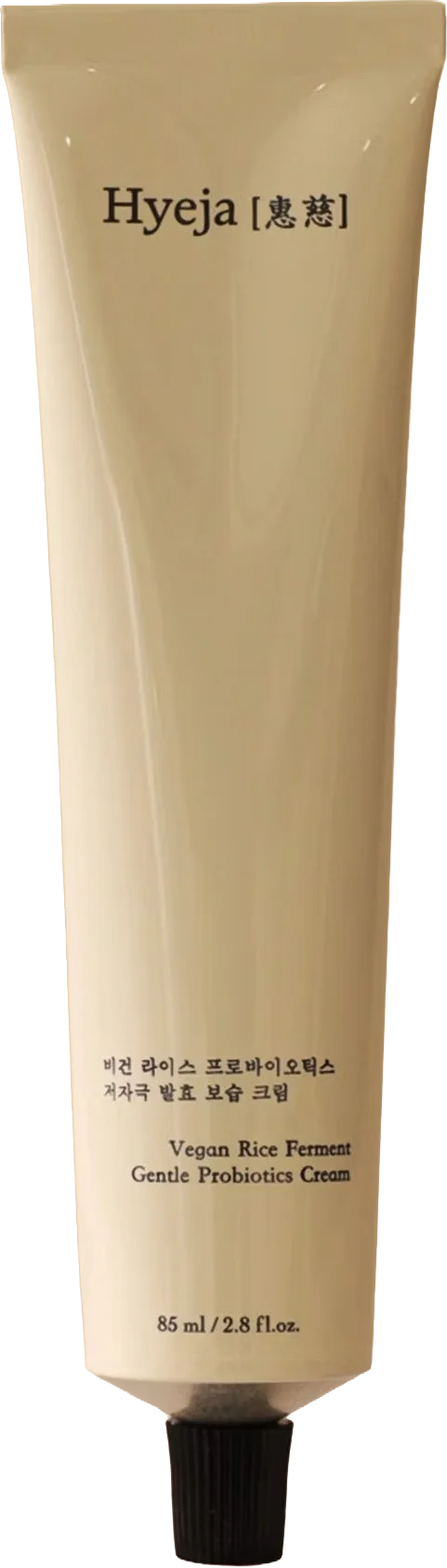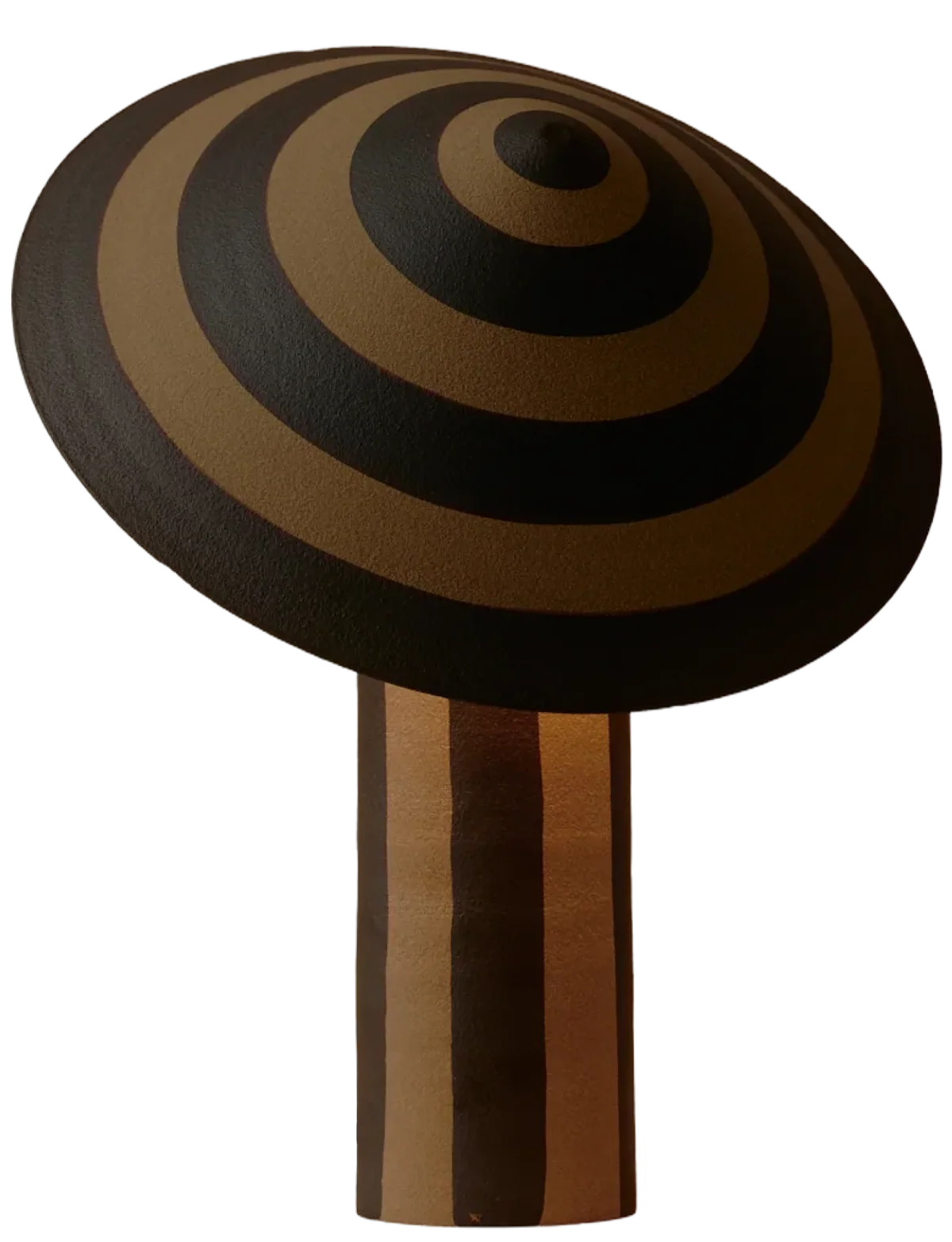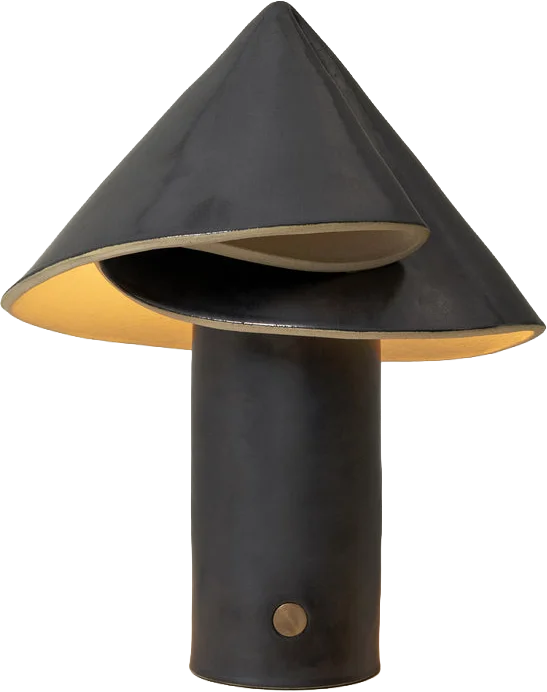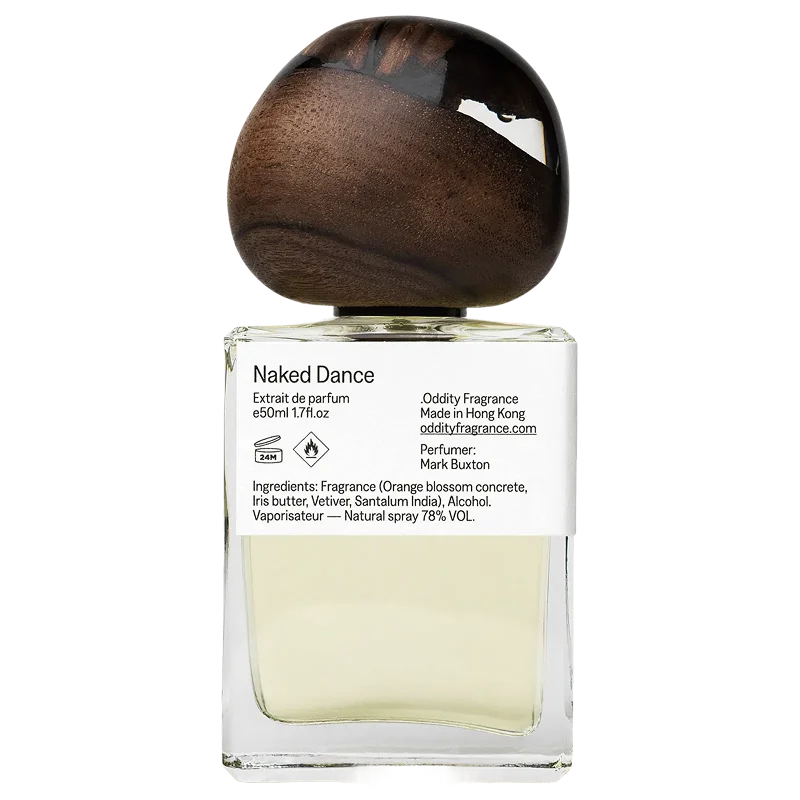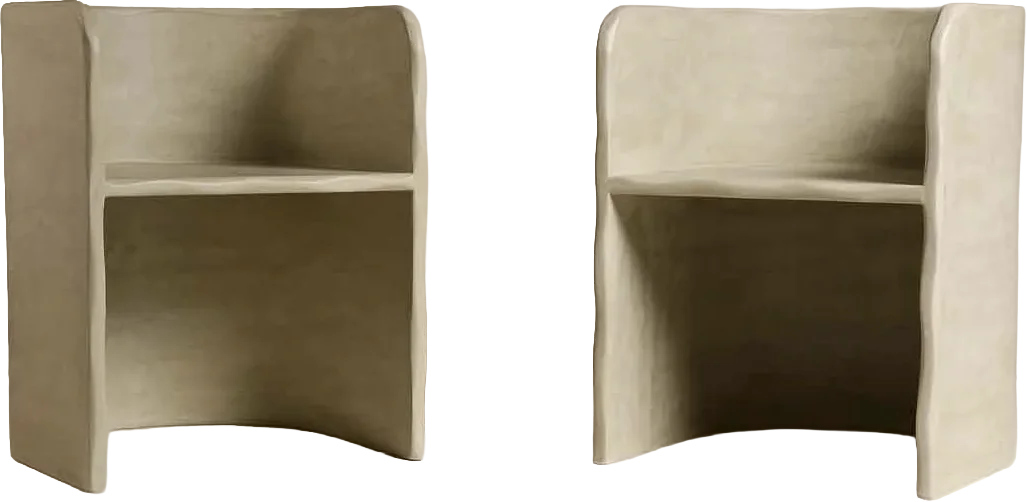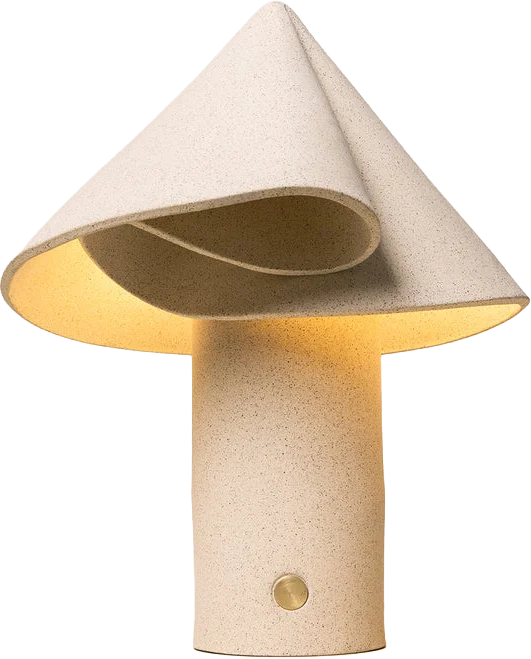
A Japanese philosophy of finding beauty in impermanence and imperfection that has proven more exportable than many assumed, cracked ceramics and weathered wood translating into Western domestic contexts with fewer complications than most such imports.
23 items curated
The wabi-sabi aesthetic draws its philosophical and visual material from a centuries-old Japanese sensibility that finds profound beauty in impermanence, asymmetry and the gentle marks of time, organizing interiors around hand-thrown ceramics with visible kiln marks, weathered wood, undyed linen and the quiet authority of objects that wear their history openly. Its growing presence in contemporary design discourse rests on its proposition that perfection is not the proper aspiration of objects or rooms, treating the cracked ceramic vessel, the faded textile and the slightly uneven plaster wall as the legitimate carriers of meaning.
What distinguishes wabi-sabi from the parallel currents of minimalism or japandi is its closer relationship with imperfection and the passage of seasons, the way an interior can suggest a tea master's hut in late autumn rather than the polished gallery space of a contemporary museum. Designers gravitating toward this aesthetic typically reach for unfired clay vessels, hand-loomed indigo textiles, kintsugi-repaired ceramics, rough-hewn wood furniture, and the muted palette of taupe, charcoal, oxidized copper and the soft greens of moss after rain. The contemporary appeal of wabi-sabi lies in its insistence that quiet attention to materials and time can become a deeper form of luxury than any visible perfection.
Wabi-sabi organizes itself around a Japanese aesthetic philosophy that values impermanence, asymmetry and the gentle marks of age, prizing objects whose imperfections become part of their beauty rather than detracting from it. The aesthetic favors hand-thrown ceramics with visible firing marks, weathered woods, undyed linens, hand-loomed textiles and the muted palette of natural materials allowed to age without intervention.
Japandi proposes a contemporary hybrid that combines the clean architectural lines of Scandinavian design with the spatial restraint of Japanese interiors, valuing functional minimalism above all. Wabi-sabi takes a more philosophical position, accepting and even celebrating imperfection rather than smoothing it away, gathering objects whose cracks, asymmetries and patinas become the source of their decorative authority.
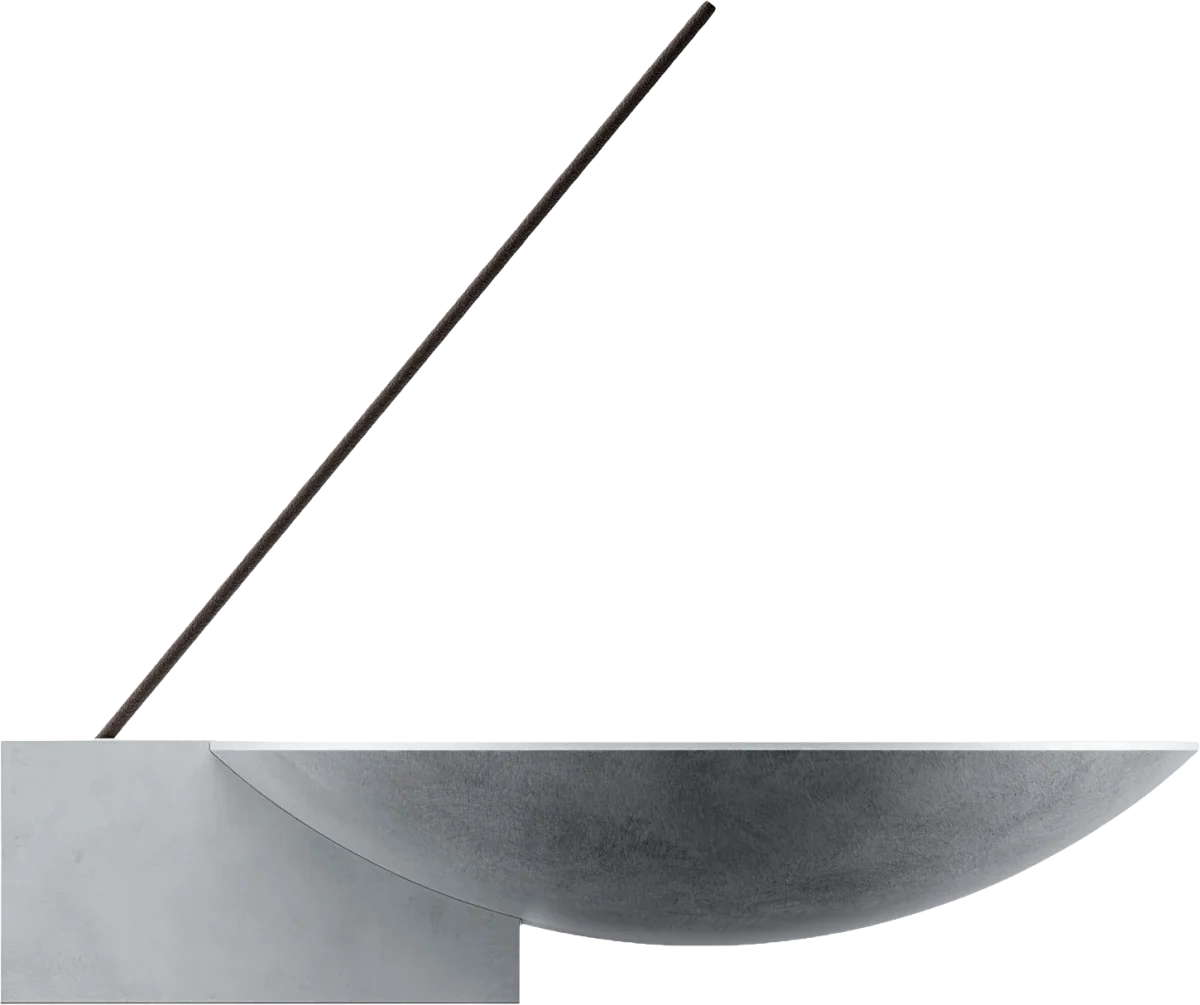
A wabi-sabi interior tends to gather hand-thrown ceramic vessels with visible wheel marks, unfired clay sculpture, kintsugi-repaired bowls, raw silk wall hangings, weathered wood benches, hand-loomed indigo textiles, woven straw mats and the kind of slightly imperfect objects produced by independent ceramicists working in traditional Japanese techniques. Smaller pieces might include single-stem ikebana arrangements, simple bronze incense holders and tea ceremony implements.
Wabi-sabi traces its sensibility to the Japanese tea ceremony tradition that took shape during the fifteenth and sixteenth centuries, particularly under the influence of tea masters such as Sen no Rikyū who articulated the philosophical underpinnings of the practice. Its broader influence on contemporary Western design has grown significantly since the 1990s, when a wave of design-literate audiences began seeking interiors that proposed quietness, imperfection and the visible passage of time as legitimate decorative values.
The gift ideas page helps you find a present by mood, style and budget. You choose their intensity, their vibe and your budget with three sliders, and the page returns objects from the newitem.earth archive, each one linking to the original shop.