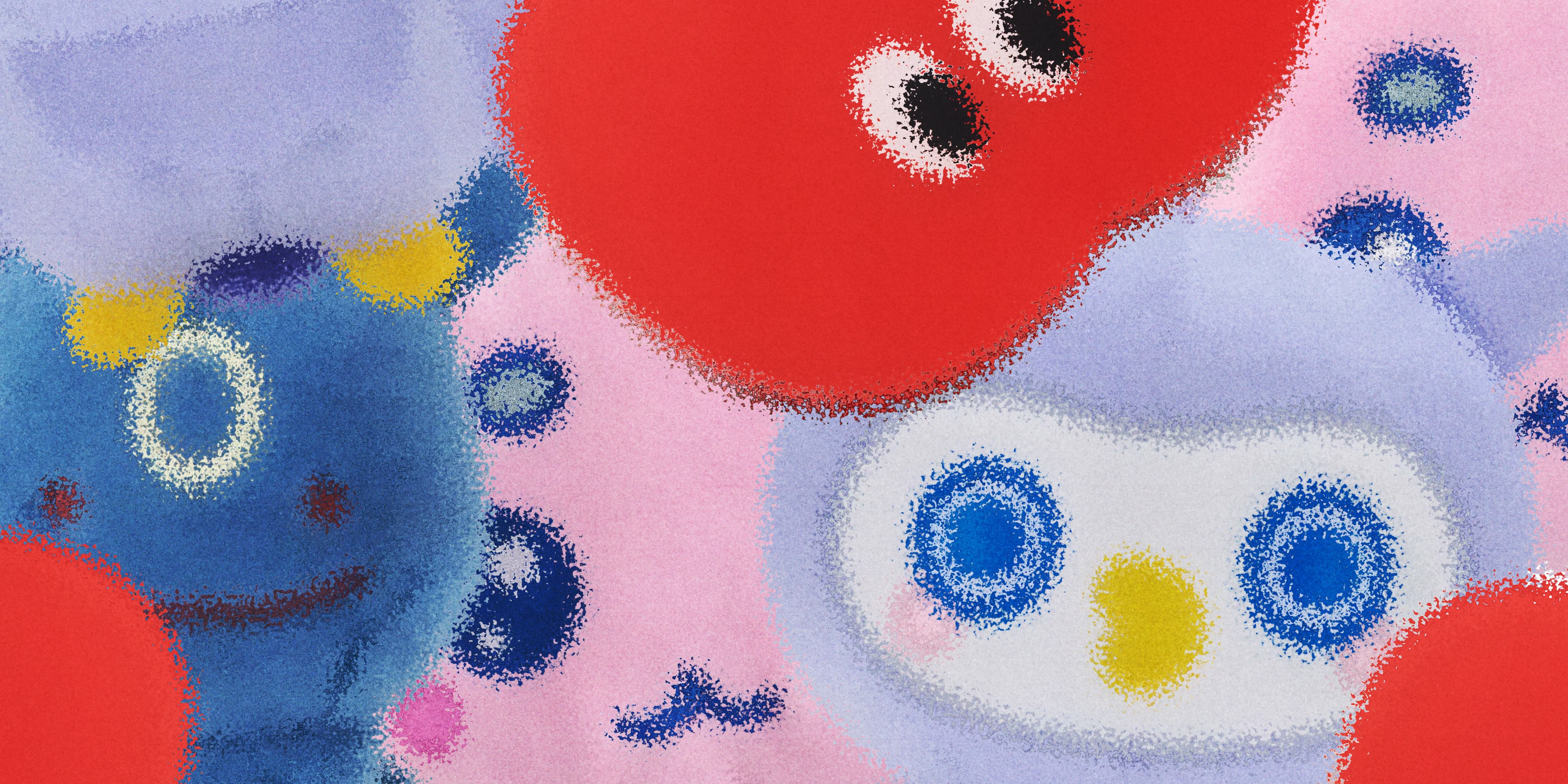
The Japanese word kawaii translates approximately as cute, adorable, or loveable, but the aesthetic tradition it names in contemporary Japanese and global culture is considerably more complex and more formally sophisticated than any of those translations might suggest. The kawaii aesthetic is a visual philosophy organized around the deliberate cultivation of softness, roundness, and the emotional quality of endearment, whose application to fashion, interior design, and object culture has produced one of the most distinctive and most globally influential design languages of the past half century.
What Is Kawaii?
The kawaii aesthetic draws its visual logic from a set of formal principles whose consistency across very different scales and categories of object gives the style its immediately recognizable character. Rounded forms are preferred to angular ones, because the human perceptual system associates roundness with youth, safety, and the physical qualities of infant faces and bodies. Soft and pastel colors are preferred to harsh or saturated ones. Large eyes, small mouths, and the simplified features of the cartoon and the plush toy provide the anthropomorphic visual vocabulary through which the aesthetic most frequently communicates. These are not arbitrary choices but the product of a cultural tradition with specific historical roots and a sophisticated understanding of the relationship between visual form and emotional response.
In its application to the domestic interior, kawaii interior design translates these principles into a vocabulary of pastel-painted walls, rounded furniture forms, plush textiles in soft colors, and the particular category of decorative object, the character figure, the oversized plush, the collectible blind box toy, that the kawaii tradition has made into one of the most internationally successful categories of consumer design in recent history.
The Cultural Origins of Kawaii in Japan
The contemporary kawaii culture emerged in Japan in the 1970s, when a generation of teenage girls began writing in a deliberately childlike script, with rounded letters, small drawings of hearts and stars interspersed with the text, and a general quality of playful infantilism that was initially discouraged by schools and parents before being absorbed into the commercial culture of the period with considerable speed and commercial intelligence. The connection between this writing style and the broader visual culture that the word kawaii now names was made explicit by the commercial success of Sanrio, the company founded in 1960 whose character Hello Kitty, introduced in 1974, became within a decade one of the most recognizable visual icons in the world and the template for an industry of character goods whose global reach is difficult to overstate.
The Harajuku district of Tokyo became, from the 1980s onwards, the primary incubator of kawaii fashion in its most experimental forms, where the aesthetic was combined with elements of Gothic and punk visual culture, with the historical costume tradition of the Lolita style, and with the specific subcultural aesthetics of the decora and fairy kei movements, producing a set of kawaii style variants whose visual range extended from the pastel softness of sweet Lolita to the black and white severity of Gothic Lolita while maintaining throughout a shared commitment to the aesthetic values of deliberate adorability and highly specific personal expression.
Kawaii is not simply a preference for the cute. It is a sophisticated visual philosophy that understands roundness, softness, and the emotional vocabulary of endearment as legitimate and formally serious design values, worthy of the same intellectual engagement that any other major aesthetic tradition demands.
Kawaii Goes Global
The global dissemination of the kawaii aesthetic began with the export of Japanese character goods, manga, and anime in the 1980s and 1990s, accelerated through the early internet culture of the 2000s, and reached its current level of global cultural penetration through the social media platforms of the 2010s, particularly Pinterest, Instagram, and TikTok, where the aesthetic's visual qualities, its pastel palette, its rounded forms, its abundance of adorable detail, translate with particular effectiveness into the small-format visual content that these platforms distribute.
The influence of kawaii design on Western fashion and interior design has been substantial and is now sufficiently established that it is no longer primarily identified with its Japanese origins but has developed into a global aesthetic category with its own regional variants and its own design industry. The pastel bedroom decorated with character plushies and rounded furniture forms is as readily recognizable as a design category in Los Angeles or Paris as it is in Tokyo, reflecting the degree to which the aesthetic has become genuinely international.
The Kawaii Color Palette
The kawaii color palette is organized around soft, desaturated pastels whose visual character produces the emotional response of gentleness and approachability that the aesthetic values above all other qualities. Pastel pink in its many gradations, from the barely-there blush to the slightly more assertive bubblegum, is the color most immediately associated with the kawaii aesthetic, appearing in clothing, bedroom walls, ceramics, and decorative objects with a consistency that reflects both the aesthetic's historical associations and the genuine effectiveness of the color in producing the desired emotional response.
Alongside pink, the kawaii color scheme deploys pastel lavender, mint green, baby blue, peach, and lemon yellow with equal frequency, producing interiors and wardrobes of considerable chromatic variety within a tonal register of consistent softness. White and cream provide the neutral ground against which these pastels read most effectively, and gold and silver accents in the smallest and most delicate available quantities add a dimension of sparkle that the aesthetic treats as an extension of its own vocabulary of adorability.
Kawaii Materials and Objects
The material vocabulary of the kawaii interior is organized around softness, both tactile and visual, and around the particular category of object that the Japanese character goods industry has produced with such commercial and aesthetic success. Plush textiles in the softest available fibers, velvet in pastel tones, fluffy pile fabrics that invite touch as much as they invite looking: these are the dominant textile materials of the aesthetic, whose sensory richness is as central to the kawaii home as its visual character.
The character figure, whether in the form of the Sanrio classic or the contemporary blind box collectible, is perhaps the single most characteristic object category of the kawaii aesthetic, occupying a position in the domestic interior that combines the decorative function of the ceramic figure with the personal and collecting dimensions of a practice whose emotional charge goes considerably beyond the purely visual. Oversized plush animals, whose scale subverts the conventional proportions of the decorative object with a quality of playful excess that is entirely intentional, complete the object vocabulary of the kawaii home.
Kawaii Fashion
Kawaii fashion encompasses a wide range of stylistic expressions united by the shared commitment to the aesthetic values of deliberate adorability and highly specific personal expression. At its most elaborate, as in the Harajuku-rooted Lolita tradition with its petticoats, lace, and historical costume references, kawaii style produces garments of considerable complexity and formal ambition. In its more accessible contemporary expressions, the aesthetic is communicated through the selection of rounded silhouettes, pastel color, and the accessories of character goods culture, including the hair clips, the bag charms, and the enamel pins that function as the personal styling equivalent of the character figure in the domestic interior.
The most compelling contemporary kawaii fashion practitioners are those who bring to the aesthetic the same quality of curatorial intelligence that any other sophisticated styling practice requires, selecting from the vocabulary of the tradition with sufficient specificity and personal consistency to produce a result that reads as a genuine aesthetic position rather than as a superficial adoption of the most recognizable elements of a well-known style.
Kawaii Interior Design
The kawaii bedroom and living room translate the aesthetic's values into the domestic register through a combination of chromatic and formal choices whose consistency gives the space its character. Walls painted in the softest available interpretation of the palette's characteristic pastels, furniture whose forms favor the rounded and the upholstered over the angular and the structural, textiles in the plush and velvet materials that the aesthetic's tactile values require, and the carefully assembled collection of character objects and plush animals that populate every available surface: these are the elements from which a genuine kawaii interior design is constructed.
Lighting in a kawaii room is warm, soft, and typically supplemented by the string lights or the LED strips in pastel colors that have become almost ubiquitous in the contemporary kawaii interior, providing a quality of gentle and distributed illumination that suits the aesthetic's overall commitment to softness in every available dimension of the designed environment.
Kawaii Bedroom
The kawaii bedroom is the space in which the aesthetic's values find their most complete and most personally expressive realization, because the bedroom's private character allows the full vocabulary of the tradition to be deployed without the social inhibitions that might moderate its application in more public spaces. A bed dressed with bedding in the palette's characteristic pastels, supplemented by an abundance of cushions and plush animals whose scale and variety communicate the seriousness of the collecting practice behind them. Walls decorated with character prints, with the small illustrated artworks that the aesthetic produces in considerable quantity, and with the mirrors and decorative objects in pastel and chrome that the kawaii home decor tradition has made into a highly specific and immediately recognizable category.
Key Objects of the Kawaii Aesthetic
The objects most characteristic of kawaii decor are those that carry the aesthetic's values of roundness, softness, adorability, and the particular emotional charge of the character object in its many available forms. Sanrio and other character goods in the full range of their product categories. Blind box collectible figures whose randomized acquisition process adds a dimension of anticipation and collection to their decorative function. Oversized plush animals in the softest available materials. Pastel-glazed ceramics in rounded forms. Stationery and paper goods in the elaborate and highly illustrated tradition of Japanese kawaii stationery culture. Each of these objects contributes to the particular atmosphere of the kawaii interior, a space of deliberate and unapologetic adorability whose formal logic is more sophisticated than the ease of its emotional appeal might initially suggest.
Frequently Asked Questions About the Kawaii Aesthetic
What does kawaii mean and where does it come from?
The Japanese word kawaii translates approximately as cute, adorable, or loveable, and the aesthetic tradition it names emerged in Japan in the 1970s, when a generation of teenage girls developed a deliberately childlike visual culture that was subsequently absorbed into the commercial design industry with extraordinary speed and success. The kawaii aesthetic is now a global design language with its own regional variants and its own design industry, whose influence on fashion, interior design, and object culture is substantial and continues to grow.
What colors define the kawaii aesthetic?
The kawaii color palette is organized around soft, desaturated pastels whose visual character produces the emotional response of gentleness and approachability that the aesthetic values. Pastel pink, lavender, mint green, baby blue, peach, and lemon yellow are the dominant tones, appearing against a ground of white or cream with delicate gold or silver accents. These colors are chosen for their ability to communicate softness and adorability rather than for any chromatic drama or contrast.
What is Harajuku kawaii style?
Harajuku kawaii style refers to the experimental fashion culture that developed in the Harajuku district of Tokyo from the 1980s onwards, where the kawaii aesthetic was combined with elements of Gothic and punk visual culture, historical costume tradition, and the specific subcultural aesthetics of movements including decora and fairy kei. The result was a set of kawaii variants whose visual range extended from the pastel softness of sweet Lolita to the black and white severity of Gothic Lolita, unified throughout by a shared commitment to deliberate adorability and highly specific personal expression.
How do I create a kawaii bedroom?
A kawaii bedroom is built around a pastel color palette on the walls and in the bedding, furniture whose forms favor the rounded and the upholstered, an abundance of plush textiles and cushions, a carefully assembled collection of character objects and plush animals, and soft and warm lighting supplemented by string lights or pastel-toned LED strips. The degree of character object density and the specific selection of the kawaii home decor elements are matters of personal preference within a broad aesthetic framework that prioritizes softness, roundness, and the emotional vocabulary of adorability above all other design values.
What is the difference between kawaii and pastel aesthetic?
The pastel aesthetic is primarily a chromatic orientation, organized around the use of soft and desaturated colors across interior design and fashion without necessarily committing to the other formal values of the kawaii aesthetic. Kawaii is a more comprehensive design philosophy that uses the pastel palette as one element among several, alongside the rounded forms, the character object culture, the plush textiles, and the specific emotional vocabulary of deliberate adorability that together constitute the aesthetic in its fullest expression. A pastel interior is not necessarily kawaii; a kawaii interior is almost always pastel.